English | 中文 | Español

Chemical Products

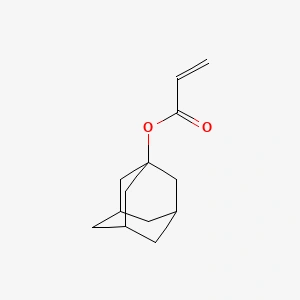
1-Adamantyl acrylate

1-Adamantyl acrylate, identified by CAS 121601-93-2, is a specialized monomer characterized by the incorporation of a bulky, rigid adamantane cage structure into an acrylate ester framework. This unique molecular architecture imparts exceptional thermal stability and high glass transition temperatures to the resulting polymers. As a clear to pale yellow liquid or solid depending on purity

1-Adamantyl acrylate Read More »
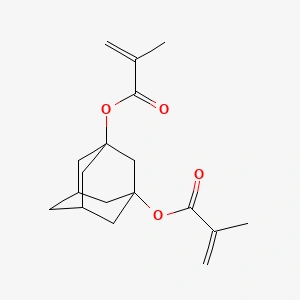
1,3-Adamantanediol dimethacrylate

1,3-Adamantanediol dimethacrylate, identified by CAS 122066-43-7, is a specialized bifunctional monomer characterized by a rigid tricyclic adamantane core substituted with two methacrylate functional groups. This unique molecular architecture imparts exceptional thermal stability, high glass transition temperatures, and significant mechanical strength to the resulting polymers. As a high-purity chemical raw material, it is valued for its

1,3-Adamantanediol dimethacrylate Read More »

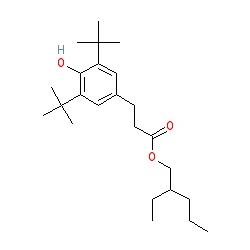
Antioxidant 1135

Antioxidant 1135, identified by CAS 125643-61-0, is a high-molecular-weight hindered phenolic antioxidant primarily utilized for its excellent thermal stability and low volatility. Chemically, it consists of benzenepropanoic acid derivatives with branched alkyl chains, which contribute to its liquid state at room temperature. This physical form offers significant handling advantages in industrial environments, allowing for easy

Antioxidant 1135 Read More »

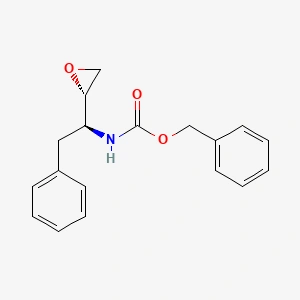
Benzyl ((S)-1-((S)-oxiran-2-yl)-2-phenylethyl)carbamate

Benzyl ((S)-1-((S)-oxiran-2-yl)-2-phenylethyl)carbamate, also known as Cbz-L-phenylalanine epoxide, is a high-purity chiral intermediate widely utilized in the pharmaceutical industry. This compound features a carbobenzyloxy (Cbz) protecting group and a reactive epoxide moiety, making it a versatile building block for the synthesis of complex organic molecules. Its structural integrity and stereochemical purity are critical for downstream applications,

Benzyl ((S)-1-((S)-oxiran-2-yl)-2-phenylethyl)carbamate Read More »

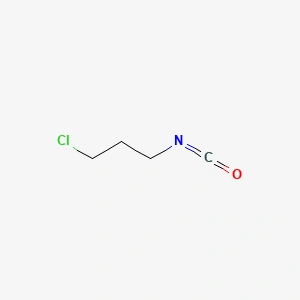
3-Chloropropyl isocyanate

3-Chloropropyl isocyanate, identified by CAS number 13010-19-0, is a versatile organoisocyanate characterized by the presence of both a reactive isocyanate group and a terminal chlorine atom. This bifunctional nature makes it a valuable intermediate in organic synthesis, as it allows for sequential or simultaneous functionalization at two different reactive sites. The compound typically appears as

3-Chloropropyl isocyanate Read More »

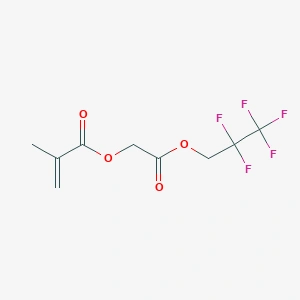
2-Oxo-2-(2,2,3,3,3-pentafluoropropoxy)ethyl methacrylate

2-Oxo-2-(2,2,3,3,3-pentafluoropropoxy)ethyl methacrylate, identified by CAS number 1176273-16-7, is a specialized fluorinated monomer characterized by its unique ester linkage and high fluorine density. This chemical raw material integrates a pentafluoropropoxy group into a methacrylate framework, providing a versatile building block for advanced polymer synthesis. Its molecular architecture is specifically designed to impart distinct physicochemical properties, such

2-Oxo-2-(2,2,3,3,3-pentafluoropropoxy)ethyl methacrylate Read More »

1,3-Butylene glycol dimethacrylate

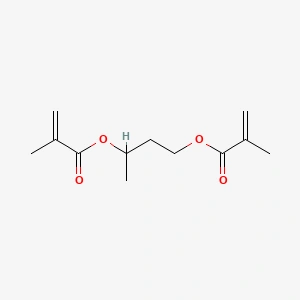
1,3-Butylene glycol dimethacrylate, identified by CAS 1189-08-8, is a versatile bifunctional methacrylic monomer characterized by its low viscosity and high reactivity. As a clear, colorless liquid, it serves as an efficient crosslinking agent in various polymerization processes. Its chemical structure, featuring two methacrylate groups, allows for the formation of complex three-dimensional networks, which significantly enhances

1,3-Butylene glycol dimethacrylate Read More »

Chlorosulfonyl isocyanate

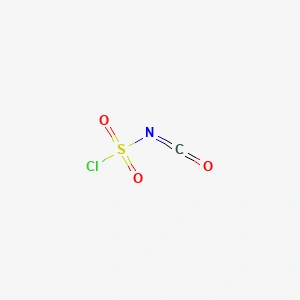
Chlorosulfonyl isocyanate, identified by CAS number 1189-71-5, is a highly versatile and reactive bifunctional reagent widely utilized in advanced organic synthesis. This colorless, mobile liquid is characterized by the presence of both an electrophilic isocyanate group and a chlorosulfonyl moiety, making it one of the most chemically active reagents available to synthetic chemists. Its unique

Chlorosulfonyl isocyanate Read More »

Amberlite LA-2

Amberlite LA-2, identified by CAS 11128-96-4, is a high-molecular-weight secondary amine frequently utilized as a liquid anion exchanger in various chemical processing environments. This oil-soluble, water-insoluble reagent is characterized by its branched-chain structure, which contributes to its stability and efficiency in complex separation processes. As a liquid ion exchange resin, it bridges the gap between

Amberlite LA-2 Read More »

Cholestyramine resin

Cholestyramine resin is a strong basic anion-exchange resin, typically composed of a styrene-divinylbenzene copolymer with quaternary ammonium functional groups. It is primarily recognized for its ability to bind bile acids in the gastrointestinal tract, forming insoluble complexes that are subsequently excreted in the feces. This mechanism prevents the reabsorption of bile acids, thereby stimulating the

Cholestyramine resin Read More »

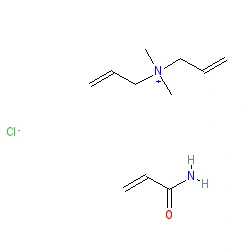
Polyquaternium-7

Polyquaternium-7, identified by CAS number 108464-53-5, is a highly charged cationic copolymer synthesized from diallyldimethylammonium chloride and acrylamide. As a water-soluble polymer, it is valued in industrial chemistry for its ability to neutralize negative charges on various substrates. Its chemical structure allows it to form clear, continuous films, providing excellent lubricity and substantive properties without

Polyquaternium-7 Read More »

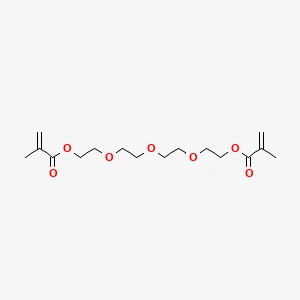
Tetraethylene glycol dimethacrylate

Tetraethylene glycol dimethacrylate, identified by CAS number 109-17-1, is a difunctional methacrylic monomer characterized by its relatively long, flexible ethylene oxide backbone. This clear, low-viscosity liquid serves as an effective crosslinking agent in various polymerization processes. Its chemical structure, featuring two reactive methacrylate groups separated by a tetraethylene glycol chain, allows it to bridge polymer

Tetraethylene glycol dimethacrylate Read More »

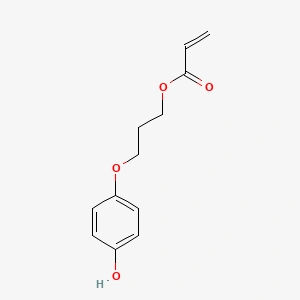
3-(4-Hydroxyphenoxy)propyl acrylate

3-(4-Hydroxyphenoxy)propyl acrylate, identified by CAS 1092853-38-7, is a specialized functional monomer characterized by its dual-reactive nature. It features an acrylate moiety capable of rapid free-radical polymerization alongside a phenolic hydroxyl group. This unique molecular architecture allows for the synthesis of polymers that retain reactive sites for post-polymerization modification or specific surface interactions. As a chemical

3-(4-Hydroxyphenoxy)propyl acrylate Read More »

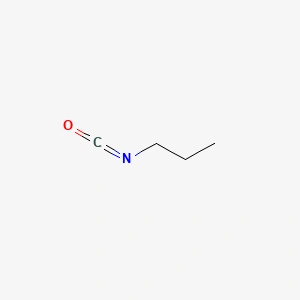
Propyl isocyanate

Propyl isocyanate, identified by CAS number 110-78-1, is a highly reactive organic compound belonging to the isocyanate functional group. This clear, colorless liquid is characterized by its sharp, pungent odor and significant volatility. As a versatile building block in organic chemistry, it serves as a critical intermediate for the synthesis of various nitrogen-containing derivatives. Due

Propyl isocyanate Read More »

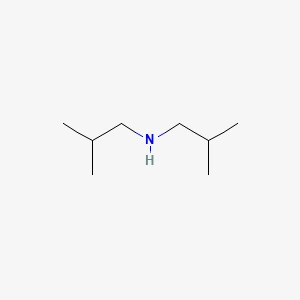
Diisobutylamine

Diisobutylamine, identified by CAS 110-96-3, is a secondary aliphatic amine characterized by its distinct ammonia-like odor and colorless liquid appearance. As a branched-chain amine, it exhibits chemical reactivity typical of secondary amines, serving as a versatile building block in various organic synthesis pathways. It is known for its moderate volatility and flammability, requiring standard industrial

Diisobutylamine Read More »

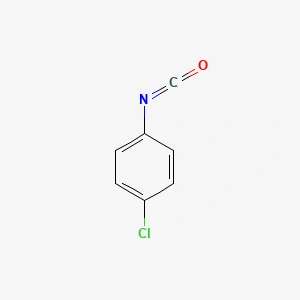
4-Chlorophenyl isocyanate

4-Chlorophenyl isocyanate, identified by CAS number 104-12-1, is a versatile aromatic isocyanate characterized by a benzene ring substituted with both a chlorine atom and a highly reactive isocyanate functional group. This organic intermediate typically presents as a low-melting crystalline solid or a colorless to pale yellow liquid depending on ambient temperature. Its chemical structure makes

4-Chlorophenyl isocyanate Read More »

REQUEST A QUOTE

Product Inquiry — Popup Form