English | 中文 | Español

Chemical Products

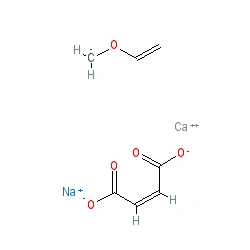
Calcium/sodium PVM/MA copolymer

Calcium/sodium PVM/MA copolymer is a synthetic, high-molecular-weight polymer derived from the partial salt formation of poly(methyl vinyl ether/maleic anhydride). This copolymer is characterized by its unique ionic cross-linking structure, where calcium and sodium ions interact with the carboxylic acid groups along the polymer backbone. This chemical configuration results in a material that exhibits exceptional adhesive

Calcium/sodium PVM/MA copolymer Read More »
Methylhydrosiloxane-dimethylsiloxane copolymer

Methylhydrosiloxane-dimethylsiloxane copolymer, identified by CAS 68037-59-2, is a versatile functional silicone fluid featuring reactive silicon-hydrogen (Si-H) bonds integrated into a polydimethylsiloxane backbone. This chemical structure provides a unique combination of the inertness and stability associated with standard silicones and the high reactivity necessary for chemical modification and crosslinking. It typically appears as a clear, low-viscosity

Methylhydrosiloxane-dimethylsiloxane copolymer Read More »

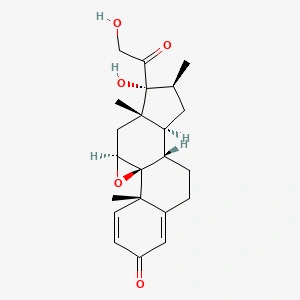
Betamethasone 9,11-epoxide

Betamethasone 9,11-epoxide, identified by CAS 981-34-0, is a specialized steroidal intermediate characterized by its 9,11-epoxy functional group on a pregnane skeleton. This compound serves as a critical precursor in the multi-step synthesis of highly potent corticosteroids. Its chemical structure, featuring a 16β-methyl group and a 1,4-diene-3,20-dione system, provides the necessary framework for further functionalization, particularly

Betamethasone 9,11-epoxide Read More »

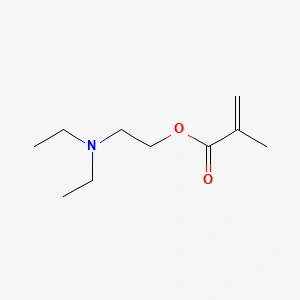
2-(Diethylamino)ethyl methacrylate

2-(Diethylamino)ethyl methacrylate, commonly identified by CAS number 105-16-8, is a versatile amino-functional monomer characterized by its dual functionality. It features a polymerizable methacrylate group alongside a tertiary amine moiety, which imparts unique chemical reactivity and basicity to the resulting polymers. As a clear liquid ester, it serves as a critical building block in the synthesis

2-(Diethylamino)ethyl methacrylate Read More »

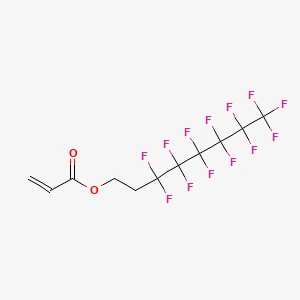
1H,1H,2H,2H-Perfluorooctyl acrylate

1H,1H,2H,2H-Perfluorooctyl acrylate, also known by its CAS number 17527-29-6, is a specialized fluorinated monomer characterized by a long perfluoroalkyl chain attached to an acrylate functional group. This clear, colorless liquid is primarily utilized as a building block in the synthesis of high-performance polymers and surface-active agents. Due to the presence of the perfluorinated tail, it

1H,1H,2H,2H-Perfluorooctyl acrylate Read More »

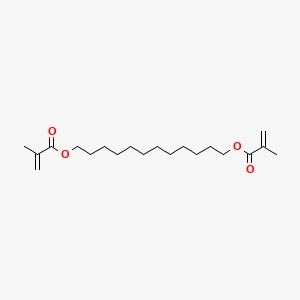
1,12-Dodecanediol dimethacrylate

1,12-Dodecanediol dimethacrylate, identified by CAS 72829-09-5, is a high-performance bifunctional monomer characterized by its long, linear aliphatic chain. This hydrophobic dimethacrylate serves as an effective cross-linking agent in various polymer systems, offering a unique balance of flexibility and chemical resistance. Its molecular structure, consisting of a twelve-carbon spacer between two reactive methacrylate groups, allows for

1,12-Dodecanediol dimethacrylate Read More »

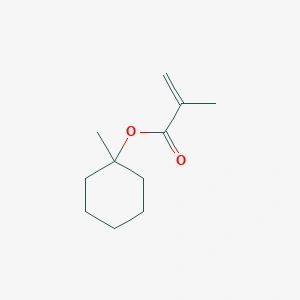
1-Methylcyclohexyl methacrylate

1-Methylcyclohexyl methacrylate, identified by CAS 76392-14-8, is a specialized acrylic monomer characterized by its bulky alicyclic side chain. This structure imparts unique physical properties to the resulting polymers, most notably a high glass transition temperature and excellent thermal stability. As a clear, liquid monomer, it is primarily utilized in radical polymerization processes to develop high-performance

1-Methylcyclohexyl methacrylate Read More »

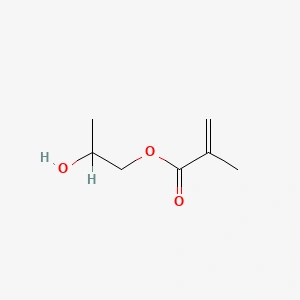
2-Hydroxypropyl methacrylate

2-Hydroxypropyl methacrylate (HPMA) is a clear, colorless liquid monomer characterized by its dual functionality, possessing both a polymerizable vinyl group and a reactive hydroxyl group. This unique structure makes it a versatile building block in polymer chemistry, enabling the synthesis of copolymers with tailored chemical and physical properties. It is typically stabilized with inhibitors to

2-Hydroxypropyl methacrylate Read More »

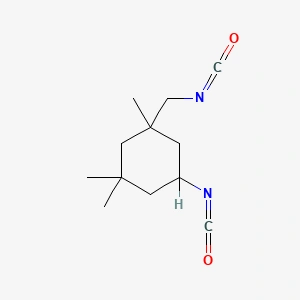
Isophorone diisocyanate

Isophorone diisocyanate (IPDI), identified by CAS 4098-71-9, is a high-performance cycloaliphatic diisocyanate widely utilized in the production of specialized polyurethane systems. It is characterized by its clear, liquid state at room temperature and possesses two distinct isocyanate groups with differing reactivity levels. This unique chemical structure allows for precise control during polymerization, making it a

Isophorone diisocyanate Read More »

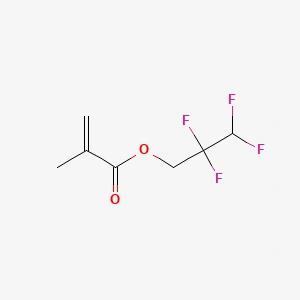
2,2,3,3-Tetrafluoropropyl methacrylate

2,2,3,3-Tetrafluoropropyl methacrylate (CAS 45102-52-1) is a specialized fluorinated monomer belonging to the methacrylate ester family. It is characterized by the presence of a tetrafluoropropyl group, which imparts unique physicochemical properties to the resulting polymers. This clear, colorless liquid is primarily utilized in precision polymer synthesis where low surface energy and enhanced chemical resistance are required.

2,2,3,3-Tetrafluoropropyl methacrylate Read More »

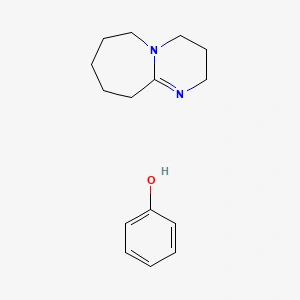
DBU phenol salt

DBU phenol salt, identified by CAS 57671-19-9, is a specialized chemical raw material widely utilized as a latent catalyst in various industrial polymerization processes. It is a salt formed by the reaction of 1,8-diazabicyclo[5.4.0]undec-7-ene (DBU) with phenol. This combination results in a compound that exhibits reduced basicity and reactivity at room temperature compared to free

DBU phenol salt Read More »

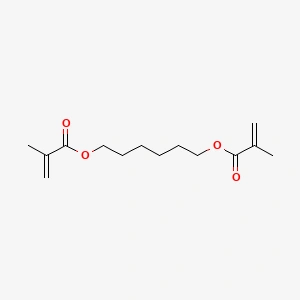
1,6-Hexanediol dimethacrylate

1,6-Hexanediol dimethacrylate, identified by CAS number 6606-59-3, is a bifunctional methacrylic monomer characterized by its low viscosity and high reactivity. This aliphatic monomer features a six-carbon chain between two methacrylate groups, which imparts a unique balance of flexibility and crosslinking density to resulting polymer networks. It is typically supplied as a clear, colorless liquid and

1,6-Hexanediol dimethacrylate Read More »

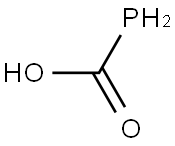
phosphino carboxylic acid 71050 62 9 structure

Phosphino carboxylic acid

Phosphino carboxylic acid (PCA), identified by CAS number 71050-62-9, is a versatile organophosphorus compound widely utilized as a high-performance scale inhibitor and dispersant in aqueous systems. It combines the structural benefits of both phosphonic acid and carboxylic acid groups, providing exceptional stabilization of calcium carbonate, calcium sulfate, and other mineral scales. Its molecular architecture allows

Phosphino carboxylic acid Read More »

Quaternized fatty acid triethanolamine ester

Quaternized fatty acid triethanolamine ester, commonly identified by CAS 91995-81-2, is a prominent cationic surfactant belonging to the esterquat family. This chemical is synthesized through the esterification of triethanolamine with long-chain fatty acids, followed by quaternization using a methylating agent. The resulting compound exhibits a unique amphiphilic structure, characterized by a positively charged quaternary ammonium

Quaternized fatty acid triethanolamine ester Read More »

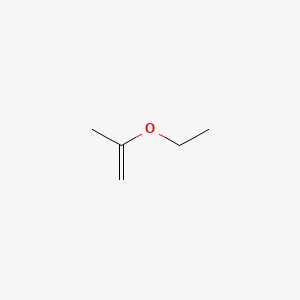
2-Ethoxypropene

2-Ethoxypropene, identified by CAS number 926-66-9, is a versatile enol ether characterized by its high reactivity and utility in organic synthesis. As a clear, volatile liquid, it serves as a valuable building block for the construction of complex molecular frameworks. Its chemical structure, featuring an ethoxy group attached to a propene backbone, makes it an

2-Ethoxypropene Read More »

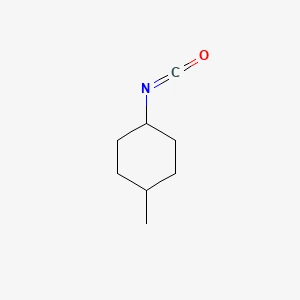
trans-4-Methylcyclohexyl isocyanate

trans-4-Methylcyclohexyl isocyanate (CAS 32175-00-1) is a specialized organic building block characterized by its cyclohexane core and a reactive isocyanate functional group. The trans-configuration of the methyl substituent provides specific stereochemical properties that are often critical in fine chemical synthesis. As a member of the isocyanate family, this compound exhibits high reactivity toward nucleophilic species, making

trans-4-Methylcyclohexyl isocyanate Read More »

REQUEST A QUOTE

Product Inquiry — Popup Form