English | 中文 | Español

Chemical Products

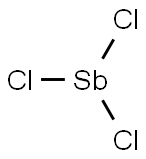
Antimony Pentachloride 10025 91 1 Structure

Antimony Pentachloride

Antimony pentachloride (CAS 10025-91-1) is a corrosive, yellowish fuming liquid with formula SbCl₅ and MW 299.01. It functions as a potent Lewis acid and chlorinating agent in organic synthesis, dye manufacturing and polymerisation catalysis. It hydrolyzes vigorously with moisture, releasing hydrogen chloride fumes.

Antimony Pentachloride Read More »
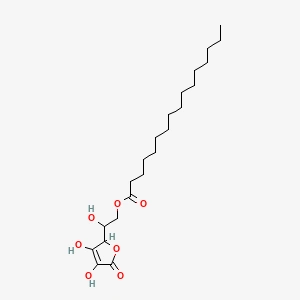
Ascorbyl Palmitate 137 66 6 Structure

Ascorbyl Palmitate

Ascorbyl palmitate is a fat-soluble derivative of ascorbic acid, combining ascorbic acid with palmitic acid. This dual-property molecule features a hydrophilic ascorbic head and a lipophilic palmitic tail, allowing it to dissolve smoothly in lipid matrices, oils, and ethanol while remaining practically insoluble in water. Widely utilized as an effective antioxidant and stabilizing agent, it

Ascorbyl Palmitate Read More »

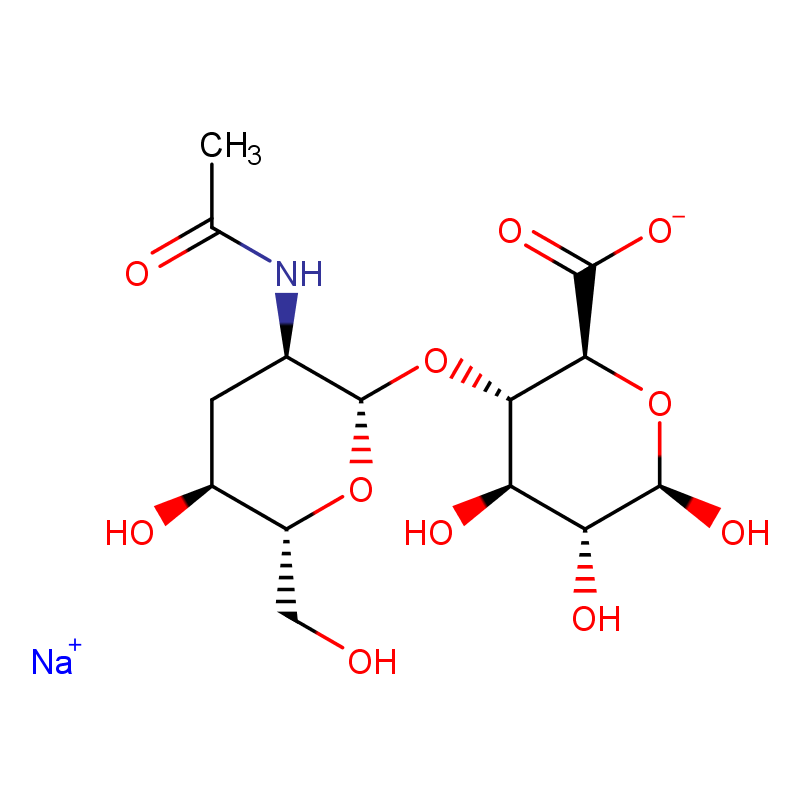
Hyaluronic Acid 9004 61 9 Structure

Hyaluronic Acid

Hyaluronic acid (CAS 9004-61-9) is a naturally occurring glycosaminoglycan composed of repeating disaccharide units of D-glucuronic acid and N-acetyl-D-glucosamine, commonly represented as (C₁₄H₂₁NO₁₁)ₙ. It exhibits exceptional viscoelastic properties and water-binding capacity. Molecular weight varies widely by source and grade; the sodium salt (sodium hyaluronate) is also commercially common.

Hyaluronic Acid Read More »

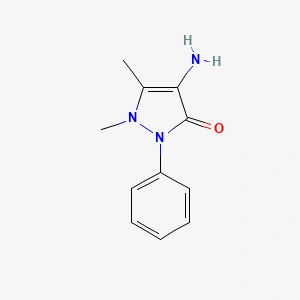
4 Aminoantipyrine 83 07 8 Structure

4-Aminoantipyrine

4-Aminoantipyrine ( ), also known as aminophenazone precursor or 4-amino-1,2-dimethyl-2-phenyl-3-pyrazolin-5-one, is a synthetic pyrazolone derivative characterized by a molecular weight of. It typically appears as a light-colored crystalline powder that is soluble in water and polar organic solvents. Historically recognized for its pharmacological properties as a non-steroidal anti-inflammatory and analgesic agent, 4-aminoantipyrine holds high modern

4-Aminoantipyrine Read More »

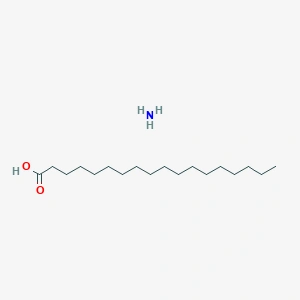
Ammonium Stearate 1002 89 7 Structure

Ammonium Stearate

Ammonium stearate is an organic ammonium salt derived from stearic acid and ammonia, typically appearing as a white to yellowish powder, paste, or liquid with a faint ammonia odor. This versatile chemical compound functions primarily as a surfactant, emulsifier, and stabilizer across various industrial and commercial sectors. It facilitates the uniform blending of immiscible phases

Ammonium Stearate Read More »

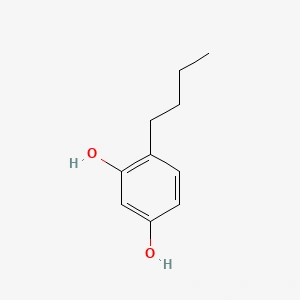
4 Butylresorcinol 18979 61 8 Structure

4-Butylresorcinol

4-Butylresorcinol is an organic chemical compound belonging to the resorcinol family, characterized by the attachment of a butyl group at the 4-position of the benzene ring diol structure. It is widely recognized in specialized chemical and dermatological formulations as a potent inhibitor of human tyrosinase, the key rate-limiting enzyme responsible for melanin biosynthesis. Typically produced

4-Butylresorcinol Read More »

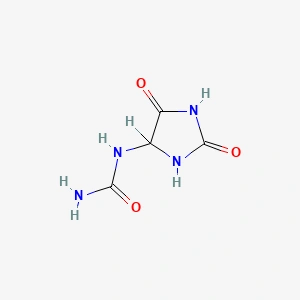
Allantoin 97 59 6 Structure

Allantoin

Allantoin, identified by CAS number 97-59-6 and chemical formula C 4 H 6 N 4 O 3 cap C sub 4 cap H sub 6 cap N sub 4 cap O sub 3, is a naturally occurring and synthetically replicated heterocyclic compound functioning broadly as a skin-conditioning, soothing, and moisturizing agent in personal care. Known

Allantoin Read More »

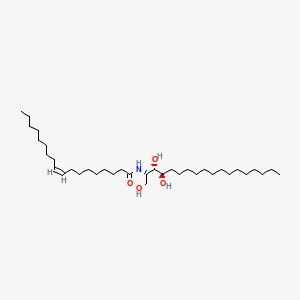
Ceramide VI AP 100403 19 8 Structure

Ceramide VI (AP)

Ceramide VI AP, indexed under CAS number 100403-19-8, belongs to a crucial family of sphingolipid molecules composed of a sphingosine backbone linked to an alpha-hydroxy fatty acid. Naturally prevalent in high concentrations within the intercellular lipid matrix of the human stratum corneum, this specialized lipid plays a primary structural role in reinforcing the skin barrier

Ceramide VI (AP) Read More »

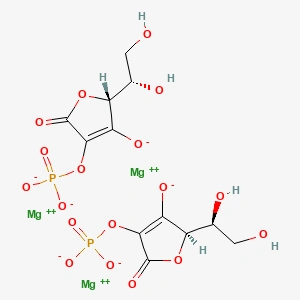
Magnesium Ascorbyl Phosphate 113170 55 1 Structure

Magnesium Ascorbyl Phosphate

Magnesium ascorbyl phosphate (CAS 113170-55-1) is a stable, water-soluble vitamin C derivative composed of ascorbic acid and magnesium ions. Common representations include C₆H₆O₉P·1.5Mg and the doubled formula C₁₂H₁₂Mg₃O₁₈P₂; the effective mass is approximately 289.54. It acts as an antioxidant and tyrosinase inhibitor with greater stability than ascorbic acid.

Magnesium Ascorbyl Phosphate Read More »

Palladium 7440 05 3 Structure

Palladium

Palladium is a rare, lustrous silvery-white transition metal belonging to the platinum group of elements, characterized by exceptional catalytic efficiency and resistance to corrosion. In industrial and laboratory settings, elemental palladium and its supported variations—such as palladium on carbon—serve as indispensable heterogeneous catalysts. The metal possesses a unique capacity to absorb large volumes of hydrogen

Palladium Read More »

Ethylene Oxide 75 21 8 Structure

Ethylene Oxide

Ethylene oxide is a highly reactive, flammable, and toxic cyclic ether existing as a colorless gas at room temperature. Characterized by a low boiling point of approximately 10.7 ∘ C 10.7 raised to the composed with power C and a sweet, ether-like odor, it serves as one of the most vital aliphatic epoxides in chemical

Ethylene Oxide Read More »

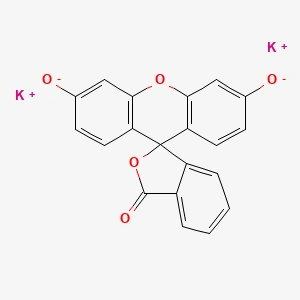
Dipotassium Fluorescein 6417 85 2 Structure

Dipotassium Fluorescein

Dipotassium fluorescein, also recognized as fluorescein dipotassium or Uranine K, is a highly water-soluble potassium salt derivative of fluorescein. It appears as a vibrant orange-red crystalline powder that dissolves readily in water to yield a brilliant yellowish-green fluorescent solution under visible and UV light. This distinct fluorescence property makes it exceptionally valuable across various specialized

Dipotassium Fluorescein Read More »

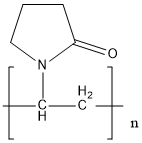
Polyvinylpyrrolidone 9003 39 8 Structure

Polyvinylpyrrolidone

Polyvinylpyrrolidone (PVP, CAS 9003-39-8) is a water-soluble synthetic polymer of N-vinylpyrrolidone with repeat unit (C₆H₉NO)ₙ. It is valued for biocompatibility, chemical stability, low toxicity and film-forming capability. Available in various molecular-weight grades, it functions as a binder, stabilizer, thickener and dispersing agent.

Polyvinylpyrrolidone Read More »

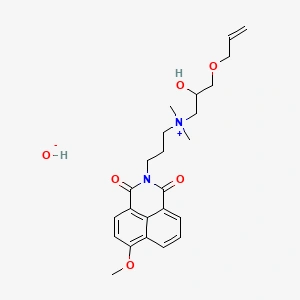
Methoxy Naphthalimide Quaternary Ammonium Hydroxide 276878 97 8 Structure

Methoxy Naphthalimide Quaternary Ammonium Hydroxide

Methoxy naphthalimide quaternary ammonium hydroxide, designated by under CAS 276878-97-8 and internal code KR001484, is a specialized functionalized fluorescent monomer. Its molecular architecture integrates a 1,8-naphthalimide core substituted with a methoxy group at position 6 and a quaternary ammonium hydroxide functional chain containing an allyloxy polymerizable group. This unique construction combines strong fluorescent properties with

Methoxy Naphthalimide Quaternary Ammonium Hydroxide Read More »

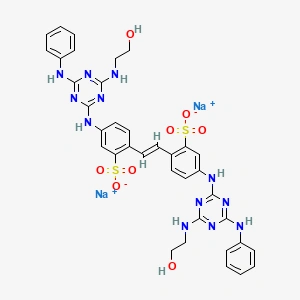
Optical Brightener VBL 12224 06 5 Structure

Optical Brightener VBL

Optical Brightener VBL, also chemically identified as Fluorescent Brightener 85, is a specialized stilbene-derivative fluorescent whitening agent. It is widely engineered for industrial applications requiring enhanced visual brightness and light reflectance. By absorbing invisible ultraviolet radiation within the solar spectrum and re-emitting it as a vibrant blue-violet fluorescence, this compound effectively masks natural yellowish tinges

Optical Brightener VBL Read More »

REQUEST A QUOTE

Product Inquiry — Popup Form