English | 中文 | Español

Chemical Products

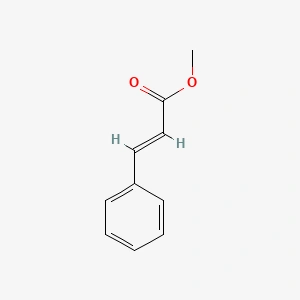
Methyl Cinnamate 103 26 4 Structure

Methyl cinnamate

Methyl cinnamate, identified by CAS number 103-26-4, is a methyl ester derived from cinnamic acid. It typically presents as a white to pale yellow crystalline solid with a distinctively sweet, balsamic, and fruity aroma that often carries notes of strawberry and cherry. This organic compound occurs naturally in several plant species, including certain types of
Methyl cinnamate Read More »

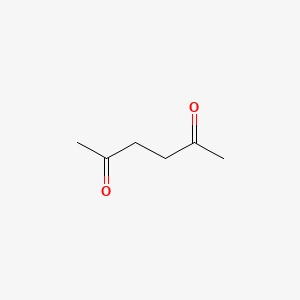
2 5 Hexanedione 110 13 4 Structure

2,5-Hexanedione

2,5-Hexanedione, commonly referred to as acetonylacetone, is a clear to light yellow liquid organic compound belonging to the 1,4-diketone family. Identified by CAS number 110-13-4, this versatile chemical serves as a critical building block in organic chemistry due to its distinct bifunctional structure. It exhibits high solubility in both water and common organic solvents, making

2,5-Hexanedione Read More »

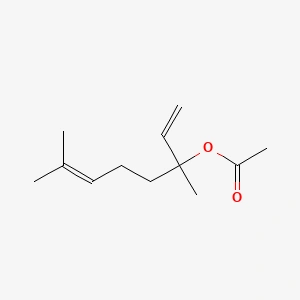
LINALYL ACETATE 115 95 7 Structure

LINALYL ACETATE

Linalyl acetate, identified by CAS 115-95-7, is a prominent phytochemical and the acetate ester of linalool. It is a colorless to pale yellow liquid naturally found in numerous essential oils, most notably lavender and bergamot. Characterized by its sweet, fruity, and distinctly floral aroma, this monoterpene ester serves as a foundational component in the creation

LINALYL ACETATE Read More »

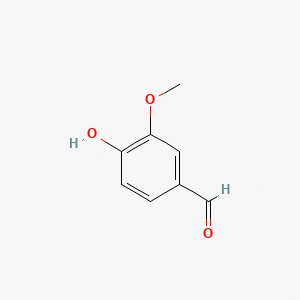
Vanillin 121 33 5 Structure

vanillin

Vanillin, chemically identified by CAS number 121-33-5, is a primary component of the extract of the vanilla bean and is recognized as a fundamental phenolic aldehyde. It typically presents as a white to pale yellow crystalline powder or needle-like crystals, characterized by a distinctively sweet, creamy, and aromatic profile. As a versatile organic compound, it

vanillin Read More »

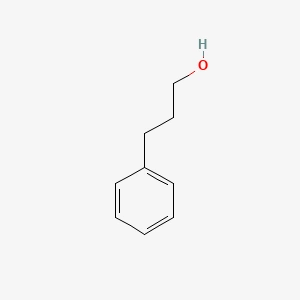
Alverine Citrate EP Impurity B 122 97 4 Structure

Alverine Citrate EP Impurity B

3-Phenyl-1-propanol, identified by CAS number 122-97-4, is a primary aromatic alcohol characterized by its distinct floral and balsamic odor. In the pharmaceutical sector, it is recognized as Alverine Citrate EP Impurity B, serving as a critical reference standard for quality control and analytical testing. The molecule consists of a phenyl ring attached to a propanol

Alverine Citrate EP Impurity B Read More »

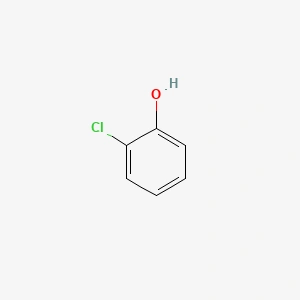
O Chlorophenic Acid 95 57 8 Structure

o-Chlorophenic acid

o-Chlorophenic acid, also known as 2-chlorophenol, is an organochlorine compound characterized by a chlorine atom substituted at the ortho position of the phenol ring. It typically appears as a colorless to light amber liquid with a distinct, penetrating odor. As a versatile chemical building block, it exhibits the reactive properties of both phenols and aryl

o-Chlorophenic acid Read More »

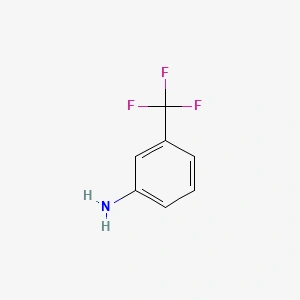
3 Trifluoromethyl Aniline 98 16 8 Structure

3-(Trifluoromethyl)aniline

3-(Trifluoromethyl)aniline, commonly referred to as m-aminobenzotrifluoride, is a clear to pale yellow liquid that serves as a vital aromatic amine in chemical synthesis. Characterized by the presence of a trifluoromethyl group at the meta position of the aniline ring, this compound exhibits unique electronic properties that distinguish it from unsubstituted anilines. It is recognized for

3-(Trifluoromethyl)aniline Read More »

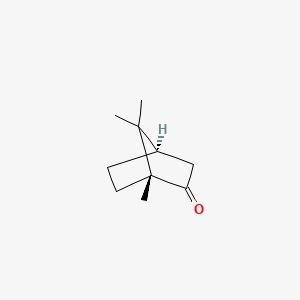
D Camphor 464 49 3 Structure

D-(+)-Camphor

D-(+)-Camphor, identified by CAS 464-49-3, is a naturally occurring bicyclic monoterpene ketone characterized by its distinct, penetrating aroma and waxy, crystalline appearance. As a dextrorotatory isomer, it is primarily derived from the wood of the camphor laurel tree or synthesized from pinene. It possesses unique physical properties, including the ability to sublime at room temperature

D-(+)-Camphor Read More »

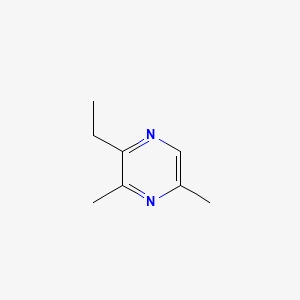
Pyrazine 2 Ethyl 3 5 Dimethyl 13925 07 0 Structure

Pyrazine, 2-ethyl-3,5-dimethyl-

2-Ethyl-3,5-dimethylpyrazine, identified by CAS number 13925-07-0, is a heterocyclic organic compound belonging to the alkylpyrazine family. It typically presents as a clear to pale yellow liquid and is characterized by its potent and distinctive organoleptic profile. This chemical is highly valued for its ability to replicate complex roasted and nutty aromatic notes, making it a

Pyrazine, 2-ethyl-3,5-dimethyl- Read More »

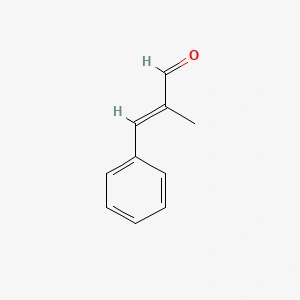
Alpha Methyl Trans Cinnamaldehyde 101 39 3 Structure

alpha-Methyl-trans-cinnamaldehyde

alpha-Methyl-trans-cinnamaldehyde, identified by CAS number 101-39-3, is a prominent aromatic aldehyde characterized by its distinctively sweet, spicy, and balsamic odor profile. Often appearing as a pale yellow to yellow liquid, this compound is structurally related to cinnamaldehyde but features a methyl group at the alpha position, which modifies its olfactory properties and chemical reactivity. It

alpha-Methyl-trans-cinnamaldehyde Read More »

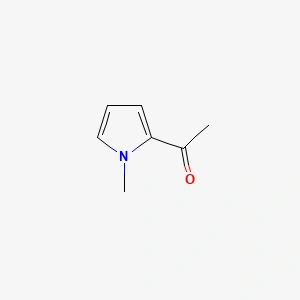
2 Acetyl 1 Methylpyrrole 932 16 1 Structure

2-Acetyl-1-methylpyrrole

2-Acetyl-1-methylpyrrole, identified by CAS number 932-16-1, is a substituted heterocyclic organic compound belonging to the pyrrole family. It is characterized by an acetyl group at the 2-position and a methyl group on the nitrogen atom of the pyrrole ring. This structural configuration imparts unique electronic properties and reactivity, making it a valuable building block in

2-Acetyl-1-methylpyrrole Read More »

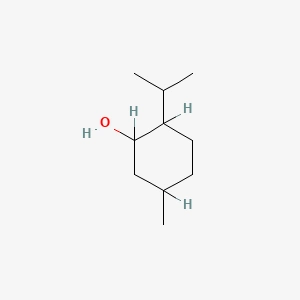
MENTHOL UNSPECIFIED FORM 89 78 1 Structure

MENTHOL, UNSPECIFIED FORM

Menthol, identified by CAS 89-78-1, is a prominent cyclic terpene alcohol known for its distinct minty aroma and characteristic cooling sensation. It typically appears as a waxy, crystalline substance that is solid at room temperature but melts slightly above it. As a versatile organic compound, it is widely utilized across various industrial sectors due to

MENTHOL, UNSPECIFIED FORM Read More »

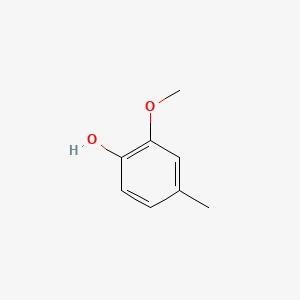
2 Methoxy 4 Methylphenol 93 51 6 Structure

2-Methoxy-4-Methylphenol

2-Methoxy-4-Methylphenol, commonly known as creosol, is an aromatic organic compound characterized by its distinct phenolic structure featuring both methoxy and methyl substituents. As a key component found in wood smoke and various essential oils, it presents as a colorless to pale yellow liquid or solid at room temperature. Its chemical profile is defined by a

2-Methoxy-4-Methylphenol Read More »

Citronella Oil 8000 29 1 Structure 1024x768

Citronella Oil

Citronella oil, identified by CAS number 8000-29-1, is a versatile essential oil derived primarily from the steam distillation of Cymbopogon grasses, such as Cymbopogon nardus or Cymbopogon winterianus. Characterized by its pale yellow to yellowish-brown appearance and a distinctively fresh, woody, and citrus-like aroma, this complex mixture contains key bioactive constituents including citronellal, geraniol, and

Citronella Oil Read More »

White Camphor Oil 8008 51 3 Structure 1024x768

White Camphor Oil

White Camphor Oil, identified by CAS 8008-51-3, is a volatile essential oil obtained through the steam distillation of the wood and branches of the Cinnamomum camphora tree, followed by a meticulous rectification process. As the lightest fraction of the distillation process, this material is characterized by its clear to pale yellow appearance and a sharp,

White Camphor Oil Read More »

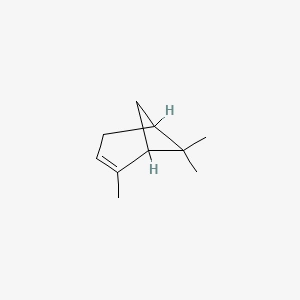
Alfa Pinene 80 56 8 Structure

alfa-Pinene

Alpha-pinene, identified by CAS 80-56-8, is a prominent bicyclic monoterpene and a primary constituent of turpentine oil derived from coniferous trees. This clear, colorless liquid is characterized by its distinctive woody, pine-like aroma and its high reactivity, which stems from its strained four-membered ring structure and functional double bond. As one of the most abundant

alfa-Pinene Read More »

REQUEST A QUOTE

Product Inquiry — Popup Form