Chapter 1: Introduction to Arbutin and Its Core Benefits
1.1. Ingredient Overview: What Exactly is Arbutin?
Arbutin is a glycoside active ingredient extracted from natural plants such as bearberry leaves, lingonberries, and wheat germ. It is globally recognized as a classic tyrosinase inhibitor.
The core reason skin darkens, develops spots, or retains acne marks is the overactivity of tyrosinase, which accelerates the synthesis and deposition of melanin. Arbutin precisely inhibits tyrosinase activity, blocking melanin production at the source to achieve a gentle brightening and fading effect on pigmentation.
The market primarily features two types:
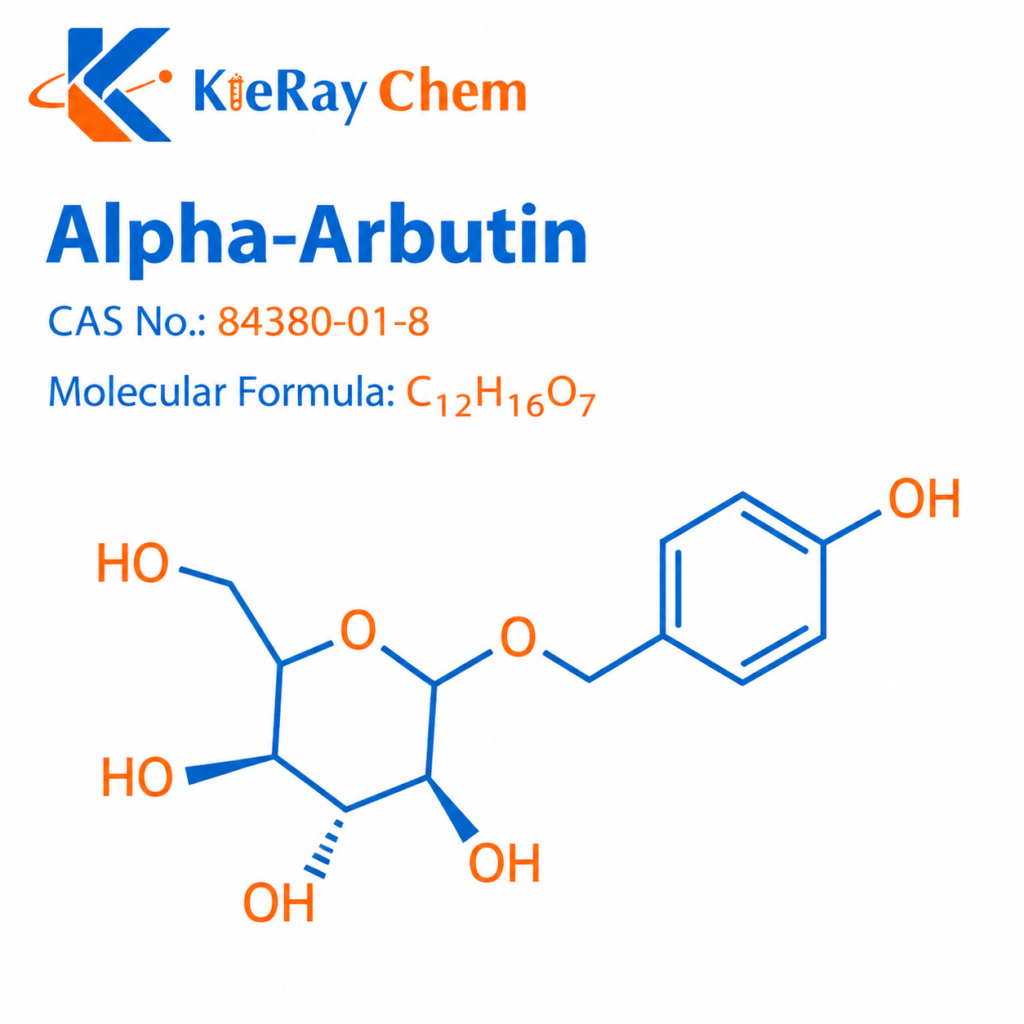
- Alpha-Arbutin (α-Arbutin, CAS No. 84380-01-8)
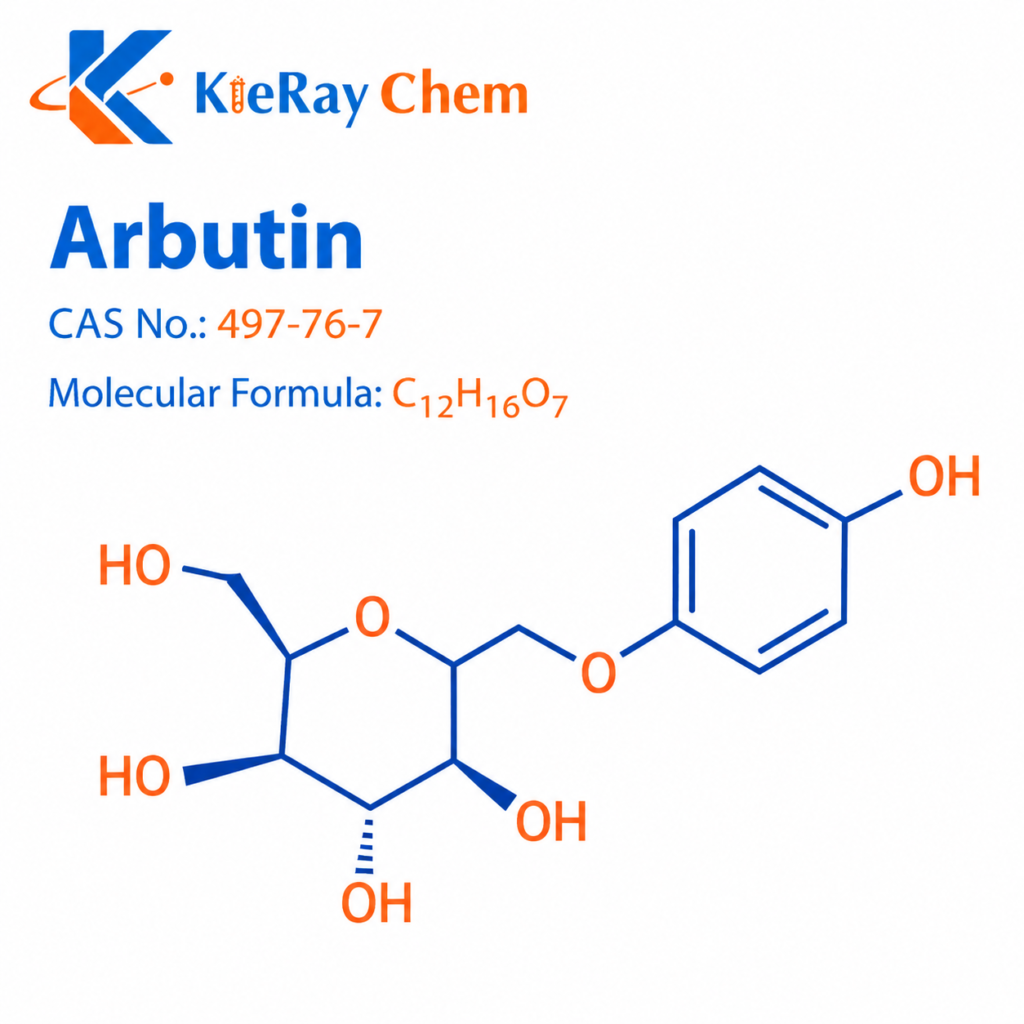
- Beta-Arbutin (β-Arbutin, CAS No. 497-76-7)
Among them, Alpha-Arbutin exhibits stronger activity and higher whitening efficiency, making it the preferred premium ingredient for mid-to-high-end brightening skincare products.
- Core Highlights: Naturally derived from plant extracts, gentle without exfoliating the stratum corneum, and non-disruptive to the skin barrier. It is safe for both sensitive skin and fragile post-sun skin.
1.2. Core Benefits: Brightening and Repairing All-in-One
- Anti-Sallowness & Brightening: Improves dullness and sallow skin tone caused by staying up late, removing the dull “grayish” look to restore a translucent and even complexion.
- Fading Marks & Spots: Targets black and red acne marks, sun spots, freckles, and post-inflammatory hyperpigmentation (PIH). Consistent use gradually fades these imperfections.
- Gentle with No Rebound: Its mechanism of action is mild and does not irritate the skin barrier, making melanin rebound unlikely after discontinuing use.
- Versatile & Stabilizing: Alcohol-free and non-irritating, it pairs well with most skincare formulas and rarely conflicts with other ingredients.
1.3. Suitable Skin Types and Target Audience
- Sensitive & Fragile Skin Barrier: The top choice for those who want to brighten their skin but fear using harsh chemical treatments.
- Dull & Sallow Skin: Ideal for people with uneven skin tones caused by sleep deprivation.
- Pigmentation Concerns: Perfect for skin types dealing with acne marks, dark spots, and hyperpigmentation.
- Skincare Beginners: An excellent entry-level ingredient for those starting their brightening journey.
- Incompatible Skin Types: A great alternative for individuals intolerant to Niacinamide or Pure Vitamin C (L-Ascorbic Acid). [1]
Chapter 2: Biological Mechanism of Action
2.1 The Core Target: Tyrosinase Inhibition
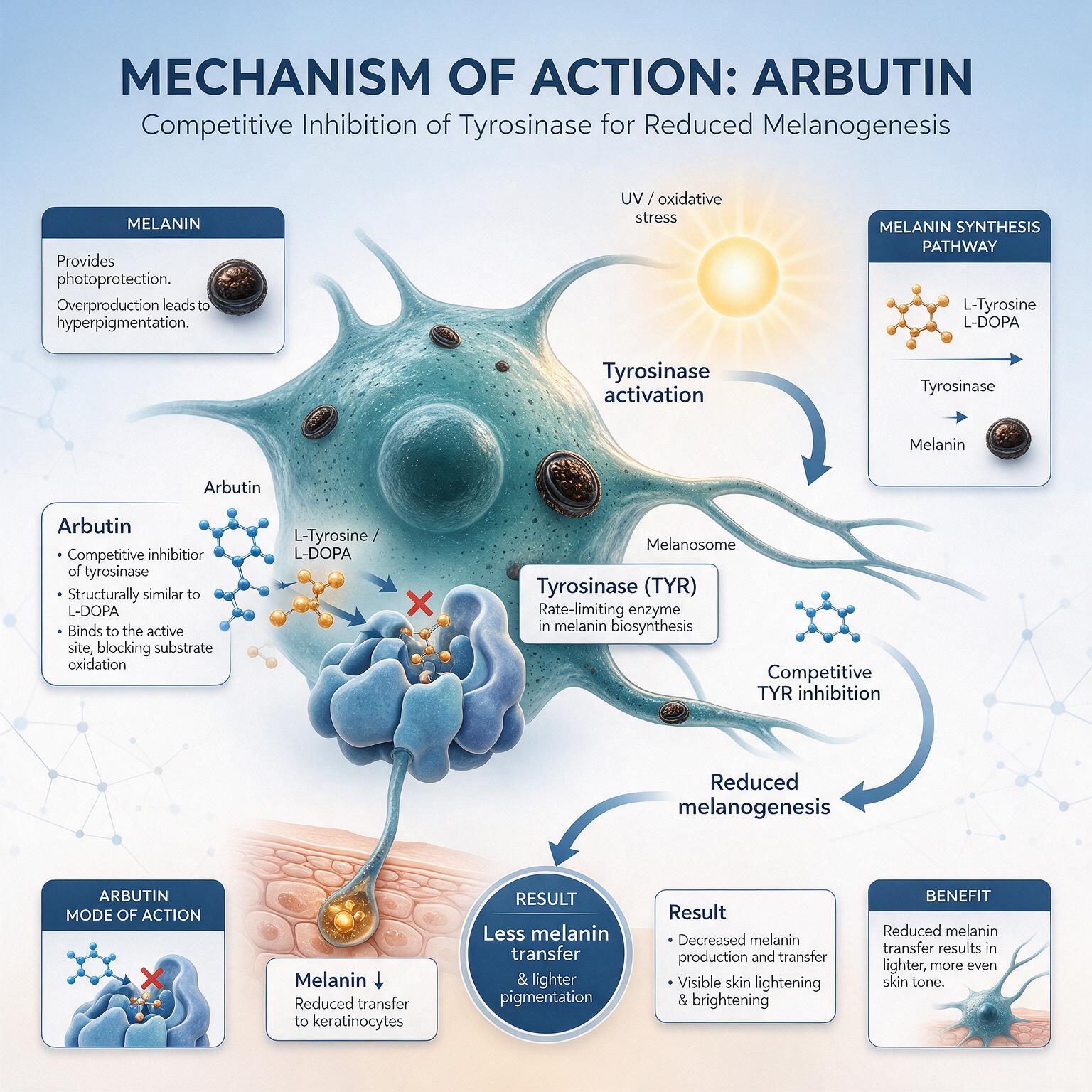
The primary pathway for skin pigmentation is the activation of tyrosinase, a rate-limiting enzyme that catalyzes the conversion of the amino acid L-tyrosine into dopa, and subsequently into dopaquinone, leading to melanin synthesis.
Arbutin acts as a competitive inhibitor of tyrosinase. Due to its structural similarity to tyrosine, arbutin binds to the active site of the enzyme. This binding effectively blocks tyrosine from entering the catalytic pocket, thereby halting downstream melanin production without altering the gene expression or total amount of the enzyme itself.
2.2 Functional Disparity: Alpha-Arbutin vs. Beta-Arbutin
While both molecules inhibit melanin production, their biological efficiency differs significantly due to their stereochemical structures:
- Alpha-Arbutin (α-Arbutin): Features an α-glucosidic linkage. It exhibits an inhibitory intensity approximately 10 times higher than that of Beta-Arbutin. It binds more precisely to the human tyrosinase active site, providing rapid and potent skin-lightening efficacy at lower concentrations.
- Beta-Arbutin (β-Arbutin): Features a β-glucosidic linkage. Its binding affinity is lower, requiring higher concentrations to achieve comparable brightening effects, making it more common in mass-market formulations.
2.3 Upstream and Downstream Pathway Regulation
Beyond direct enzyme inhibition, arbutin regulates the broader melanogenesis cascade:
- Melanosome Transport Interruption: It partially interferes with the intracellular trafficking of melanosomes from melanocytes to surrounding keratinocytes, limiting the visible distribution of pigment on the skin surface.
- Post-Inflammatory Pigmentation (PIH) Mitigation: By suppressing localized oxidative stress and inflammatory signaling that upregulates tyrosinase activity, arbutin prevents the formation of dark spots following acne breakouts or UV exposure.
Chapter 3: Synergistic Ingredient Pairings and Formulations
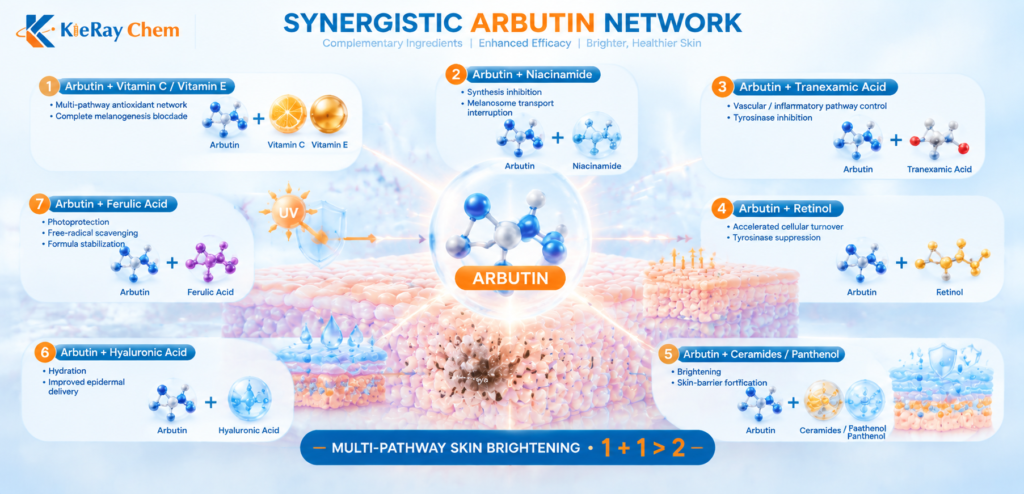
To maximize the efficacy of Arbutin while maintaining optimal skin barrier health, formulating it with complementary active ingredients can yield a powerful “1+1>2” synergistic effect. This chapter provides an analytical overview and detailed biochemical breakdown of the premier ingredient combinations optimized for high-end skincare systems.
3.1 Overview of Synergistic Pairings
Pairings Core Biological Synergy Target Skin Concerns Target Audience
Arbutin + Vitamin C / E Multi-pathway antioxidant network & complete melanogenesis blockade. UV-induced damage, stubborn sun spots, severe oxidative dullness. Photo-aged and hyperpigmented skin types.
Arbutin + Niacinamide Dual-stage pathway blockade (Synthesis Inhibition + Transport Interruption). Stubborn discoloration, uneven skin tone, yellow tones. Tolerant skin seeking high-efficiency whitening.
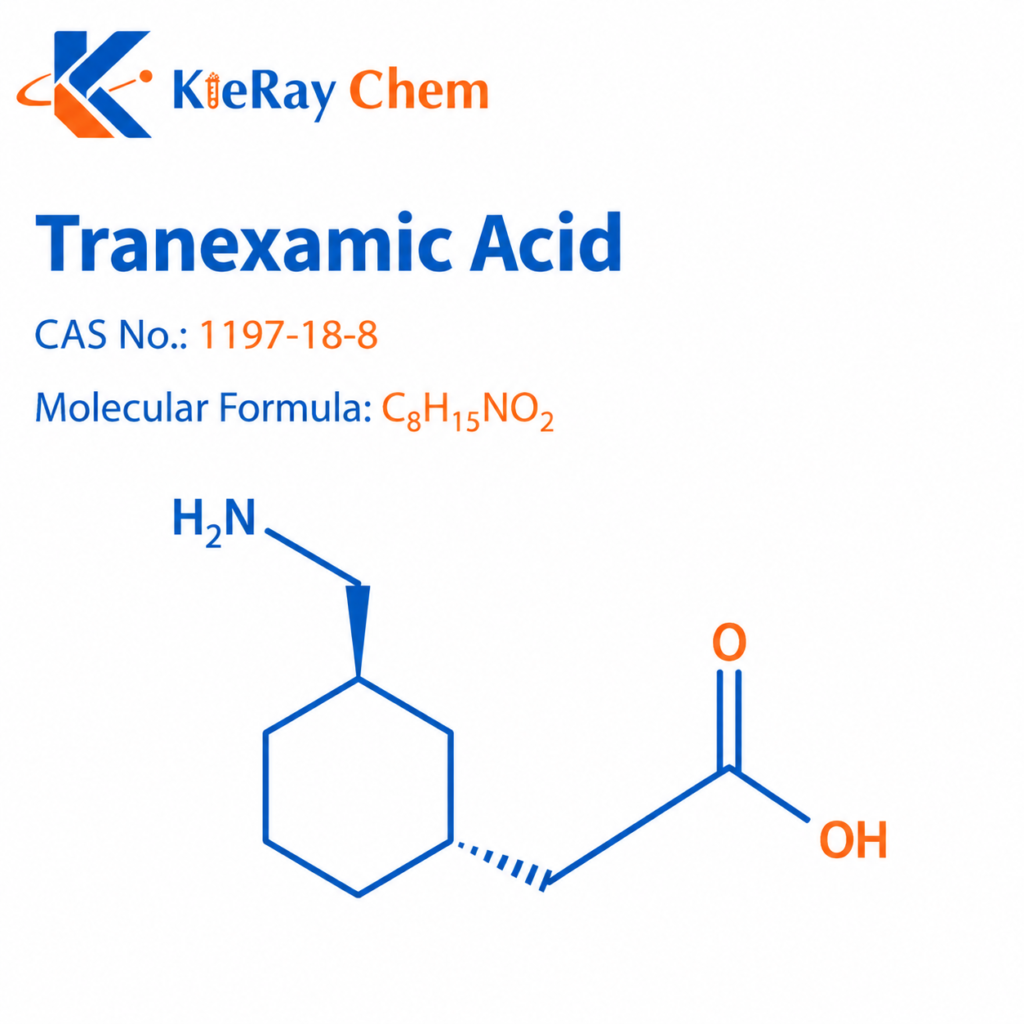
Arbutin + Tranexamic Acid Mitigates vascular-driven pigmentation and inflammatory pathways. Melasma, stubborn post-acne redness (PIE), red-brown spots. Skin prone to chronic redness and vascular dark spots.
Arbutin + Retinol Accelerated cellular turnover coupled with tyrosinase suppression. Structural wrinkles, loose skin, dark spots, acne scars. Anti-aging consumers and mature skin types.
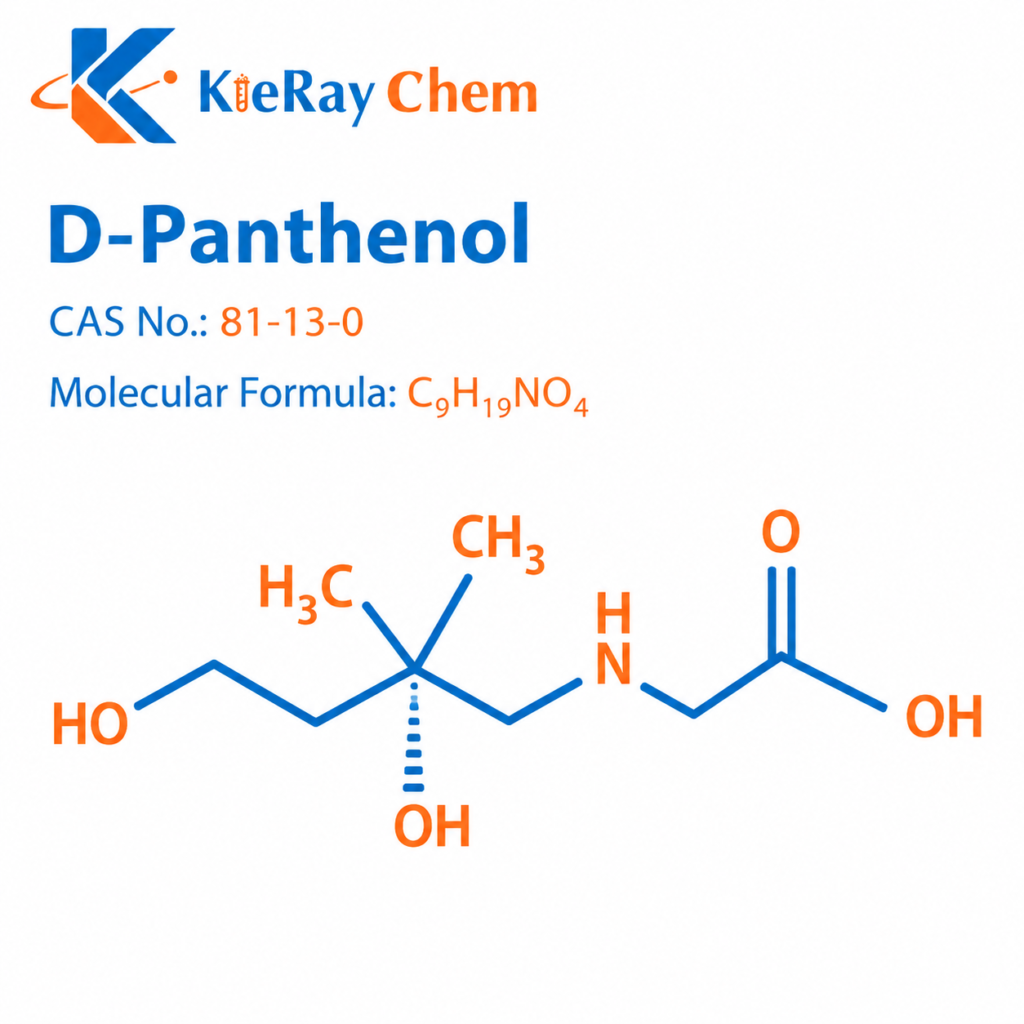
Arbutin + Ceramides / Panthenol Concurrently inhibits tyrosinase while fortifying intracellular lipids. Post-inflammatory hyperpigmentation (PIH), erythema. Sensitive skin and compromised skin barriers.
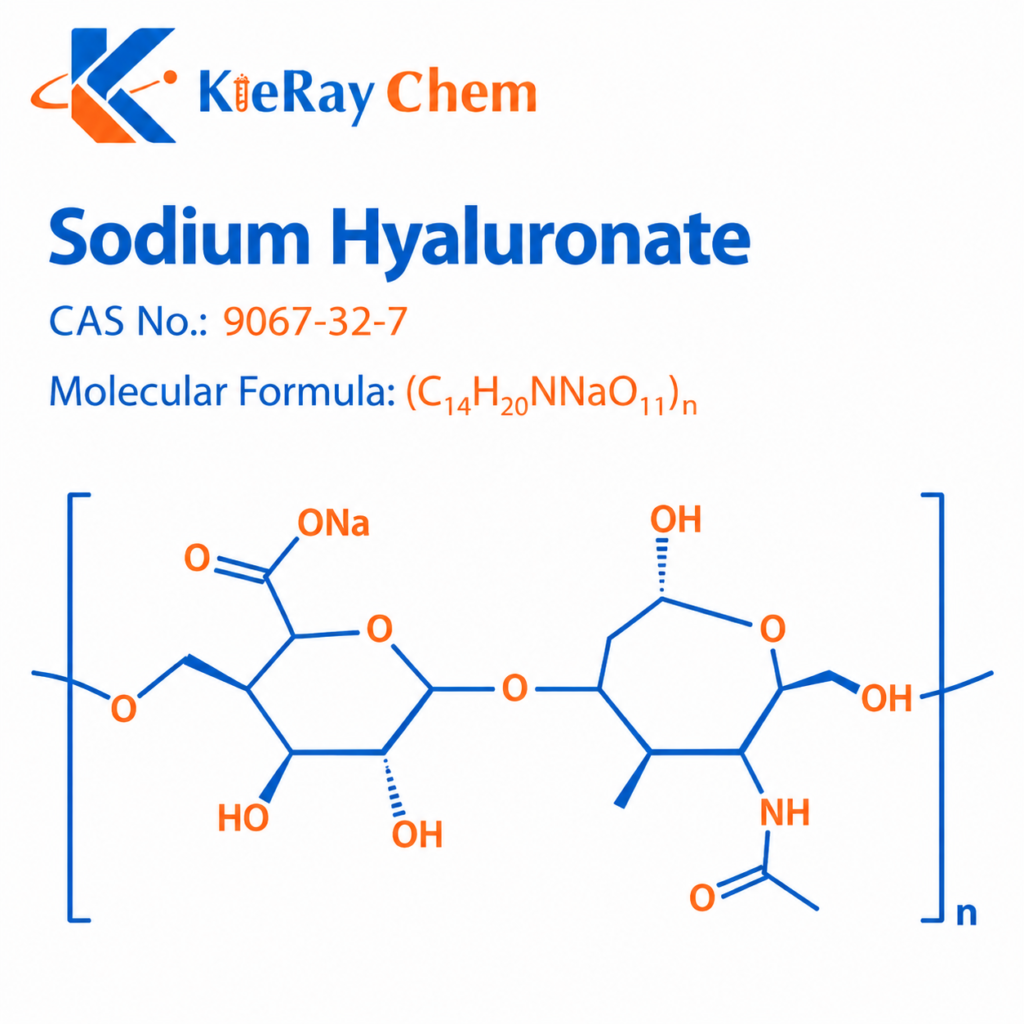
Arbutin + Hyaluronic Acid Improves cellular hydration and optimizes ingredient epidermal delivery. Dehydrated skin, fine dry lines, sallow complexion. All skin types, particularly dry and lackluster skin.
Arbutin + Ferulic Acid Photoprotective stabilization and enhanced free-radical scavenging. Chronic photo-damage, urban pollution dullness, age spots. City dwellers and skin exposed to environmental stress.
3.2 Deep-Dive into Advanced Combinations
3.2.1 Arbutin + Vitamin C or Vitamin E: The Advanced Antioxidant Network
This combination establishes a comprehensive defense system against hyperpigmentation by targeting multiple stages of the melanin synthesis pathway.
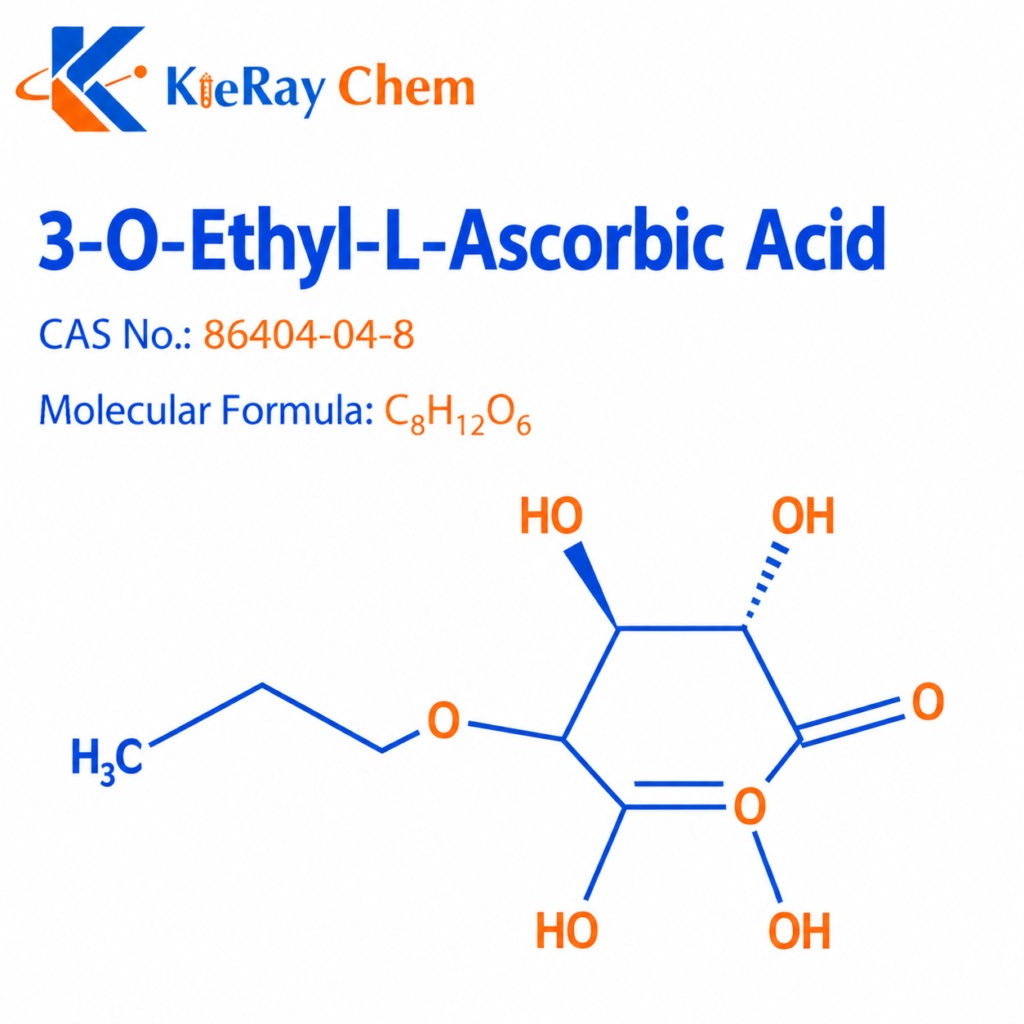
- Biochemical Mechanism: While Arbutin directly occupies the catalytic pocket of tyrosinase to stop melanin production, Vitamin C (L-Ascorbic Acid, CAS No. 50-81-7 / Magnesium Ascorbyl Phosphate, CAS No. 113170-55-1) works as a powerful reducing agent. It reverts pre-formed dopaquinone back to dopa, and directly lightens existing dark pigments. When Vitamin E (Tocopherol, CAS No. 59-02-9 / Tocopheryl Acetate, CAS No. 7695-91-2) is added, it lipophilically scavenges free radicals within cell membranes, forming a self-regenerating antioxidant cycle with Vitamin C.
- Core Benefit: Delivers a complete, multi-tiered brightening strategy that aggressively reverses photo-aging and prevents future UV-induced pigmentation.
3.2.2 Arbutin + Niacinamide (Vitamin B3): The Dual-Stage Pathway Blockade
This combination represents one of the most comprehensive approaches to skin lightening by blocking melanin at two distinct cellular stages.
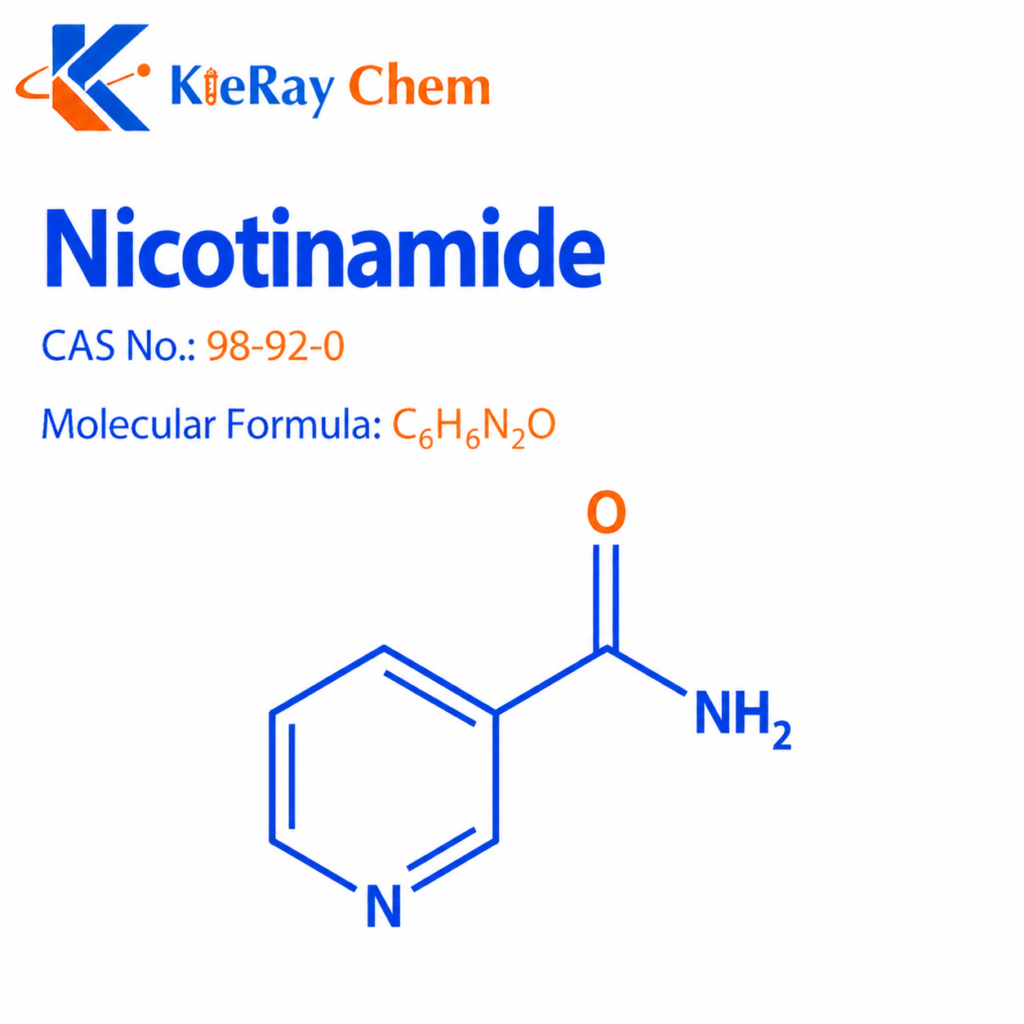
- Biochemical Mechanism: While Arbutin works upstream within the melanocytes to inhibit tyrosinase activity and stop melanin from being synthesized, Niacinamide (CAS No. 98-92-0) operates downstream. It effectively blocks the transfer of synthesized melanin (via melanosomes) from melanocytes to the surrounding keratinocytes on the skin surface.
- Core Benefit: Creates an end-to-end barrier against pigmentation, ensuring that even if any melanin escapes Arbutin’s upstream inhibition, it cannot reach the visible surface of the skin.
3.2.3 Arbutin + Tranexamic Acid: The Anti-Inflammatory Pigment Corrector
This combination is specifically designed for complex, deep-seated pigmentation that is closely linked to vascular irritation and chronic micro-inflammation.
- Biochemical Mechanism: Tranexamic Acid (CAS No. 1197-18-8) is a powerful anti-plasmin agent that suppresses the plasminogen/plasmin pathway. By doing so, it dampens the inflammatory mediators (like prostaglandins) that trigger both angiogenesis (blood vessel growth) and melanogenesis. When paired with Arbutin’s direct enzymatic inhibition, the two ingredients tackle both the inflammatory/vascular triggers and the chemical synthesis of pigment.
- Core Benefit: Highly effective at treating stubborn conditions like melasma and post-inflammatory erythema (PIE), safely clearing away mixed red-and-brown discoloration without triggering rebound hyperpigmentation.
3.2.4 Arbutin + Retinol (Vitamin A): The Resurfacing and Brightening Powerhouse
This pairing targets both the structural and pigmentary signs of aging, making it an excellent choice for comprehensive skin rejuvenation.
- Biochemical Mechanism: Retinol (CAS No. 68-26-8) accelerates epidermal cell turnover by stimulating mitosis in the basal layer. This rapid shedding forces existing, melanin-packed keratinocytes to slough off much faster. Simultaneously, Arbutin continuously supplies tyrosinase inhibitors to ensure that the newly formed skin cells migrating to the surface are bright and evenly toned.
- Core Benefit: Dramatically speeds up the fading of stubborn dark spots and acne scars while smoothing out fine lines and improving skin texture.
3.2.5 Arbutin + Ceramides or Panthenol (Vitamin B5): Brightening with Barrier Fortification
This pairing offers a highly safe and non-irritating pathway to uniform skin tone by protecting the stratum corneum.
- Biochemical Mechanism: High-potency brightening ingredients can sometimes stress vulnerable skin. Ceramides (e.g., Ceramide NP, CAS No. 100403-19-8 / Ceramide AP, CAS No. 100403-20-1) replenish the essential intercellular lipid matrix, reconstructing the structural integrity of the skin barrier. Concurrently, Panthenol (Pro-Vitamin B5, CAS No. 81-13-0 / D-Panthenol, CAS No. 81-13-0) stimulates fibroblast proliferation, accelerating cellular repair and suppressing the release of pro-inflammatory cytokines that trigger melanocyte activation.
- Core Benefit: Achieves profound skin brightening and fades dark spots while ensuring complete skin stability and reducing redness.
3.2.6 Arbutin + Hyaluronic Acid (HA): Deep Hydration and Radiance Amplification
This formulation relies on deeply hydrating the extracellular matrix to maximize the visual clarity and radiance of the skin.
- Biochemical Mechanism: Hyaluronic Acid (Sodium Hyaluronate, CAS No. 9067-32-7) acts as an exceptional humectant, cross-linking within the epidermal layers to swell the keratinocytes with moisture. This optimal hydration profile drastically reduces the scattering of light on the skin surface, instantly diminishing a sallow appearance. Furthermore, a well-hydrated epidermis lowers chemical resistance, allowing Arbutin to penetrate evenly into the basal layer where melanocytes reside.
- Core Benefit: Delivers an immediate plump, dewy, and luminous complexion while facilitating a highly efficient delivery system for Arbutin.
3.2.7 Arbutin + Ferulic Acid: Advanced Botanical Photoprotection
This pairing leverages organic plant compounds to maximize environmental defense and maintain chemical stability.
- Biochemical Mechanism: Ferulic Acid (CAS No. 1135-24-6) is a potent phenolic antioxidant that neutralizes free radicals caused by UV rays and pollution, which would otherwise trigger inflammatory cascades that activate tyrosinase. Furthermore, when formulated alongside Arbutin, Ferulic Acid serves as an exceptional stabilizer, protecting the arbutin molecule from oxidation and degradation caused by exposure to ambient light and air.
- Core Benefit: Provides advanced daytime defense against environmental aging while keeping the entire brightening formula highly stable and active over time.
Chapter 4: Formulation Constraints and Stability Guidelines
4.1 Stability Risks: Prevention of Hydroquinone Degradation
The primary chemical constraint when formulating with Arbutin is preventing its hydrolysis into Hydroquinone (CAS No. 123-31-9). Hydroquinone is a powerful skin-depigmenting agent that is strictly regulated or prohibited in over-the-counter cosmetics globally due to its potential side effects, such as ochronosis and severe skin irritation.
Because Arbutin is a glycosylated hydroquinone derivative, the glycosidic bond can break down under unstable environmental conditions, releasing free hydroquinone into the formulation.
4.2 Core Formulation Constraints
4.2.1 Critical pH Window
The stability of Arbutin is highly dependent on the pH of the vehicle system.
- The Safe Range: Formulations containing Arbutin must maintain a strict pH level between 3.5 and 6.5.
- Acidic Hydrolysis: If the pH drops below 3.5, the glycosidic bond undergoes acid-catalyzed cleavage, rapidly accelerating the accumulation of hydroquinone.
- Alkaline Discoloration: If the pH rises above 6.5, the phenolic hydroxyl groups within the molecule become prone to oxidation, leading to product discoloration (turning yellow or brown) and a loss of efficacy.
4.2.2 Temperature and Light Sensitivity
- Thermal Threshold: Arbutin is heat-sensitive. During the manufacturing process, it should be added during the post-emulsification cooling phase at temperatures below 40°C (104°F). Prolonged exposure to high temperatures accelerates chemical degradation.
- Photolytic Prevention: Exposure to ultraviolet (UV) radiation can trigger photolysis. Finished products must be housed in opaque, dark, or amber glass packaging, or airless containers to shield the formula from ambient light and oxygen.
4.2.3 Enzyme Incompatibility
- Avoiding Glucosidases: Arbutin must not be combined with biological ingredients, plant extracts, or fermentation filtrates that contain active (\beta )-glucosidases. These enzymes specifically hydrolyze glucose bonds, immediately converting arbutin into hydroquinone within the bottle.
4.3 Common Myths vs. Dermatological Realities
Myth 1: “Arbutin causes photosensitivity and can only be used at night.”
- The Reality: Arbutin is not photosensitive in the same manner as Retinol or certain essential oils. It does not cause a phototoxic reaction on the skin. It can be safely used during the day to help neutralize oxidative stress from UV rays.
- The Clarification: The misunderstanding stems from its parent compound, hydroquinone, which requires strict sun avoidance. However, it is still highly recommended to pair daytime Arbutin application with a broad-spectrum sunscreen to prevent UV rays from overriding the brightening benefits.
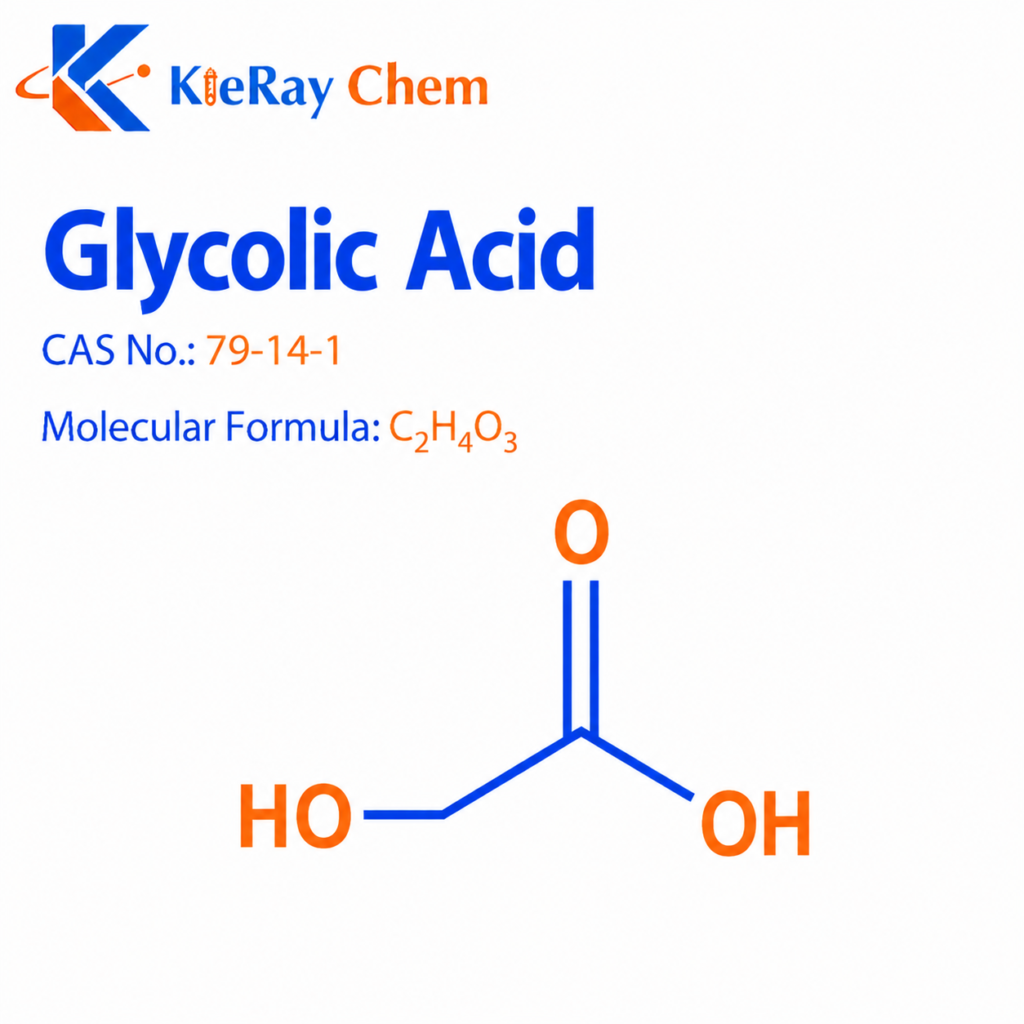
Myth 2: “Mixing Arbutin with Salicylic Acid or Glycolic Acid creates a super-brightening booster.”
- The Reality: Mixing them directly can ruin the product’s stability. High-concentration AHA (Glycolic Acid, CAS No. 79-14-1) or BHA (Salicylic Acid, CAS No. 69-72-7) chemical exfoliants typically operate at a low pH environment (around 3.0 to 3.5).
- The Clarification: Introducing Arbutin into a low-pH matrix breaks down the molecule. If you want to use both, they should be applied in separate routines or formatted in separate steps where the skin’s pH can rebalance in between.
Myth 3: “Higher concentrations of Arbutin yield faster and better results.”
- The Reality: Cosmetic safety regulations strictly limit Arbutin concentrations. For Alpha-Arbutin, the safe and effective concentration ceiling in face creams is typically 2% (and up to 7% for Beta-Arbutin).
- The Clarification: Exceeding these limits does not improve efficacy. Instead, excessive concentrations drastically increase the risk of localized skin irritation and raise the probability of accidental hydroquinone exposure on the skin surface.