
Chapter 1: Introduction to Rubber Accelerators
Rubber accelerators are essential chemical compounds used in the rubber industry to speed up the vulcanization process and improve the physical properties of the final product. Without these catalysts, the cross-linking of rubber molecules with sulfur would take hours, require exceptionally high temperatures, and yield a material with inconsistent durability. The introduction of accelerators revolutionized rubber manufacturing by reducing curing times to minutes, lowering energy consumption, and enhancing the tensile strength, elasticity, and aging resistance of commercial rubber products.
1.1 Key Roles and Applications
Rubber accelerators serve multiple critical functions in compound formulation:
- Reaction Catalysis: They significantly lower the activation energy required for sulfur cross-linking.
- Property Optimization: They directly influence the rubber’s flexibility, heat buildup, and tensile strength by controlling the type of sulfur cross-links formed.
- Scorching Control: Modern delayed-action accelerators prevent “scorch”—the premature vulcanization of the rubber compound during mixing or extrusion.
These compounds are indispensable in manufacturing everyday products, including automotive tires, conveyor belts, footwear, medical gloves, seals, and hoses.
1.2 Chemical Classifications and Representative Products
Rubber accelerators are primarily categorized based on their chemical structures and their specific curing behaviors. Below are the major classes along with their representative industrial products:

1.2.1 Thiazoles
Thiazoles are foundational accelerators that offer a moderate curing speed and excellent aging characteristics, though they have relatively poor scorch resistance.
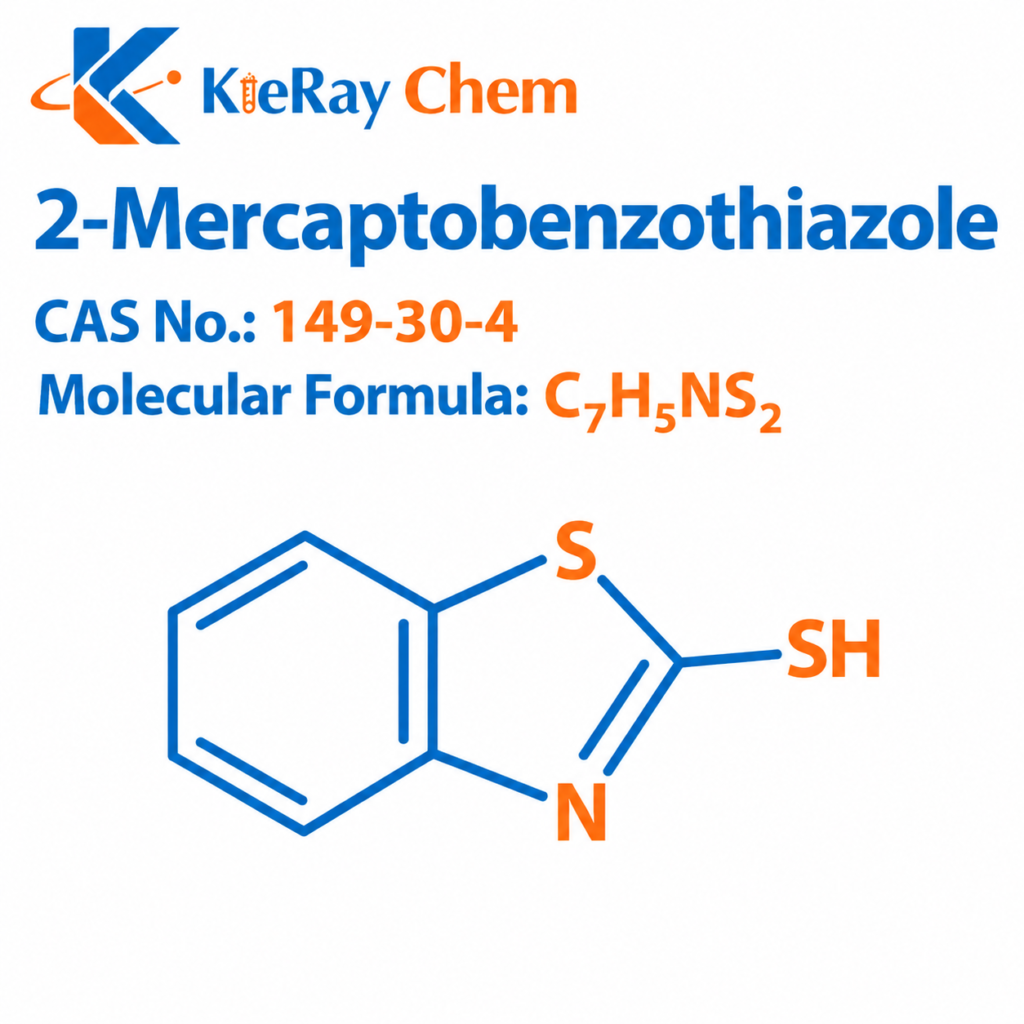
- MBT (2-Mercaptobenzothiazole) | CAS 149-30-4
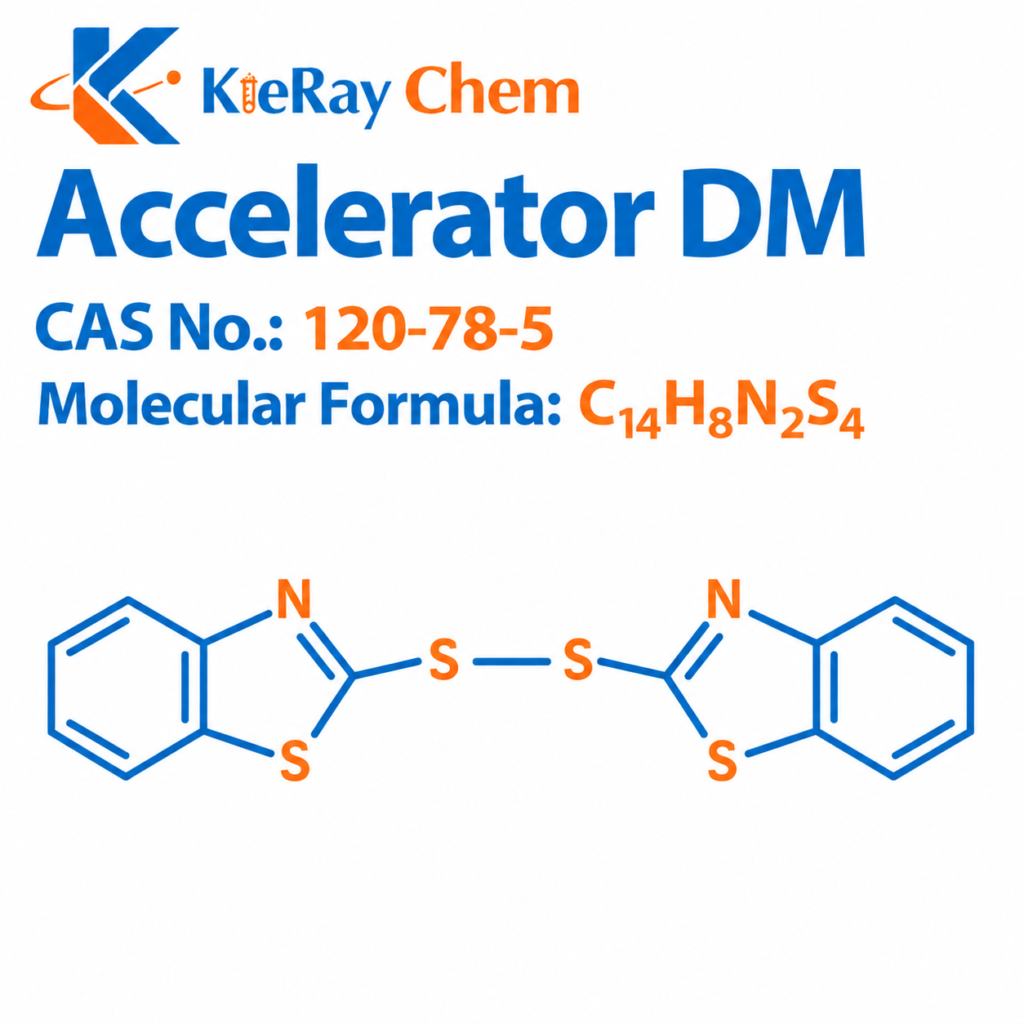
A universally used primary accelerator providing rapid vulcanization, high modulus, and excellent aging resistance in both natural and synthetic rubbers. - MBTS (Dibenzothiazole disulfide) | CAS 120-78-5
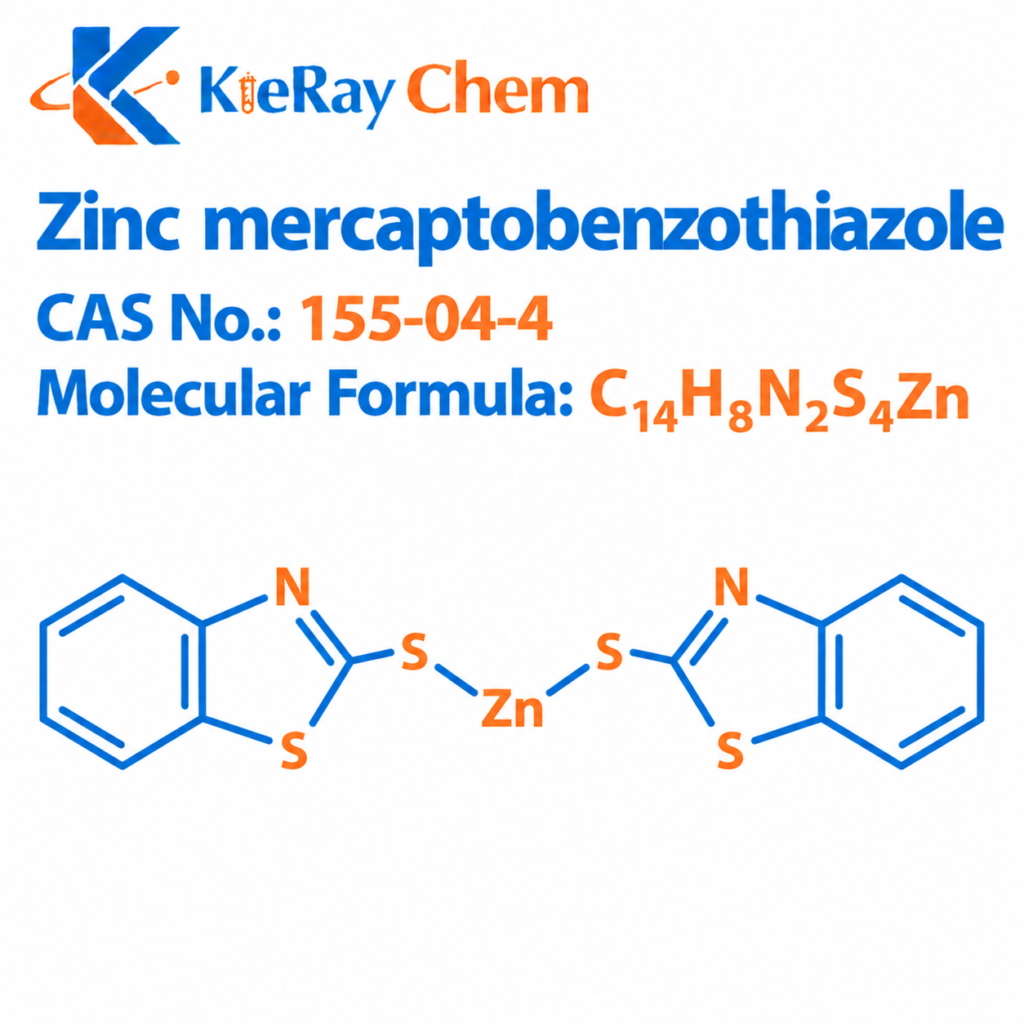
A general-purpose accelerator offering better scorch safety than MBT, widely applied in tires, mechanical goods, and footwear manufacturing. - ZMBT (Zinc 2-mercaptobenzothiazole) | CAS 155-04-4
A secondary accelerator used mainly in latex and dry rubber compounding, providing fast curing at higher temperatures with minimal discoloration.
1.2.2 Sulfenamides
Sulfenamides represent the most widely used class in modern tire manufacturing due to their delayed-action characteristics, providing excellent scorch safety during processing followed by rapid vulcanization.
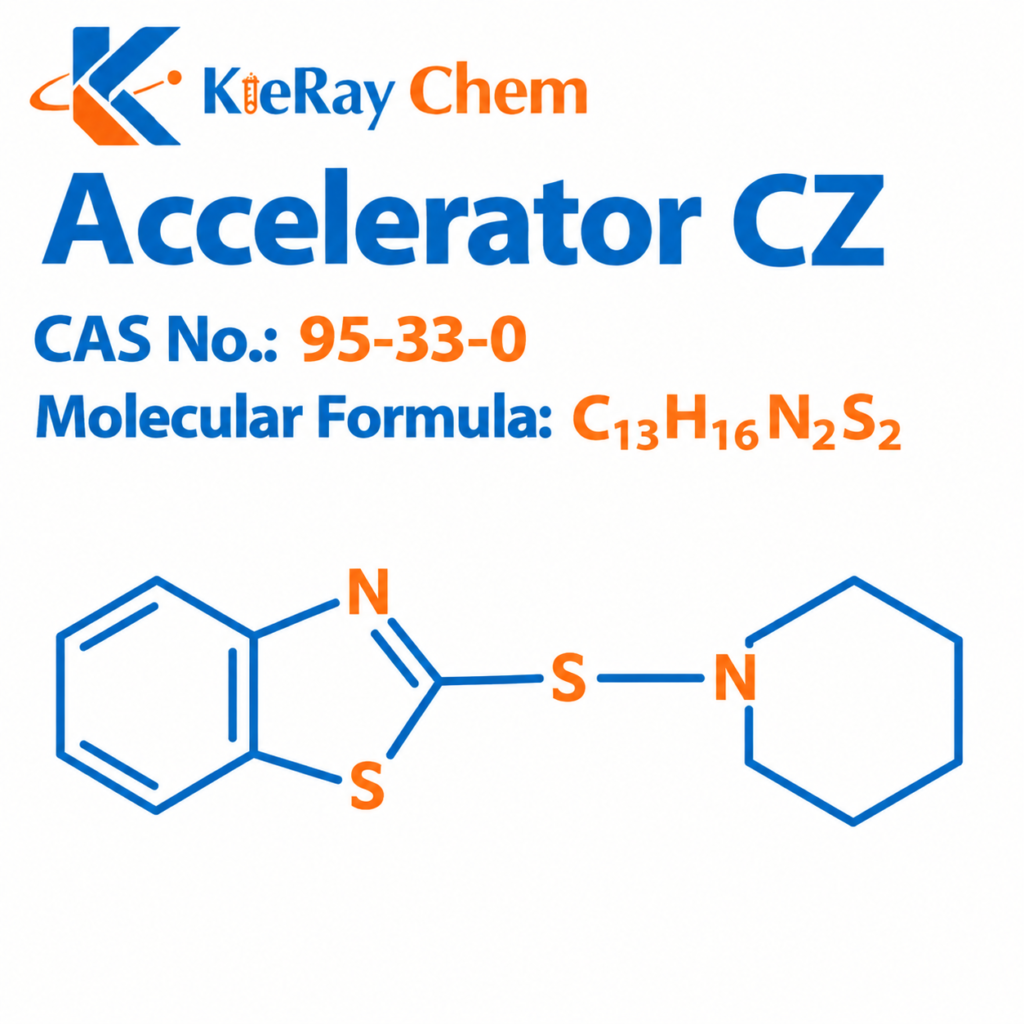
- CBS (N-Cyclohexyl-2-benzothiazole sulfenamide) | CAS 95-33-0
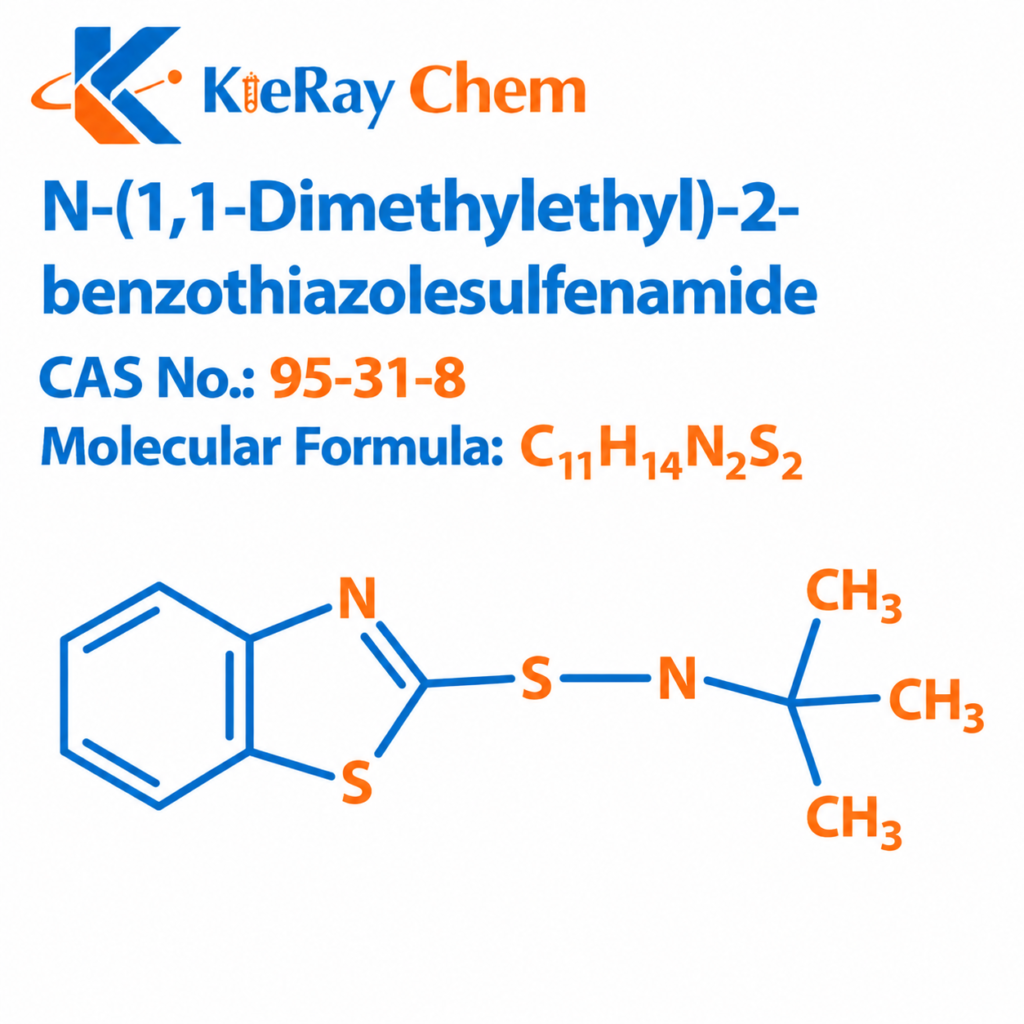
A highly active delayed-action accelerator providing optimal scorch resistance and high modulus in tire treads and mechanical rubber parts. - TBBS (N-tert-Butyl-2-benzothiazole sulfenamide) | CAS 95-31-8
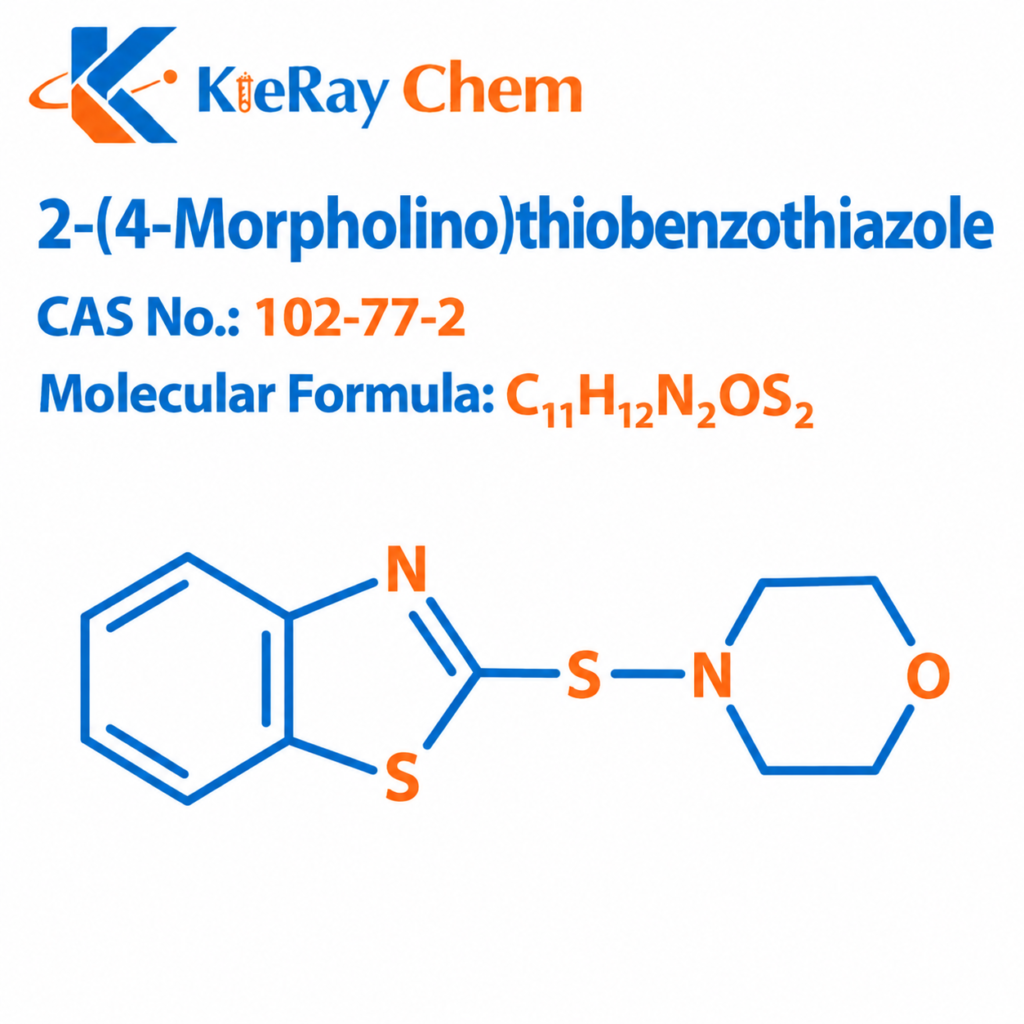
An efficient delayed-action accelerator offering excellent scorch safety and high cure efficiency, commonly used as a replacement for CBS. - MBS (N-Oxydiethylene-2-benzothiazole sulfenamide) | CAS 102-77-2
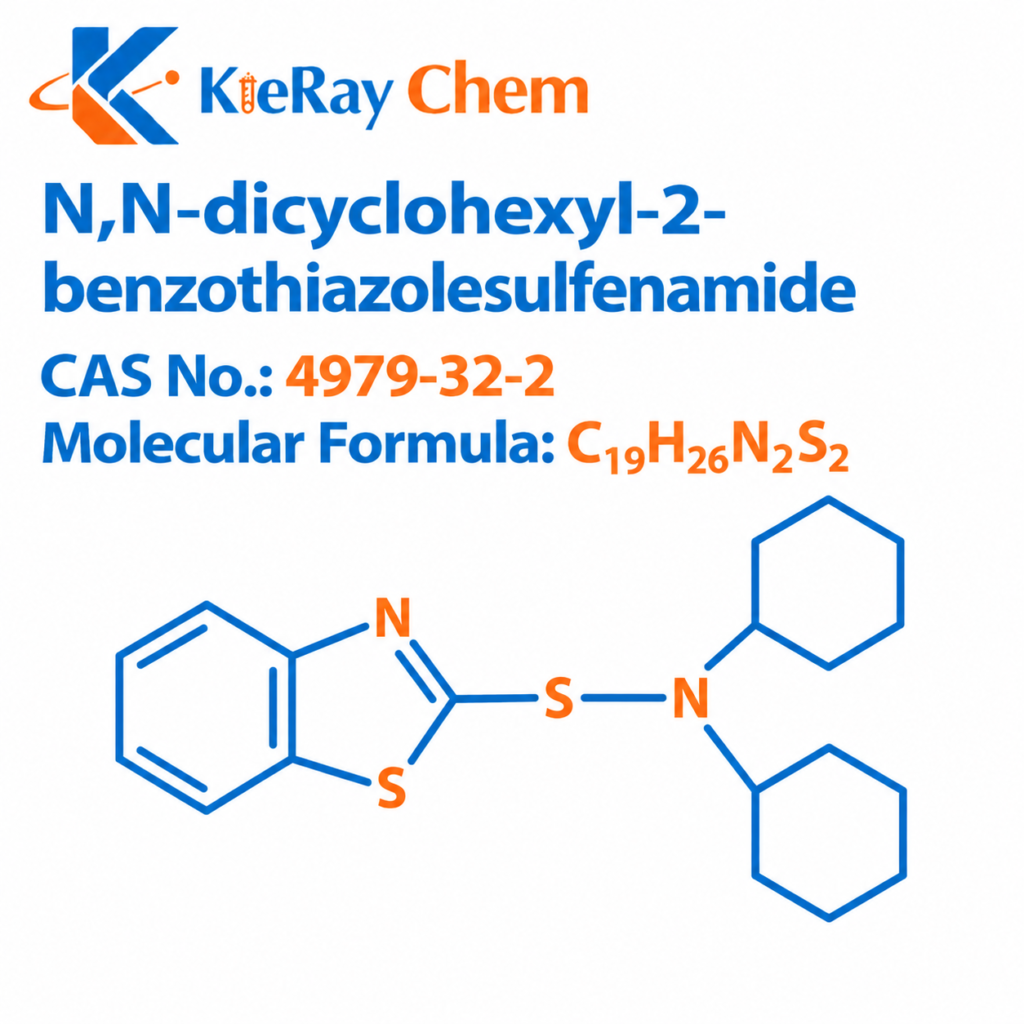
An excellent delayed-action primary accelerator specifically suited for thick-sectioned rubber components requiring long processing and molding times. - DCBS (N,N-Dicyclohexyl-2-benzothiazole sulfenamide) | CAS 4979-32-2
Provides the longest scorch delay among all sulfenamides, making it ideal for steel-cord adhesion compounds and highly stressed tire components.
1.2.3 Thiurams
Thiurams are ultra-accelerators that operate at lower temperatures. They can also act as sulfur donors in low-sulfur vulcanization systems to yield products with exceptional heat resistance.
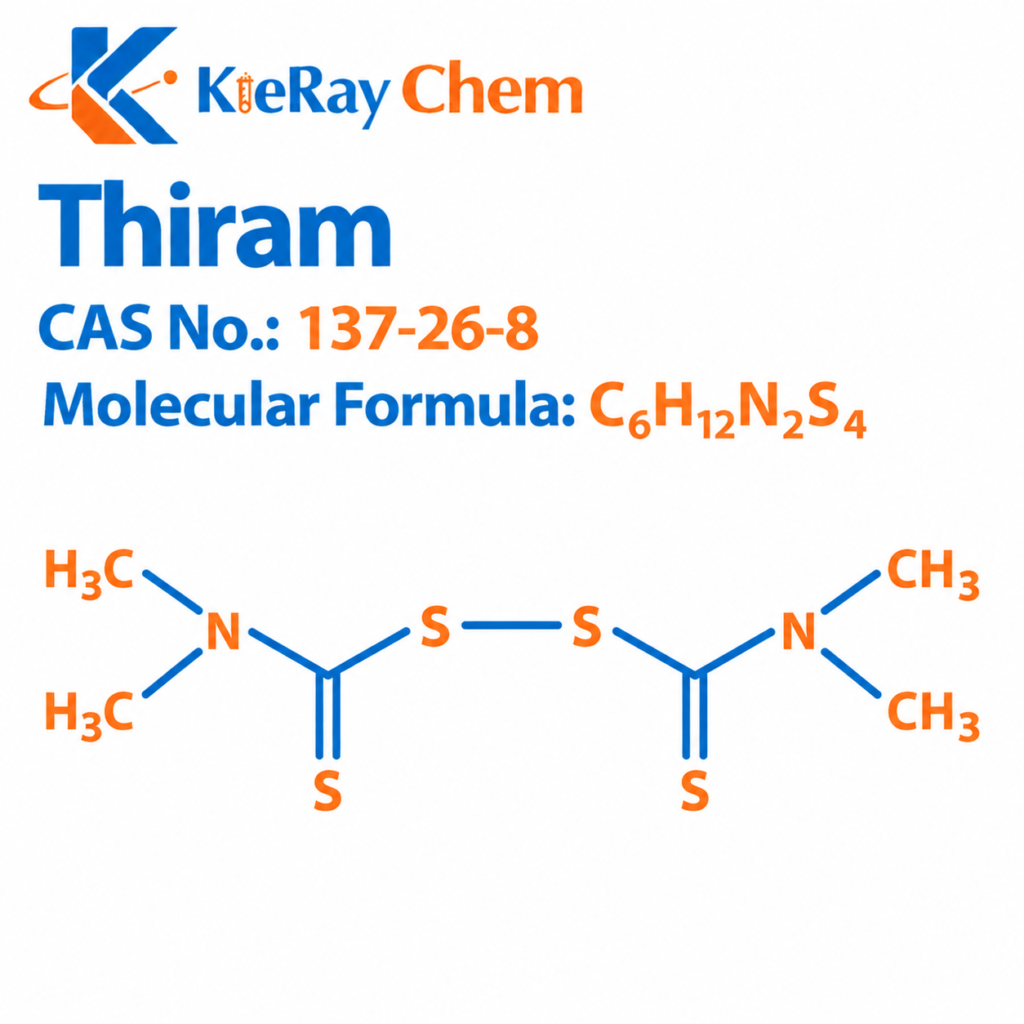
- TMTD (Tetramethylthiuram disulfide) | CAS 137-26-8
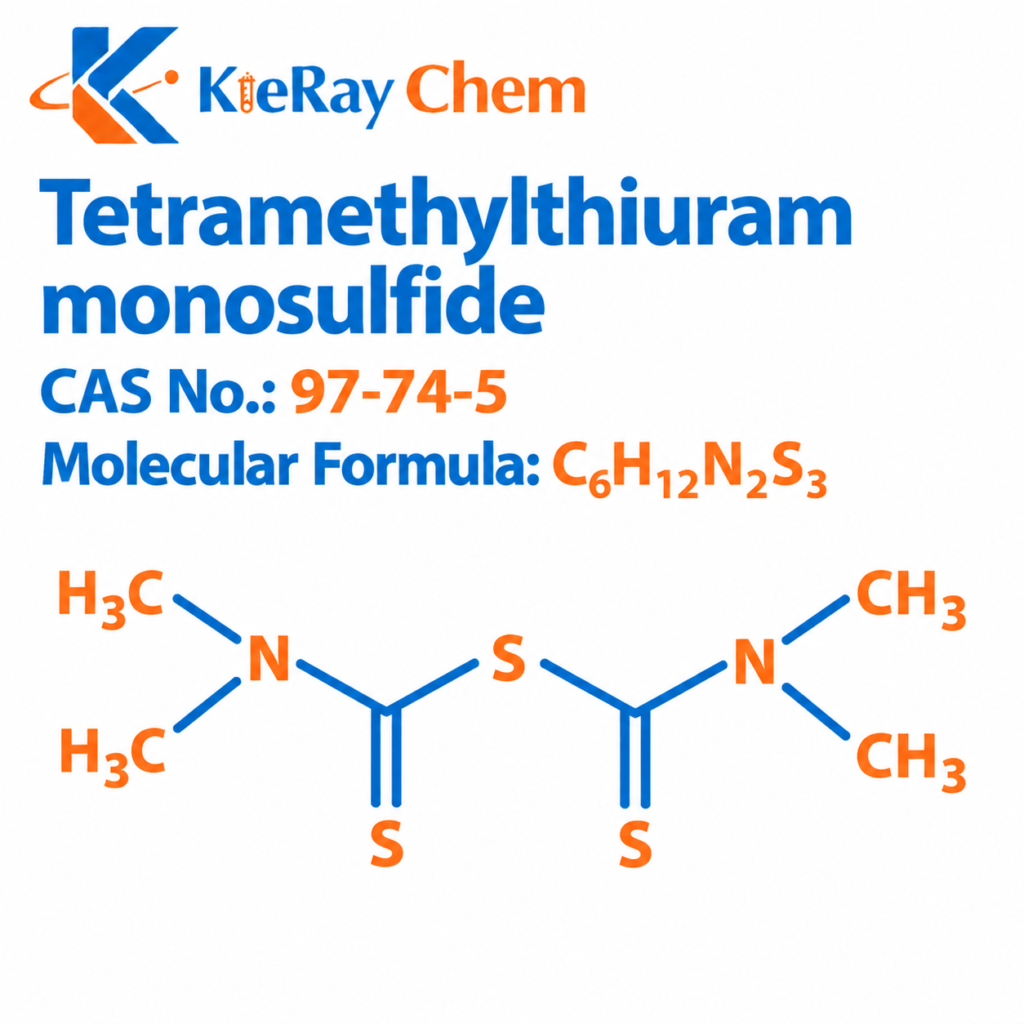
A versatile ultra-accelerator and sulfur donor used for rapid vulcanization, imparting high heat and aging resistance to various rubber products. - TMTM (Tetramethylthiuram monosulfide) | CAS 97-74-5
An ultra-accelerator providing excellent scorch safety compared to TMTD, widely utilized in wire jackets, footwear, and mechanical molded items. - TETD (Tetraethylthiuram disulfide) | CAS 97-77-8
An ultra-accelerator similar to TMTD but with a lower melting point, often favored for continuous vulcanization processes and specialty compounds. - TBzTD (Tetrabenzylthiuram disulfide) | CAS 10591-85-2
A safe ultra-accelerator developed to replace TMTD, as it does not generate hazardous carcinogenic nitrosamines during the curing process.
1.2.4 Dithiocarbamates
Dithiocarbamates are ultra-ultra-accelerators primarily used in rubber latex processing and room-temperature curing because they activate vulcanization rapidly at low temperatures.
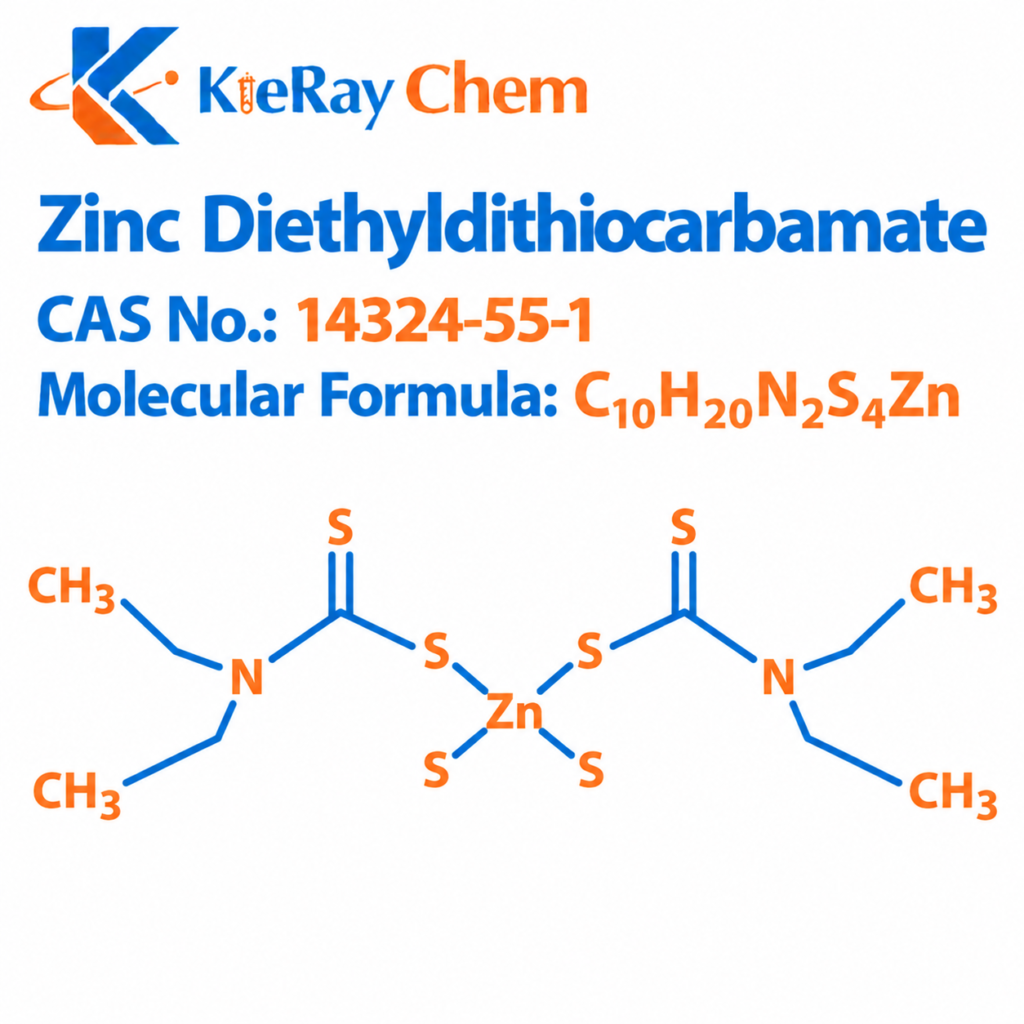
- ZDEC (Zinc diethyldithiocarbamate) | CAS 14324-55-1
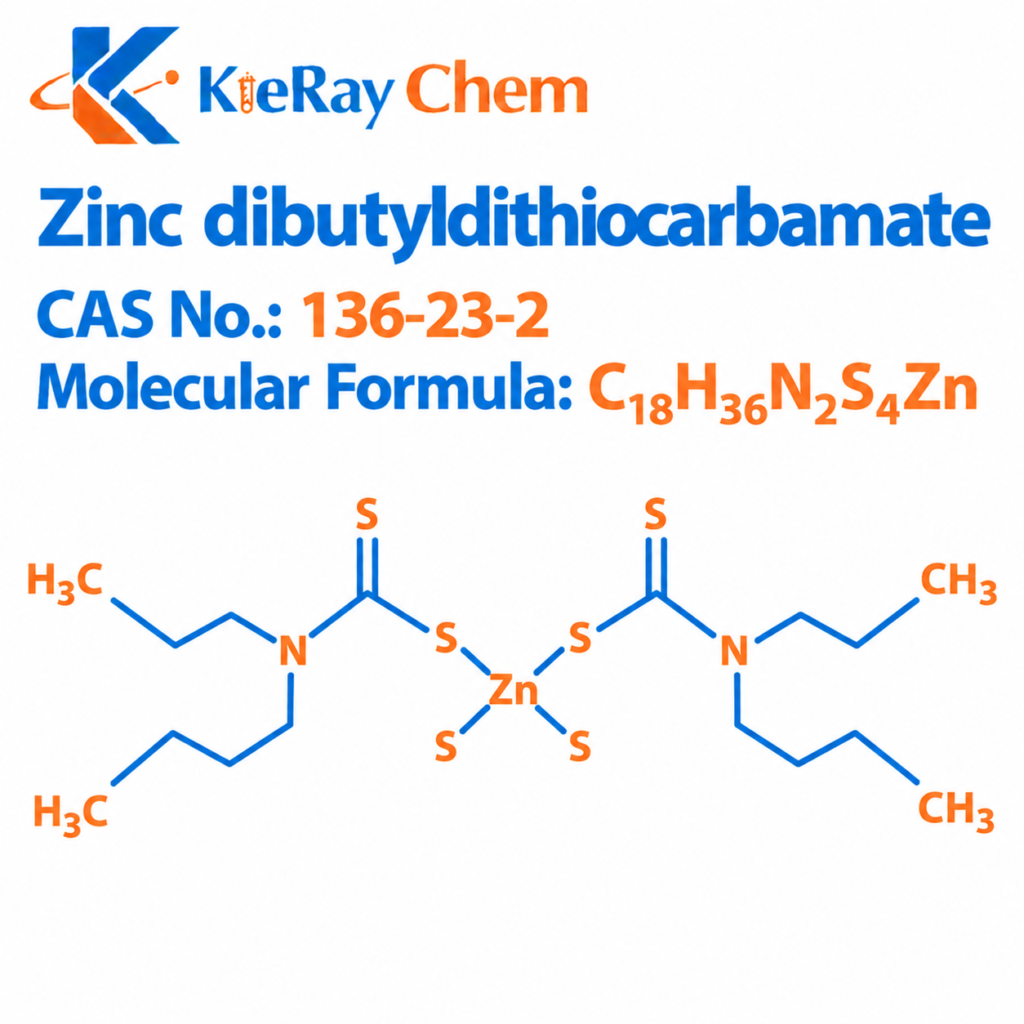
A very fast accelerator for natural and synthetic latex, widely employed in dipping applications such as medical gloves and balloons. - ZDBC (Zinc dibutyl dithiocarbamate) | CAS 136-23-2
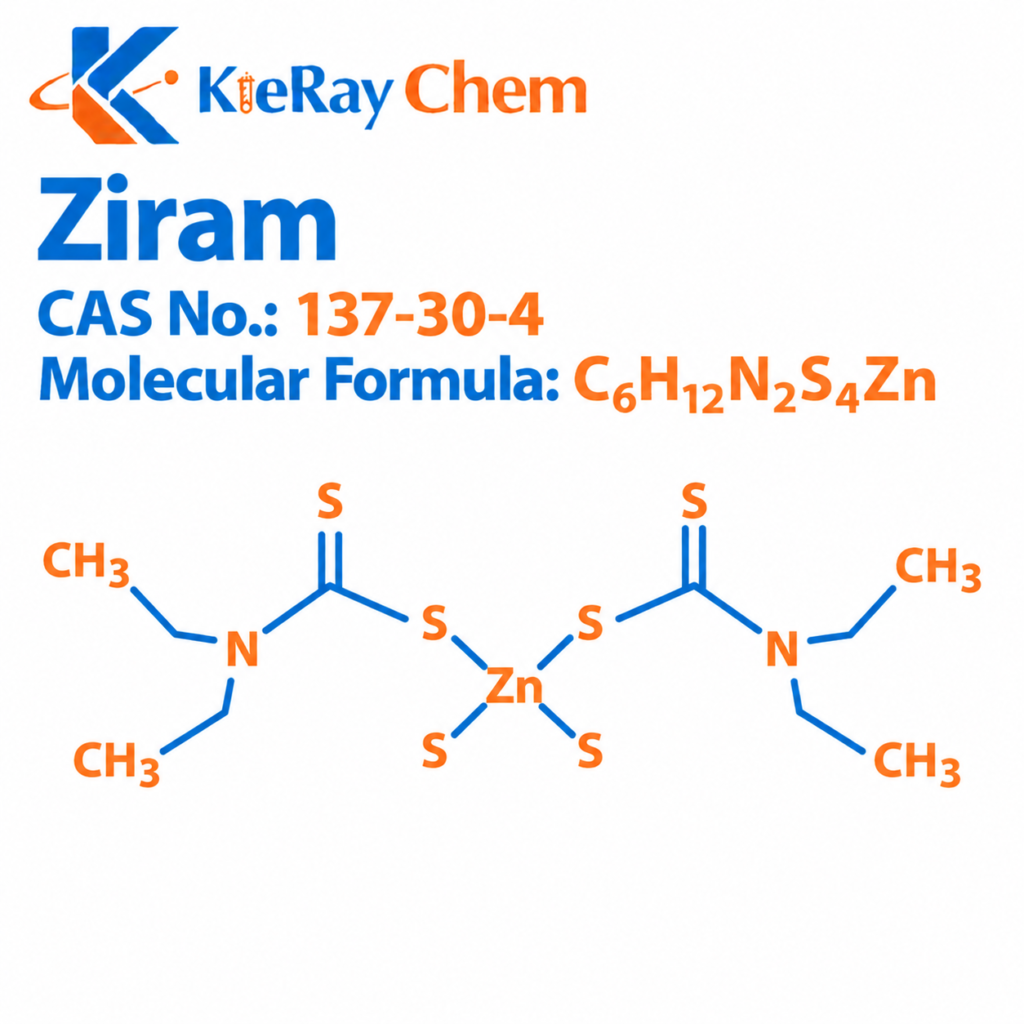
An ultra-accelerator offering high solubility in non-polar rubbers, ensuring fast curing in EPDM profiles, adhesives, and latex dipping. - ZDMC (Zinc dimethyldithiocarbamate) | CAS 137-30-4
A powerful ultra-accelerator used in latex formulations and proofed fabrics, providing rapid vulcanization kinetics at low processing temperatures. - ZBEC (Zinc dibenzyl dithiocarbamate) | CAS 14726-36-4
An eco-friendly ultra-accelerator that prevents regulated nitrosamine formation, suitable for transparent rubber parts, food-contact materials, and latex items.
1.2.5 Guanidines
Guanidines are slow, alkaline accelerators. Today, they are rarely used as primary accelerators but serve as excellent secondary activators when paired with thiazoles or sulfenamides.
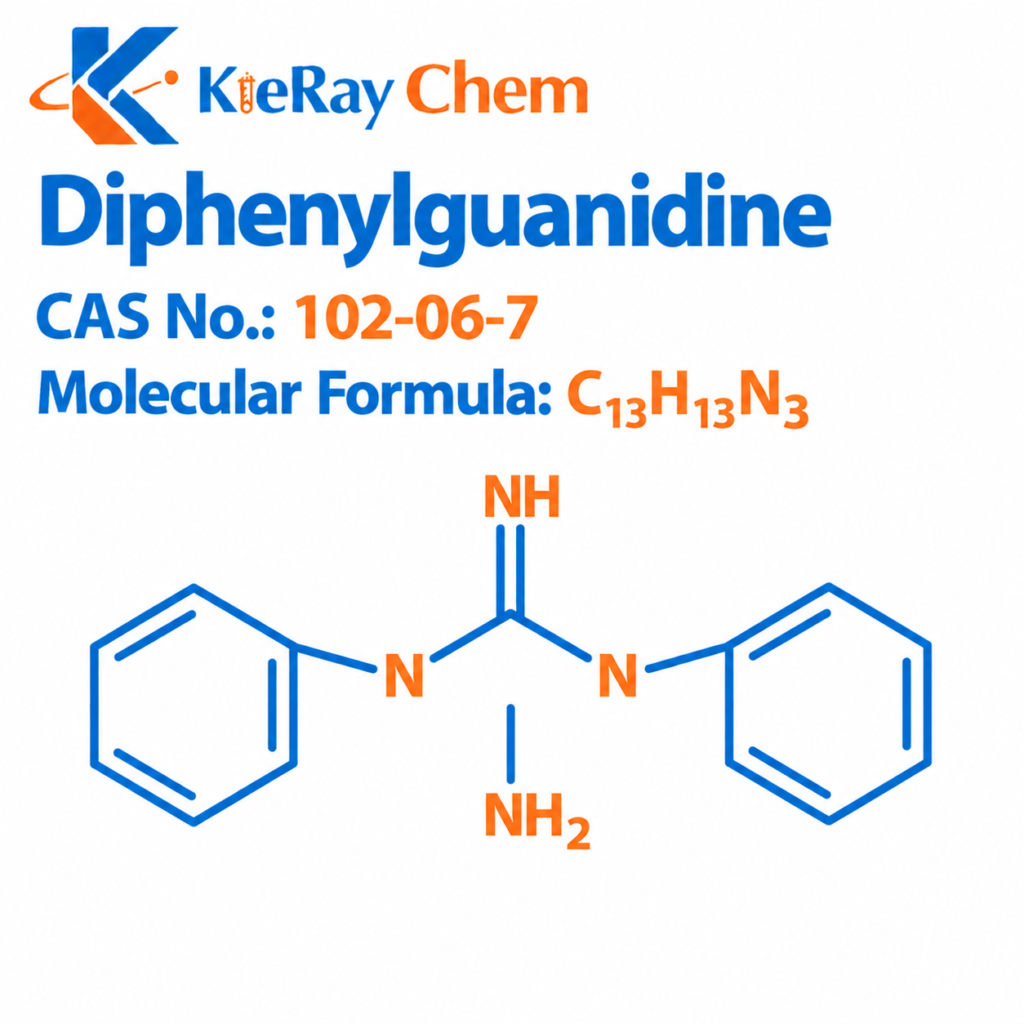
- DPG (Diphenyl guanidine) | CAS 102-06-7
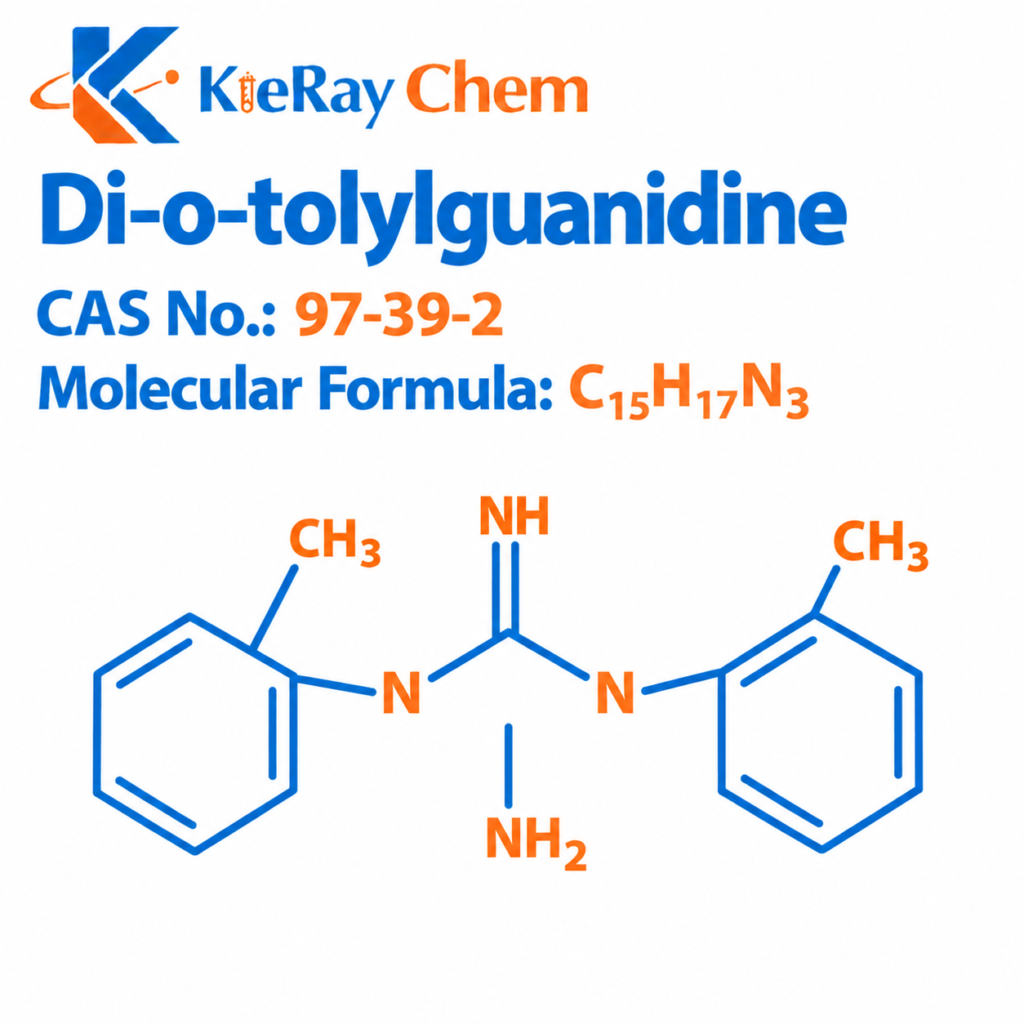
A secondary accelerator widely used to activate thiazoles and sulfenamides, also acting as a plasticizer in silica-filled tire compounds. - DOTG (Di-o-tolyl guanidine) | CAS 97-39-2
Functions similarly to DPG but provides slightly slower activation and higher modulus, primarily used in specialty industrial rubber goods.
1.2.6 Thioureas
Thioureas are specialized accelerators primarily utilized for the vulcanization of specialty synthetic rubbers, particularly polychloroprene (Neoprene).
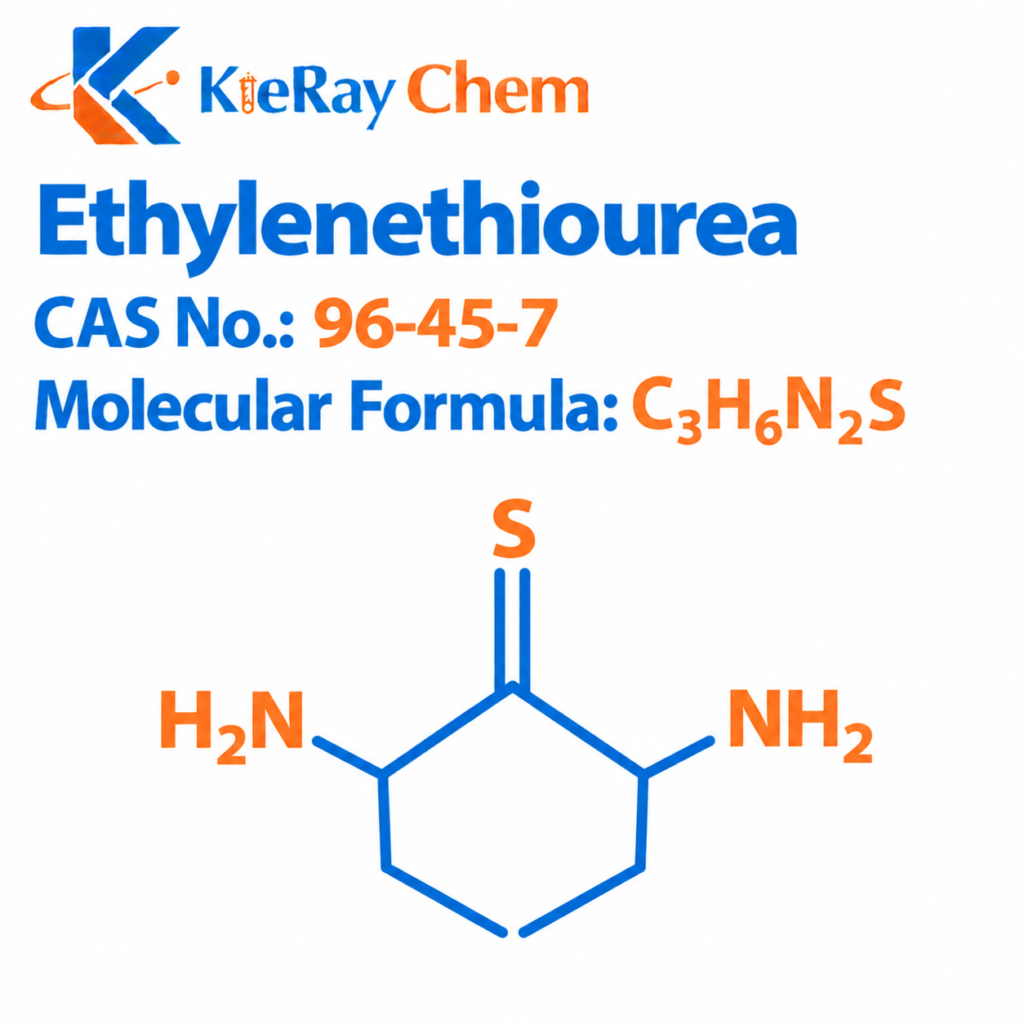
- ETU (Ethylene thiourea) | CAS 96-45-7
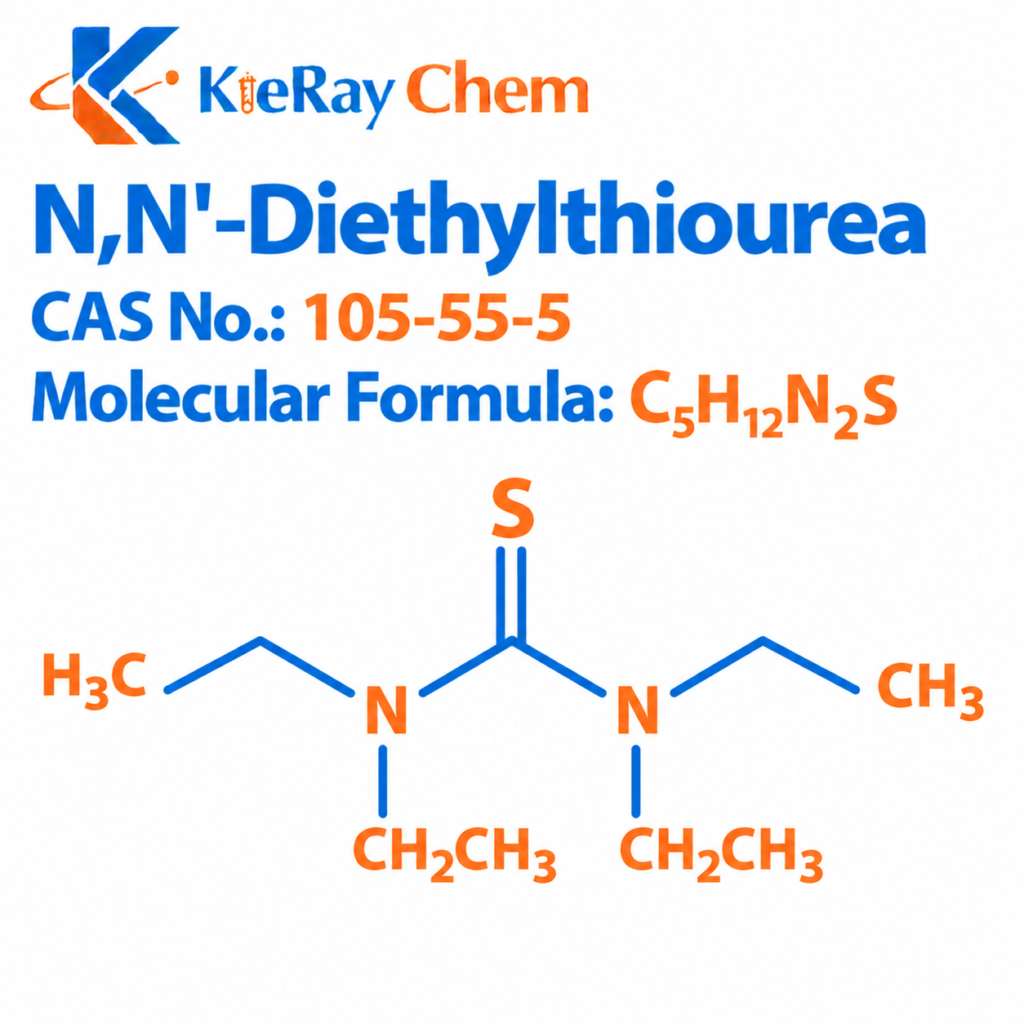
The premier vulcanization accelerator for chloroprene rubber, providing high cross-linking efficiency, excellent tensile strength, and low compression set. - DETU (Diethyl thiourea) | CAS 105-55-5
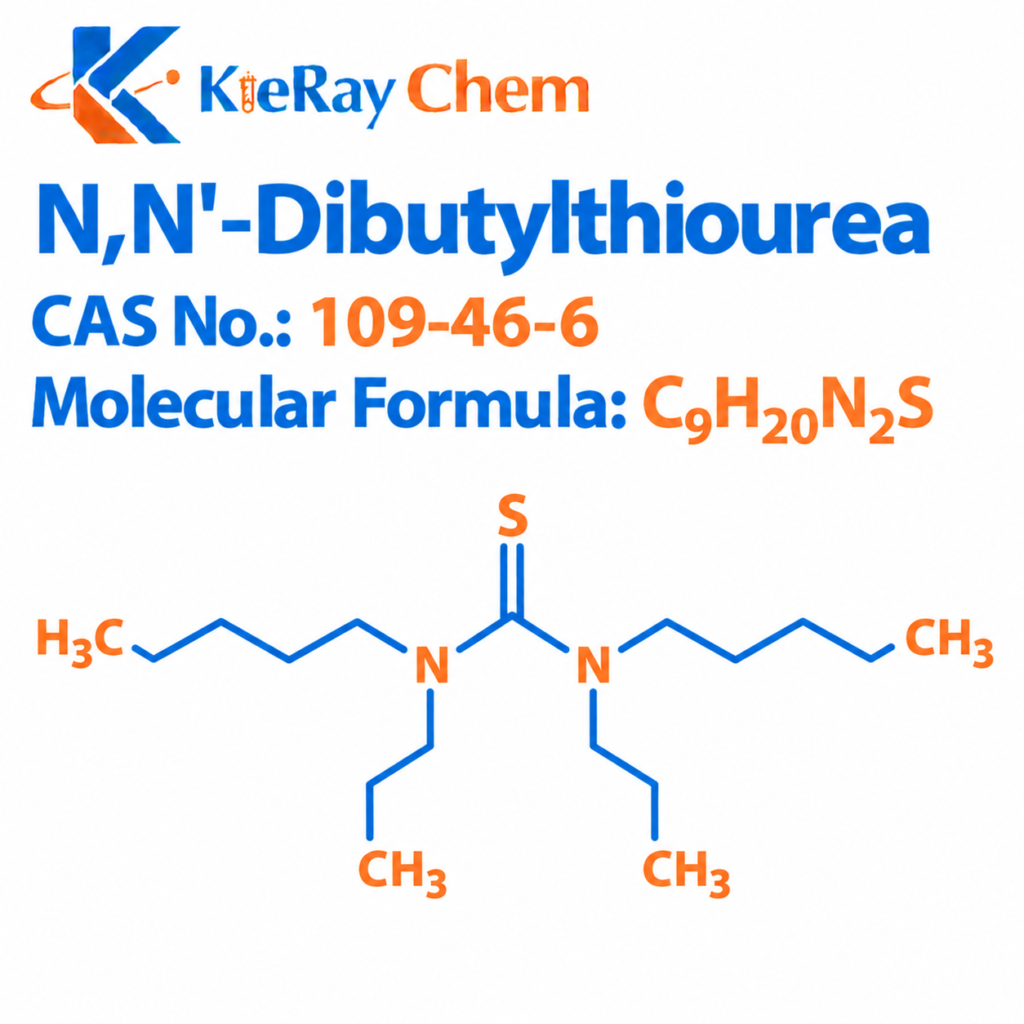
An active accelerator for polychloroprene and EPDM, often used in continuous vulcanization where rapid processing and non-staining properties are required. - DBTU (Dibutyl thiourea) | CAS 109-46-6
A specialized accelerator utilized for low-temperature curing of neoprene extrusions, offering excellent dispersibility and high thermal stability.
Chapter 2: Industrial Selection Criteria and Synergistic Effects
In industrial rubber compounding, engineers rarely rely on a single accelerator; instead, they systematically select and combine multiple compounds to balance processing safety, cure rate, and physical properties. Selecting the right accelerator system requires a deep understanding of manufacturing constraints and how different chemical structures interact. This chapter explores the primary criteria used by compounding engineers to select accelerators and the mechanisms behind their synergistic combinations.
2.1 Industrial Selection Criteria
When designing a rubber formulation, an engineer must evaluate four fundamental operational dimensions:
- Scorch Safety vs. Cure Rate: The compound must survive mixing, calendering, and extrusion without prematurely cross-linking (scorching), yet it must vulcanize rapidly once inside the curing press to maximize factory throughput.
- Vulcanization Temperature: The selection depends heavily on the curing method. Room-temperature or low-temperature latex dipping requires ultra-accelerators, while continuous high-temperature autoclaves or injection molding require delayed-action sulfenamides.
- Rubber Polymer Compatibility: The type of rubber dictates accelerator choice. Highly unsaturated rubbers like Natural Rubber (NR) and Styrene-Butadiene Rubber (SBR) respond well to thiazoles and sulfenamides. Low-unsaturation rubbers like EPDM require highly active thiurams or dithiocarbamates to achieve acceptable cure states.
- Environmental and Health Regulations: Modern compounding must strictly avoid the generation of hazardous regulated materials. Traditional accelerators must be replaced with eco-friendly alternatives to prevent factory and consumer exposure to toxic emissions.
2.2 The Logic of Binary Accelerator Systems: Primary vs. Secondary
To achieve the optimal balance of properties, industrial formulations typically utilize a binary accelerator system consisting of a primary accelerator and a secondary accelerator (also known as an activator).
- The Primary Accelerator: This comprises the bulk of the accelerator package (typically 0.5 to 1.5 parts per hundred parts of rubber, or phr). It is chosen for its ability to establish the baseline network structure and provide sufficient scorch safety. Sulfenamides like CBS (CAS 95-33-0) or TBBS (CAS 95-31-8) are the standard primary choices in tire manufacturing.
- The Secondary Accelerator: Added in much smaller quantities (typically 0.1 to 0.5 phr), its sole purpose is to jump-start or activate the primary accelerator once the compound reaches vulcanization temperature. Guanidines like DPG (CAS 102-06-7) or thiurams like TMTD (CAS 137-26-8) are widely used secondary activators.
2.3 Synergistic Mechanisms and Effects
When a primary and a secondary accelerator are mixed, the resulting cure rate and cross-link density are often significantly higher than the mathematical sum of each accelerator used alone. This phenomenon is known as chemical synergy.
- Acid-Base Activation: This is the most common synergistic mechanism. Primary accelerators like thiazoles, such as MBT (CAS 149-30-4) or MBTS (CAS 120-78-5), or sulfenamides like CBS (CAS 95-33-0) are chemically acidic or neutral. When paired with a basic secondary accelerator like Diphenyl Guanidine DPG (CAS 102-06-7), an acid-base neutralization occurs within the rubber matrix. This base activation accelerates the decomposition of the primary accelerator into its active form and increases the solubility of zinc complexes.
- Multi-Ligand Zinc Complexation: During the initial heating phase, different accelerator molecules can co-coordinate around a single zinc ion. A hybrid complex formed by combining a thiazole like MBT (CAS 149-30-4) with a dithiocarbamate like ZDEC (CAS 14324-55-1) is often less sterically hindered or chemically more unstable than a complex formed by one accelerator type alone. As a result, it cleaves elemental sulfur rings much faster, accelerating the initial stage of the vulcanization mechanism.
- Hybrid Cross-link Distribution: Combining delayed-action sulfenamides like TBBS (CAS 95-31-8) with ultra-accelerating thiurams like TMTD (CAS 137-26-8) alters the final cross-link network architecture. It allows the compound to maintain the excellent tensile strength and fatigue resistance typical of sulfenamides while benefiting from the superior heat-aging resistance provided by the low-sulfur donor characteristics of the thiuram.
2.4 Classic Industrial Synergistic Combinations
In factory practice, several time-tested accelerator pairings are universally recognized:
- Sulfenamide + Guanidine: The standard system for passenger tire treads. Combining CBS (CAS 95-33-0) and DPG (CAS 102-06-7) provides long scorch safety for extrusion, while the DPG boosts the cure state and assists in dispersing silica fillers within the rubber matrix.
- Thiazole + Thiuram: A classic combination for general mechanical goods. Pairing MBTS (CAS 120-78-5) with TMTD (CAS 137-26-8) provides a flat curing curve, high modulus, and excellent aging resistance for molded automotive components.
- Sulfenamide + Dithiocarbamate: Frequently used in thick-sectioned industrial profiles and beltings. Combining TBBS (CAS 95-31-8) with ZDEC (CAS 14324-55-1) offers an exceptionally fast cure rate once the core of the thick component finally reaches the curing temperature.
Chapter 3: The Detailed Reaction Mechanism
The vulcanization of rubber using sulfur and organic accelerators is a highly complex, multi-step chemical process occurring at the molecular level. This mechanism involves a synergistic interplay between the rubber polymer, sulfur, the organic accelerator, and inorganic activators—most notably zinc oxide and fatty acids like stearic acid. Understanding this process is critical for predicting cure kinetics, cross-link density, and the final macro-properties of the elastomeric matrix.
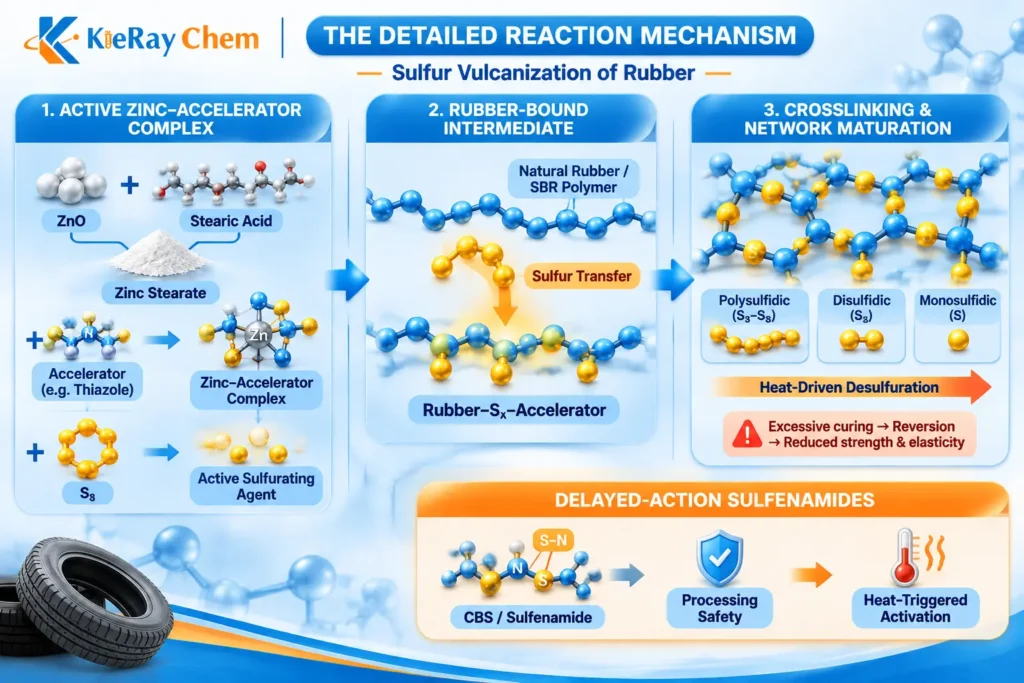
The overall reaction pathway can be systematically divided into three distinct stages: the formation of the active sulfurating agent, the creation of the rubber-bound intermediate, and the final cross-linking network formation.
3.1 Stage 1: Formation of the Active Zinc-Accelerator Complex
Before sulfur can be efficiently transferred to the rubber hydrocarbon chain, the organic accelerator must be chemically activated. In an un-activated system, elemental sulfur exists as a stable eight-membered ring (S8) that requires high thermal energy to break. The introduction of activators drastically reduces this energy barrier.
- Solubilization: Stearic acid reacts with zinc oxide (ZnO) within the rubber matrix to form zinc stearate. This serves to solubilize the zinc ions, making them available for coordination chemistry.
- Complexation: The soluble zinc ions coordinate with the organic accelerator molecules (such as thiazoles or sulfenamides). The electron-donating atoms on the accelerator (such as nitrogen or sulfur) stabilize the zinc center, forming a highly reactive zinc-accelerator complex.
- Sulfur Insertion: This zinc-accelerator complex subsequently reacts with the S8 sulfur ring. It cleaves the sulfur-sulfur bonds and inserts sulfur atoms into the ligand structure, yielding an unstable, highly active zinc-perthio-accelerator complex. This complex serves as the active sulfurating agent.
3.2 Stage 2: Generation of the Rubber-Bound Intermediate
Once the active sulfurating agent is formed, it undergoes a reaction with the unsaturated polymer chains (such as natural rubber or styrene-butadiene rubber) to fix the sulfur onto the rubber backbone.
- Allylic Hydrogen Attack: The zinc-perthio-accelerator complex targets the allylic carbon positions (the carbon adjacent to a double bond) on the rubber macromolecule.
- Intermediate Formation: Through either a radical or ionic pathway—depending heavily on the polarity of the accelerator used—the sulfur fragment is transferred to the polymer chain. This reaction produces a rubber-bound intermediate (where the accelerator fragment acts as a temporary capping group) and releases a zinc-bound accelerator byproduct.
- Function of the Intermediate: This intermediate molecule is metastable. It holds the key sulfur chain in close proximity to the polymer network, acting as a precursor that is primed for immediate cross-linking.
3.3 Stage 3: Cross-Linking and Network Maturation
The final stage involves the conversion of the rubber-bound intermediate into true intermolecular bridges, connecting separate polymer chains into a three-dimensional elastomeric network.
- Cross-link Formation: The rubber-bound intermediate reacts either with another free rubber chain or with a second rubber-bound intermediate. This cleaves the accelerator capping group and establishes a polysulfidic cross-link (where a chain of multiple sulfur atoms bridges the gap) between adjacent polymer chains.
- Desulfuration and Maturation: Polysulfidic cross-links are thermally unstable. Under continued heating during the curing process, these long sulfur chains undergo desulfuration. They are stripped of excess sulfur by the remaining zinc complexes and break down into much more stable disulfidic (two sulfur atoms) and monosulfidic (one sulfur atom) cross-links.
- Reversion Over-cure: If the vulcanization time is extended too long, extreme desulfuration can cause “reversion.” This leads to main-chain degradation, cyclic sulfide formation, and a noticeable drop in the rubber’s tensile strength and elasticity.
3.4 Mechanics of Delayed-Action (Sulfenamides)
To illustrate how chemical structures dictate processing safety, the mechanism of Sulfenamide accelerators offers an excellent example of engineered delayed-action kinetics.
Sulfenamides possess a characteristic sulfur-nitrogen (S-N) bond. During the initial mixing and extrusion phases, this bond acts as a chemical brake. The molecule cannot efficiently coordinate with zinc or sulfur until the intermediate amine fragments undergo a complex exchange reaction. This induction period provides excellent scorch safety, preventing the compound from setting prematurely. Once a critical threshold temperature is reached, the S-N bond cleaves rapidly, releasing the active accelerator and initiating an ultra-fast vulcanization rate.