Comprehensive Technical Guide to Traditional, Modern, and Next-Generation Cosmetic Emollients
Introduction
Cosmetic oils and lipids are essential components of modern skincare, haircare, color cosmetics, and personal care formulations. They contribute to skin conditioning, lubrication, moisture retention, barrier support, product texture, and application performance. Beyond their traditional role as emollients, modern cosmetic oils are increasingly engineered to deliver specific sensory properties, improve formulation stability, support active ingredient delivery, and meet sustainability requirements.
The cosmetic oil market encompasses a broad range of materials, including natural plant oils, mineral hydrocarbons, synthetic esters, silicone-based emollients, waxes, fatty acids, fatty alcohols, and functional biomimetic lipids. Each category offers distinct advantages in terms of spreading behavior, viscosity, occlusivity, oxidative stability, compatibility, and skin feel.
Selecting the appropriate oil phase is therefore a critical part of cosmetic formulation development. A successful formulation requires balancing sensory performance, functional efficacy, ingredient compatibility, stability, cost, and regulatory considerations.
This technical guide provides a practical overview of the major cosmetic oil categories, representative raw materials, their advantages and limitations, and their applications in contemporary and next-generation cosmetic formulations.
Chapter 1. Fundamentals and Classification of Cosmetic Oils and Lipids
1.1 Definition and Core Functions of Cosmetic Oils
Cosmetic oils and lipids are oil-soluble substances used to improve the physical properties and functional performance of personal care products. They include naturally occurring triglycerides, wax esters, hydrocarbons, fatty acids, synthetic esters, silicones, and other lipid-based materials.
Their primary functions include:
- Emolliency: Softening and smoothing the skin by reducing surface roughness and improving flexibility.
- Occlusion: Forming a protective surface layer that reduces transepidermal water loss (TEWL).
- Lubrication: Reducing friction during product application and improving spreadability.
- Skin Conditioning: Enhancing skin softness, smoothness, and overall sensory quality.
- Barrier Support: Providing lipid components that complement or replenish the skin’s natural lipid matrix.
- Formulation Structuring: Adjusting viscosity, consistency, texture, and physical stability.
- Solubilization: Dissolving oil-soluble active ingredients, fragrances, UV filters, and other functional components.
Depending on their chemical composition and physical properties, oils can perform one or several of these functions simultaneously.
1.2 Major Classification of Cosmetic Oils
Cosmetic oils can be classified according to their origin, chemical composition, and formulation function.
| Category | Typical Materials | Main Characteristics |
|---|---|---|
| Natural Plant Oils | Olive Oil, Sunflower Seed Oil, Jojoba Oil | Natural triglycerides and wax esters; variable fatty acid profiles |
| Animal-Derived Lipids | Lanolin and its derivatives | Rich emolliency and water-binding characteristics |
| Mineral Oils and Hydrocarbons | Mineral Oil, Petrolatum, Squalane | High stability, lubrication, and varying degrees of occlusivity |
| Synthetic Esters | Caprylic/Capric Triglyceride, Ethylhexyl Palmitate | Adjustable polarity, viscosity, and sensory properties |
| Silicone-Based Emollients | Dimethicone, Phenyl Trimethicone | Smooth application, lubrication, and film-forming properties |
| Waxes and Structuring Lipids | Beeswax, Carnauba Wax, Cetearyl Alcohol | Consistency control and structural support |
| Functional and Biomimetic Lipids | Ceramides, Cholesterol, Phospholipids | Skin barrier support and advanced lipid delivery |

1.3 Key Performance Parameters
The following parameters are particularly important when selecting cosmetic oils:
- Polarity: Influences compatibility with other oil-phase ingredients, pigments, UV filters, and emulsifiers.
- Viscosity: Determines flow behavior, spreadability, and the final texture of a formulation.
- Spreading Ability: Describes how easily an oil distributes across the skin surface.
- Occlusivity: Indicates its ability to form a surface barrier and reduce moisture loss.
- Oxidative Stability: Determines resistance to oxidation, rancidity, and deterioration during storage.
- Skin Feel: Describes sensory characteristics such as greasy, rich, dry, silky, or lightweight.
- Comedogenic Potential: Refers to the potential of an ingredient or formulation to contribute to comedone formation. It should not be interpreted as a definitive prediction of finished-product performance.
In practical formulation development, these parameters should be evaluated together rather than independently.
1.4 Impact of Fatty Acid Chain Length on Cosmetic Oil Properties & Formulation Performance
Fatty acid chain length is an important structural factor influencing the physicochemical properties and sensory performance of cosmetic oils and lipids. In general, shorter-chain lipids tend to exhibit greater fluidity and faster spreading, while longer-chain saturated fatty acids often contribute to higher melting points, increased structural properties, and richer skin feel.
These differences influence viscosity, melting behavior, spreadability, skin feel, and the selection of emollients for different cosmetic applications.
Understanding the relationship between carbon chain length and lipid performance helps formulators select and combine suitable oils, esters, fatty acids, and waxes to achieve the desired balance of lightweight texture, moisturization, and protective properties.
The following infographic illustrates the relationship between fatty acid chain length, representative cosmetic ingredients, and formulation performance.

Chapter 2. Natural Oils and Plant-Derived Lipids
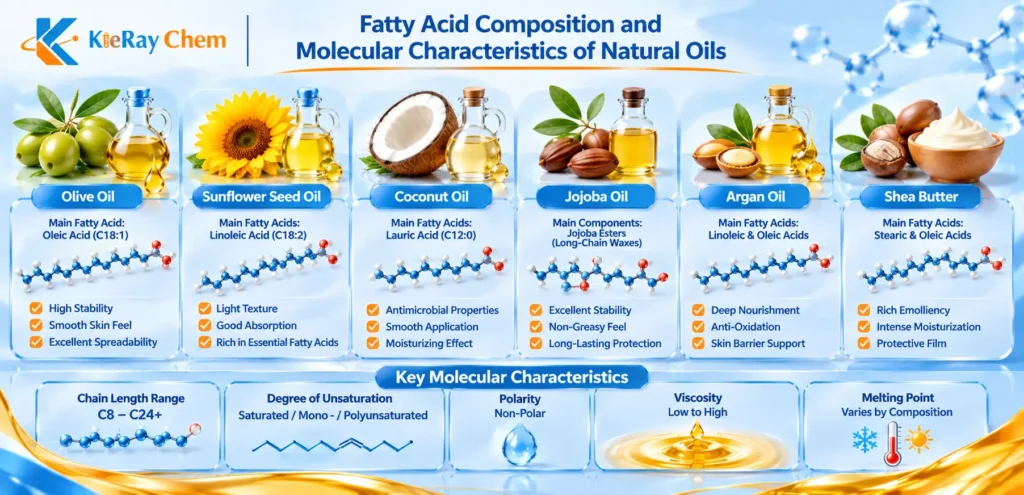
Natural oils are widely used in skincare and personal care products because of their emollient properties, characteristic fatty acid compositions, and consumer appeal. Most conventional vegetable oils consist primarily of triglycerides, while certain materials, such as jojoba oil, are predominantly liquid wax esters.
Their performance depends on botanical origin, fatty acid composition, extraction method, refining process, and storage conditions.
2.1 Conventional Vegetable Oils
Conventional vegetable oils are commonly incorporated into creams, lotions, massage oils, cleansing products, and hair conditioners.
| Raw Material | INCI Name | CAS No. | Main Characteristics and Applications |
|---|---|---|---|
| Olive Oil | Olea Europaea (Olive) Fruit Oil | 8001-25-0 | Rich in oleic acid; provides emolliency and a nourishing skin feel |
| Sweet Almond Oil | Prunus Amygdalus Dulcis Oil | 8007-69-0 | Provides softness and lubrication; widely used in body care |
| Jojoba Oil | Simmondsia Chinensis Seed Oil | 61789-91-1 | Liquid wax ester with good oxidative stability and a smooth skin feel |
| Sunflower Seed Oil | Helianthus Annuus Seed Oil | 8001-21-6 | Often rich in linoleic acid; suitable for skin-conditioning formulations |
| Coconut Oil | Cocos Nucifera Oil | 8001-31-8 | Contains a high proportion of saturated fatty acids; provides rich emolliency |
| Grapeseed Oil | Vitis Vinifera Seed Oil | 8024-22-4 | Generally rich in linoleic acid; offers a relatively lightweight skin feel |
| Avocado Oil | Persea Gratissima Oil | 8024-32-6 | Rich emollient oil used in nourishing skincare and haircare products |
| Castor Oil | Ricinus Communis (Castor) Seed Oil | 8001-79-4 | Rich in ricinoleic acid; useful for pigment wetting and lip products |
2.2 Specialty Botanical Oils
Specialty botanical oils are selected for their distinctive fatty acid profiles, minor lipid components, or positioning in premium skincare formulations.
| Raw Material | INCI Name | CAS No. | Main Characteristics and Applications |
|---|---|---|---|
| Argan Oil | Argania Spinosa Kernel Oil | 223747-87-3 | Contains oleic and linoleic acids; used in premium skincare and haircare |
| Rosehip Oil | Rosa Canina Seed Oil | 84603-93-0 | Contains polyunsaturated fatty acids; used in skin-conditioning products |
| Camellia Seed Oil | Camellia Japonica Seed Oil | 223748-13-8 | Oleic-acid-rich oil with good spreadability |
| Evening Primrose Oil | Oenothera Biennis Oil | 90028-66-3 | Contains gamma-linolenic acid; used in specialty skin-conditioning products |
| Borage Seed Oil | Borago Officinalis Seed Oil | 84012-16-8 | Notable source of gamma-linolenic acid |
| Pomegranate Seed Oil | Punica Granatum Seed Oil | 84961-57-9 | Contains conjugated fatty acids, particularly punicic acid |
Note: CAS numbers for botanical oils may vary depending on botanical identity, processing, registration, and supplier documentation. The values above are representative identifiers and should be verified against the exact commercial grade and its SDS.
2.3 Butters and Semi-Solid Plant Lipids
Plant butters are semi-solid or solid lipid materials commonly used to provide rich emolliency, improve product consistency, and enhance protective skin feel.
| Raw Material | INCI Name | CAS No. | Main Characteristics |
|---|---|---|---|
| Shea Butter | Butyrospermum Parkii Butter | 91080-23-8 | Rich emollient with a substantial unsaponifiable fraction |
| Cocoa Butter | Theobroma Cacao Seed Butter | 8002-31-1 | Solid triglyceride with characteristic melting behavior |
| Mango Butter | Mangifera Indica Seed Butter | 90063-86-8 | Provides a smooth, conditioning texture |
| Kokum Butter | Garcinia Indica Seed Butter | 90045-23-1 | Relatively firm plant butter with a high proportion of saturated fatty acids |
| Murumuru Butter | Astrocaryum Murumuru Seed Butter | 356065-49-1 | Used in rich skincare and hair-conditioning products |
2.4 Advantages and Limitations of Natural Oils
Advantages
- Renewable botanical sourcing and strong consumer recognition.
- Diverse fatty acid compositions and distinctive sensory characteristics.
- Suitable for natural-origin and plant-based cosmetic positioning.
- Certain oils contain minor components, including tocopherols, phytosterols, and other unsaponifiable materials.
Limitations
- Oxidative stability varies considerably, particularly for oils rich in polyunsaturated fatty acids.
- Natural color, odor, and composition may vary between batches.
- Storage conditions and exposure to heat, light, and oxygen can affect product quality.
- Supply availability and cost may be influenced by climate, harvest conditions, and geographic origin.
Appropriate refining, antioxidant protection, packaging, and raw material quality control are essential for maintaining consistency.
Chapter 3. Mineral Oils, Hydrocarbons, and Synthetic Esters
Mineral oils, hydrocarbon emollients, and synthetic esters are important components of modern cosmetic oil phases. Compared with many natural oils, these materials generally offer more predictable composition, consistent performance, and greater flexibility in sensory design.
They are widely used in facial creams, body lotions, sunscreens, cleansing products, makeup, and specialty skincare formulations.
3.1 Mineral Oils and Petroleum-Derived Emollients
Mineral oils and petroleum-derived materials are obtained through petroleum refining and purification processes. They are primarily composed of saturated hydrocarbons and are valued for their chemical stability, lubricity, and protective properties.
| Raw Material | INCI Name | CAS No. | Main Characteristics and Applications |
|---|---|---|---|
| Mineral Oil | Mineral Oil | 8042-47-5 | Provides lubrication, emolliency, and moisture-loss reduction |
| Petrolatum | Petrolatum | 8009-03-8 | Highly occlusive; widely used in protective creams and ointments |
| Paraffin | Paraffin | 8002-74-2 | Provides consistency and protective film formation |
| Microcrystalline Wax | Microcrystalline Wax | 63231-60-7 | Improves product structure, hardness, and oil retention |
Advantages
- Excellent chemical and oxidative stability.
- Low susceptibility to rancidity.
- Consistent quality when properly refined.
- Effective lubrication and protective film formation.
- Suitable for products requiring long-term stability.
Limitations
- Some grades may produce a heavy or greasy sensory profile.
- Certain formulations require lighter emollients to improve spreadability.
- Appropriate refining and purity specifications are essential for cosmetic applications.
3.2 Natural and Synthetic Hydrocarbon Emollients
Modern hydrocarbon emollients include both naturally derived and synthetic materials. They are frequently selected as alternatives to heavier mineral oils or as components of lightweight, fast-spreading oil phases.
| Raw Material | INCI Name | CAS No. | Main Characteristics and Applications |
|---|---|---|---|
| Squalane | Squalane | 111-01-3 | Stable, lightweight emollient with good skin compatibility |
| Hydrogenated Polyisobutene | Hydrogenated Polyisobutene | 68937-10-0 | Provides gloss, lubrication, and film-forming properties |
| Hydrogenated Polydecene | Hydrogenated Polydecene | 68037-01-4 | Smooth, stable emollient used in creams and serums |
| Polybutene | Polybutene | 9003-29-6 | High-viscosity material used in lip products and protective formulations |
| Isohexadecane | Isohexadecane | 93685-80-4 | Lightweight hydrocarbon with good spreading characteristics |
| C13-15 Alkane | C13-15 Alkane | 64742-47-8* | Lightweight emollient used to reduce greasy after-feel |
CAS assignment for commercial C13-15 Alkane materials should be checked against the supplier’s exact composition and regulatory documentation.
Key formulation benefits
- Lightweight sensory profiles can be achieved through appropriate selection of hydrocarbon grades.
- High oxidative stability helps improve finished-product shelf life.
- Hydrocarbons can improve spreading, lubrication, and compatibility with other oil-phase materials.
- Certain grades are suitable for silicone-free formulation concepts.
3.3 Synthetic Ester Emollients
Synthetic esters are among the most versatile and widely used cosmetic emollients. They are produced by esterification reactions involving fatty acids and alcohols or polyols.
Their molecular structures can be adjusted to achieve different levels of polarity, viscosity, spreading ability, and sensory performance.
| Raw Material | INCI Name | CAS No. | Main Characteristics and Applications |
|---|---|---|---|
| Caprylic/Capric Triglyceride | Caprylic/Capric Triglyceride | 73398-61-5 | Stable, versatile emollient with a smooth skin feel |
| Isopropyl Myristate | Isopropyl Myristate | 110-27-0 | Excellent spreading and lubrication; used in creams and lotions |
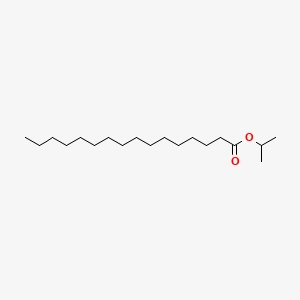
| Isopropyl Palmitate | Isopropyl Palmitate | 142-91-6 | Soft, lubricating emollient for skincare and body care |
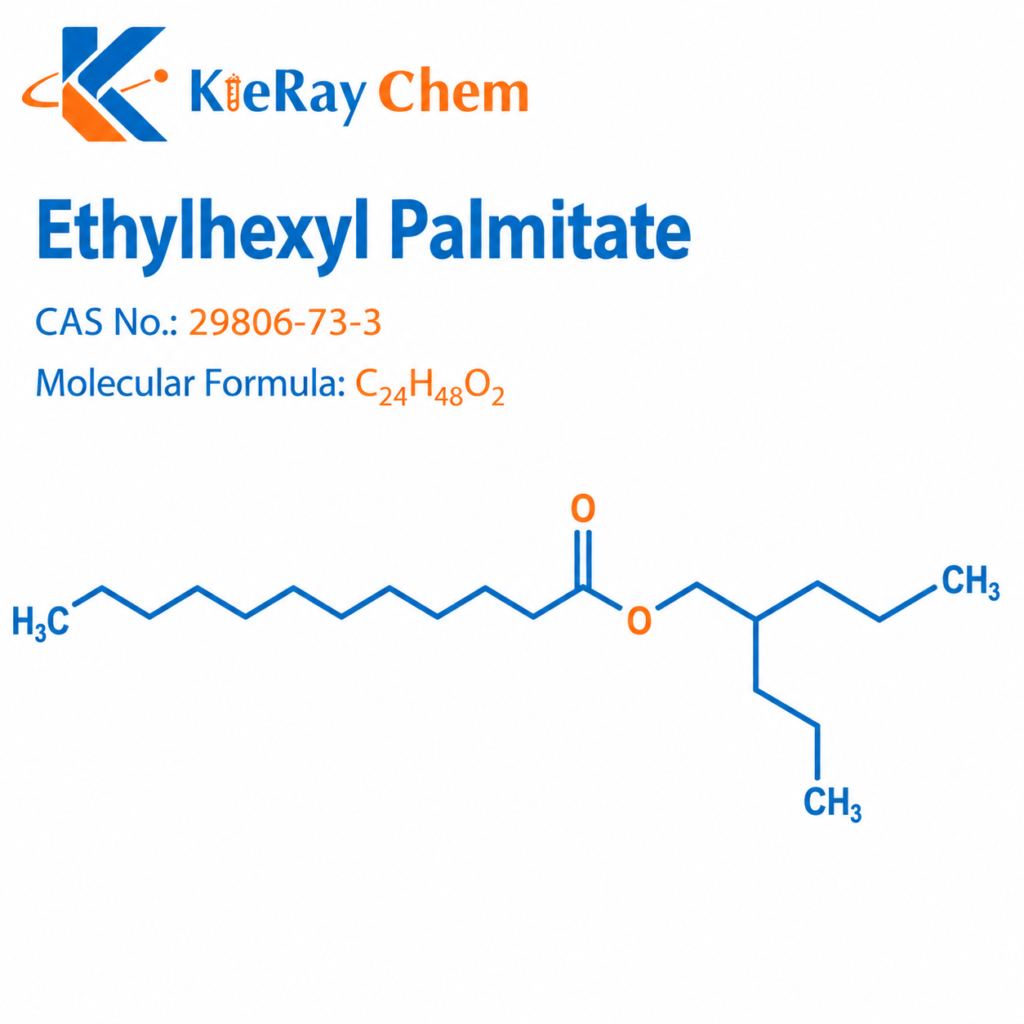
| Ethylhexyl Palmitate | Ethylhexyl Palmitate | 29806-73-3 | Smooth and lightweight alternative to heavier oils |
| Isodecyl Neopentanoate | Isodecyl Neopentanoate | 60209-82-7 | Low-viscosity ester with good spreading properties |
| Dicaprylyl Carbonate | Dicaprylyl Carbonate | 1680-31-5 | Dry-touch emollient suitable for lightweight formulations |
| Diisostearyl Malate | Diisostearyl Malate | 81230-05-9 | High-performance emollient with excellent pigment-wetting properties |
| Isononyl Isononanoate | Isononyl Isononanoate | 42131-25-9 | Lightweight ester used in lotions, creams, and sunscreens |
| C12-15 Alkyl Benzoate | C12-15 Alkyl Benzoate | 68411-27-8 | Useful solvent and emollient, particularly in sunscreen formulations |
CAS numbers for commercial ester mixtures and certain multi-isomer materials should be verified against the supplier’s specification.
Advantages of Synthetic Esters
- Flexible sensory design through selection of different ester structures.
- Good compatibility with many cosmetic oil-phase ingredients.
- Useful for dissolving or dispersing oil-soluble components.
- Generally consistent quality and batch-to-batch performance.
- Available in lightweight, medium-bodied, and rich sensory grades.
Formulation Considerations
When selecting synthetic esters, formulators should consider polarity, viscosity, pigment compatibility, emulsifier selection, and the desired after-feel.
For example, C12-15 Alkyl Benzoate is frequently used in sunscreen formulations, while Diisostearyl Malate is particularly useful in color cosmetics because of its pigment-wetting and adhesion properties.
Chapter 4. Silicone Oils, Waxes, Fatty Acids, and Fatty Alcohols
This chapter covers several important ingredient groups that provide sensory modification, consistency control, lubrication, and structural stability in cosmetic formulations.
4.1 Silicone-Based Emollients
Silicone-based ingredients are widely used in modern personal care products because of their smooth application, lubrication, water resistance, and distinctive sensory characteristics.
| Raw Material | INCI Name | CAS No. | Main Characteristics and Applications |
|---|---|---|---|
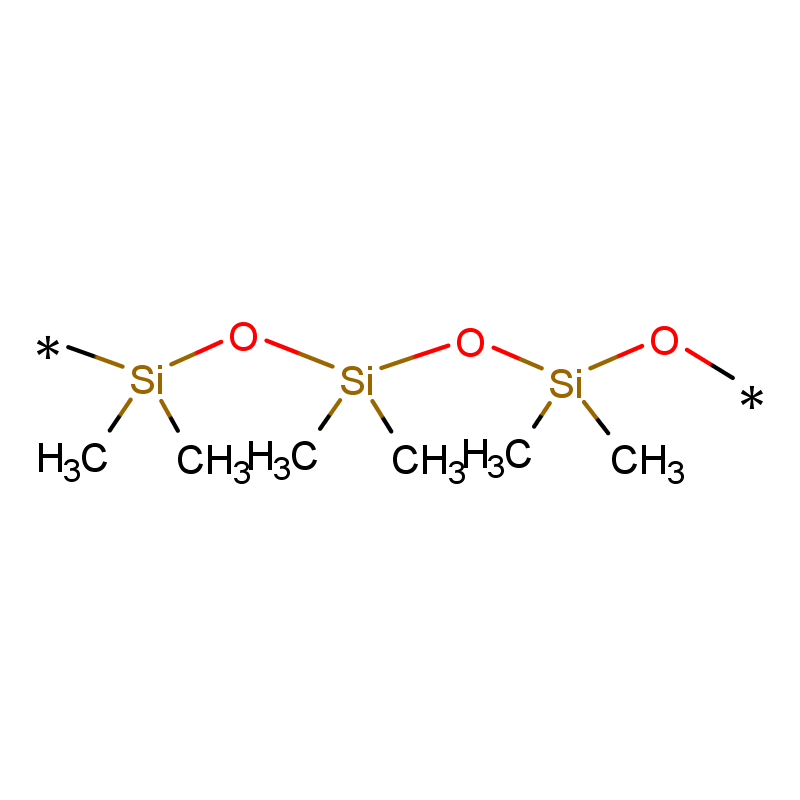
| Dimethicone | Dimethicone | 9006-65-9 | Provides smoothness, lubrication, and protective film formation |
| Cyclopentasiloxane | Cyclopentasiloxane | 541-02-6 | Volatile silicone that improves spreadability and reduces heavy after-feel |
| Cyclohexasiloxane | Cyclohexasiloxane | 540-97-6 | Volatile silicone used in selected sensory formulations |
| Phenyl Trimethicone | Phenyl Trimethicone | 2116-84-9 | Enhances gloss, smoothness, and conditioning |
| Caprylyl Methicone | Caprylyl Methicone | 17955-88-3 | Lightweight silicone emollient with good spreading properties |
| Dimethiconol | Dimethiconol | 70131-67-8 | High-molecular-weight silicone used for conditioning and film formation |
Silicone Elastomers
Silicone elastomers, commonly supplied as crosslinked silicone gels or dispersions, are used to improve texture and sensory performance.
Their principal functions include:
- Providing a soft-focus or powdery sensory effect.
- Reducing surface tackiness and greasiness.
- Improving product spreadability.
- Enhancing the texture of primers, foundations, and skincare products.
- Helping create smooth, cushion-like formulations.
Advantages and Limitations
Advantages
- Excellent lubrication and smooth skin feel.
- Good resistance to oxidation.
- Effective sensory modification.
- Certain grades provide water resistance and film-forming properties.
Limitations
- Different silicone grades have different compatibility requirements.
- Volatile silicones may be subject to specific regulatory restrictions depending on application and market.
- Some conventional silicone materials raise environmental persistence concerns, encouraging the development of alternative emollients.
4.2 Waxes and Structuring Lipids
Waxes are used primarily to control the hardness, consistency, viscosity, and structural integrity of anhydrous and emulsion-based cosmetic products.
| Raw Material | INCI Name | CAS No. | Main Characteristics and Applications |
|---|---|---|---|
| Beeswax | Beeswax | 8012-89-3 | Natural wax used for consistency and protective film formation |
| Candelilla Wax | Euphorbia Cerifera (Candelilla) Wax | 8006-44-8 | Hard plant wax used in lipsticks and balms |
| Carnauba Wax | Copernicia Cerifera (Carnauba) Wax | 8015-86-9 | High-melting-point wax that improves hardness and gloss |
| Synthetic Wax | Synthetic Wax | 8002-74-2* | Used to adjust hardness and product structure |
| Microcrystalline Wax | Microcrystalline Wax | 63231-60-7 | Improves flexibility and oil retention |
The CAS number for a particular Synthetic Wax grade depends on its chemical identity and should not be assumed to be identical to paraffin wax.
Main applications
- Lipsticks and lip balms.
- Body balms and protective ointments.
- Solid perfumes.
- Cleansing balms.
- Anhydrous skincare formulations.
Waxes are often combined with liquid oils and butters to achieve the required hardness, melting behavior, and application characteristics.
4.3 Fatty Acids
Fatty acids are important cosmetic raw materials used as emollients, emulsifier components, surfactant intermediates, and formulation structuring agents.
| Raw Material | INCI Name | CAS No. | Main Characteristics and Applications |
|---|---|---|---|
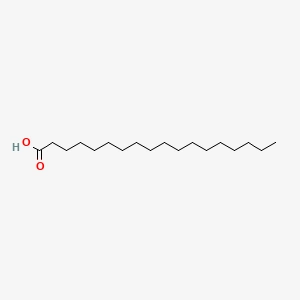
| Stearic Acid | Stearic Acid | 57-11-4 | Used in creams, emulsions, and cleansing formulations |
| Palmitic Acid | Palmitic Acid | 57-10-3 | Provides consistency and contributes to emulsion structure |
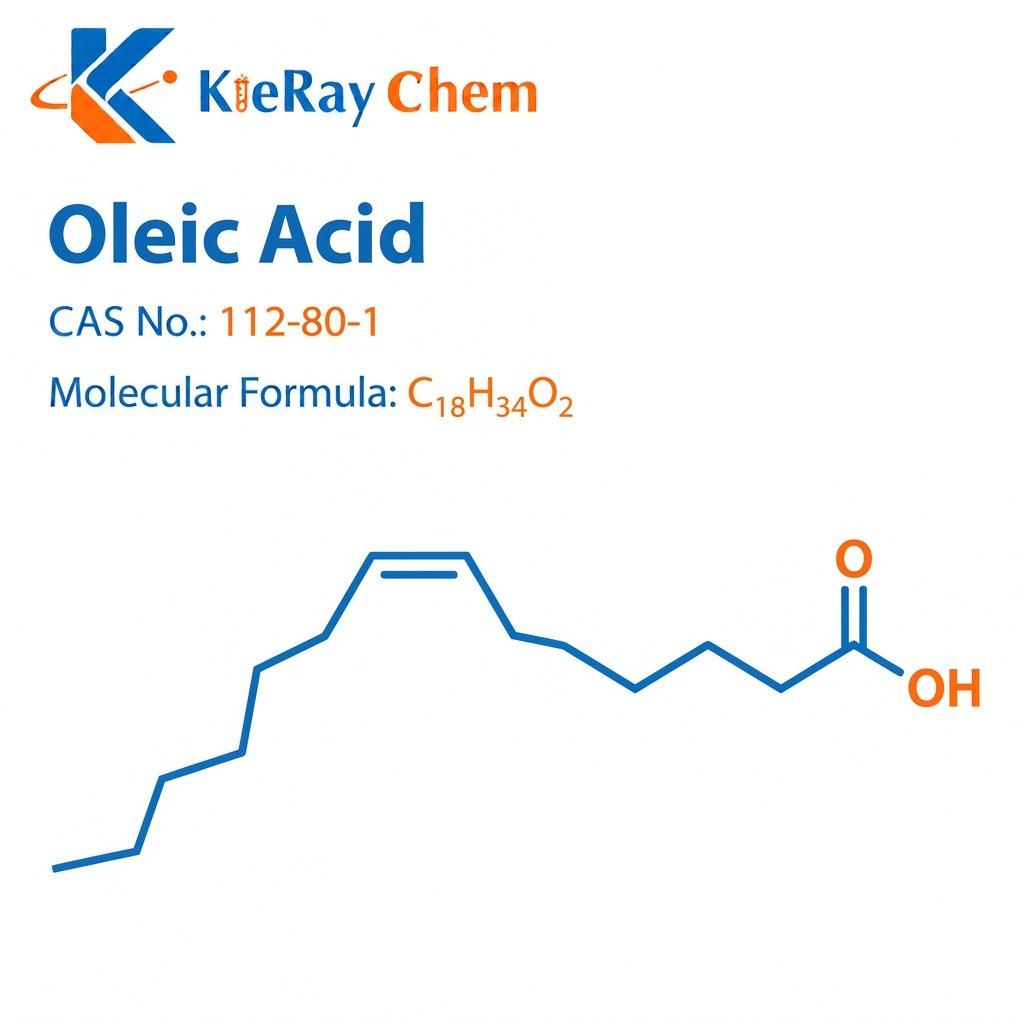
| Oleic Acid | Oleic Acid | 112-80-1 | Emollient and formulation intermediate |
| Lauric Acid | Lauric Acid | 143-07-7 | Used in cleansing and surfactant systems |
| Myristic Acid | Myristic Acid | 544-63-8 | Used in soaps, cleansing products, and emulsions |
Fatty acids can contribute to product viscosity, emulsion structure, cleansing performance, and skin conditioning, depending on their concentration and formulation environment.
4.4 Fatty Alcohols
Fatty alcohols are long-chain alcohols that function primarily as emollients, viscosity modifiers, and formulation stabilizers.
| Raw Material | INCI Name | CAS No. | Main Characteristics and Applications |
|---|---|---|---|
| Cetyl Alcohol | Cetyl Alcohol | 36653-82-4 | Provides thickening, emolliency, and texture improvement |
| Stearyl Alcohol | Stearyl Alcohol | 112-92-5 | Enhances viscosity and product consistency |
| Cetearyl Alcohol | Cetearyl Alcohol | 67762-27-0 | Commonly used as a consistency agent and emulsion stabilizer |
| Behenyl Alcohol | Behenyl Alcohol | 661-19-8 | Provides structure and a rich sensory profile |
| Myristyl Alcohol | Myristyl Alcohol | 112-72-1 | Used as an emollient and consistency modifier |
Role in Emulsion Systems
Fatty alcohols are particularly important in oil-in-water emulsions. When combined with suitable emulsifiers, they can contribute to lamellar structures that improve viscosity, stability, and sensory performance.
They are commonly used in:
- Facial creams.
- Body lotions.
- Hair conditioners.
- Cleansing creams.
- Sunscreen emulsions.
Chapter 5. Functional Lipids and Advanced Formulation Technologies
Functional lipids represent a more specialized category of cosmetic ingredients. Unlike conventional emollients, which mainly improve lubrication and skin feel, these materials are selected for their contribution to skin barrier function, lipid organization, active ingredient delivery, and advanced formulation performance.
5.1 Biomimetic Lipids and Skin Barrier Components
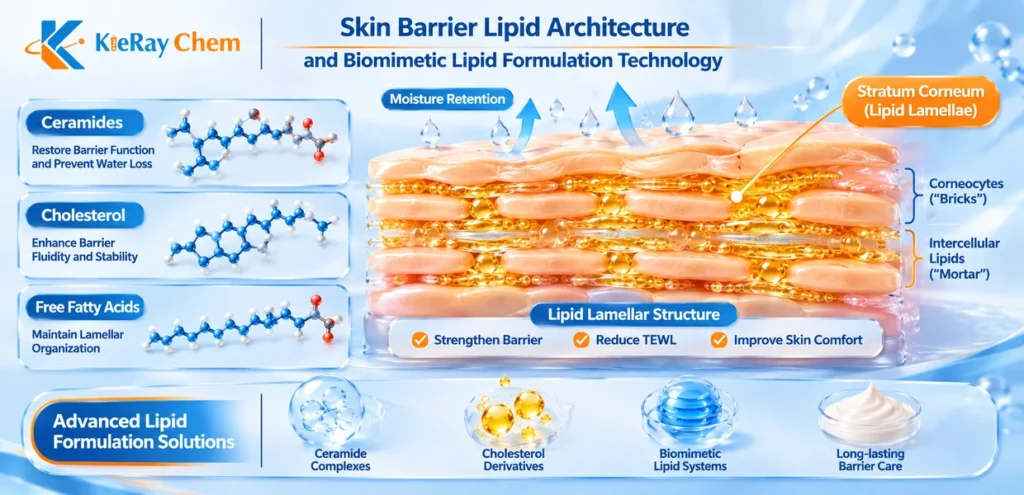
The outermost layer of the skin, the stratum corneum, contains a structured lipid matrix composed primarily of ceramides, cholesterol, and free fatty acids.
Cosmetic formulations containing biomimetic lipids aim to complement this natural lipid environment and support skin barrier conditioning.
| Ingredient | INCI Name | CAS No. | Main Functions |
|---|---|---|---|
| Ceramide NP | Ceramide NP | 100403-19-8* | Supports skin barrier conditioning |
| Ceramide AP | Ceramide AP | 212070-44-1* | Used in advanced barrier-support formulations |
| Ceramide EOP | Ceramide EOP | 179186-94-0* | Used in biomimetic lipid systems |
| Cholesterol | Cholesterol | 57-88-5 | Important component of skin-related lipid structures |
| Phytosphingosine | Phytosphingosine | 554-62-1 | Skin-conditioning lipid associated with ceramide systems |
| Hydrogenated Lecithin | Hydrogenated Lecithin | 92128-87-5 | Phospholipid-based ingredient used in emulsification and delivery systems |
Ceramide CAS identifiers can vary by chemical structure, stereochemistry, and commercial material. Exact INCI identity and supplier documentation should be checked before publication or procurement.
Formulation Applications
- Barrier-support creams.
- Sensitive-skin skincare.
- Dry and mature skin products.
- Post-procedure cosmetic care.
- Advanced moisturizing formulations.
Ceramide-Based Lipid Systems
Ceramides are frequently combined with cholesterol and fatty acids to create multi-component lipid systems.
The selection and ratio of these components can influence:
- Lipid organization.
- Product texture.
- Dispersion stability.
- Compatibility with the aqueous and oil phases.
- Finished-product sensory performance.
The use of appropriate emulsification and dispersion technology is essential because some ceramides have limited solubility in conventional cosmetic oils.
5.2 Functional and Specialty Lipids
Specialty lipids are used to provide additional functions beyond basic emolliency.
| Ingredient | INCI Name | CAS No. | Main Applications |
|---|---|---|---|
| Squalane | Squalane | 111-01-3 | Lightweight emollient and skin conditioning |
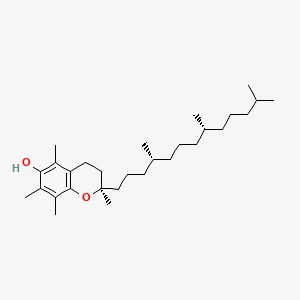
| Tocopherol | Tocopherol | 59-02-9 | Oil-phase antioxidant |
| Phytosterols | Phytosterols | 83-46-5* | Skin conditioning and lipid formulation support |
| Lecithin | Lecithin | 8002-43-5 | Emulsification and lipid delivery |
| Phosphatidylcholine | Phosphatidylcholine | 8002-43-5* | Liposome and phospholipid-based delivery systems |
Commercial phytosterol and phospholipid materials may be mixtures; CAS identification should be checked against the exact composition.
Important Functional Roles
Antioxidant Protection
Tocopherol is commonly added to oil phases to help reduce oxidative deterioration of oxidation-sensitive ingredients. Its effectiveness depends on the oil composition, concentration, processing conditions, and packaging.
Barrier Conditioning
Phytosterols and phospholipids can be incorporated into specialized formulations designed to improve skin conditioning and lipid compatibility.
Lipid-Based Delivery
Phospholipids can be used to develop vesicular and other lipid-based delivery systems for selected cosmetic ingredients.
5.3 Next-Generation Cosmetic Emollients
The development of modern cosmetic oils is increasingly influenced by consumer demand for lightweight textures, renewable feedstocks, improved biodegradability, and more sustainable manufacturing processes.
Important development directions include:
1. Bio-Based Hydrocarbons
Bio-based hydrocarbons are developed using renewable feedstocks and conversion technologies.
Potential benefits include:
- Reduced dependence on conventional fossil-based raw materials.
- Lightweight sensory performance.
- Compatibility with selected silicone-free formulations.
- Opportunities for improved supply-chain sustainability.
2. Sustainable Synthetic Esters
New ester technologies focus on renewable starting materials, improved biodegradability, and optimized sensory characteristics.
These ingredients can be designed to provide:
- Fast spreading.
- Dry-touch sensory profiles.
- Low tackiness.
- Improved compatibility with active ingredients.
- Reduced environmental impact, depending on the specific material.
3. Silicone Alternatives
Silicone alternatives include selected esters, hydrocarbons, and other engineered emollients designed to reproduce some of the spreading and sensory properties of volatile or nonvolatile silicones.
Typical formulation objectives include:
- Smooth application.
- Reduced greasy after-feel.
- Improved slip.
- Enhanced makeup spreadability.
- Compatibility with silicone-free product concepts.
4. Fermentation-Derived Lipids
Biotechnology and microbial fermentation offer alternative routes for producing selected lipid ingredients.
Potential applications include:
- Specialty fatty acids.
- Lipid intermediates.
- Biosurfactants.
- Renewable emollient feedstocks.
5. Biodegradable and Environmentally Optimized Emollients
Future ingredient development increasingly considers biodegradability, renewable carbon content, production efficiency, and life-cycle environmental impact.
These properties should be evaluated using ingredient-specific test data rather than assumed from a natural or bio-based origin.
5.4 Advanced Lipid Formulation Technologies
Advanced formulation technologies allow cosmetic oils and lipids to be incorporated into more sophisticated delivery and structural systems.
| Technology | Description | Typical Applications |
|---|---|---|
| Lamellar Emulsion Systems | Structured emulsions containing organized lipid layers | Barrier-support creams and moisturizing products |
| Liposome Technology | Phospholipid vesicles used to encapsulate selected ingredients | Specialty skincare and active delivery |
| Nanoemulsion Systems | Fine oil droplets dispersed in an aqueous phase | Lightweight serums and selected delivery systems |
| Multiple Emulsions | Systems such as W/O/W or O/W/O | Specialized release and formulation applications |
| Encapsulated Lipid Delivery | Lipid ingredients incorporated into protective carrier systems | Improved dispersion and controlled delivery concepts |
These technologies can improve ingredient dispersion, formulation aesthetics, and delivery characteristics. However, their effectiveness must be demonstrated through appropriate stability, release, and finished-product testing.
Chapter 6. Oil Phase Formulation, Ingredient Selection, and Quality Control
The performance of cosmetic oils depends not only on individual ingredient properties but also on their compatibility and interactions within the complete formulation.
Oil-phase design therefore requires consideration of product positioning, emulsifier selection, sensory targets, active ingredient compatibility, processing conditions, and long-term stability.
6.1 Oil Phase Design and Formulation Strategies
Different cosmetic product types require different combinations of oils and lipids.
| Product Type | Main Formulation Requirements | Recommended Oil Categories |
|---|---|---|
| Facial Creams | Emolliency, moisture retention, barrier conditioning | Plant oils, synthetic esters, fatty alcohols, ceramides |
| Facial Serums | Lightweight texture, rapid spreading, low tackiness | Squalane, light esters, selected hydrocarbons |
| Sunscreens | UV-filter compatibility, spreading, film formation | C12-15 Alkyl Benzoate, selected esters, silicones |
| Cleansing Oils | Makeup dissolution, spreading, emulsification and rinsability | Synthetic esters, triglycerides, hydrocarbon oils |
| Lip Care Products | Gloss, adhesion, protective film, structure | Castor oil, waxes, polybutene, specialty esters |
| Body Lotions | Cost efficiency, spreadability, moisturization | Mineral oils, plant oils, synthetic esters |
| Hair Conditioners | Lubrication, smoothness, reduced friction | Dimethicone, Dimethiconol, selected oils |
Practical Formulation Principles
Lightweight Formulations
Use low-viscosity esters, selected hydrocarbons, or lightweight silicone alternatives to improve spreading and reduce greasy after-feel.
Rich and Nourishing Formulations
Combine plant oils, butters, and medium- to high-viscosity emollients to provide a richer sensory profile.
Barrier-Support Formulations
Consider ceramides, cholesterol, fatty acids, and appropriate emollients in a compatible lipid system.
High-Protection Formulations
Use petrolatum, mineral oil, waxes, or other film-forming materials where stronger surface protection is required.
Color Cosmetics
Select appropriate polar esters and specialty oils to improve pigment wetting, dispersion, adhesion, and gloss.

6.2 Oil Compatibility and Formulation Optimization
Compatibility between oil-phase ingredients is critical to achieving stable and aesthetically acceptable products.
1. Oil Polarity and Emulsifier Compatibility
The polarity of oils influences their interaction with emulsifiers, UV filters, pigments, and other oil-soluble components.
Selecting oils with compatible properties can help improve:
- Emulsification efficiency.
- Pigment dispersion.
- Ingredient solubilization.
- Physical stability.
2. Oil-Phase Viscosity and Sensory Optimization
Combining oils with different viscosities can help balance spreadability, richness, and after-feel.
For example, a lightweight ester can be combined with a higher-viscosity emollient to achieve a formulation that spreads easily while retaining a comfortable protective feel.
3. Oxidative Stability Management
Oils containing high levels of unsaturated fatty acids may require additional oxidative protection.
Common strategies include:
- Selecting more oxidation-resistant oils.
- Adding suitable antioxidants such as tocopherol.
- Minimizing unnecessary heat exposure during processing.
- Using protective packaging.
- Reducing exposure to oxygen and light.
4. Low-Temperature Stability
Certain oils, butters, and waxes may crystallize or change consistency during storage at low temperatures.
Formulators should evaluate:
- Crystallization behavior.
- Phase separation.
- Changes in viscosity.
- Graininess in butters and wax-containing products.
- Reversibility after temperature cycling.
5. Active Ingredient Compatibility
Oil-soluble cosmetic actives, UV filters, fragrances, and antioxidants require appropriate solvent and carrier selection.
The oil phase should be evaluated for solubility, compatibility, and stability under the intended manufacturing and storage conditions.
6.3 Raw Material Quality Control
Quality control is essential for maintaining raw material consistency and finished-product performance.
The most important quality indicators include:
| Parameter | Purpose | Application |
|---|---|---|
| Acid Value | Measures free fatty acid content | Natural oils and lipid materials |
| Peroxide Value | Indicates primary oxidation products | Oxidation-sensitive oils |
| Iodine Value | Estimates degree of unsaturation | Vegetable oils and fatty materials |
| Saponification Value | Supports characterization of saponifiable materials | Triglycerides and fats |
| Fatty Acid Composition | Identifies the fatty acid profile | Natural oils and specialty lipids |
| Viscosity | Evaluates flow and consistency | Liquid oils, esters, and polymers |
| Color and Odor | Evaluates sensory and quality consistency | Natural and processed oils |
| Oxidative Stability | Assesses resistance to deterioration | Unsaturated oils and oil blends |
Additional quality and safety evaluations may include:
- Heavy metal testing.
- Residual solvent analysis.
- Microbiological testing, where applicable.
- Residual impurities and contaminant testing.
- Supplier-specific purity and composition specifications.
For commercial procurement, formulators should review the following documents:
- Technical Data Sheet (TDS).
- Safety Data Sheet (SDS).
- Certificate of Analysis (COA).
- INCI declaration.
- CAS identification and chemical composition.
- Relevant regulatory and quality certifications.
6.4 Ingredient Selection Matrix
The following matrix provides a practical starting point for selecting oil ingredients according to formulation requirements.
| Formulation Requirement | Recommended Ingredient Categories | Representative Ingredients |
|---|---|---|
| Lightweight Skin Feel | Light Esters, Isoalkanes | Dicaprylyl Carbonate, Isohexadecane |
| Rich and Nourishing Feel | Plant Oils, Butters, Heavy Esters | Shea Butter, Olive Oil, Castor Oil |
| Long-Lasting Occlusion | Petrolatum, Mineral Oil, Waxes | Petrolatum, Mineral Oil, Beeswax |
| Dry and Silky Finish | Lightweight Esters, Selected Hydrocarbons | C12-15 Alkyl Benzoate, Squalane |
| Barrier Support | Biomimetic Lipids | Ceramide NP, Cholesterol, Phospholipids |
| Pigment Wetting | Polar Esters | Diisostearyl Malate, Castor Oil |
| High Oxidative Stability | Saturated Esters, Hydrogenated Hydrocarbons | Caprylic/Capric Triglyceride, Hydrogenated Polyisobutene |
| Natural-Origin Formulations | Plant Oils, Natural Waxes | Jojoba Oil, Sunflower Seed Oil, Candelilla Wax |
| Silicone-Free Formulations | Esters and Hydrocarbons | Coco-Caprylate/Caprate, Hemisqualane |
| Protective Lip Care | Waxes, Film-Forming Emollients | Beeswax, Polybutene, Castor Oil |
Ingredient selection should always be validated through laboratory formulation trials and finished-product performance testing.
6.5 Future Outlook of Cosmetic Oil Technology
The cosmetic oil industry is evolving toward higher-performance, more sustainable, and more multifunctional lipid systems.
Several trends are expected to influence future ingredient development:
1. Sustainable and Bio-Based Raw Materials
Renewable feedstocks, bio-based hydrocarbons, and fermentation-derived ingredients are receiving increasing attention as alternatives to conventional petroleum-derived materials.
2. Lightweight and High-Performance Emollients
Consumer demand for fast-spreading, non-greasy, and silky formulations is encouraging the development of advanced ester and hydrocarbon technologies.
3. Skin Barrier and Biomimetic Lipid Technologies
Ceramides, cholesterol, phospholipids, and other skin-compatible lipids are becoming increasingly important in products targeting dryness, sensitivity, and barrier support.
4. Silicone Alternative Technologies
New ester-based and hydrocarbon-based emollients are being developed to provide silicone-like sensory properties while supporting different environmental and formulation objectives.
5. Advanced Lipid Delivery Systems
Liposomes, lamellar emulsions, nanoemulsions, and encapsulated lipid technologies offer opportunities for more sophisticated formulation design and ingredient delivery.
6. Improved Quality and Supply-Chain Transparency
Greater attention to raw material traceability, composition consistency, sustainability documentation, and regulatory compliance will continue to shape cosmetic ingredient sourcing.
Conclusion
Cosmetic oils and lipids are far more than simple moisturizing ingredients. They are multifunctional formulation components that influence skin feel, lubrication, moisture retention, barrier conditioning, product stability, and overall consumer experience.
Natural plant oils provide diverse fatty acid compositions and strong natural-origin positioning. Mineral oils and hydrocarbons offer stability and protective performance, while synthetic esters provide considerable flexibility in sensory and formulation design. Silicone-based ingredients, waxes, fatty acids, and fatty alcohols contribute specialized conditioning and structural functions. Biomimetic lipids and advanced delivery technologies further expand the possibilities of modern skincare development.
For cosmetic formulators and raw material developers, successful oil-phase design depends on selecting ingredients according to their functional performance, compatibility, stability, quality specifications, and intended product application.
As the industry continues to evolve, the combination of sustainable raw materials, advanced emollient engineering, skin-compatible lipids, and innovative delivery technologies will play an increasingly important role in the next generation of cosmetic formulations.