Chapter 1. Fundamentals of Surfactant Chemistry and Interfacial Science
1.1 Molecular Structure and Amphiphilic Characteristics
Surfactants (Surface Active Agents) are amphiphilic compounds consisting of two distinct molecular domains:
- Hydrophilic Group: A polar or ionic moiety exhibiting affinity for aqueous media.
- Hydrophobic Group: Typically a long-chain hydrocarbon or other nonpolar structure exhibiting affinity for oils and organic phases.
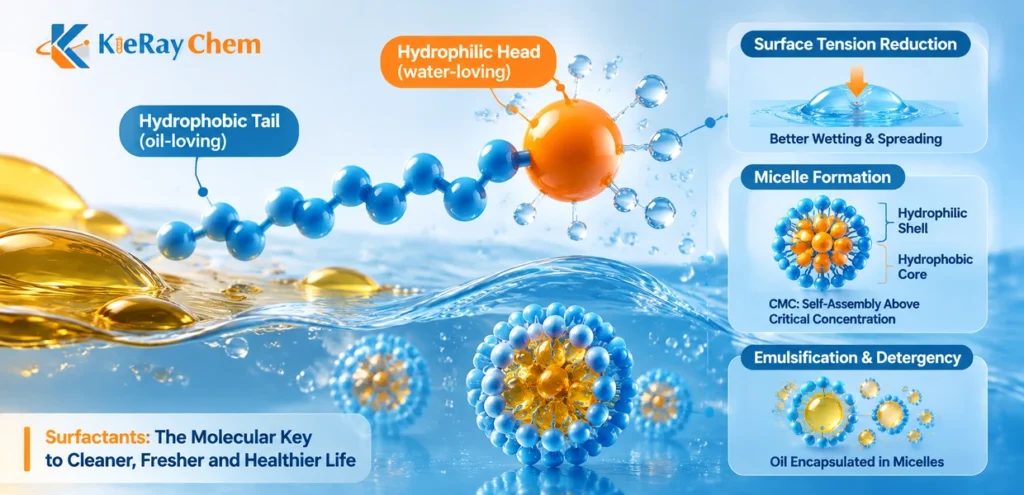
This amphiphilic architecture enables surfactants to adsorb at interfaces and modify interfacial free energy, making them essential ingredients in detergency, emulsification, wetting, dispersion and solubilization.
1.2 Surface and Interfacial Tension Reduction
Surfactants adsorb at gas–liquid, liquid–liquid and solid–liquid interfaces, reducing surface or interfacial tension.
Their primary effects include:
- Improving substrate wettability and liquid spreading.
- Facilitating oil–water emulsification.
- Enhancing penetration into porous materials and fibers.
- Promoting the dispersion of hydrophobic contaminants.
1.3 Critical Micelle Concentration (CMC) and Micellization
The Critical Micelle Concentration (CMC) represents the characteristic concentration above which surfactant molecules increasingly self-assemble into micelles.
In aqueous systems, conventional micelles typically exhibit hydrophobic cores surrounded by hydrophilic outer regions.
Micellization facilitates the incorporation and solubilization of hydrophobic substances, contributing to detergency and oil removal.
CMC is influenced by molecular structure, hydrophobic chain length, temperature, electrolyte concentration and surfactant composition.
1.4 Hydrophilic-Lipophilic Balance (HLB)
The Hydrophilic-Lipophilic Balance (HLB) is an empirical parameter used primarily to characterize the relative hydrophilicity and lipophilicity of nonionic surfactants.
- Low HLB: Generally favors water-in-oil (W/O) emulsification.
- High HLB: Generally favors oil-in-water (O/W) emulsification and solubilization.
HLB provides an initial guideline for emulsifier selection. Actual performance also depends on oil-phase polarity, temperature, molecular structure and formulation composition.
1.5 Surfactant Self-Assembly Structures
Depending on molecular geometry and environmental conditions, surfactants can form various supramolecular structures:
- Spherical and Rod-like Micelles
- Reverse Micelles
- Vesicles
- Lamellar Liquid Crystals
- Microemulsions
- Bicontinuous Structures
These self-assembled structures influence rheology, solubilization capacity, formulation stability and controlled-release performance.
Chapter 2. Classification, Chemical Structures and Representative Surfactant Ingredients
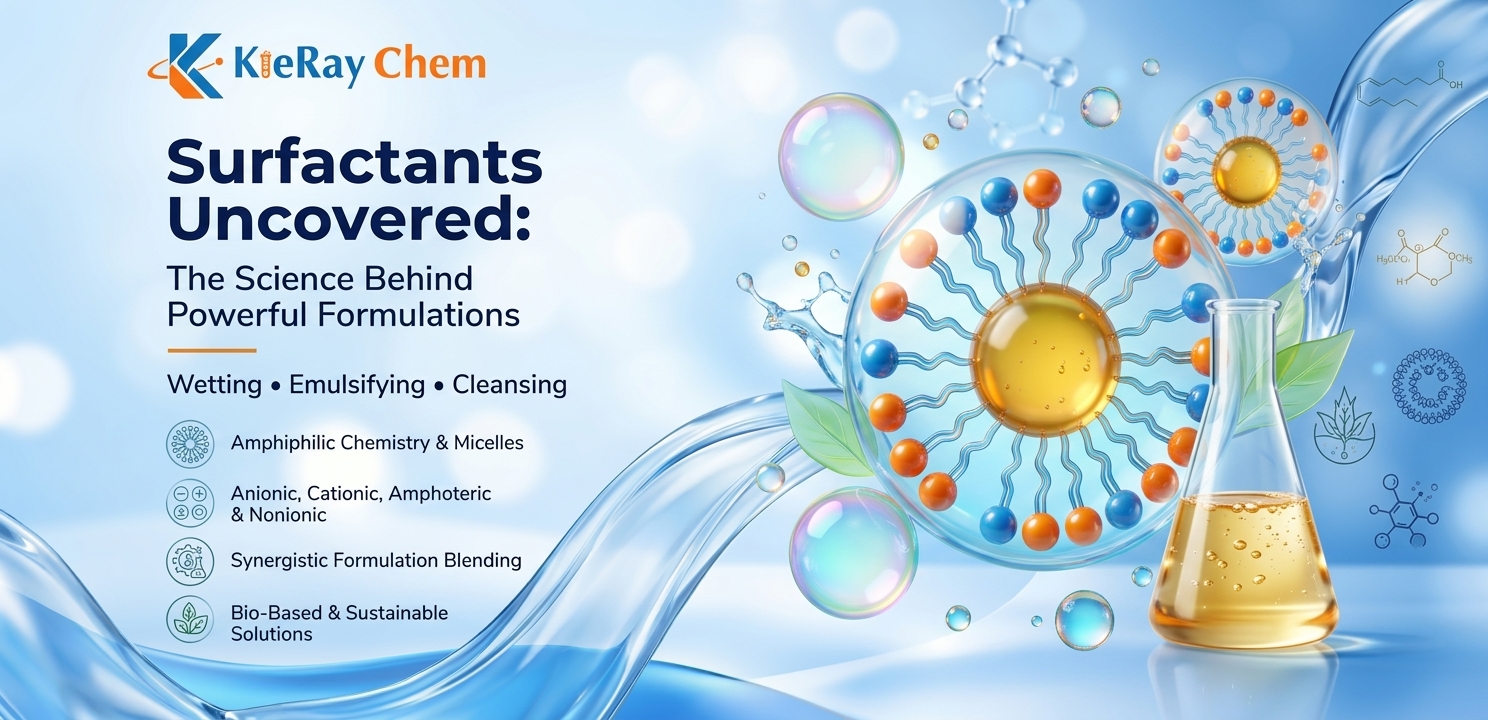
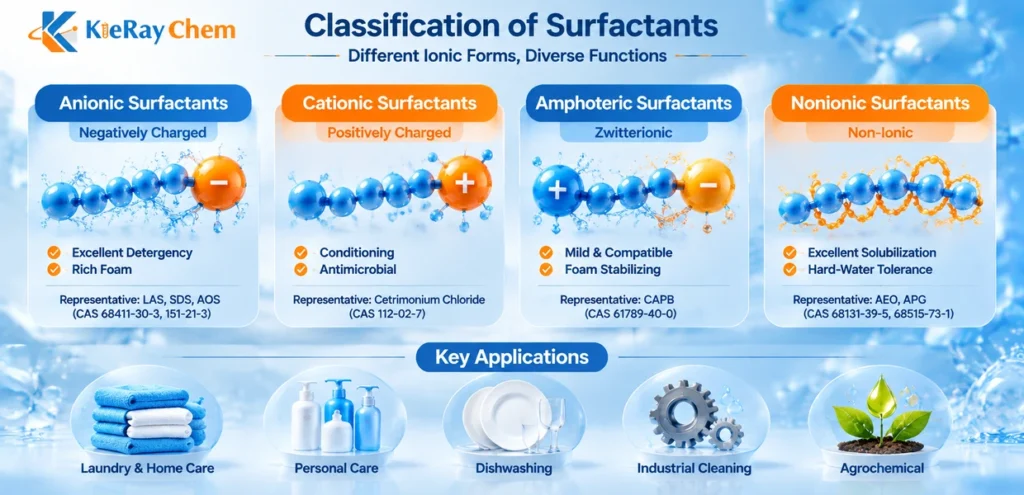
Surfactants are conventionally classified according to the ionic characteristics of their hydrophilic groups into four major categories: anionic, cationic, amphoteric and nonionic surfactants.
2.1 Anionic Surfactants
Anionic surfactants carry negatively charged hydrophilic groups in aqueous solutions. They are widely used in detergents and personal care formulations due to their detergency, foaming and wetting properties.
| Chemical Class | Representative Ingredients | CAS No. |
|---|---|---|
| Alkylbenzene Sulfonates | Sodium Linear Alkylbenzene Sulfonate (LAS) | 68411-30-3 |
| Alpha-Olefin Sulfonates | Sodium Alpha-Olefin Sulfonate (AOS) | 68439-57-6 |
| Secondary Alkane Sulfonates | Sodium Secondary Alkane Sulfonate (SAS) | 5324-84-5 |
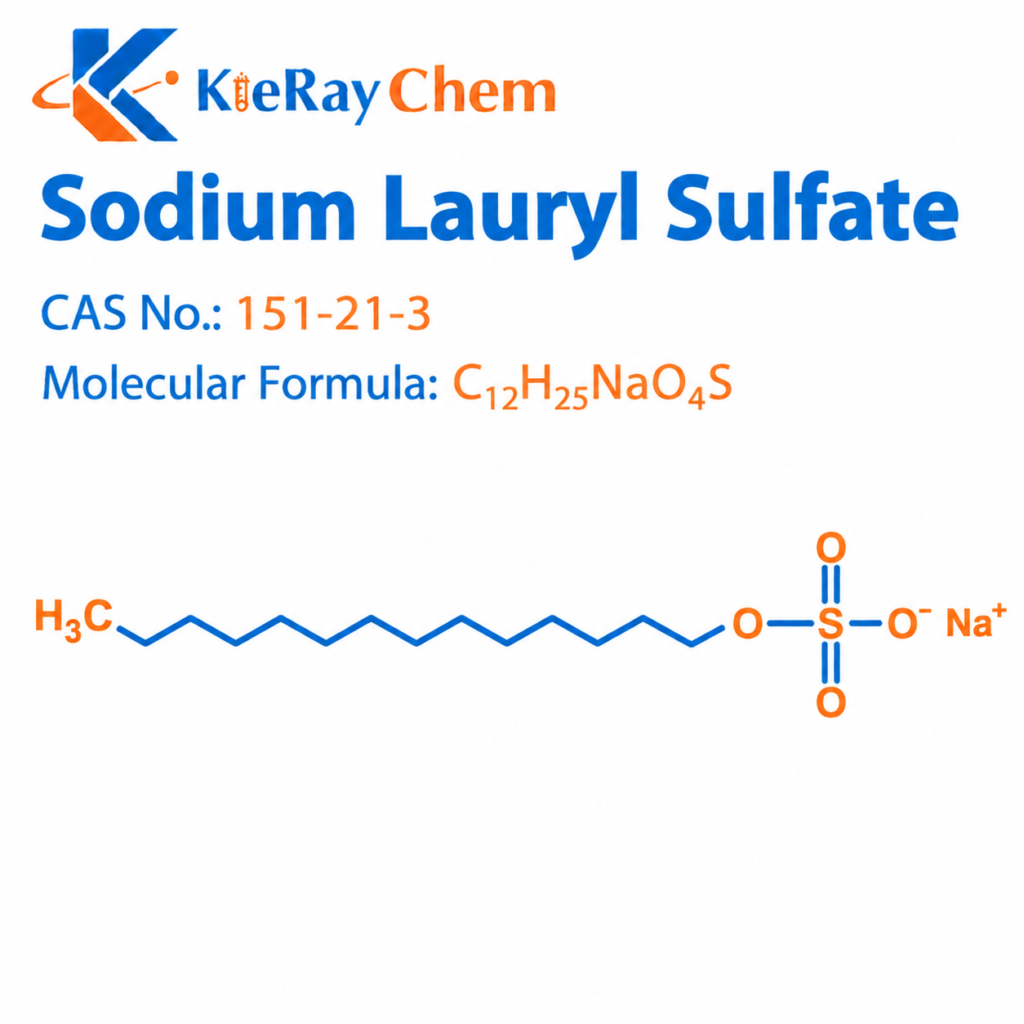
| Alkyl Sulfates | Sodium Lauryl Sulfate (SLS/SDS) | 151-21-3 |
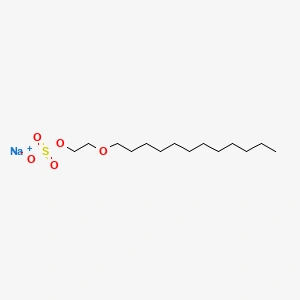
| Ether Sulfates | Sodium Laureth Sulfate (SLES/AES) | 68891-38-3 |
| Fatty Acid Salts | Sodium Stearate | 822-16-2 |
| Amino Acid Surfactants | Sodium Lauroyl Glutamate | 29923-31-7 |
Key Applications: Laundry detergents, shampoos, body washes, dishwashing liquids and facial cleansers.
Emerging Ingredients:
- Sodium Cocoyl Glycinate — CAS 90387-74-9
- Sodium Lauroyl Sarcosinate — CAS 137-16-6
- Sodium Lauroyl Glutamate — CAS 29923-31-7
These amino acid-based surfactants are increasingly incorporated into mild cleansing systems.
2.2 Cationic Surfactants
Cationic surfactants carry positively charged hydrophilic groups, commonly based on quaternary ammonium or protonated amine structures.
Their principal functions include conditioning, fabric softening, antistatic treatment and antimicrobial activity, depending on molecular structure and application.
| Chemical Class | Representative Ingredients | CAS No. |
|---|---|---|
| Quaternary Ammonium Salts | Cetrimonium Chloride | 112-02-7 |
| Dialkyl Quaternary Ammonium Salts | Distearyldimonium Chloride | 107-64-2 |
| Benzalkonium Compounds | Benzalkonium Chloride | 8001-54-5 |
| Fatty Amine Derivatives | Stearamidopropyl Dimethylamine | 7651-02-7 |
Key Applications:
- Hair conditioners and conditioning masks.
- Fabric softeners.
- Antistatic formulations.
- Selected disinfectant and antimicrobial products.
Cationic surfactants may exhibit incompatibility with anionic surfactants due to ionic complexation or precipitation.
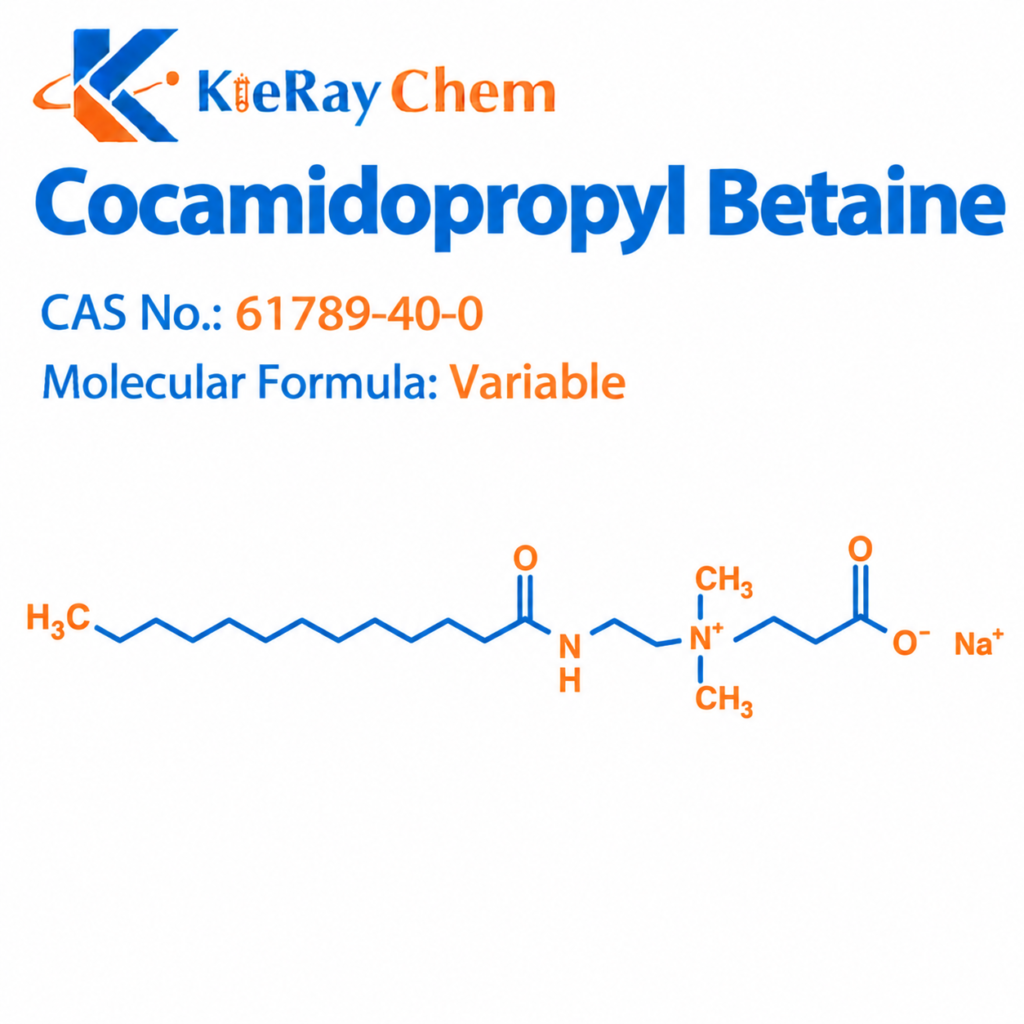
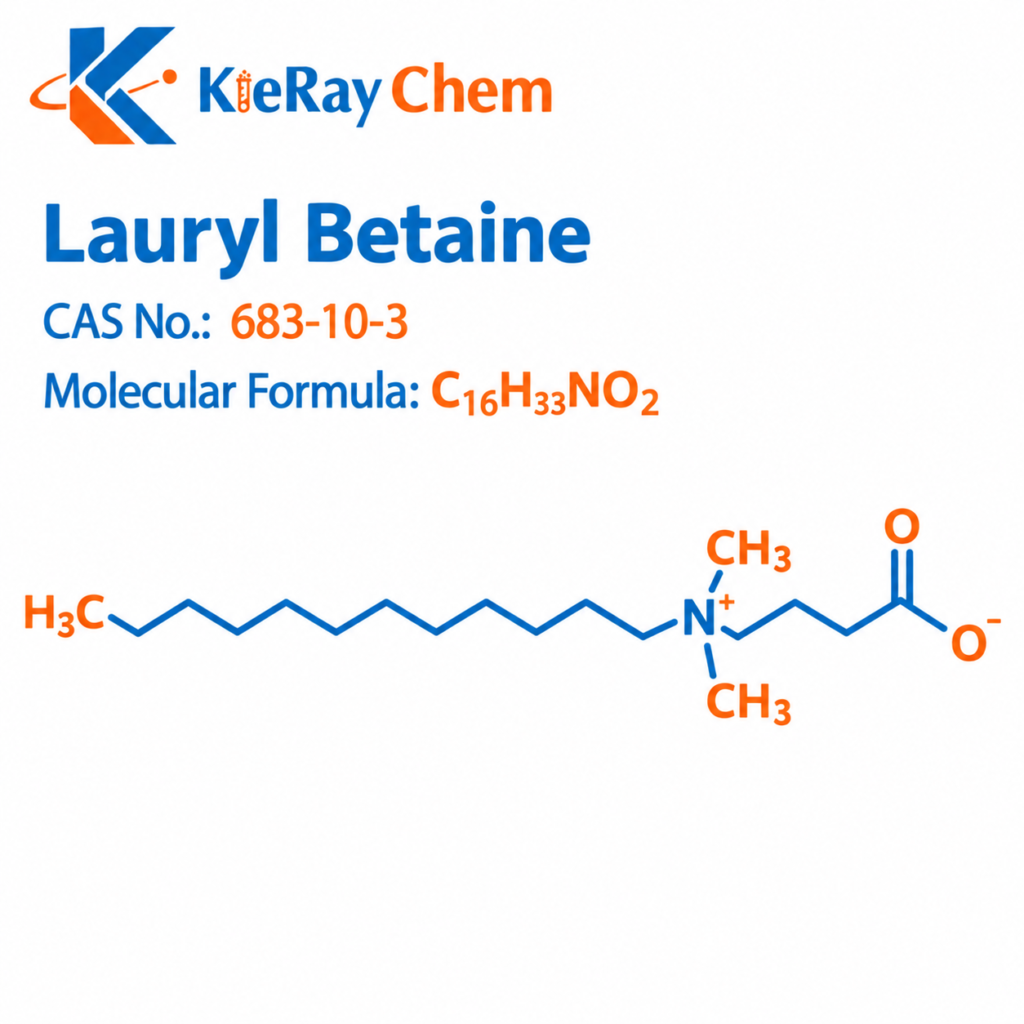
2.3 Amphoteric and Zwitterionic Surfactants
Amphoteric surfactants contain both positively and negatively charged functional groups. Their ionic behavior depends on molecular structure and solution pH.
| Chemical Class | Representative Ingredients | CAS No. |
|---|---|---|
| Betaine Surfactants | Cocamidopropyl Betaine (CAPB) | 61789-40-0 |
| Alkyl Betaines | Lauryl Betaine | 683-10-3 |
| Amphodiacetates | Disodium Cocoamphodiacetate | 68650-39-5 |
| Amphoteric Acetates | Sodium Cocoamphoacetate | 68334-21-4 |
Key Properties:
- Good formulation compatibility.
- Foam stabilization and enhancement.
- Improved mildness in appropriately designed cleansing systems.
- Compatibility with selected anionic and nonionic surfactants.
Key Applications: Baby care products, facial cleansers, shampoos and body washes.
2.4 Nonionic Surfactants
Nonionic surfactants do not carry a permanent ionic charge in aqueous solutions. Their hydrophilicity is primarily derived from polyoxyethylene chains, hydroxyl groups and other polar functional groups.
| Chemical Class | Representative Ingredients | CAS No. |
|---|---|---|
| Alcohol Ethoxylates | Fatty Alcohol Ethoxylates (AEO) | 68131-39-5 |
| Alkyl Polyglucosides | Decyl Glucoside | 68515-73-1 |
| Alkyl Polyglucosides | Lauryl Glucoside | 110615-47-9 |
| Polysorbates | Polysorbate 20 | 9005-64-5 |
| Polysorbates | Polysorbate 80 | 9005-65-6 |
| Sorbitan Esters | Sorbitan Monostearate | 1338-41-6 |
Key Properties:
- Good hard-water tolerance.
- Excellent emulsification and solubilization potential.
- Broad compatibility with other surfactant classes.
- Adjustable hydrophilic-lipophilic balance through molecular modification.
2.5 Specialty and Emerging Surfactants
Advanced surfactant technologies include:
| Category | Structural Characteristics | Key Applications |
|---|---|---|
| Gemini Surfactants | Two hydrophilic heads and two hydrophobic chains connected by a spacer | High-efficiency interfacial modification |
| Biosurfactants | Microbially produced glycolipids and lipopeptides | Green cleaning and environmental remediation |
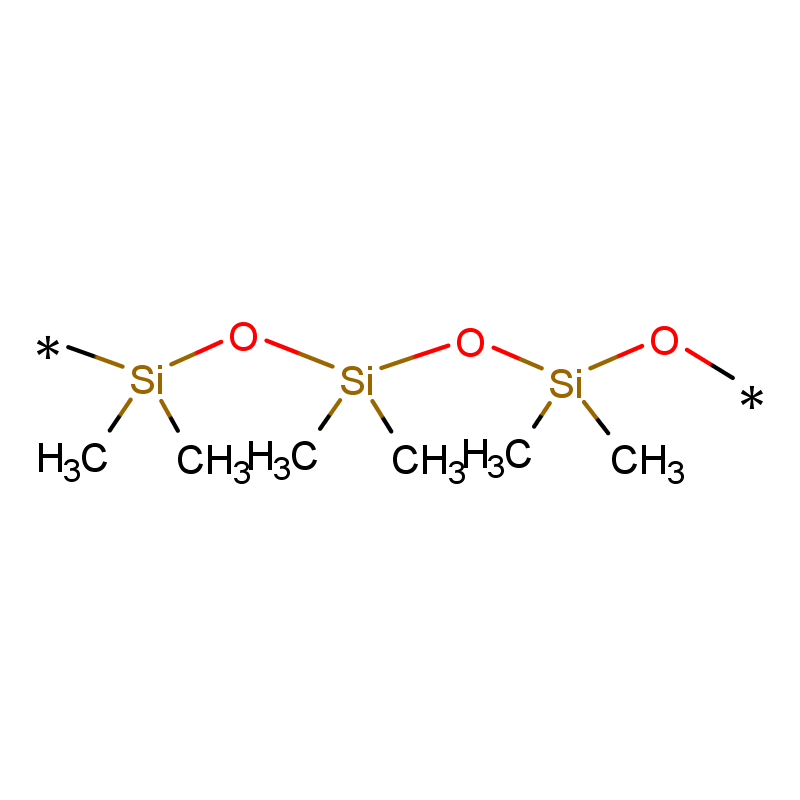
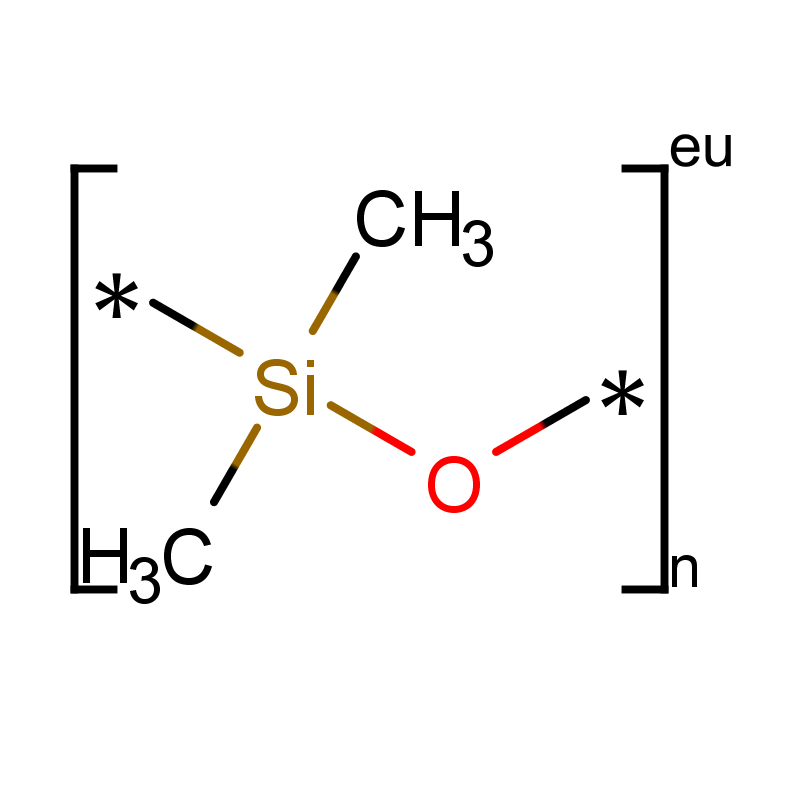
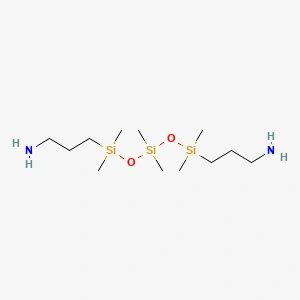
| Silicone Surfactants | Organosiloxane-based structures | Wetting, spreading and foam control |
| Polymeric Surfactants | Amphiphilic polymeric architectures | Dispersion and steric stabilization |
| Fluorinated Surfactants | Fluorocarbon-based hydrophobic segments | Specialized surface treatment |
| Stimuli-Responsive Surfactants | Responsive to pH, temperature, light or redox conditions | Controlled emulsification and delivery |
Representative biosurfactant families include:
- Rhamnolipids
- Sophorolipids
- Mannosylerythritol Lipids
- Lipopeptides
Fluorinated surfactants, particularly persistent PFAS-related substances, require careful environmental and regulatory assessment and are not preferred materials for new sustainable formulations.
Chapter 3. Functional Mechanisms and Interfacial Applications of Surfactants
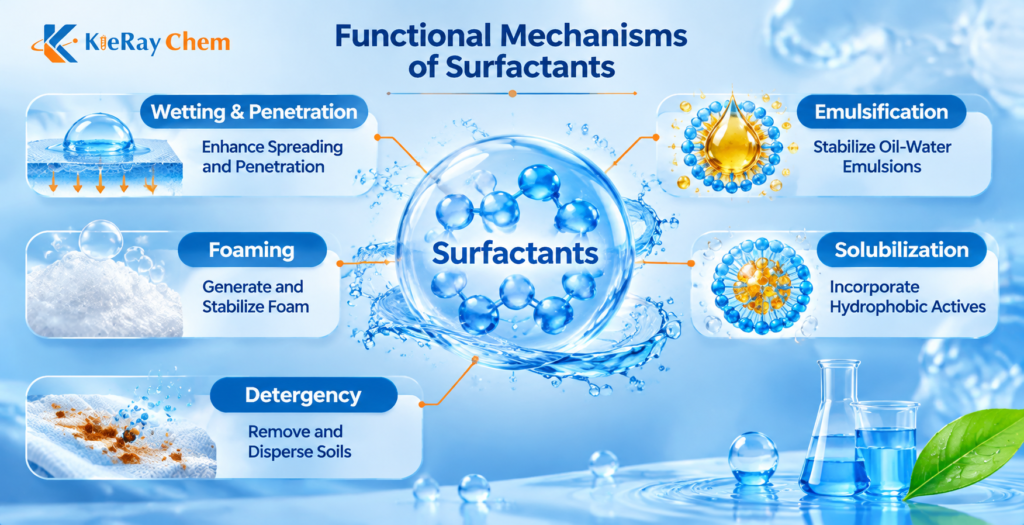
Surfactant functionality is primarily determined by molecular adsorption, interfacial tension modification and self-assembly behavior.
Five major functional mechanisms are particularly important in industrial formulations.
3.1 Wetting and Penetration
Surfactants improve substrate wettability by reducing surface and interfacial tension, facilitating liquid spreading and penetration into porous materials.
Applications:
- Textile pretreatment and dyeing.
- Agricultural spray adjuvants.
- Industrial and metal cleaning.
- Cosmetic cleansing.
- Pigment and powder wetting.
Organosilicone surfactants are particularly useful in applications requiring rapid spreading and low-surface-tension wetting.
3.2 Emulsification
Emulsification involves dispersing one immiscible liquid phase into another through the formation of stabilized droplets.
Two principal emulsion systems are:
- Oil-in-Water (O/W): Oil droplets dispersed in a continuous aqueous phase.
- Water-in-Oil (W/O): Water droplets dispersed in a continuous oil phase.
Emulsion stability depends on emulsifier structure, interfacial film properties, droplet size distribution, continuous-phase rheology and processing conditions.
Advanced Emulsification Technologies:
| Technology | Main Characteristics | Applications |
|---|---|---|
| High-Pressure Homogenization | High-energy droplet size reduction | Nanoemulsions |
| Microfluidic Emulsification | Precise droplet-size control | Monodisperse emulsions |
| Phase Inversion Temperature (PIT) | Temperature-induced phase inversion | Fine O/W emulsions |
| Pickering Emulsification | Particle-stabilized interfaces | Reduced conventional emulsifier systems |
| Liquid Crystal Emulsification | Ordered interfacial structures | Advanced skincare formulations |
3.3 Foaming and Defoaming
Surfactants adsorb at air–water interfaces and promote foam generation and stabilization through interfacial film formation.
Foam performance is influenced by adsorption kinetics, interfacial elasticity, liquid drainage and bubble coalescence.
Foam volume should not be considered a direct indicator of detergency.
Representative defoaming ingredients include:
| Ingredient | CAS No. | Function |
|---|---|---|
| Dimethicone | 9006-65-9 | Silicone-based defoaming |
| Polydimethylsiloxane | 63148-62-9 | Industrial foam control |
| Polypropylene Glycol | 25322-69-4 | Polyether-based defoaming |
3.4 Solubilization
Solubilization refers to the incorporation of poorly water-soluble substances into surfactant micelles or other molecular aggregates.
Typical solubilization targets include fragrances, essential oils, lipophilic active ingredients and hydrophobic functional compounds.
Representative solubilizers:
| Ingredient | CAS No. | Applications |
|---|---|---|
| Polysorbate 20 | 9005-64-5 | Fragrance and essential oil solubilization |
| PEG-40 Hydrogenated Castor Oil | 61788-85-0 | Cosmetic solubilization |
| Polysorbate 80 | 9005-65-6 | Lipophilic ingredient solubilization |
Unlike conventional emulsions, micellar solubilization can produce optically clear or translucent aqueous systems, depending on composition and concentration.
3.5 Dispersion, Detergency and Anti-Redeposition
Detergency involves contaminant detachment, interfacial modification, soil dispersion and prevention of redeposition.
The principal mechanisms include:
- Substrate and soil wetting.
- Reduction of interfacial adhesion.
- Oil removal through emulsification and micellar solubilization.
- Stabilization of suspended contaminants.
- Prevention of soil redeposition.
Representative functional additives:
| Ingredient | CAS No. | Function |
|---|---|---|
| Sodium Carboxymethyl Cellulose (CMC-Na) | 9004-32-4 | Anti-redeposition |
| Polyacrylic Acid | 9003-01-4 | Dispersion and scale control |
| Acrylic/Maleic Acid Copolymer | Grade-dependent | Dispersancy and deposit control |
| Tetrasodium Etidronate (HEDP-Na4) | 3794-83-0 | Chelation and water conditioning |
Chapter 4. Advanced Surfactant Formulation Technologies and Emerging Raw Materials
Modern formulation development increasingly relies on surfactant combinations and multifunctional ingredients to optimize cleansing efficiency, mildness, foam quality, stability and sensory performance.
4.1 Surfactant Blending and Synergistic Formulation
Surfactant blending combines different molecular architectures to optimize interfacial adsorption, micellar behavior and rheological properties.
| Formulation System | Representative Combination | Primary Objective |
|---|---|---|
| Anionic + Amphoteric | SLES + CAPB | Foam enhancement and improved mildness |
| Anionic + Nonionic | LAS + AEO | Enhanced oily soil removal |
| Anionic + APG | SLES + Decyl Glucoside | Mildness and foam optimization |
| Amino Acid + Amphoteric | Sodium Lauroyl Glutamate + CAPB | Mild cleansing |
| Nonionic + Nonionic | AEO + Polysorbate | Emulsification and solubilization |
Formulation synergy depends on active matter concentration, molar ratio, electrolyte level, pH and temperature.
4.2 Mild Surfactant Systems
Mild cleansing systems are designed to minimize skin and hair irritation while maintaining effective cleansing performance.
Representative ingredients include:
| Ingredient | CAS No. | Key Characteristics |
|---|---|---|
| Sodium Cocoyl Glycinate | 90387-74-9 | Amino acid-based cleansing |
| Sodium Lauroyl Glutamate | 29923-31-7 | Mild cleansing and fine foam |
| Sodium Lauroyl Sarcosinate | 137-16-6 | Cleansing and foaming |
| Sodium Methyl Cocoyl Taurate | 12765-39-8 | Mildness and foam performance |
| Disodium Cocoamphodiacetate | 68650-39-5 | Amphoteric co-surfactant |
| Decyl Glucoside | 68515-73-1 | Bio-based nonionic surfactant |
Emerging Formulation Strategies:
- Sulfate-free cleansing systems.
- Amino acid-based surfactant blends.
- Low-irritation, high-active-matter formulations.
- Low-residue and easy-rinse technologies.
- Skin microbiome-conscious cleansing systems.
4.3 Bio-Based and Biodegradable Surfactants
Sustainable surfactant development focuses on renewable feedstocks, microbial fermentation and improved environmental profiles.
Alkyl Polyglucosides (APGs)
Produced from renewable carbohydrate and fatty alcohol feedstocks.
Representative ingredients:
- Decyl Glucoside — CAS 68515-73-1.
- Lauryl Glucoside — CAS 110615-47-9.
Key applications include personal care, dishwashing and environmentally oriented cleaning formulations.
Rhamnolipids
Microbially produced glycolipid biosurfactants containing rhamnose and hydroxy fatty acid structural units.
Potential applications:
- Industrial cleaning.
- Environmental remediation.
- Personal care.
- Oil recovery and interfacial modification.
Sophorolipids
Glycolipid biosurfactants produced through microbial fermentation.
Potential applications include mild cleansing, bio-based detergents and functional cosmetic formulations.
The commercial products may contain multiple homologues and structural variants; CAS identification should therefore be verified against the actual composition.
4.4 Nanoemulsion and Microemulsion Technologies
Advanced dispersed systems provide improved solubilization and delivery of hydrophobic functional ingredients.
| Technology | Characteristics | Applications |
|---|---|---|
| Nanoemulsions | Nanoscale droplets with kinetic stability | Cosmetic active delivery |
| Microemulsions | Thermodynamically stable multiphase systems | Cleaning and solubilization |
| Multiple Emulsions | W/O/W or O/W/O structures | Encapsulation and controlled release |
| Liquid Crystal Systems | Ordered lamellar structures | Advanced skincare |
Nanoemulsions are generally kinetically stable rather than thermodynamically stable, whereas microemulsions are thermodynamically stable within appropriate composition ranges.
4.5 High-Performance Functional Surfactants
Advanced surfactant technologies address specialized requirements beyond conventional detergency and emulsification.
- Gemini Surfactants: High-efficiency interfacial adsorption and molecular self-assembly.
- Silicone Surfactants: Superior spreading, wetting and foam regulation.
- Polymeric Surfactants: Steric stabilization of pigments, nanoparticles and polymer dispersions.
- Stimuli-Responsive Surfactants: Reversible changes in aggregation and interfacial behavior under external stimuli.
4.6 Formulation Performance Optimization
Modern formulation development requires multidimensional performance evaluation.
| Evaluation Category | Key Parameters |
|---|---|
| Cleansing Performance | Soil removal, oil removal and rinsability |
| Foam Performance | Initial foam, stability and drainage |
| Mildness | Skin and eye irritation potential |
| Physical Stability | Centrifugation, freeze–thaw and storage stability |
| Rheology | Viscosity, shear thinning and thixotropy |
| Environmental Profile | Biodegradability and aquatic toxicity |
| Sensory Performance | Spreadability, residue and after-feel |
Chapter 5. Industrial Applications, Formulation Systems and Manufacturing Processes
Surfactants are essential functional ingredients in household detergents, personal care products, cosmetics and numerous industrial processes.
5.1 Household and Industrial Detergents
| Product Category | Main Surfactant Systems | Functional Additives |
|---|---|---|
| Laundry Powders | LAS + AEO | Builders, enzymes and sodium carbonate |
| Liquid Laundry Detergents | LAS/AES + AEO | Chelating agents and anti-redeposition polymers |
| Dishwashing Liquids | AES + CAPB + APG | Thickeners and preservatives |
| Heavy-Duty Degreasers | Nonionic + Anionic Surfactants | Alkaline builders and solvents |
| Glass Cleaners | Low-Foam Nonionic Surfactants | Alcohol-based solvents |
| Automatic Dishwasher Detergents | Low-Foam Nonionic Surfactants | Enzymes and chelating agents |
| Fabric Softeners | Cationic Quaternary Ammonium Compounds | Silicone conditioning agents |
5.2 Personal Care and Cosmetic Formulations
Surfactants perform multiple functions in personal care products, including cleansing, emulsification, solubilization and conditioning.
| Product Category | Representative Ingredients | Formulation Focus |
|---|---|---|
| Shampoos | SLES, CAPB, APG | Cleansing, foam and viscosity |
| Amino Acid Facial Cleansers | Sodium Lauroyl Glutamate, Sodium Cocoyl Glycinate | Mild cleansing |
| Body Washes | AES, CAPB, APG | Foam and mildness |
| Hair Conditioners | Cetrimonium Chloride and conditioning agents | Detangling and antistatic performance |
| Lotions | Polysorbates and emulsifying systems | O/W emulsion stability |
| Creams | Composite emulsifiers and fatty alcohols | Rheology and emulsion stability |
| Makeup Removers | Nonionic surfactants and oil-based systems | Oil removal and rinseability |
| Sunscreen Formulations | Emulsifiers and dispersants | Oil-phase and pigment stabilization |
Emerging Formulation Technologies:
- Sulfate-free cleansing systems.
- Amino acid and APG surfactant blends.
- Lamellar liquid crystal emulsions.
- Multiple emulsions and nanoemulsions.
- Self-emulsifying cleansing oils.
- Microbiome-conscious cleansing technologies.
5.3 Other Industrial Applications
| Industry | Main Functions | Key Technologies |
|---|---|---|
| Textile Processing | Wetting, scouring and dye leveling | Low-foam surfactants |
| Agrochemicals | Spreading, wetting and emulsification | Silicone adjuvants |
| Petroleum Industry | Interfacial tension reduction and emulsification | Chemical enhanced oil recovery |
| Electronics | Precision cleaning and particle removal | High-purity, low-residue cleaning |
| Coatings and Inks | Pigment wetting and dispersion | Polymeric dispersants |
| Metalworking | Degreasing, emulsification and lubrication | Water-based metalworking fluids |
| Food Processing | Emulsification and stabilization | Food-grade emulsifiers |
5.4 Detergent Manufacturing Processes
Powder Detergents: Spray Drying
Main production stages:
- Raw material weighing and batching.
- Surfactant and builder blending.
- Slurry preparation.
- High-pressure atomization.
- Spray drying.
- Particle classification and screening.
- Post-addition of heat-sensitive ingredients.
- Packaging.
Enzymes, fragrances and other heat-sensitive components are generally introduced during post-blending.
Liquid Detergents: Blending and Compounding
Main production stages:
- Water-phase preparation.
- Dissolution of water-soluble additives.
- Surfactant incorporation.
- pH and viscosity adjustment.
- Addition of fragrances and preservatives.
- Deaeration and filtration.
- Filling and packaging.
Paste Detergents: Thickening and Mixing
Controlled surfactant blending and rheology modification produce concentrated, stable paste formulations.
5.5 Soap, Cosmetic and Toothpaste Manufacturing
Soap Manufacturing:
- Triglyceride saponification with alkaline hydroxides.
- Fatty acid neutralization.
- Glycerol separation and recovery where applicable.
- Drying, refining, extrusion and stamping.
Cosmetic Manufacturing:
- Separate preparation of aqueous and oil phases.
- Controlled heating and emulsification.
- Homogenization.
- Cooling and rheology adjustment.
- Addition of heat-sensitive ingredients.
- Deaeration and filling.
Toothpaste Manufacturing:
Toothpaste is a structured solid–liquid dispersion containing abrasives, humectants, binders, foaming agents, flavoring agents and functional actives.
Vacuum mixing and homogenization are employed to achieve uniform dispersion and minimize air incorporation.
Chapter 6. Biodegradability, Safety Assessment and Sustainable Development of Surfactants
Environmental performance and toxicological safety have become essential considerations in modern surfactant development.
6.1 Biodegradability and Environmental Fate
Surfactant biodegradability is influenced by:
- Molecular structure and hydrophobic chain length.
- Degree of branching.
- Nature of the hydrophilic group.
- Environmental pH and temperature.
- Microbial activity and oxygen availability.
Linear Alkylbenzene Sulfonates (LAS) generally exhibit improved biodegradability compared with historically used branched Alkylbenzene Sulfonates (ABS).
6.2 Environmental Impact of Surfactant Classes
| Surfactant Class | Environmental Considerations |
|---|---|
| Anionic | Biodegradation and aquatic toxicity |
| Cationic | Adsorption to sludge and aquatic toxicity |
| Amphoteric | Structure-dependent biodegradation |
| Nonionic | Degradation products and environmental persistence |
| Biosurfactants | Fermentation purity, degradation and ecotoxicity |
Particular attention should be given to:
- Persistent PFAS-related fluorinated surfactants.
- Alkylphenol Ethoxylates (APEOs) and their degradation products.
- Certain cationic surfactants with aquatic toxicity concerns.
6.3 Safety and Toxicological Assessment
Surfactant safety should be assessed according to chemical structure, concentration, exposure route and intended application.
For personal care applications, major considerations include:
- Skin irritation.
- Eye irritation.
- Skin sensitization.
- Repeated-exposure effects.
- Raw material impurities and residual substances.
For environmental applications, evaluation should include aquatic toxicity, biodegradation, environmental persistence and degradation products.
Representative OECD Testing Guidelines:
| Test Standard | Evaluation |
|---|---|
| OECD 301 | Ready Biodegradability |
| OECD 302 | Inherent Biodegradability |
| OECD 201 | Algal Growth Inhibition |
| OECD 202 | Daphnia Acute Immobilization |
| OECD 203 | Fish Acute Toxicity |
6.4 Green Chemistry and Sustainable Manufacturing
Sustainable surfactant development increasingly emphasizes renewable feedstocks, efficient synthesis and reduced environmental impact.
Key technological directions include:
Renewable Feedstocks
Utilization of plant-derived fatty alcohols, vegetable oils, glucose and other renewable carbon sources.
Microbial Fermentation
Production of rhamnolipids, sophorolipids and other biosurfactants through controlled fermentation.
Enzymatic Synthesis
Application of lipases and other biocatalysts in esterification and transesterification reactions to improve reaction selectivity and process efficiency.
Low-Carbon Manufacturing
Optimization of energy consumption, reaction conditions, water utilization and solvent recovery.
Concentrated Formulations
Increasing active matter concentration to reduce packaging requirements, transportation costs and overall resource consumption.
6.5 Future Trends in Surfactant Technology
The surfactant industry is moving toward high-performance, sustainable and multifunctional molecular systems.
| Emerging Technology | Development Focus | Potential Applications |
|---|---|---|
| Biosurfactants | Renewable and biodegradable ingredients | Cleaning and cosmetics |
| Gemini Surfactants | Advanced interfacial efficiency | Industrial cleaning |
| Amino Acid Surfactants | Mild and skin-compatible cleansing | Premium personal care |
| Stimuli-Responsive Surfactants | Controlled molecular assembly | Smart delivery systems |
| Nanoemulsion Technology | Enhanced solubilization and delivery | Cosmetics and functional formulations |
| Polymeric Surfactants | Advanced dispersion stability | Coatings and materials |
| Green Synthesis | Reduced energy and environmental impact | Sustainable surfactant manufacturing |
The future of surfactant technology will be driven by molecular engineering, sustainable raw materials, advanced formulation science and increasingly stringent environmental requirements.