Chapter 1. Understanding Cosmetic Preservation and the “Preservative-Free” Concept
1.1 The Role of Preservation in Cosmetic Formulations
Cosmetic preservation is a critical aspect of product safety, quality control, and shelf-life management. Products containing water or other ingredients that support microbial growth may become contaminated during manufacturing, storage, transportation, or consumer use.
An effective preservation system is designed to:
- Inhibit the growth of bacteria, yeasts, and molds.
- Reduce the risk of microbial contamination during product use.
- Maintain product quality, stability, and safety throughout its intended shelf life.
- Protect the formulation against contamination introduced through repeated consumer contact.
Preservation should therefore be regarded as a comprehensive formulation and manufacturing strategy rather than simply the addition of a single preservative ingredient.
1.2 Conventional Preservatives and Multifunctional Preservation Ingredients
Cosmetic preservation ingredients can be broadly divided into two functional categories.
A. Conventional Preservatives
These ingredients are primarily used for their antimicrobial activity and are subject to specific regulatory requirements depending on the market and product category.
Representative ingredients include:
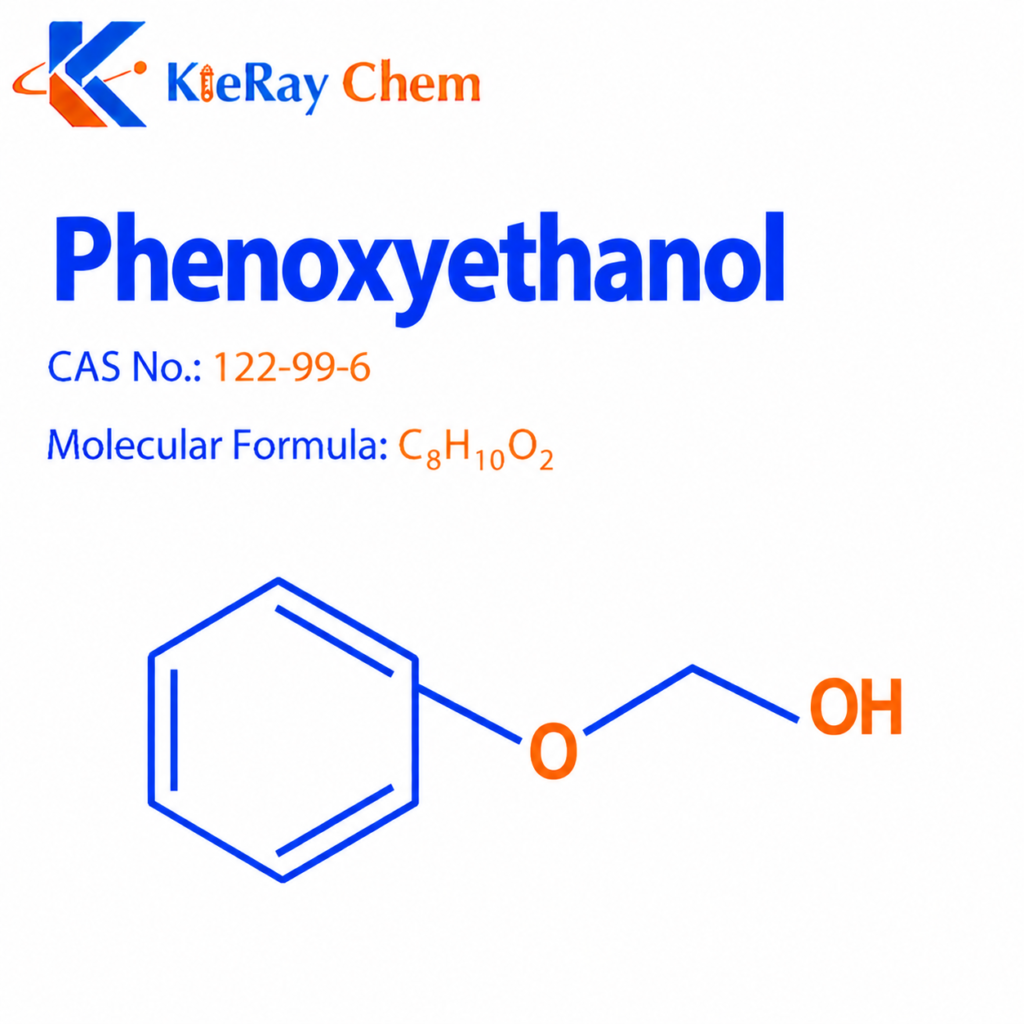
- Phenoxyethanol (CAS No. 122-99-6)
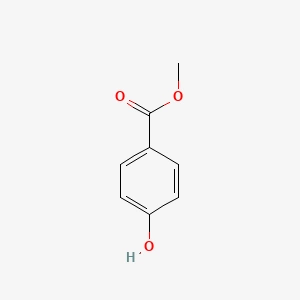
- Methylparaben (CAS No. 99-76-3)
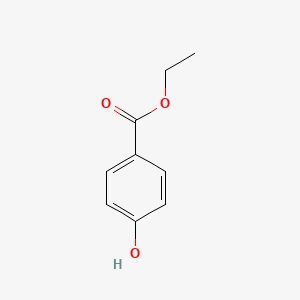
- Ethylparaben (CAS No. 120-47-8)
- Propylparaben (CAS No. 94-13-3)
- Butylparaben (CAS No. 94-26-8)
- Benzyl Alcohol (CAS No. 100-51-6)
- Dehydroacetic Acid (CAS No. 520-45-6)
- Chlorphenesin (CAS No. 104-29-0)
- Methylisothiazolinone, MIT (CAS No. 2682-20-4)
B. Multifunctional Ingredients and Preservation Boosters
These ingredients may provide antimicrobial support while also functioning as humectants, emollients, antioxidants, or skin-conditioning agents. Their effectiveness depends on the complete formulation and should not automatically be equated with that of a regulated broad-spectrum preservative.
Representative ingredients include:
- Ethylhexylglycerin (CAS No. 70445-33-9)
- Caprylyl Glycol (CAS No. 1117-86-8)
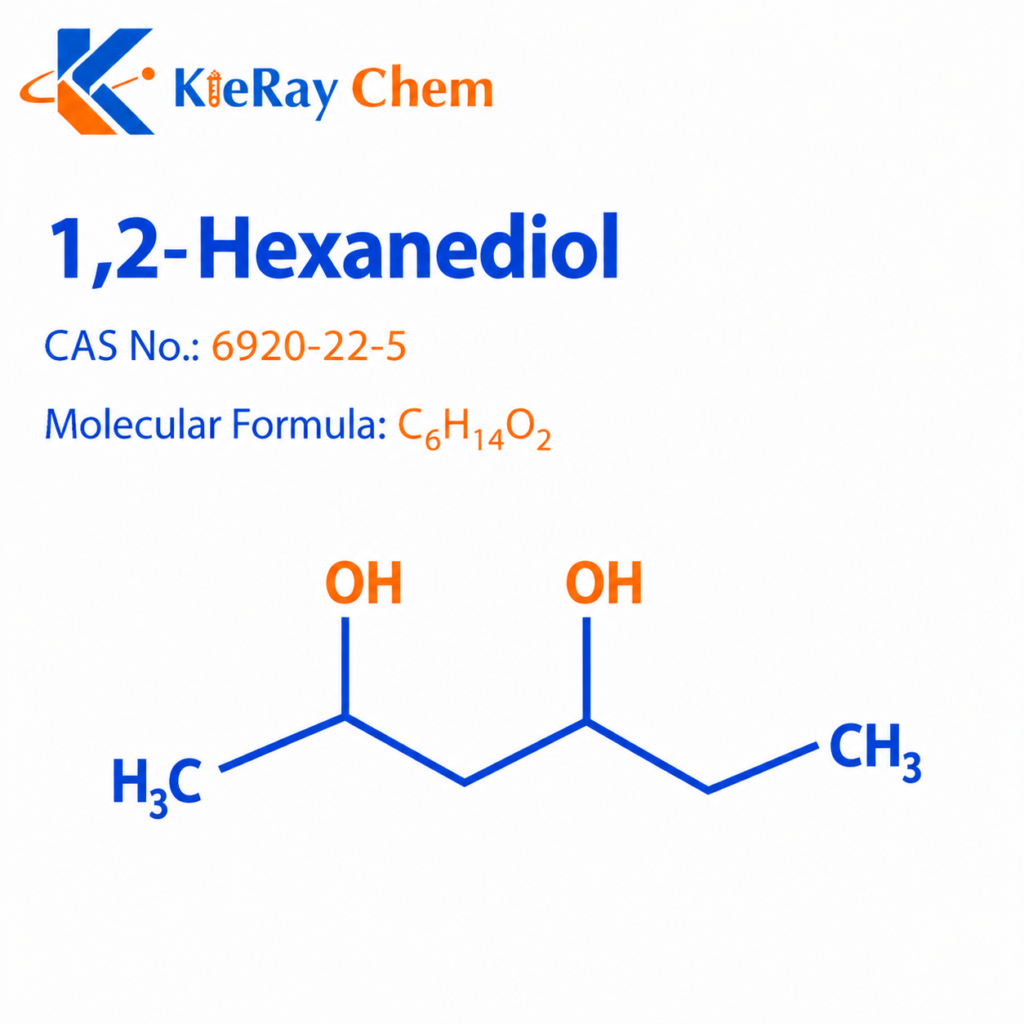
- 1,2-Hexanediol (CAS No. 6920-22-5)
- Hydroxyacetophenone (CAS No. 99-93-4)
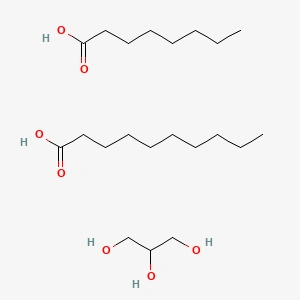
- Glyceryl Caprylate (CAS No. 26402-26-6)
- Pentylene Glycol (CAS No. 5343-92-0)
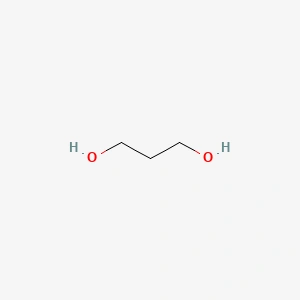
- Propanediol (CAS No. 504-63-2)
- Sodium Levulinate (CAS No. 19856-23-6)
- Sodium Anisate (CAS No. 536-45-8)
These materials are frequently incorporated into modern preservation systems to improve formulation flexibility, enhance antimicrobial performance, or support preservative-reduction strategies.
1.3 The Meaning and Limitations of “Preservative-Free”
The term “preservative-free” does not necessarily mean that a product has no microbial protection.
Some formulations may rely on alternative preservation strategies, such as:
- High concentrations of selected polyols.
- Low-water-activity formulations.
- Anhydrous or low-moisture product systems.
- Airless packaging and other contamination-reducing dispensing systems.
- Single-use packaging.
- Controlled manufacturing environments and hygienic production processes.
- Combinations of multifunctional ingredients with antimicrobial activity.
For example, Pentylene Glycol (CAS No. 5343-92-0), Caprylyl Glycol (CAS No. 1117-86-8), and 1,2-Hexanediol (CAS No. 6920-22-5) may contribute to microbial control through their effects on the formulation environment and microbial cell functions.
However, their contribution varies with concentration, water activity, formulation composition, and the microorganisms involved. They should not be assumed to provide complete preservation when used individually.
1.4 Packaging and Manufacturing as Supporting Preservation Measures
Preservation performance is also influenced by packaging design and manufacturing controls.
Relevant approaches include:
- Airless pump systems to minimize repeated product exposure.
- One-way dispensing mechanisms to reduce back-contamination.
- Single-dose sachets and ampoules to limit repeated consumer contact.
- Hygienic manufacturing environments and validated cleaning procedures.
- Appropriate control of raw-material and process-water microbiological quality.
These measures can reduce contamination risks but do not automatically replace the need for a validated preservation system.
Chapter 2. Chemical Structure, Antimicrobial Mechanisms, and Performance of Cosmetic Preservatives
2.1 Key Factors Governing Antimicrobial Performance
The effectiveness of a cosmetic preservative is determined by several interrelated physicochemical and microbiological factors.
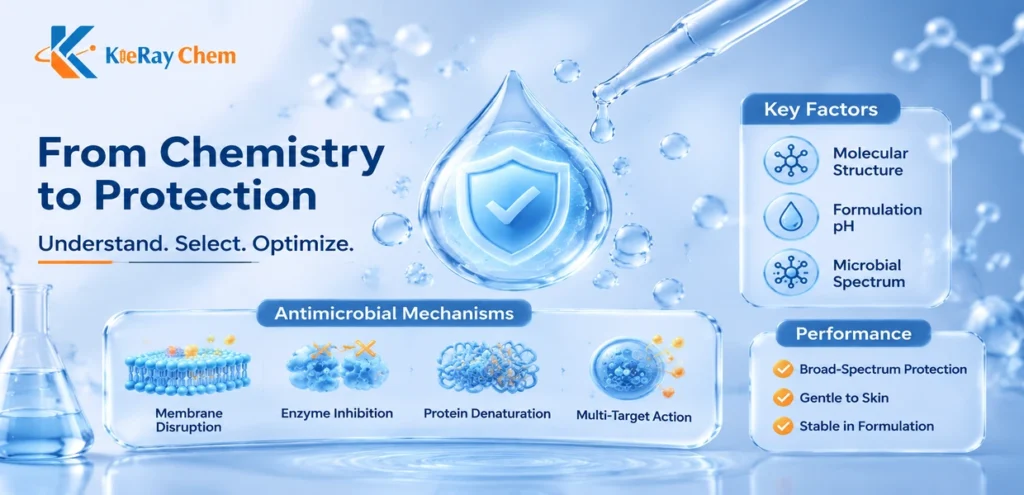
A. Molecular Structure and Physicochemical Properties
Molecular structure influences solubility, partitioning, membrane interaction, and the availability of the active ingredient within the formulation.
Representative examples include:
- Phenoxyethanol (CAS No. 122-99-6): A glycol ether with broad antimicrobial applications in cosmetic formulations.
- Methylparaben (CAS No. 99-76-3): An aromatic ester commonly used as a preservative.
- Benzyl Alcohol (CAS No. 100-51-6): An aromatic alcohol with antimicrobial activity and additional solvent functionality.
- Caprylyl Glycol (CAS No. 1117-86-8): A multifunctional aliphatic diol used as a humectant and preservation booster.
Molecular size, hydrophobicity, and polarity can influence performance, but no single structural parameter can independently predict antimicrobial efficacy or skin tolerability.
B. Formulation pH
The pH of a cosmetic formulation is particularly important for weak organic acids and their salts.
Examples include:
- Benzoic Acid (CAS No. 65-85-0)
- Sorbic Acid (CAS No. 110-44-1)
- Dehydroacetic Acid (CAS No. 520-45-6)
- Sodium Benzoate (CAS No. 532-32-1)
- Potassium Sorbate (CAS No. 24634-61-5)
For weak-acid preservatives, the proportion of the undissociated acid generally increases as pH decreases. This can improve antimicrobial activity in suitable formulation systems.
Consequently, organic-acid-based preservation systems require careful pH optimization.
C. Microbial Spectrum
Different preservatives exhibit different activity profiles against Gram-positive bacteria, Gram-negative bacteria, yeasts, and molds.
The actual antimicrobial spectrum depends on:
- Preservative concentration.
- Formulation pH.
- Microbial species and strain.
- Exposure time.
- Interactions with surfactants, oils, polymers, and other ingredients.
A preservative that performs effectively against bacteria may not provide equivalent protection against fungi. Broad-spectrum performance should therefore be confirmed through appropriate microbiological testing.
2.2 Major Antimicrobial Mechanisms
Cosmetic preservatives can inhibit microbial growth through several mechanisms.
A. Disruption of Microbial Cell Membranes
Certain antimicrobial ingredients interact with microbial cell membranes, affecting membrane integrity and permeability.
Representative examples include:
- Benzalkonium Chloride (CAS No. 8001-54-5)
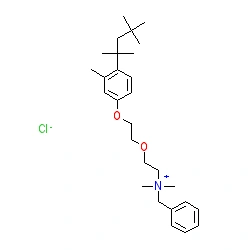
- Benzethonium Chloride (CAS No. 121-54-0)
- Ethyl Lauroyl Arginate HCl (CAS No. 60372-77-2)
These compounds can interfere with membrane-associated functions, although their activity varies across microbial groups and formulation environments.
B. Interference with Enzymatic and Metabolic Functions
Some preservatives interfere with essential microbial biochemical processes, including enzyme activity and metabolic pathways.
Examples include:
- Phenoxyethanol (CAS No. 122-99-6)
- Benzyl Alcohol (CAS No. 100-51-6)
- Chlorphenesin (CAS No. 104-29-0)
Their antimicrobial effects may involve multiple cellular targets rather than a single isolated mechanism.
C. Protein and Cellular Function Inactivation
Certain preservative systems can affect microbial proteins and other essential cellular components, ultimately inhibiting microbial growth or survival.
Formaldehyde-releasing preservatives are associated with protein modification and related antimicrobial effects.
Representative ingredients include:
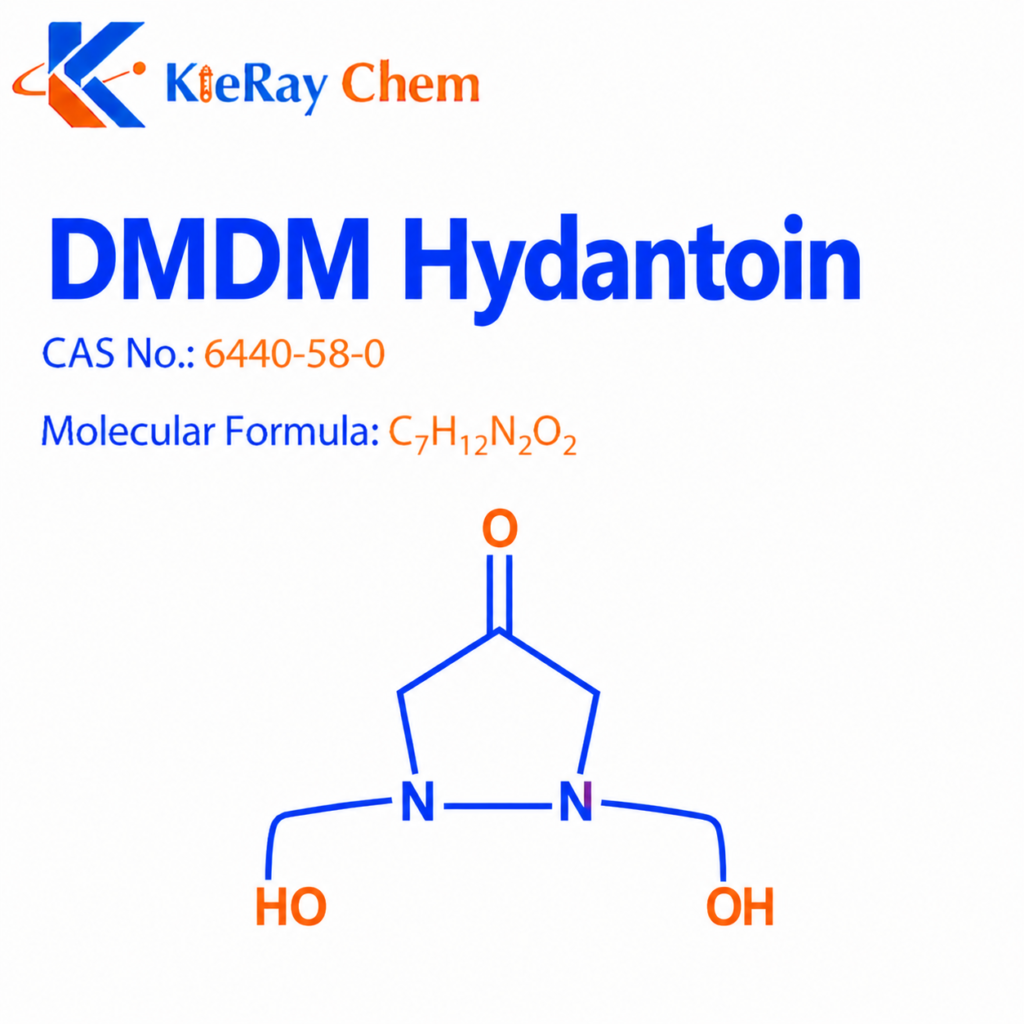
- DMDM Hydantoin (CAS No. 6440-58-0)
- Imidazolidinyl Urea (CAS No. 39236-46-9)
- Diazolidinyl Urea (CAS No. 78491-02-8)
Their use requires careful consideration of formaldehyde release, sensitization potential, product category, and applicable regulatory restrictions.
D. Multiple-Target Antimicrobial Activity
Some preservation ingredients may affect several microbial processes simultaneously. This can include interactions with cell membranes, intracellular components, and metabolic functions.
The relative contribution of each mechanism depends on the specific ingredient, concentration, microorganism, and test conditions.
2.3 The Relationship Between Preservative Chemistry and Skin Tolerability
Preservative selection must balance antimicrobial efficacy with formulation compatibility and consumer safety.
Important considerations include:
- Concentration and exposure conditions.
- Skin-contact duration and application area.
- Product type, including rinse-off and leave-on formulations.
- Potential irritation and sensitization.
- Interactions with other formulation ingredients.
- Regulatory limits and applicable safety assessments.
No preservative class should be considered universally mild or universally irritating. The safety profile must be assessed for the specific ingredient and intended use conditions.
Chapter 3. Major Classes of Cosmetic Preservatives and Their Functional Characteristics
Cosmetic preservatives can be classified according to their chemical structures, antimicrobial properties, formulation behavior, and regulatory status. Understanding the characteristics of each class helps formulators select appropriate ingredients for different product types.
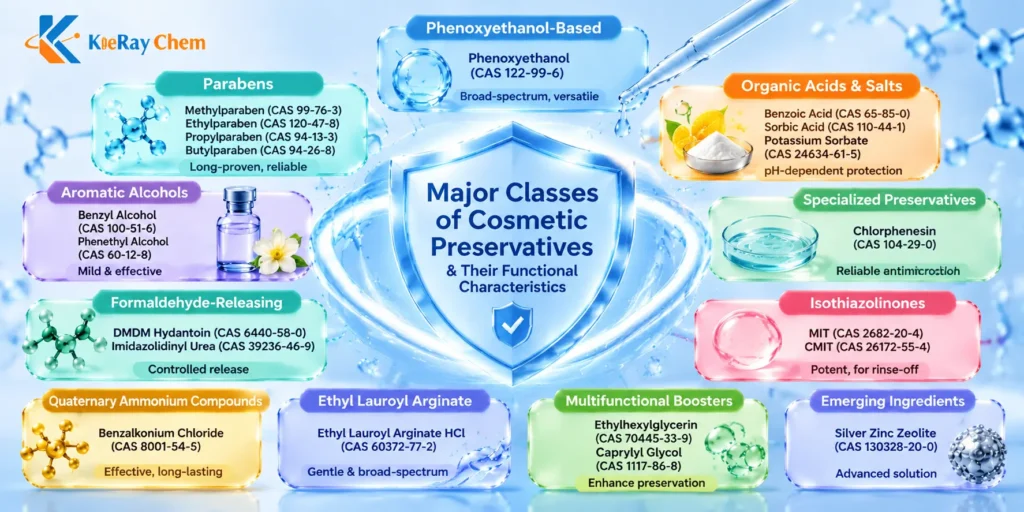
3.1 Phenoxyethanol-Based Preservation Systems
Representative ingredient:
– Phenoxyethanol (CAS No. 122-99-6)
Phenoxyethanol is one of the most widely used preservatives in modern cosmetic formulations. It is valued for its broad application range, compatibility with many formulation systems, and effectiveness against a variety of bacteria.
Key characteristics:
- Suitable for many aqueous emulsions, lotions, creams, and personal care products.
- Commonly combined with multifunctional antimicrobial boosters.
- Its performance can be influenced by formulation composition and preservative partitioning.
- Its antifungal performance may require additional support, depending on the formulation.
Typical formulation combinations include Phenoxyethanol with Ethylhexylglycerin (CAS No. 70445-33-9) or Caprylyl Glycol (CAS No. 1117-86-8).
3.2 Parabens
Representative ingredients:
- Methylparaben (CAS No. 99-76-3)
- Ethylparaben (CAS No. 120-47-8)
- Propylparaben (CAS No. 94-13-3)
- Butylparaben (CAS No. 94-26-8)
Parabens are a well-established class of ester-based preservatives used in cosmetic and personal care products.
Key characteristics:
- Effective against a range of bacteria, yeasts, and molds, depending on the individual compound and formulation.
- Often used in combination to broaden or optimize antimicrobial performance.
- Their solubility and partitioning behavior should be considered during formulation development.
- The selection of individual parabens and their permitted concentrations must comply with applicable regional regulations.
3.3 Organic Acids and Their Salts
Representative ingredients:
- Benzoic Acid (CAS No. 65-85-0)
- Sodium Benzoate (CAS No. 532-32-1)
- Sorbic Acid (CAS No. 110-44-1)
- Potassium Sorbate (CAS No. 24634-61-5)
- Dehydroacetic Acid (CAS No. 520-45-6)
- Sodium Levulinate (CAS No. 19856-23-6)
- Sodium Anisate (CAS No. 536-45-8)
Organic-acid-based preservation systems are frequently used in formulations designed around acidic pH conditions.
Key characteristics:
- Their antimicrobial performance is generally pH-dependent.
- The undissociated acid form often plays an important role in antimicrobial activity.
- Sodium and potassium salts may offer improved handling or water solubility compared with the corresponding free acids.
- Formulation pH, buffering capacity, and ingredient compatibility must be evaluated carefully.
These systems are particularly relevant to certain natural-origin and organic-inspired cosmetic formulations, although their suitability depends on the finished product and its preservation requirements.
3.4 Aromatic Alcohols and Related Preservatives
Representative ingredients:
- Benzyl Alcohol (CAS No. 100-51-6)
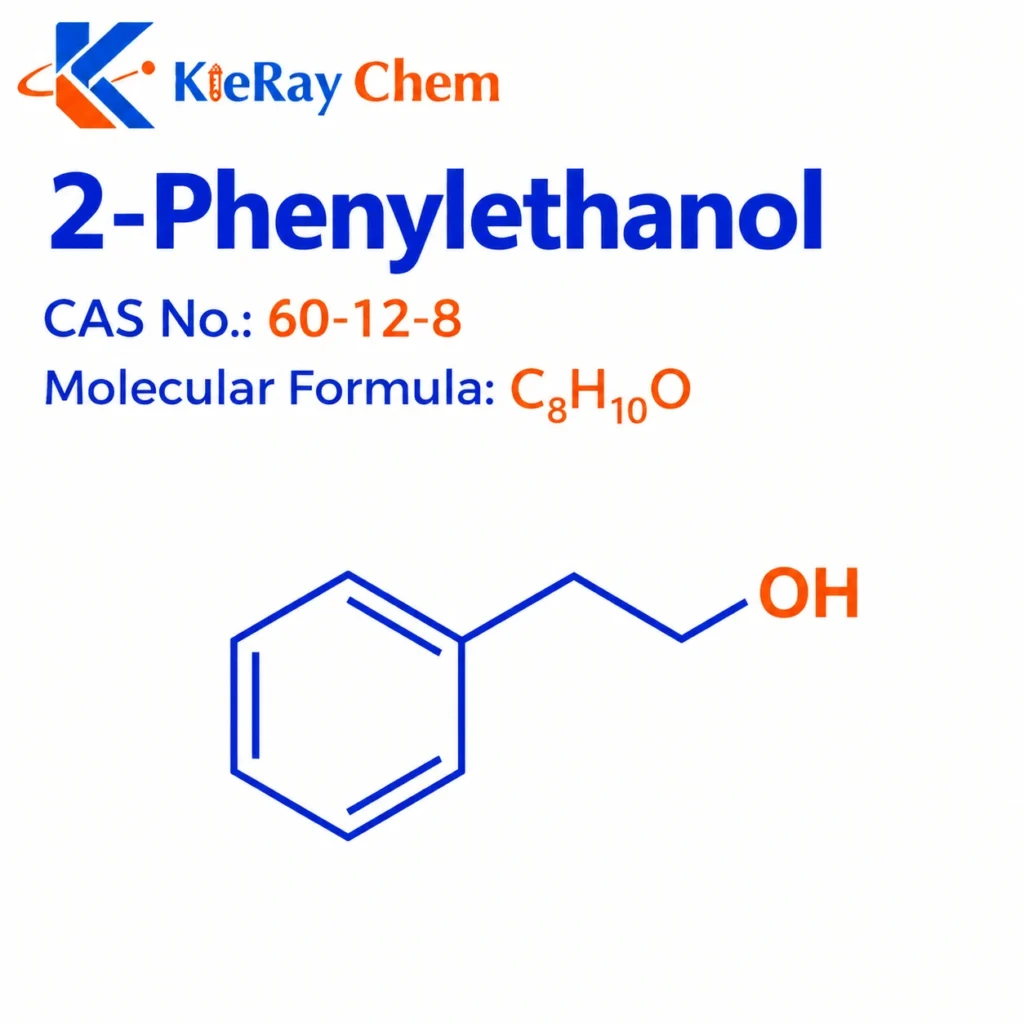
- Phenethyl Alcohol (CAS No. 60-12-8)
Benzyl Alcohol is used as a preservative in certain cosmetic systems and can also function as a solvent or fragrance-related ingredient.
Key characteristics:
- Provides antimicrobial activity against selected microorganisms.
- Can be incorporated into suitable aqueous and emulsion-based formulations.
- May be combined with Dehydroacetic Acid (CAS No. 520-45-6).
- Its odor, solubility, concentration, and compatibility should be considered during formulation development.
Phenethyl Alcohol may also contribute to antimicrobial performance in selected formulations, but its regulatory function and suitability should be evaluated for the intended product.
3.5 Chlorphenesin and Other Specialized Preservatives
Representative ingredient:
– Chlorphenesin (CAS No. 104-29-0)
Chlorphenesin is a synthetic antimicrobial ingredient used in certain cosmetic preservation systems.
Key characteristics:
- Can provide antimicrobial support in suitable formulations.
- May be used in combination with other preservatives.
- Requires attention to solubility, incorporation method, and formulation compatibility.
- Its permitted concentration and conditions of use depend on the applicable regulatory framework.
3.6 Formaldehyde-Releasing Preservatives
Representative ingredients:
- DMDM Hydantoin (CAS No. 6440-58-0)
- Imidazolidinyl Urea (CAS No. 39236-46-9)
- Diazolidinyl Urea (CAS No. 78491-02-8)
- Quaternium-15 (CAS No. 4080-31-3)
These preservatives release formaldehyde under certain conditions, providing antimicrobial activity through the availability of formaldehyde in the formulation.
Key characteristics:
- Historically used in selected rinse-off and other cosmetic products.
- Their antimicrobial performance depends on the release profile and formulation conditions.
- Formaldehyde release, sensitization potential, and labeling obligations require careful evaluation.
- Their regulatory status varies considerably by market and may be subject to restrictions or prohibitions.
They should not be selected solely on the basis of historical use or cost efficiency.
3.7 Isothiazolinone-Based Preservatives
Representative ingredients:
- Methylisothiazolinone, MIT (CAS No. 2682-20-4)
- Methylchloroisothiazolinone, CMIT (CAS No. 26172-55-4)
Isothiazolinones are highly effective antimicrobial ingredients used in specific preservation applications.
Key characteristics:
- Effective at relatively low concentrations.
- Commonly associated with rinse-off preservation systems under applicable regulatory conditions.
- Their use is subject to strict restrictions because of sensitization concerns.
- MIT and CMIT should not be treated as interchangeable ingredients with identical regulatory conditions.
Their permitted applications must be checked against the latest requirements in the target market.
3.8 Quaternary Ammonium Compounds
Representative ingredients:
- Benzalkonium Chloride (CAS No. 8001-54-5)
- Benzethonium Chloride (CAS No. 121-54-0)
Quaternary ammonium compounds are cationic antimicrobial agents that can interact with microbial cell membranes.
Key characteristics:
- Provide antimicrobial activity against selected microorganisms.
- Their performance may be affected by anionic surfactants and other negatively charged formulation ingredients.
- Compatibility with emulsifiers, polymers, and active ingredients requires particular attention.
- Their use in cosmetics is subject to ingredient-specific and product-specific regulatory requirements.
3.9 Ethyl Lauroyl Arginate-Based Preservation
Representative ingredient:
– Ethyl Lauroyl Arginate HCl (CAS No. 60372-77-2)
Ethyl Lauroyl Arginate HCl is a cationic antimicrobial ingredient used in selected cosmetic and personal care applications.
Key characteristics:
- Exhibits antimicrobial activity through interactions with microbial cell structures.
- Can be considered in selected preservation systems.
- Requires compatibility assessment with anionic ingredients.
- Has specific regulatory concentration limits and product-category restrictions in certain markets.
For example, the EU Cosmetics Regulation Annex V specifies different maximum concentrations and restrictions for mouthwashes and other cosmetic products. ECHA+1
3.10 Multifunctional Preservation Boosters
Representative ingredients:
- Ethylhexylglycerin (CAS No. 70445-33-9)
- Caprylyl Glycol (CAS No. 1117-86-8)
- 1,2-Hexanediol (CAS No. 6920-22-5)
- Pentylene Glycol (CAS No. 5343-92-0)
- Propanediol (CAS No. 504-63-2)
- Glyceryl Caprylate (CAS No. 26402-26-6)
- Hydroxyacetophenone (CAS No. 99-93-4)
These ingredients are widely used to support modern multifunctional preservation strategies.
Their roles may include:
- Enhancing the performance of conventional preservatives.
- Modifying the formulation environment to make microbial growth less favorable.
- Supporting humectancy, emolliency, or antioxidant functions.
- Helping formulators develop systems with reduced reliance on conventional preservatives.
However, their antimicrobial contribution is formulation-dependent. They should not automatically be regarded as substitutes for validated broad-spectrum preservation.
3.11 Emerging and Specialized Antimicrobial Ingredients
Selected antimicrobial materials are being investigated or used in specific cosmetic applications.
Representative examples include:
- Silver Citrate (CAS No. 15432-85-6)
- Silver Zinc Zeolite (CAS No. 130328-20-0)
- Hydroxyethoxyphenyl Butanone (CAS No. 569646-79-3)
These materials have different chemical and functional characteristics and may be subject to specific product-category restrictions.
For example, the EU Annex V includes specific entries for Hydroxyethoxyphenyl Butanone and Silver Zinc Zeolite. Their inclusion in the regulatory list does not mean they are unrestricted, universal substitutes for conventional preservatives. Regelex+1
Other areas of research include antimicrobial peptides, bio-based antimicrobial compounds, and controlled-release delivery technologies. These should be distinguished from established, widely validated cosmetic preservative systems.
Chapter 4. Preservative Blending and Formulation Compatibility
4.1 Why Preservative Blending Is Important
A single preservative may not provide sufficient protection against all relevant microorganisms under every formulation condition.
Preservative blending is therefore used to optimize antimicrobial coverage, improve formulation flexibility, and address limitations associated with individual ingredients.
Potential benefits include:
- Broader antimicrobial coverage.
- Improved performance against specific microbial groups.
- Better compatibility with selected formulation systems.
- Opportunities to reduce the concentration of individual components, where technically and legally appropriate.
- Integration of antimicrobial and multifunctional properties.
However, combining preservatives does not automatically produce synergy. Antagonistic interactions and reduced preservative availability are also possible.
4.2 Common Preservative Combination Strategies
A. Phenoxyethanol and Ethylhexylglycerin
- Phenoxyethanol (CAS No. 122-99-6)
- Ethylhexylglycerin (CAS No. 70445-33-9)
A widely used combination in creams, lotions, serums, and other personal care products.
Ethylhexylglycerin may enhance the antimicrobial performance of the overall system and provide additional skin-conditioning functionality.
B. Phenoxyethanol and Caprylyl Glycol
- Phenoxyethanol (CAS No. 122-99-6)
- Caprylyl Glycol (CAS No. 1117-86-8)
This combination is used in selected emulsion and aqueous formulations.
Caprylyl Glycol can contribute to preservation enhancement while also providing humectant and emollient properties.
C. Phenoxyethanol and 1,2-Hexanediol
- Phenoxyethanol (CAS No. 122-99-6)
- 1,2-Hexanediol (CAS No. 6920-22-5)
This combination is used in multifunctional preservation strategies, particularly in selected skincare formulations.
The final performance depends on the concentration of each ingredient and the physicochemical characteristics of the formulation.
D. Phenoxyethanol and Hydroxyacetophenone
- Phenoxyethanol (CAS No. 122-99-6)
- Hydroxyacetophenone (CAS No. 99-93-4)
Hydroxyacetophenone is a multifunctional ingredient with antioxidant properties and potential preservation-supporting activity.
It can be considered in selected formulations where both oxidative stability and microbial protection are formulation priorities.
E. Benzyl Alcohol and Dehydroacetic Acid
- Benzyl Alcohol (CAS No. 100-51-6)
- Dehydroacetic Acid (CAS No. 520-45-6)
This combination is used in selected preservation systems, including formulations designed around certain natural-origin ingredient concepts.
Its suitability depends on pH, solubility, formulation compatibility, and the required antimicrobial spectrum.
F. Sodium Benzoate and Potassium Sorbate
- Sodium Benzoate (CAS No. 532-32-1)
- Potassium Sorbate (CAS No. 24634-61-5)
This organic-acid-based combination is particularly relevant to acidic formulations.
The pH must be carefully controlled to maintain the appropriate antimicrobial activity.
G. Sodium Levulinate and Sodium Anisate
- Sodium Levulinate (CAS No. 19856-23-6)
- Sodium Anisate (CAS No. 536-45-8)
These ingredients are used in selected natural-origin preservation concepts.
Their antimicrobial performance depends strongly on pH and the overall formulation environment. Additional preservation measures may be required to achieve the target microbial protection.
4.3 Chelating Agents as Preservation-System Enhancers
Chelating agents bind metal ions and may improve preservation performance in selected formulations.
Representative ingredients include:
- Disodium EDTA (CAS No. 139-33-3)
- Tetrasodium EDTA (CAS No. 64-02-8)
- Sodium Phytate (CAS No. 14306-25-3)
- Phytic Acid (CAS No. 83-86-3)
- Tetrasodium Glutamate Diacetate, GLDA (CAS No. 51981-21-6)
Potential benefits include:
- Sequestering metal ions that may affect formulation stability.
- Reducing certain metal-catalyzed oxidation processes.
- Supporting the performance of selected antimicrobial systems.
- Improving formulation robustness under suitable conditions.
Chelating agents are not substitutes for preservatives. Their contribution should be evaluated in the context of the complete preservation system.
4.4 Compatibility with Surfactants, Oils, and Emulsifiers
Preservative availability can be affected by the physical and chemical characteristics of the formulation.
Important factors include:
Surfactants
Surfactant micelles may interact with preservatives and alter their distribution between aqueous and micellar phases. This can affect the concentration of preservative available in the aqueous phase.
Oils and Emollients
Oil-phase ingredients may influence preservative partitioning and reduce the freely available concentration of certain preservatives in the water phase.
Emulsifiers and Polymers
The ionic characteristics and molecular structures of emulsifiers and polymers may affect preservative compatibility, stability, and distribution.
Botanical Extracts and Natural Ingredients
Plant extracts and other naturally derived raw materials may introduce additional microbial, chemical, or compatibility considerations.
Consequently, preservative selection should be based on the complete formulation rather than on the ingredient list alone.
4.5 Preservation Strategies for Different Cosmetic Product Types
| Product Category | Key Preservation Considerations |
|---|---|
| Facial creams and lotions | Emulsion stability, water-phase preservative availability, and broad-spectrum protection |
| Water-based serums | pH, solubility, active-ingredient compatibility, and microbial challenge performance |
| Cleansers and shampoos | Surfactant interactions, product pH, and preservative partitioning |
| Toners and facial mists | Aqueous-phase compatibility and contamination control during use |
| Natural-origin skincare | Organic-acid systems, multifunctional boosters, and pH optimization |
| Anhydrous balms and oils | Raw-material quality, water contamination, and packaging design |
| Sunscreens | Compatibility with UV filters, emulsifiers, and other functional ingredients |
A product-specific preservation strategy should be established during formulation development and confirmed through appropriate testing.
Chapter 5. Preservation Efficacy Testing and Regulatory Compliance
5.1 Preservative Efficacy Testing (PET)
Preservative Efficacy Testing (PET), also known as a microbial challenge test, is used to evaluate whether a finished cosmetic formulation can adequately control microbial contamination over a defined testing period.
The test generally involves deliberately inoculating a product with selected microorganisms and monitoring changes in microbial populations at specified intervals.
Common challenge-test microorganisms include:
Bacteria
- Staphylococcus aureus (ATCC 6538)
- Pseudomonas aeruginosa (ATCC 9027)
- Escherichia coli (ATCC 8739)
Yeasts
– Candida albicans (ATCC 10231)
Molds
– Aspergillus brasiliensis (ATCC 16404)
The specific strains and acceptance criteria should follow the selected testing standard and applicable product requirements.
5.2 International Testing Standards
A. ISO 11930 – Evaluation of the Antimicrobial Protection of a Cosmetic Product
ISO 11930 provides a framework for evaluating the antimicrobial protection of cosmetic products through preservative efficacy testing and related assessment criteria.
It is commonly used during the development and validation of cosmetic preservation systems.
B. ISO 29621 – Guidelines for the Risk Assessment and Identification of Microbiologically Low-Risk Products
ISO 29621 provides guidance for identifying cosmetic products that may present a low microbiological risk because of their formulation characteristics or manufacturing conditions.
It supports risk-based decisions regarding the need for microbiological controls and preservation testing.
C. USP General Chapter 51 – Antimicrobial Effectiveness Testing
USP General Chapter 51 describes antimicrobial effectiveness testing for products within its pharmaceutical and related application scope.
Although some of its principles may be relevant to product development, USP 51 and ISO 11930 are different standards and should not be treated as interchangeable.
5.3 Microbial Limits Testing Versus Preservative Efficacy Testing
These two testing approaches serve different purposes.
Microbial Limits Testing
Evaluates the microbial quality of a product at a particular testing point, including specified microbial count limits and the absence of designated objectionable microorganisms.
Preservative Efficacy Testing
Evaluates the ability of a preservation system to control microorganisms deliberately introduced into a product over time.
A product may meet microbial limits at the time of testing but still fail to demonstrate adequate preservation during repeated use or storage.
For this reason, the two approaches should be considered complementary rather than interchangeable.
5.4 Regulatory Compliance Across Major Markets
Preservative selection must comply with the cosmetic regulations of the markets where the finished product will be manufactured, marketed, or distributed.
A. European Union
The EU Cosmetics Regulation (EC) No. 1223/2009, particularly Annex V, specifies preservatives permitted for use in cosmetic products and establishes applicable concentration limits, product-category restrictions, and labeling requirements.
Examples of EU Annex V conditions include:
- Phenoxyethanol (CAS No. 122-99-6): Maximum concentration of 1%.
- Chlorphenesin (CAS No. 104-29-0): Maximum concentration of 0.3%.
- Methylisothiazolinone (CAS No. 2682-20-4): Restricted to rinse-off products at a maximum concentration of 0.0015%.
- Ethyl Lauroyl Arginate HCl (CAS No. 60372-77-2): Subject to different limits for mouthwashes and other permitted cosmetic applications.
- Hydroxyethoxyphenyl Butanone (CAS No. 569646-79-3): Maximum concentration of 0.7%.
These values must be interpreted together with all relevant conditions, warnings, and product-category restrictions. ECHA+3
B. China
Cosmetic products marketed in China must comply with the applicable requirements of the Safety and Technical Standards for Cosmetics and other relevant regulatory provisions.
Formulators should verify:
- Whether the ingredient is permitted for the intended cosmetic use.
- Applicable maximum concentrations and restrictions.
- Ingredient specifications and quality requirements.
- Product safety assessment requirements.
- Relevant testing and documentation obligations.
The current official regulatory documents should be consulted before finalizing a formulation.
C. United States
Cosmetic ingredients and finished products must comply with applicable US federal requirements, including relevant provisions of the Federal Food, Drug, and Cosmetic Act and the Modernization of Cosmetics Regulation Act (MoCRA).
Ingredient safety, product labeling, manufacturing controls, and applicable reporting obligations must be considered.
D. ASEAN Markets
ASEAN cosmetic regulations generally follow the ASEAN Cosmetic Directive framework, including the applicable annexes governing prohibited, restricted, and permitted cosmetic ingredients.
Preservative selection must be checked against the current ASEAN requirements and the national implementation rules of the target country.
5.5 Regulatory and Safety Assessment Considerations
Regulatory compliance should be integrated into preservative selection from the earliest stages of formulation development.
A comprehensive review should include:
- Ingredient identity and CAS number verification.
- INCI name confirmation.
- Maximum permitted concentration.
- Product-category restrictions.
- Required warning statements and labeling.
- Potential sensitization and irritation concerns.
- Relevant safety assessment documentation.
- Updates to regional cosmetic regulations.
CAS number verification is particularly important when dealing with mixtures, salts, hydrates, polymeric materials, and commercial preservative blends. A CAS number alone does not establish that an ingredient is permitted for a particular cosmetic application.
Chapter 6. Emerging Trends in Cosmetic Preservation Technology
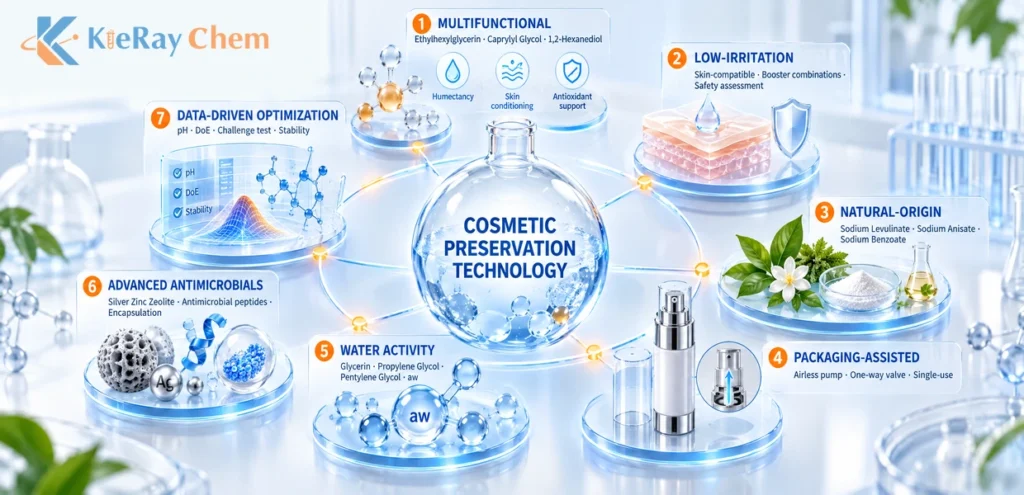
6.1 Multifunctional Preservation Systems
The cosmetic industry is increasingly exploring multifunctional ingredients that provide antimicrobial support alongside other formulation benefits.
Representative ingredients include:
- Ethylhexylglycerin (CAS No. 70445-33-9)
- Caprylyl Glycol (CAS No. 1117-86-8)
- 1,2-Hexanediol (CAS No. 6920-22-5)
- Pentylene Glycol (CAS No. 5343-92-0)
- Hydroxyacetophenone (CAS No. 99-93-4)
- Glyceryl Caprylate (CAS No. 26402-26-6)
These ingredients can contribute to preservation enhancement, humectancy, skin conditioning, or antioxidant functionality.
Their multifunctional properties provide opportunities to simplify ingredient systems and improve formulation flexibility. Nevertheless, the finished product must still demonstrate adequate microbial protection.
6.2 Low-Irritation and Skin-Compatible Preservation Strategies
Consumer demand for sensitive-skin products has encouraged the development of preservation systems that balance antimicrobial effectiveness with appropriate skin tolerability.
Current formulation approaches include:
- Selecting preservatives based on the intended exposure conditions.
- Optimizing concentrations within regulatory limits.
- Combining suitable preservatives with multifunctional boosters.
- Reducing unnecessary ingredient complexity.
- Evaluating potential irritation and sensitization risks.
- Using packaging systems that reduce repeated product contamination.
A low-irritation claim should be supported by appropriate safety assessments rather than inferred from the use of a particular preservative category.
6.3 Natural-Origin and Organic-Inspired Preservation Systems
The demand for natural-origin and organic-inspired cosmetics has stimulated interest in organic acids, naturally derived multifunctional ingredients, and alternative preservation approaches.
Representative ingredients include:
- Sodium Levulinate (CAS No. 19856-23-6)
- Sodium Anisate (CAS No. 536-45-8)
- Benzyl Alcohol (CAS No. 100-51-6)
- Potassium Sorbate (CAS No. 24634-61-5)
- Sodium Benzoate (CAS No. 532-32-1)
- Caprylyl Glycol (CAS No. 1117-86-8)
These ingredients may be incorporated into selected natural-origin preservation concepts.
However, natural origin does not automatically guarantee low irritation, broad-spectrum antimicrobial activity, or regulatory suitability. Their efficacy must be validated in the finished formulation.
6.4 Packaging-Assisted Preservation Technologies
Packaging design is becoming an increasingly important component of cosmetic preservation strategies.
Relevant technologies include:
- Airless dispensing systems.
- One-way dispensing valves.
- Single-use packaging.
- Reduced-contact pump mechanisms.
- Packaging materials designed to limit contamination during use.
These approaches can reduce the probability of microbial contamination after opening and may help optimize the overall preservation strategy.
Packaging-assisted preservation should be evaluated together with product formulation, manufacturing hygiene, and consumer-use conditions.
6.5 Water Activity Management
Water activity (aw) is an important factor governing microbial growth in cosmetic formulations.
Unlike total water content, water activity reflects the availability of water for microbial and chemical processes.
Selected formulation strategies include:
- Incorporating appropriate polyols.
- Optimizing humectant systems.
- Developing low-water-activity formulations.
- Reducing the amount of freely available water.
- Combining water-activity management with suitable antimicrobial ingredients.
Representative polyols include:
- Glycerin (CAS No. 56-81-5)
- Propylene Glycol (CAS No. 57-55-6)
- 1,2-Hexanediol (CAS No. 6920-22-5)
- Pentylene Glycol (CAS No. 5343-92-0)
- Propanediol (CAS No. 504-63-2)
The contribution of these ingredients depends on concentration, formulation composition, and the resulting water activity. Their presence alone does not establish that a product is microbiologically self-preserving.
6.6 Advanced Antimicrobial Materials and Technologies
Emerging research is exploring new antimicrobial materials and delivery technologies for specialized cosmetic applications.
Key development areas include:
A. Silver-Based Antimicrobial Materials
Examples include:
- Silver Zinc Zeolite (CAS No. 130328-20-0)
- Silver-based antimicrobial materials with defined compositions and specifications.
These materials may provide antimicrobial functionality in selected applications. Their use requires careful evaluation of particle characteristics, ingredient identity, exposure conditions, and regulatory restrictions.
B. Antimicrobial Peptides
Antimicrobial peptides are being investigated for their ability to interact with microbial membranes and other cellular targets.
Their potential applications include specialized antimicrobial and skin-care technologies, although formulation stability, cost, safety, and regulatory acceptance remain important development considerations.
C. Bio-Based Antimicrobial Compounds
Research into naturally derived antimicrobial molecules is expanding, including selected plant-derived and fermentation-derived compounds.
Their practical application requires standardized ingredient specifications, reproducible antimicrobial performance, and appropriate safety assessment.
D. Encapsulation and Controlled-Release Technologies
Encapsulation and controlled-release systems may help protect sensitive ingredients, improve their distribution, and regulate their release within selected formulations.
Potential benefits include:
- Improved ingredient stability.
- More controlled ingredient delivery.
- Reduced undesirable interactions with other formulation components.
- Opportunities to optimize antimicrobial availability.
These technologies are still application-dependent and should not be assumed to replace conventional preservation systems without adequate validation.
6.7 Data-Driven Preservative Selection and Formulation Optimization
Modern formulation development increasingly combines experimental testing, physicochemical analysis, and computational tools to improve preservation-system design.
Potential development approaches include:
- Predictive evaluation of preservative solubility and partitioning.
- Formulation compatibility screening.
- pH and water-activity optimization.
- Design of Experiments (DoE).
- Statistical analysis of microbial challenge-test results.
- Stability testing under different storage conditions.
- Data-driven comparison of alternative preservative combinations.
These approaches can improve formulation-development efficiency and help identify promising preservation systems before full-scale validation.
However, computational prediction and laboratory screening cannot replace the required microbiological testing and regulatory assessment of the finished cosmetic product.
Technical Summary: Key Principles for Cosmetic Preservation System Design
1. Representative Cosmetic Preservative and Preservation-Booster Reference Table
| Ingredient | CAS Number | Main Functional Role |
|---|---|---|
| Phenoxyethanol | 122-99-6 | Conventional preservative |
| Methylparaben | 99-76-3 | Conventional preservative |
| Ethylparaben | 120-47-8 | Conventional preservative |
| Propylparaben | 94-13-3 | Conventional preservative |
| Butylparaben | 94-26-8 | Conventional preservative |
| Benzyl Alcohol | 100-51-6 | Preservative and solvent |
| Dehydroacetic Acid | 520-45-6 | Organic-acid-based preservative |
| Chlorphenesin | 104-29-0 | Conventional preservative |
| Benzoic Acid | 65-85-0 | Organic-acid preservative |
| Sodium Benzoate | 532-32-1 | Organic-acid preservative |
| Sorbic Acid | 110-44-1 | Organic-acid preservative |
| Potassium Sorbate | 24634-61-5 | Organic-acid preservative |
| Methylisothiazolinone | 2682-20-4 | Restricted conventional preservative |
| Methylchloroisothiazolinone | 26172-55-4 | Restricted conventional preservative |
| DMDM Hydantoin | 6440-58-0 | Formaldehyde-releasing preservative |
| Imidazolidinyl Urea | 39236-46-9 | Formaldehyde-releasing preservative |
| Diazolidinyl Urea | 78491-02-8 | Formaldehyde-releasing preservative |
| Benzalkonium Chloride | 8001-54-5 | Cationic antimicrobial agent |
| Benzethonium Chloride | 121-54-0 | Cationic antimicrobial agent |
| Ethyl Lauroyl Arginate HCl | 60372-77-2 | Cationic antimicrobial ingredient |
| Ethylhexylglycerin | 70445-33-9 | Multifunctional preservation booster |
| Caprylyl Glycol | 1117-86-8 | Multifunctional preservation booster |
| 1,2-Hexanediol | 6920-22-5 | Multifunctional preservation booster |
| Pentylene Glycol | 5343-92-0 | Humectant and preservation booster |
| Propanediol | 504-63-2 | Humectant and multifunctional ingredient |
| Glyceryl Caprylate | 26402-26-6 | Emollient and preservation booster |
| Hydroxyacetophenone | 99-93-4 | Antioxidant and preservation-supporting ingredient |
| Sodium Levulinate | 19856-23-6 | Organic-acid-based preservation ingredient |
| Sodium Anisate | 536-45-8 | Organic-acid-based preservation ingredient |
| Hydroxyethoxyphenyl Butanone | 569646-79-3 | Regulated cosmetic preservative |
Note: The table is a technical reference, not a list of universally permitted ingredients. Regulatory status, CAS identity, INCI naming, and permitted use conditions must be verified for the intended market. Commercial mixtures and ingredient grades may have different identifying information.
- Six Core Principles of Effective Cosmetic Preservation
Principle 1: Chemical Structure Determines the Fundamental Antimicrobial Profile
The chemical structure of a preservative influences its solubility, membrane interactions, partitioning behavior, and potential antimicrobial mechanisms.
Principle 2: Formulation pH Influences Preservative Availability and Performance
The pH of the finished product is particularly important for organic-acid-based preservation systems and should be optimized during formulation development.
Principle 3: Compatibility Determines Practical Preservation Performance
Surfactants, oils, emulsifiers, polymers, botanical extracts, and active ingredients can influence preservative distribution and availability.
Principle 4: Preservative Blending Can Improve Formulation Flexibility
Appropriately selected combinations may provide complementary antimicrobial activity and multifunctional benefits. Their effectiveness must be demonstrated rather than assumed.
Principle 5: Regulatory Compliance Is Essential to Product Commercialization
Preservative selection must consider permitted ingredients, concentration limits, product categories, warnings, and restrictions in every target market.
Principle 6: Microbiological Testing Validates the Finished Preservation System
Preservative efficacy testing and appropriate microbiological quality controls are essential for verifying the performance of the complete formulation.
- Conclusion
Cosmetic preservation is a multidisciplinary process involving antimicrobial chemistry, formulation science, microbiology, packaging engineering, and regulatory compliance.
The development of an effective preservation system requires more than selecting a preservative with a favorable antimicrobial profile. Formulators must understand how chemical structure, pH, water activity, ingredient compatibility, and packaging design interact within the finished product.
Conventional preservatives such as Phenoxyethanol, Parabens, organic acids, and selected specialized antimicrobial ingredients continue to play important roles in cosmetic manufacturing. At the same time, multifunctional ingredients such as Ethylhexylglycerin, Caprylyl Glycol, 1,2-Hexanediol, and Hydroxyacetophenone are expanding the range of available formulation strategies.
Looking ahead, the integration of multifunctional preservation systems, low-water-activity formulations, advanced packaging, emerging antimicrobial materials, and data-driven formulation optimization will continue to shape the evolution of cosmetic preservation technology.
Ultimately, the most suitable preservation system is one that delivers reliable microbial protection, maintains formulation stability, meets consumer safety expectations, and complies with the regulatory requirements of the intended market.
Technical References and Further Reading
- European Chemicals Agency (ECHA). Cosmetic Products Regulation, Annex V – Allowed Preservatives. ECHA: Allowed Preservatives in Cosmetic Products.
- European Commission. Regulation (EC) No. 1223/2009 on Cosmetic Products, including Annex V and subsequent amendments.
- International Organization for Standardization. ISO 11930, Cosmetics — Microbiology — Evaluation of the Antimicrobial Protection of a Cosmetic Product.
- International Organization for Standardization. ISO 29621, Cosmetics — Microbiology — Guidelines for the Risk Assessment and Identification of Microbiologically Low-Risk Products.
- United States Pharmacopeia. General Chapter USP 51, Antimicrobial Effectiveness Testing.
- ASEAN Cosmetic Committee. ASEAN Cosmetic Directive and relevant ingredient annexes.
- National Medical Products Administration of China. Safety and Technical Standards for Cosmetics and applicable regulatory updates.
Editorial and regulatory note: This article is intended as a technical overview for cosmetic ingredient research and formulation development. The EU regulatory examples above reflect the available Annex V references, including amendments published in 2026. Before commercial formulation or product launch, verify the latest consolidated legal text and the applicable requirements in each target market.