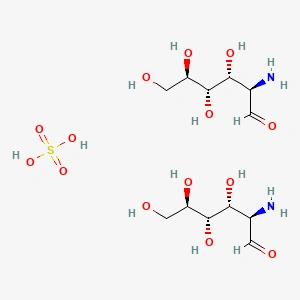
D-Glucosamine sulfate
D-Glucosamine sulfate Read More »

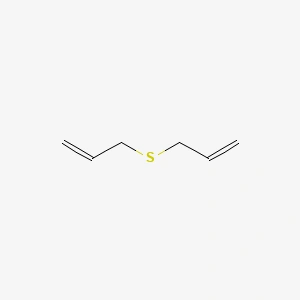
Diallyl Sulfide (CAS: 592-88-1) is a volatile sulfur compound that naturally occurs in garlic, onions, and other members of the Allium species. In its synthesized form, it presents as a colorless to pale yellow liquid characterized by a distinct garlic odor. The substance is traditionally prepared through the reaction of allyl bromide and sulfur within
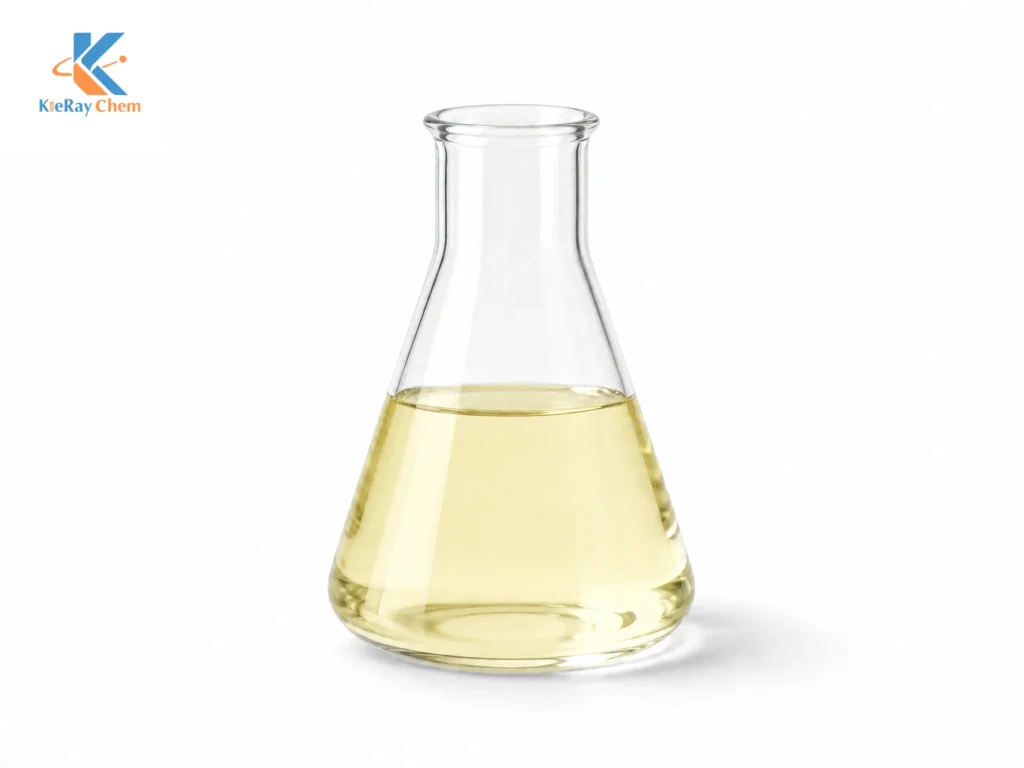
Tangerine Oil (CAS: 8016-85-1) is a vibrant, naturally derived volatile oil extracted from the peel of Citrus reticulata. Characterized by its bright orange to yellow appearance and an exceptionally fresh, sweet citrus odor, this botanical extract is a complex mixture of naturally occurring terpenes and aromatic compounds. The composition of this natural oil reflects its
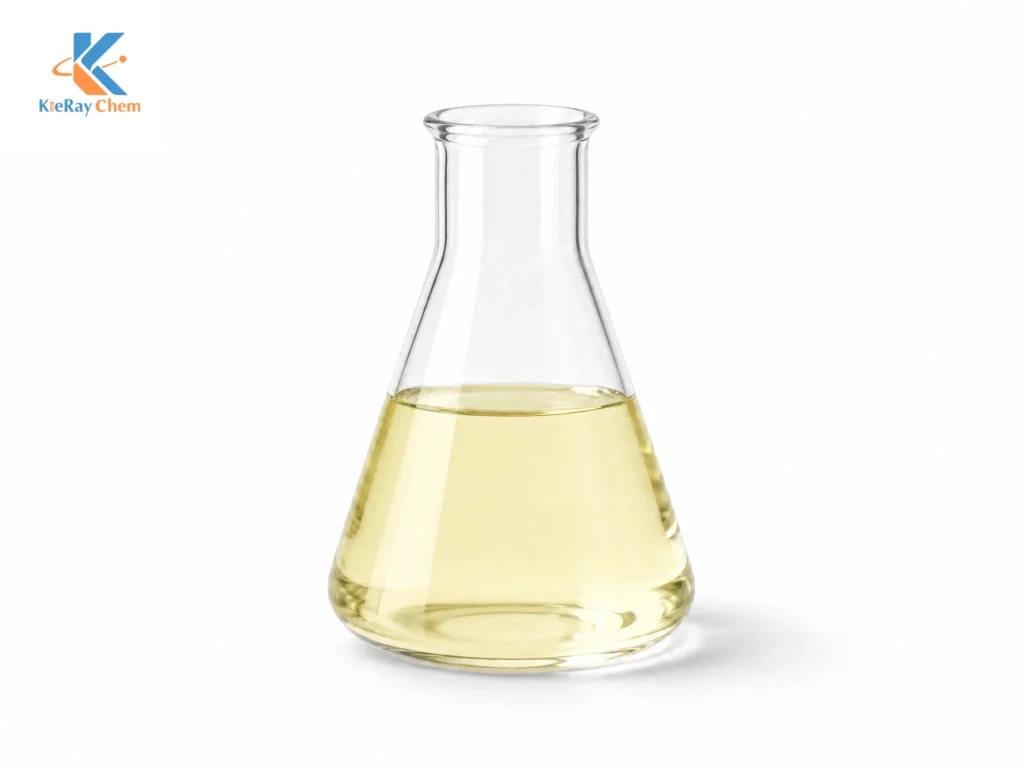
Juniper Berry Oil (CAS: 8012-91-7) is a premium natural volatile oil meticulously extracted from the fruit of the Juniperus plant. This botanical extract is celebrated for its crisp, fresh woody, and distinctly coniferous aromatic profile. As a naturally occurring complex mixture, its precise chemical composition is inherently variable, influenced by the specific botanical species, geographic
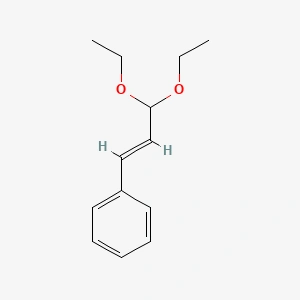
Cinnamaldehyde diethyl acetal (CAS: 7148-78-9) is an acetal derivative of cinnamaldehyde, characterized by its stable chemical structure compared to the parent aldehyde. It typically appears as a colorless to pale yellow liquid and is primarily utilized as a specialty intermediate in organic synthesis and the fragrance industry. The acetal functional group provides a protected form
Cinnamaldehyde diethyl acetal Read More »
Olive Oil (CAS: 8001-25-0) is a naturally occurring extractive consisting primarily of a variable mixture of triglycerides. According to chemical registry classifications, its principal components include the glycerides of linoleic, oleic, and palmitic acids. Because it is derived from botanical sources, its exact composition fluctuates based on cultivation factors, meaning it exists as a complex
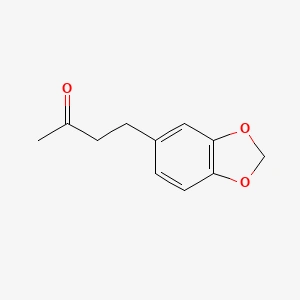
Piperonylacetone (CAS: 55418-52-5) is a specialty flavoring and fragrance compound characterized by its intensely sweet and floral aromatic profile. It is structurally related to heliotropin and occurs as a white crystalline solid at room temperature. The compound is valued in the sensory industry for its ability to impart complex sweet notes that enhance the organoleptic
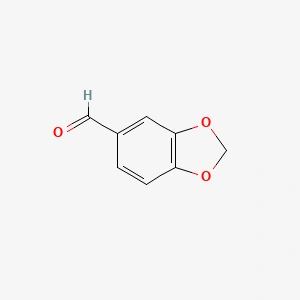
Piperonal (CAS: 120-57-0) is an aromatic compound naturally found in various essential oils. Presenting as colorless lustrous crystals or a white shining solid, this material is characterized by a distinct floral odor. It is widely recognized in the fragrance and flavor industries, where it imparts desirable cherry and vanilla notes to diverse formulations. The compound
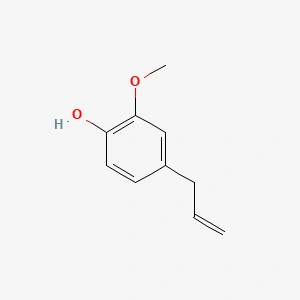
Eugenol (CAS: 97-53-0) is a naturally occurring allyl chain-substituted guaiacol, widely recognized as the primary aromatic constituent of clove essential oil. Presenting as a colorless to pale yellow liquid, it is defined by its intensely warm, spicy, and pungent clove-like aroma. This highly versatile compound is a cornerstone ingredient across multiple industries, valued equally for
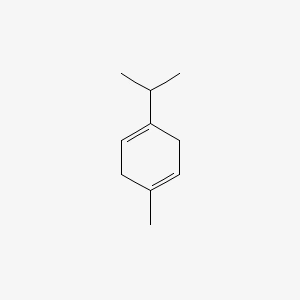
Gamma-Terpinene (CAS: 99-85-4) is a naturally occurring monoterpene found in a variety of essential oils, including citrus, coriander, and cumin. Appearing as a colorless oily liquid, it is characterized by a refreshing, herbaceous, and distinctly citrusy aroma. This volatile hydrocarbon is a highly sought-after ingredient in the flavor and fragrance industries, where it is utilized
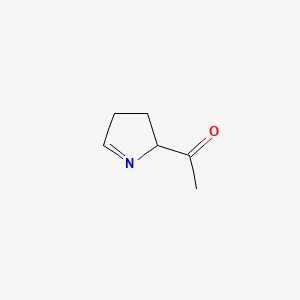
2-Acetyl-1-pyrroline (CAS: 99583-29-6) is a heterocyclic aroma compound recognized for its characteristic popcorn-like scent. It is a key volatile component naturally found in various cooked foods, most notably aromatic rice varieties like Basmati and Jasmine, as well as in the crust of freshly baked bread. This compound is highly valued in the flavor industry for
2-Acetyl-1-pyrroline Read More »
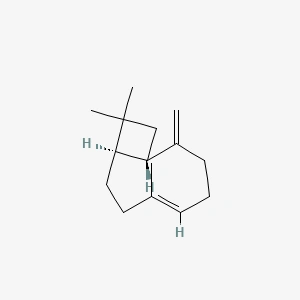
Beta-Caryophyllene (CAS: 87-44-5) is a naturally occurring bicyclic sesquiterpene found abundantly in many essential oils, notably clove, rosemary, and hops. Presenting as a pale yellow oily liquid, it is characterized by a distinctive woody, spicy, and dry aroma that bridges the scent profiles of cloves and turpentine. This versatile compound is highly regarded in the
Beta-Caryophyllene Read More »
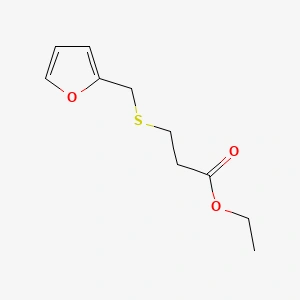
Ethyl 3-(furfurylthio)propionate (CAS: 94278-27-0) is a specialized synthetic flavoring agent highly prized for its intense and distinctive aromatic profile. Appearing as a straw-colored liquid, it is characterized by a pungent, roasted, and sulfury aroma that is essential for creating authentic savory and roasted flavor notes. This compound is meticulously synthesized to meet the rigorous quality
Ethyl 3-(furfurylthio)propionate Read More »
Clove Leaf Oil (CAS: 8000-34-8) is a natural essential oil distilled from the leaves of the clove plant. Known for its strong, characteristic aromatic profile, this eugenol-rich botanical extract is widely utilized across the flavor and fragrance industries. As a complex natural mixture, it provides a robust, spicy, and woody olfactory experience that is highly
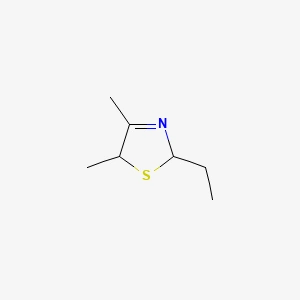
2-Ethyl-4,5-dimethyl-3-thiazoline (CAS: 76788-46-0) is a heterocyclic compound containing both sulfur and nitrogen, appearing as a clear liquid. It is characterized by a distinct meaty and vegetable-like odor, which makes it a highly valued component in the flavor industry. This substance is essential for creating realistic savory profiles in various food products. The compound is widely
2-Ethyl-4,5-dimethyl-3-thiazoline Read More »
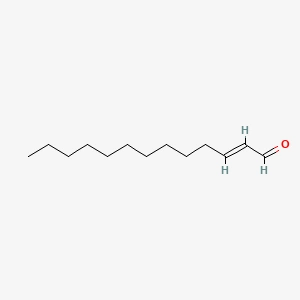
(E)-Tridec-2-enal (CAS: 7774-82-5) is an unsaturated aliphatic aldehyde known for its potent oily and citrus-like aroma. It typically appears as a colorless or slightly yellowish liquid and occurs naturally in various plant and insect sources. This compound is highly valued in the flavor and fragrance industries for its fresh and fatty nuances. The substance is