English | 中文 | Español

Food Grade

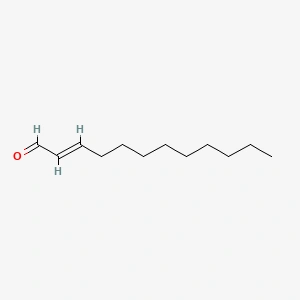
Trans 2 Dodecenal 20407 84 5 Structure

trans-2-Dodecenal

trans-2-Dodecenal, identified by CAS: 20407-84-5, is an unsaturated aliphatic aldehyde known for its distinct and powerful organoleptic properties. It occurs naturally in various botanical sources, most notably in coriander leaves (cilantro) and Eryngium foetidum, where it serves as a primary contributor to the characteristic pungent, green, and soapy aroma. In its isolated commercial form, it
trans-2-Dodecenal Read More »

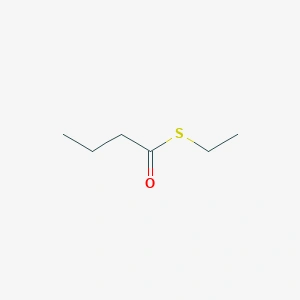
S Ethyl Butanethioate 20807 99 2 Structure

S-Ethyl butanethioate

S-Ethyl butanethioate (CAS: 20807-99-2) is a sulfur-containing organic compound belonging to the thioester family. It is characterized by its distinct odor profile, which is often described as fruity, tropical, or sulfurous, depending on the concentration. This chemical serves as a specialized building block in organic synthesis and is particularly valued in the creation of complex

S-Ethyl butanethioate Read More »

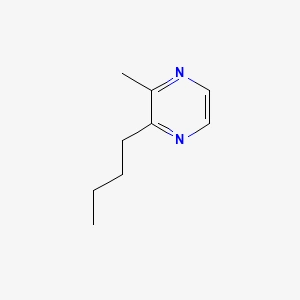
2 Butyl 3 Methylpyrazine 15987 00 5 Structure

2-Butyl-3-methylpyrazine

2-Butyl-3-methylpyrazine (CAS: 15987-00-5) is a heterocyclic organic compound belonging to the pyrazine family, known for its significant role in the flavor and fragrance industry. It is characterized by a distinct nutty, roasted, and earthy aroma, which is often associated with the scent of roasted nuts, cocoa, and toasted grains. This alkylpyrazine occurs naturally in various

2-Butyl-3-methylpyrazine Read More »

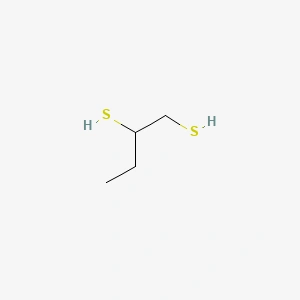
1 2 Butanedithiol 16128 68 0 Structure

1,2-Butanedithiol

1,2-Butanedithiol, identified by CAS: 16128-68-0, is a specialized organosulfur compound that plays a significant role in the chemical and food industries. Structurally, it is a vicinal dithiol consisting of a four-carbon butane chain with sulfhydryl groups located at the first and second positions. This specific configuration contributes to its characteristic potent odor and its ability

1,2-Butanedithiol Read More »

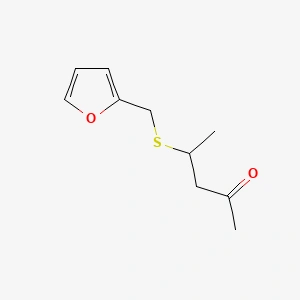
4 Furfurylthio 2 Pentanone 180031 78 1 Structure

4-Furfurylthio-2-pentanone

4-Furfurylthio-2-pentanone, identified by CAS 180031-78-1, is a specialized sulfur-containing organic compound widely utilized in the flavor and fragrance industry. It is characterized by its unique organoleptic profile, which is often described as having roasted, meaty, and coffee-like nuances. As a member of the furfuryl thioether family, it plays a critical role in developing complex aroma

4-Furfurylthio-2-pentanone Read More »

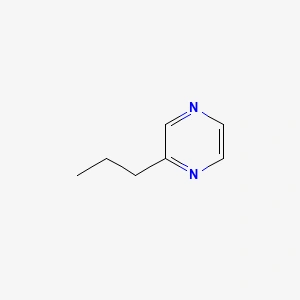
2 Propylpyrazine 18138 03 9 Structure

2-Propylpyrazine

2-Propylpyrazine, identified by CAS: 18138-03-9, is a heterocyclic organic compound belonging to the alkylpyrazine family, which is widely recognized for its significant role in the flavor and fragrance industry. This clear to pale yellow liquid is characterized by a potent and distinctive organoleptic profile, offering notes that are described as nutty, roasted, and slightly earthy.

2-Propylpyrazine Read More »

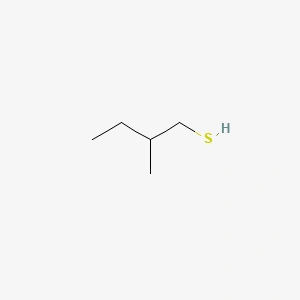
2 Methyl 1 Butanethiol 1878 18 8 Structure

2-Methyl-1-butanethiol

2-Methyl-1-butanethiol, identified by CAS: 1878-18-8, is a volatile organosulfur compound belonging to the thiol family. It is recognized for its potent and characteristic odor, which is often described as pungent, sulfurous, and reminiscent of roasted meat, onions, or garlic when highly diluted. This compound occurs naturally in various food items, including coffee, cooked meats, and

2-Methyl-1-butanethiol Read More »

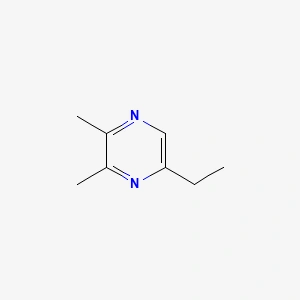
5 Ethyl 2 3 Dimethylpyrazine 15707 34 3 Structure

5-Ethyl-2,3-dimethylpyrazine

5-Ethyl-2,3-dimethylpyrazine, identified by CAS 15707-34-3, is a heterocyclic organic compound belonging to the pyrazine family. It is widely recognized for its potent organoleptic properties, characterized by a distinct roasted, nutty, and earthy aroma profile. This compound occurs naturally in various cooked foods, including roasted coffee, cocoa, and grilled meats, where it contributes to the complex

5-Ethyl-2,3-dimethylpyrazine Read More »

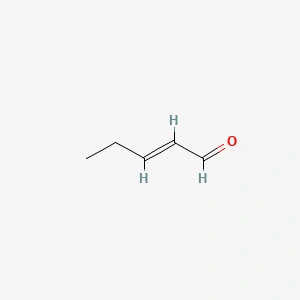
Trans 2 Pentenal 1576 87 0 Structure

trans-2-Pentenal

trans-2-Pentenal, identified by CAS: 1576-87-0, is an alpha,beta-unsaturated aldehyde characterized by a sharp, fruity, and green aroma profile. It occurs naturally in a wide variety of botanical sources, including strawberries, tomatoes, and various essential oils, where it contributes significantly to the complex flavor and aroma profiles of these natural products. As a volatile organic compound,

trans-2-Pentenal Read More »

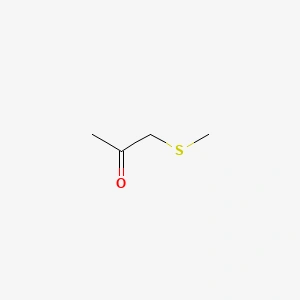
1 Methylthio 2 Propanone 14109 72 9 Structure

1-Methylthio-2-propanone

1-Methylthio-2-propanone, identified by CAS: 14109-72-9, is a specialized organic sulfur compound categorized as a thio-ketone. It is recognized for its potent and distinctive odor, which is typically described as pungent, alliaceous, and reminiscent of roasted or savory food components. This chemical occurs naturally in several food sources, including coffee, cooked meats, and certain vegetables, where

1-Methylthio-2-propanone Read More »

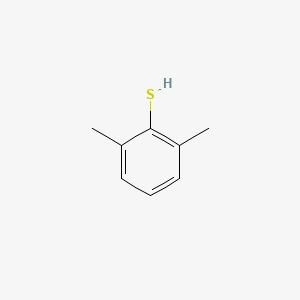
2 6 Dimethylbenzenethiol 118 72 9 Structure

2,6-Dimethylbenzenethiol

2,6-Dimethylbenzenethiol, identified by CAS: 118-72-9, is a specialized aromatic organosulfur compound characterized by a thiol group attached to a 1,3-dimethylbenzene ring. It is a clear liquid known for its potent and distinctive odor, which is often described as sulfurous or meaty at high dilutions. This chemical serves as a versatile building block in organic chemistry,

2,6-Dimethylbenzenethiol Read More »

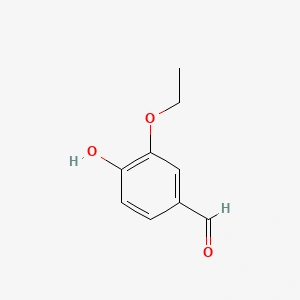
Ethyl Vanillin 121 32 4 Structure

Ethyl Vanillin

Ethyl Vanillin (CAS: 121-32-4) is a synthetic organic compound that serves as a potent aromatic flavoring agent. It is a derivative of vanillin, specifically the ethyl ether of protocatechuic aldehyde. Characterized by a strong, sweet, and creamy vanilla-like odor, it is significantly more intense than natural vanillin—often cited as being three to four times stronger

Ethyl Vanillin Read More »

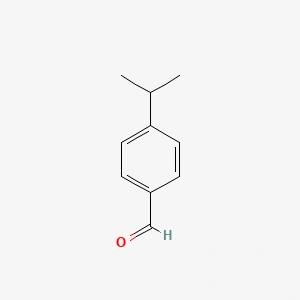
Cuminaldehyde 122 03 2 Structure

Cuminaldehyde

Cuminaldehyde, also known by its CAS: 122-03-2, is a naturally occurring organic compound found in the essential oils of cumin, caraway, and eucalyptus. It is a substituted benzaldehyde characterized by an isopropyl group at the para position. This aromatic aldehyde is recognized for its distinctive spicy, green, and herbaceous odor, which closely resembles the scent

Cuminaldehyde Read More »

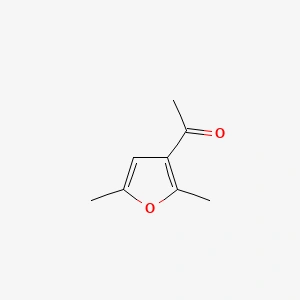
3 Acetyl 2 5 Dimethylfuran 10599 70 9 Structure

3-Acetyl-2,5-dimethylfuran

3-Acetyl-2,5-dimethylfuran, identified by CAS: 10599-70-9, is a heterocyclic organic compound belonging to the furan family. It is characterized by its distinct and potent aroma, often described as having nutty, roasted, and caramel-like notes with hints of cocoa and wood. This liquid compound is naturally occurring in various heat-processed foods, including coffee, bread, and cooked meats,

3-Acetyl-2,5-dimethylfuran Read More »

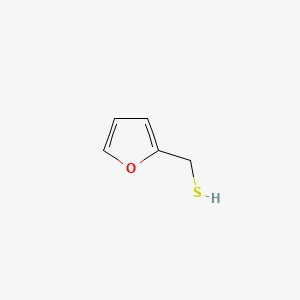
Furfuryl Mercaptan 98 02 2 Structure

Furfuryl mercaptan

Furfuryl mercaptan, identified by CAS: 98-02-2, is a vital organosulfur compound widely recognized for its intense and characteristic aromatic properties. Naturally found in the aroma of roasted coffee beans, it is one of the most potent odorants contributing to the characteristic coffee scent profile. In its pure state, the liquid exhibits a powerful, sulfurous, and

Furfuryl mercaptan Read More »

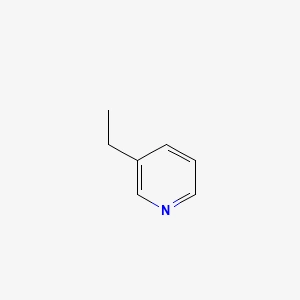
3 Ethylpyridine 536 78 7 Structure

3-Ethylpyridine

3-Ethylpyridine (CAS: 536-78-7) is an organic heterocyclic compound belonging to the pyridine family. It is characterized by an ethyl group substituted at the 3-position of the pyridine ring. This clear to light yellow liquid is naturally occurring in various food items, including coffee, tea, and roasted meats, contributing to their complex aroma profiles. It is

3-Ethylpyridine Read More »

REQUEST A QUOTE

Product Inquiry — Popup Form