English | 中文 | Español

Food Grade

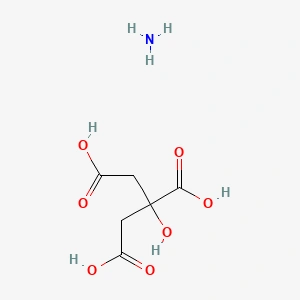
Ammonium Citrate 7632 50 0 Structure

Ammonium citrate

Ammonium citrate, specifically the dibasic form identified by CAS 7632-50-0, is a white, crystalline salt derived from the neutralization of citric acid with ammonia. It is highly soluble in water and exhibits excellent buffering capacity, making it a versatile reagent in various chemical and industrial environments. Its chemical structure allows it to act as an
Ammonium citrate Read More »

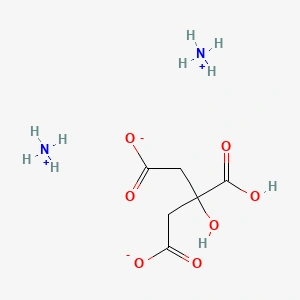
DIAMMONIUM CITRATE 3012 65 5 Structure

DIAMMONIUM CITRATE

Diammonium citrate, identified by CAS number 3012-65-5, is a dibasic salt of citric acid and ammonia. It typically appears as a white, crystalline powder or granular solid that exhibits high solubility in water. This compound serves as a versatile chemical intermediate and additive, valued for its ability to regulate acidity and act as a chelating

DIAMMONIUM CITRATE Read More »

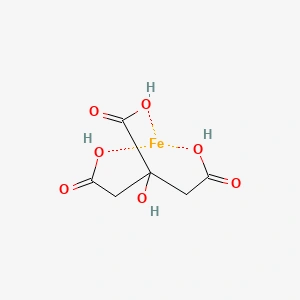
Iron Citrate 2338 05 8 Structure

Iron citrate

Iron citrate, identified by CAS number 2338-05-8, is a coordination complex consisting of iron in the +3 oxidation state paired with citric acid. Often appearing as reddish-brown scales or a yellowish-brown powder, this compound is recognized for its solubility in water and its relative stability under standard conditions. It serves as a vital source of

Iron citrate Read More »

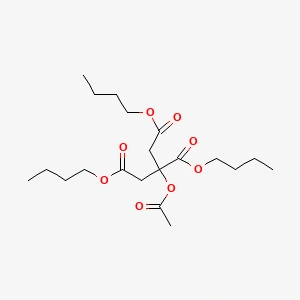
ACETYL TRIBUTYL CITRATE 77 90 7 Structure

ACETYL TRIBUTYL CITRATE

Acetyl Tributyl Citrate, identified by CAS number 77-90-7, is a versatile organic compound primarily utilized as a high-performance plasticizer. Chemically, it is a citric acid ester that appears as a colorless, odorless, and oily liquid. Its molecular structure provides excellent compatibility with a wide range of resin systems, characterized by low volatility and high resistance

ACETYL TRIBUTYL CITRATE Read More »

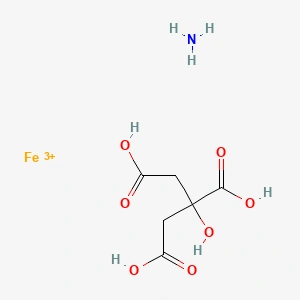
FERRIC AMMONIUM CITRATE 1185 57 5 Structure

FERRIC AMMONIUM CITRATE

Ferric Ammonium Citrate, identified by CAS number 1185-57-5, is a complex coordination compound composed of iron, ammonia, and citric acid. It typically presents as either reddish-brown or green scales or powder, depending on the specific iron content and oxidation state. This chemical is highly soluble in water and is notably characterized by its significant photosensitivity,

FERRIC AMMONIUM CITRATE Read More »

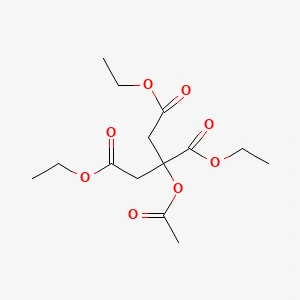
Acetyl Triethyl Citrate 77 89 4 Structure

Acetyl triethyl citrate

Acetyl triethyl citrate, identified by CAS 77-89-4, is a versatile organic ester derived from the acetylation of triethyl citrate. It presents as a clear, colorless, and odorless liquid characterized by its high boiling point and low volatility. As a derivative of citric acid, this compound is highly regarded for its excellent compatibility with a wide

Acetyl triethyl citrate Read More »

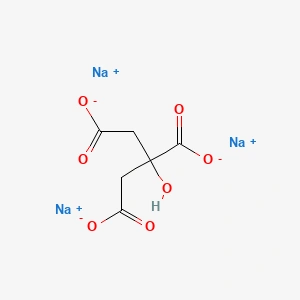
Sodium Citrate 68 04 2 Structure

Sodium citrate

Sodium citrate, identified by CAS 68-04-2, is the sodium salt of citric acid, typically appearing as a white, odorless, crystalline powder or granular solid. It is highly soluble in water and exhibits a slightly alkaline pH in aqueous solution. This compound is valued for its chemical stability and non-toxic profile, making it a staple in

Sodium citrate Read More »

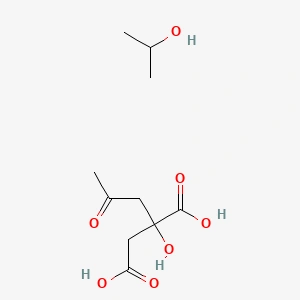
Isopropyl Citrate 39413 05 3 Structure

Isopropyl citrate

Isopropyl citrate, identified by CAS 39413-05-3, is a specialized ester derived from the reaction of citric acid with isopropyl alcohol. This compound typically exists as a mixture of mono-, di-, and tri-isopropyl esters, resulting in a versatile chemical profile characterized by its solubility in both aqueous and organic media. Its primary function in industrial settings

Isopropyl citrate Read More »

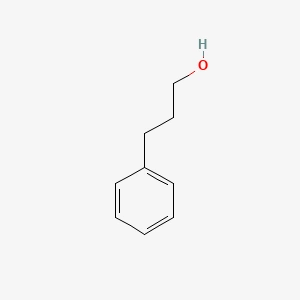
Alverine Citrate EP Impurity B 122 97 4 Structure

Alverine Citrate EP Impurity B

3-Phenyl-1-propanol, identified by CAS number 122-97-4, is a primary aromatic alcohol characterized by its distinct floral and balsamic odor. In the pharmaceutical sector, it is recognized as Alverine Citrate EP Impurity B, serving as a critical reference standard for quality control and analytical testing. The molecule consists of a phenyl ring attached to a propanol

Alverine Citrate EP Impurity B Read More »

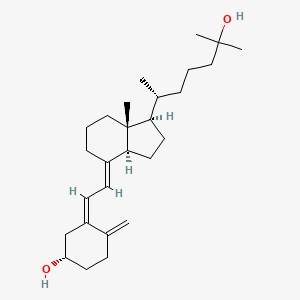
25 Hydroxyvitamin D3 19356 17 3 Structure

25-Hydroxyvitamin D3

25-Hydroxyvitamin D3, identified by CAS number 19356-17-3 and also known as calcifediol, is a critical metabolic intermediate in the vitamin D endocrine system. It is chemically characterized as a secosteroid produced in the liver through the hydroxylation of cholecalciferol. As the primary circulating form of vitamin D, this compound serves as the standard clinical indicator

25-Hydroxyvitamin D3 Read More »

Zinc Glycinate 7210 08 6 Structure 1024x768

Zinc Glycinate

Zinc Glycinate, identified by CAS 1939657, is a high-purity chelated compound formed by the coordination of zinc ions with glycine molecules. This amino acid chelate is characterized by its superior stability and enhanced solubility compared to traditional inorganic zinc salts. In its physical form, it typically presents as a fine, white crystalline powder that is

Zinc Glycinate Read More »

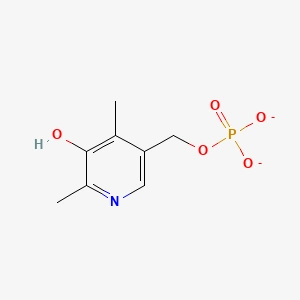
Vitamin B6 8059 24 3 Structure

Vitamin B6

Vitamin B6, identified by CAS 8059-24-3, represents a vital group of water-soluble compounds essential for numerous biochemical processes. It typically appears as a white to off-white crystalline powder that exhibits high stability under acidic conditions but remains sensitive to light and alkaline environments. As a fundamental component of the B-complex family, this material serves as

Vitamin B6 Read More »

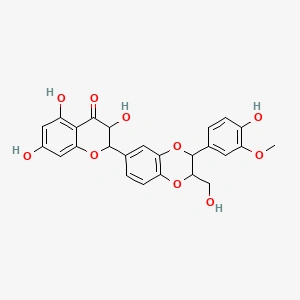
Silymarin 84604 20 6 Structure

Silymarin

Silymarin, identified by CAS 84604-20-6, is a standardized extract derived primarily from the seeds of the milk thistle plant, Silybum marianum. It is a complex mixture of flavonolignans, most notably silybin, isosilybin, silychristin, and silydianin. As a chemical raw material, it typically presents as a yellow to light brown crystalline powder. It is characterized by

Silymarin Read More »

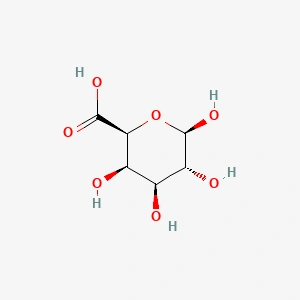
Pectin 9000 69 5 Structure

Pectin

Pectin (CAS 9000-69-5) is a complex structural heteropolysaccharide naturally occurring in the primary cell walls and middle lamella of terrestrial plants, particularly citrus fruits and apples. Chemically, it consists predominantly of methylated esters of polygalacturonic acid. As a high-molecular-weight carbohydrate, it is prized for its ability to form stable gels in aqueous solutions, a property

Pectin Read More »

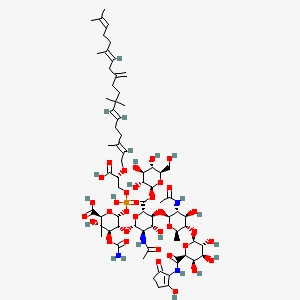
Flavomycin 11015 37 5 Structure

Flavomycin

Flavomycin, identified by CAS number 11015-37-5 and also known as bambermycin, is a specialized phosphorus-containing glycolipid antibiotic primarily derived from the fermentation of Streptomyces species. This complex molecule is characterized by its high molecular weight and its specific inhibitory action against Gram-positive bacteria. In its raw form, it typically appears as a yellowish-brown powder that

Flavomycin Read More »

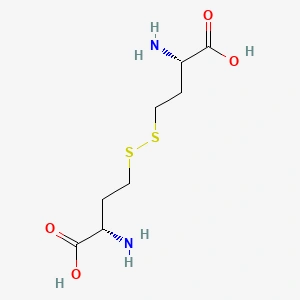
L Homocystine 626 72 2 Structure

L-Homocystine

L-Homocystine, identified by CAS number 626-72-2, is a non-proteinogenic sulfur-containing amino acid that functions as the disulfide dimer of L-homocysteine. Structurally, it is characterized by two homocysteine molecules linked by a disulfide bridge, distinguishing it from cystine by the presence of an additional methylene group in each amino acid chain. This compound typically presents as

L-Homocystine Read More »

REQUEST A QUOTE

Product Inquiry — Popup Form