English | 中文 | Español

Chemical Products

L Arginine 74 79 3 Structure

L-Arginine

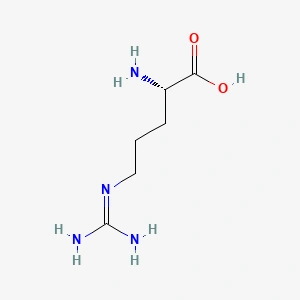
L-Arginine, identified by CAS 74-79-3, is a naturally occurring basic alpha-amino acid that plays a fundamental role in various biological processes. Chemically, it is characterized by the presence of a complex guanidino side chain, which imparts a high degree of alkalinity and polarity to the molecule. In its pure form, L-Arginine typically appears as a
L-Arginine Read More »

Gamma Cyclodextrin 17465 86 0 Structure

Gamma-Cyclodextrin

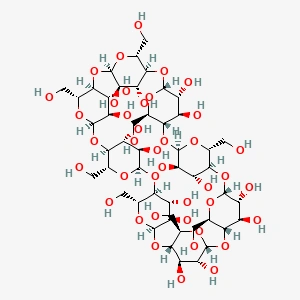
Gamma-Cyclodextrin, identified by CAS 17465-86-0, is a cyclic oligosaccharide composed of eight D-glucopyranosyl units linked by alpha-1,4-glycosidic bonds. Produced through the enzymatic conversion of starch, this macrocyclic molecule features a unique torus-shaped structure with a hydrophobic interior cavity and a hydrophilic exterior. Compared to its alpha and beta counterparts, the gamma variant possesses the largest

Gamma-Cyclodextrin Read More »

D Mannose 3458 28 4 Structure

D-Mannose

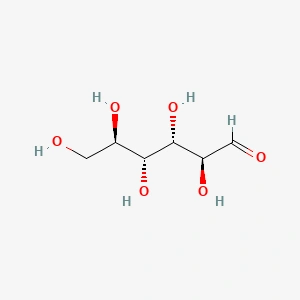
D-Mannose, identified by CAS number 3458-28-4, is a naturally occurring monosaccharide and a C-2 epimer of D-glucose. It is a vital hexose sugar that plays a significant role in human metabolism, particularly in the glycosylation of proteins. Physically, it typically appears as a white crystalline powder or colorless crystals, exhibiting high solubility in aqueous environments

D-Mannose Read More »

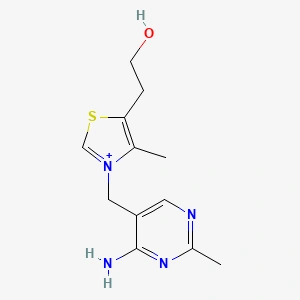
Thiamine 59 43 8 Structure

Thiamine

Thiamine, identified by CAS number 59-43-8, is a vital water-soluble compound belonging to the B-vitamin complex. Chemically characterized by its substituted pyrimidine and thiazole rings linked by a methylene bridge, it typically appears as a white to off-white crystalline powder. In industrial and laboratory settings, thiamine is recognized for its stability profile, which is highly

Thiamine Read More »

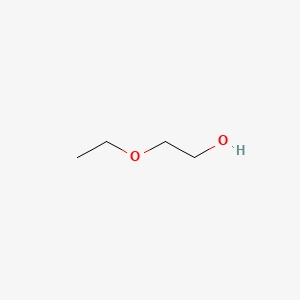
2 Ethoxyethanol 110 80 5 Structure

2-Ethoxyethanol

2-Ethoxyethanol, identified by CAS number 110-80-5, is a clear, colorless, and virtually odorless liquid belonging to the glycol ether family. It is characterized by its unique molecular structure, which combines the properties of an alcohol and an ether, granting it exceptional solvency for a wide range of substances. This compound is fully miscible with water

2-Ethoxyethanol Read More »

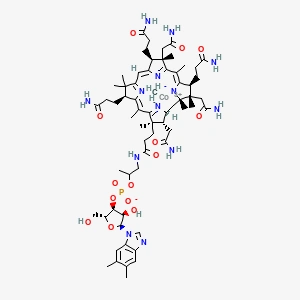
Methylcobalamin 13422 55 4 Structure

Methylcobalamin

Methylcobalamin, identified by CAS number 13422-55-4, is a naturally occurring and physiologically active form of Vitamin B12. Chemically, it is a cobalamin featuring a unique cobalt-methyl bond, distinguishing it from other B12 analogs like cyanocobalamin. This deep red, crystalline substance is highly valued in biochemical research and industrial applications due to its role as a

Methylcobalamin Read More »

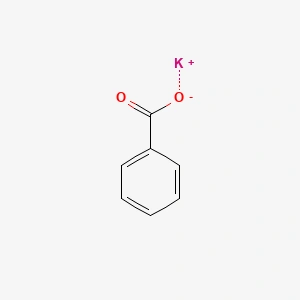
Potassium Benzoate 582 25 2 Structure

Potassium Benzoate

Potassium Benzoate, identified by CAS number 582-25-2, is the potassium salt of benzoic acid, commonly appearing as a white, odorless, crystalline powder or granular solid. Known for its excellent solubility in water, this compound serves as a critical antimicrobial agent, particularly effective against the growth of yeasts, molds, and certain bacteria. It is chemically stable

Potassium Benzoate Read More »

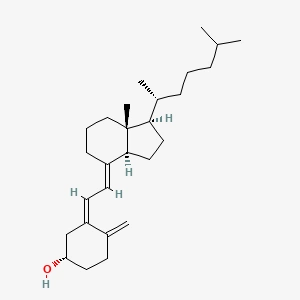
Cholecalciferol Vitamin D3 67 97 0 Structure

Cholecalciferol (Vitamin D3)

Cholecalciferol, identified by the CAS number 67-97-0, is a fat-soluble secosteroid and a primary form of Vitamin D. Naturally occurring in various animal sources and synthesized in the skin upon exposure to ultraviolet radiation, this compound appears as a white to off-white crystalline solid. It is chemically characterized by its sensitivity to environmental factors such

Cholecalciferol (Vitamin D3) Read More »

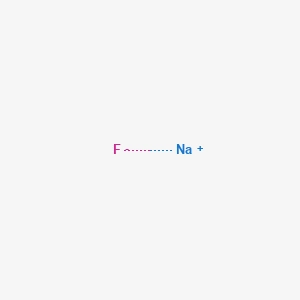
Sodium Fluoride 7681 49 4 Structure

Sodium Fluoride

Sodium Fluoride, identified by CAS number 7681-49-4, is a versatile inorganic compound typically appearing as a white, odorless crystalline solid or powder. As a simple ionic salt composed of sodium and fluoride ions, it is highly soluble in water and serves as a primary source of fluoride for various industrial and laboratory applications. Its chemical

Sodium Fluoride Read More »

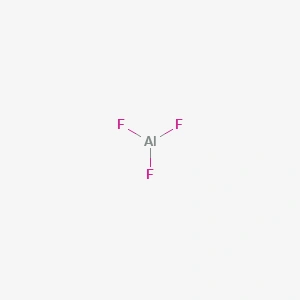
Aluminum Fluoride 7784 18 1 Structure

Aluminum Fluoride

Aluminum fluoride (CAS 7784-18-1) is an inorganic compound primarily recognized as a white, crystalline solid. It is characterized by its high melting point and thermal stability, making it a vital component in high-temperature industrial processes. Chemically, it exists as a trihydrate or in anhydrous form, exhibiting low solubility in water and most organic solvents. Its

Aluminum Fluoride Read More »

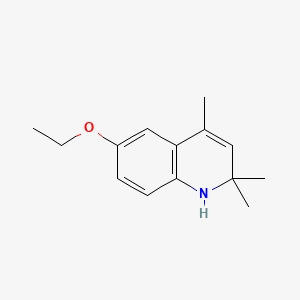
Ethoxyquin 91 53 2 Structure

Ethoxyquin

Ethoxyquin, identified by CAS number 91-53-2, is a quinoline-based antioxidant characterized by its chemical structure as 6-ethoxy-1,2-dihydro-2,2,4-trimethylquinoline. It typically appears as a viscous liquid ranging from clear yellow to dark amber. This compound is highly valued in industrial and research settings for its potent ability to inhibit the oxidation of lipids and fat-soluble vitamins, thereby

Ethoxyquin Read More »

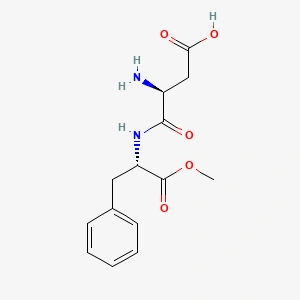
Aspartame 22839 47 0 Structure

Aspartame

Aspartame, identified by CAS number 22839-47-0, is a prominent non-nutritive sweetener composed of the dipeptide methyl ester of L-aspartic acid and L-phenylalanine. This white, odorless crystalline powder is characterized by its intense sweetness, which is estimated to be approximately two hundred times greater than that of sucrose. Its chemical structure makes it sensitive to prolonged

Aspartame Read More »

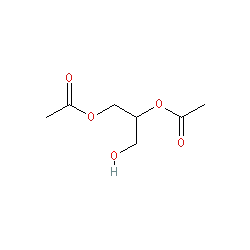
Diacetin 25395 31 7 Structure

Diacetin

Diacetin, also known as glycerol diacetate (CAS 25395-31-7), is a clear, colorless, and odorless liquid derived from the esterification of glycerol with acetic acid. It typically exists as a mixture of two isomers, 1,2-diacetin and 1,3-diacetin. Known for its hygroscopic nature and moderate viscosity, this compound serves as a versatile chemical intermediate and functional additive

Diacetin Read More »

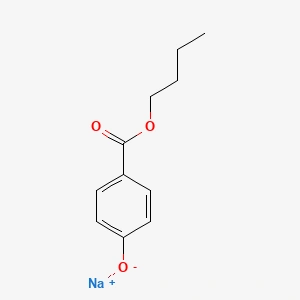
Sodium Butylparaben 36457 20 2 Structure

Sodium Butylparaben

Sodium Butylparaben, identified by CAS number 36457-20-2, is the water-soluble sodium salt of butyl p-hydroxybenzoate. It typically appears as a white, crystalline, hygroscopic powder that is highly soluble in aqueous systems, distinguishing it from its parent ester. This chemical acts as a potent broad-spectrum preservative, effectively inhibiting the growth of bacteria, yeasts, and molds across

Sodium Butylparaben Read More »

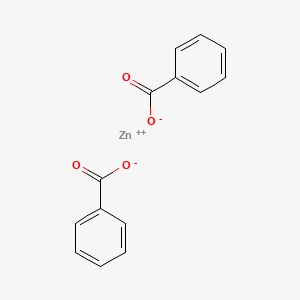
Zinc Benzoate 553 72 0 Structure

Zinc Benzoate

Zinc benzoate, identified by CAS number 553-72-0, is a white crystalline powder that serves as the zinc salt of benzoic acid. This compound is characterized by its stability and specific chemical reactivity, making it a versatile intermediate in various industrial processes. It is typically produced through the neutralization of benzoic acid with zinc oxide or

Zinc Benzoate Read More »

Menadione Vitamin K3 58 27 5 Structure

Menadione (Vitamin K3)

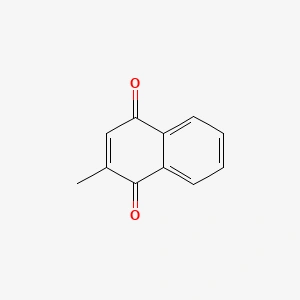
Menadione, identified by CAS number 58-27-5, is a synthetic fat-soluble precursor of Vitamin K, often referred to as Vitamin K3. Chemically known as 2-methyl-1,4-naphthoquinone, it presents as a bright yellow crystalline powder. Unlike naturally occurring Vitamin K variants, menadione lacks the long isoprenoid side chain, which contributes to its distinct chemical reactivity and solubility profile.

Menadione (Vitamin K3) Read More »

REQUEST A QUOTE

Product Inquiry — Popup Form