English | 中文 | Español

Chemical Products

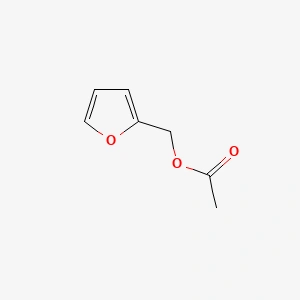
Furfuryl acetate

Furfuryl acetate, identified by CAS number 623-17-6, is an organic ester compound characterized by its distinct aromatic profile. It typically appears as a colorless to pale yellow liquid and is derived from the esterification of furfuryl alcohol with acetic acid. This chemical is known for its spicy, floral, and slightly fruity scent, which makes it
Furfuryl acetate Read More »

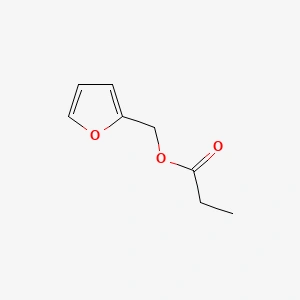
Furfuryl propionate

Furfuryl propionate, identified by CAS number 623-19-8, is a clear to pale yellow liquid ester derived from the reaction between furfuryl alcohol and propionic acid. This organic compound belongs to the furan family and is characterized by its distinctively warm, spicy, and woody aroma, often accompanied by subtle fruity undertones. Its chemical structure features a

Furfuryl propionate Read More »

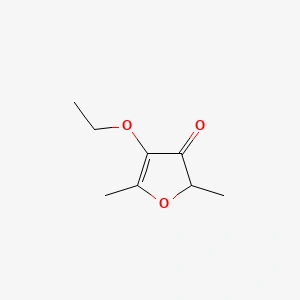
2,5-Dimethyl-4-ethoxy-3(2H)-furanone

2,5-Dimethyl-4-ethoxy-3(2H)-furanone, identified by CAS number 65330-49-6, is a specialized heterocyclic organic compound belonging to the furanone family. It is recognized for its distinctive organoleptic profile, characterized by a potent, sweet, and fruity aroma reminiscent of cooked sugar and berries. This compound is a derivative of the naturally occurring flavor compound Furaneol, where the ethoxy substitution

2,5-Dimethyl-4-ethoxy-3(2H)-furanone Read More »

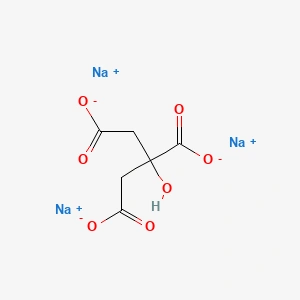
Sodium citrate

Sodium citrate, identified by CAS 68-04-2, is the sodium salt of citric acid, typically appearing as a white, odorless, crystalline powder or granular solid. It is highly soluble in water and exhibits a slightly alkaline pH in aqueous solution. This compound is valued for its chemical stability and non-toxic profile, making it a staple in

Sodium citrate Read More »

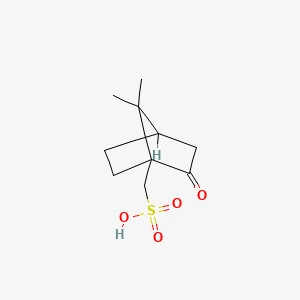
DL-10-Camphorsulfonic acid

DL-10-Camphorsulfonic acid, identified by CAS 5872-08-2, is a robust organosulfur compound characterized as a racemic mixture of camphorsulfonic acid enantiomers. It typically appears as a white to off-white crystalline solid and is highly valued for its strong acidic properties combined with a bulky, lipophilic camphor skeleton. This unique structure allows it to function effectively in

DL-10-Camphorsulfonic acid Read More »

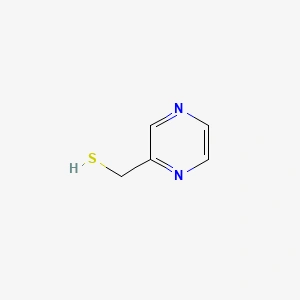
2-mercaptomethyl pyrazine

2-Mercaptomethyl pyrazine, identified by CAS number 59021-02-2, is a specialized organosulfur compound characterized by a pyrazine ring substituted with a mercaptomethyl group. This heterocyclic molecule is recognized for its potent and distinctive organoleptic properties, exhibiting a powerful aroma that combines sulfurous, roasted, and savory notes. In its pure form, it typically appears as a clear

2-mercaptomethyl pyrazine Read More »

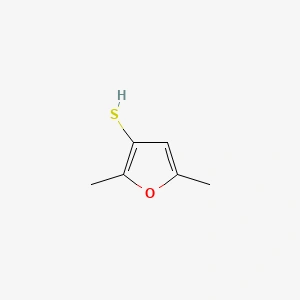
2,5-Dimethylfuran-3-thiol

2,5-Dimethylfuran-3-thiol, identified by CAS number 55764-23-3, is a specialized organosulfur compound characterized by its distinct furan ring substituted with two methyl groups and a thiol functional group. This colorless to pale yellow liquid is recognized for its potent and complex aromatic profile, which is highly valued in chemical synthesis and sensory applications. As a member

2,5-Dimethylfuran-3-thiol Read More »

Methyl furfuryl disulfide

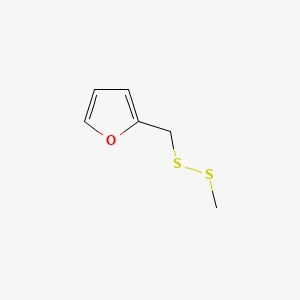
Methyl furfuryl disulfide, identified by CAS number 57500-00-2, is an organic sulfur-containing compound characterized by its potent and distinctive organoleptic properties. Chemically, it consists of a furan ring linked to a methyl disulfide group, which contributes to its high reactivity and intense aromatic profile. This clear to pale yellow liquid is valued in specialized chemical

Methyl furfuryl disulfide Read More »

2-Ethyl-3,5-dimethylpyrazine

2-Ethyl-3,5-dimethylpyrazine, identified by CAS number 55031-15-7, is a heterocyclic organic compound belonging to the alkylpyrazine family. This clear to pale yellow liquid is characterized by its potent and distinctive aromatic profile, often described as having roasted, nutty, and cocoa-like notes. As a member of the pyrazine class, it plays a significant role in the organoleptic

2-Ethyl-3,5-dimethylpyrazine Read More »

Ethyl (methylthio)acetate

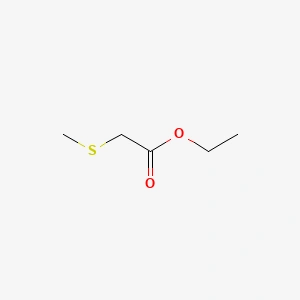
Ethyl (methylthio)acetate, identified by CAS 4455-13-4, is an organosulfur compound characterized by its distinct thioether and ester functional groups. This colorless to pale yellow liquid is recognized for its potent and characteristic aroma, often described as sulfurous or vegetable-like. As a versatile building block in organic chemistry, it serves as a critical reagent for the

Ethyl (methylthio)acetate Read More »

Pyrazine, 2-amino-

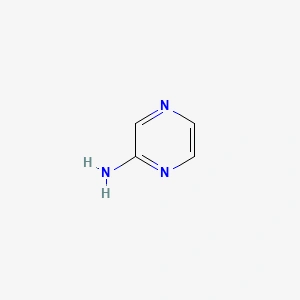
2-Aminopyrazine, identified by CAS 5049-61-6, is a fundamental heterocyclic building block widely utilized in the synthesis of diverse organic compounds. This aromatic amine features a pyrazine ring substituted with an amino group at the 2-position, imparting specific electronic properties that make it a valuable intermediate in chemical research and industrial manufacturing. It typically presents as

Pyrazine, 2-amino- Read More »

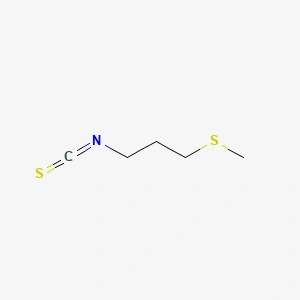
Isothiocyanic acid, 3-(methylthio)propyl ester

Isothiocyanic acid, 3-(methylthio)propyl ester, commonly referred to as iberverin, is a naturally occurring organosulfur compound belonging to the isothiocyanate family. It is primarily identified as a secondary metabolite found in various cruciferous vegetables, particularly within the Brassicaceae family. Structurally, it features a propyl chain substituted with a methylthio group at one end and an isothiocyanate

Isothiocyanic acid, 3-(methylthio)propyl ester Read More »

Muskone

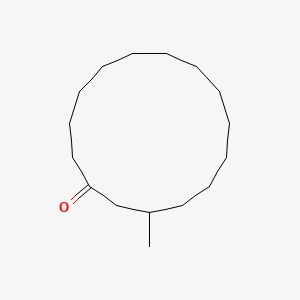
Muskone, chemically identified by CAS 541-91-3, is a macrocyclic ketone that serves as the primary odoriferous component of natural musk. As a high-purity synthetic or naturally sourced compound, it is recognized for its intense, sweet, and warm animalic scent profile, often described as having woody and powdery undertones. Its molecular structure, 3-methylcyclopentadecanone, grants it exceptional

Muskone Read More »

4-(4′-Hydroxyphenyl)-2-butanone

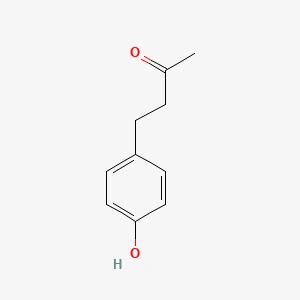
4-(4′-Hydroxyphenyl)-2-butanone, widely recognized by the common name raspberry ketone, is a naturally occurring phenolic compound primarily responsible for the characteristic aroma of red raspberries. Chemically, it is an aromatic ketone consisting of a butanone chain substituted with a para-hydroxyphenyl group. In its pure form, it appears as a white to off-white crystalline solid or powder,

4-(4′-Hydroxyphenyl)-2-butanone Read More »

2,3-Hexanedione

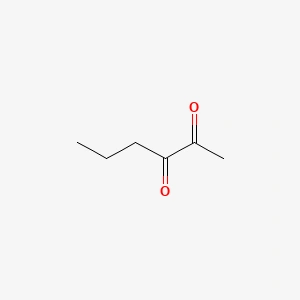
2,3-Hexanedione, identified by CAS number 3848-24-6, is a vicinal diketone characterized by its distinct yellow liquid appearance and a potent, buttery aroma. As an alpha-diketone, it possesses two adjacent carbonyl groups, which significantly influence its chemical reactivity and organoleptic properties. It is naturally occurring in various food items, such as coffee and roasted nuts, and

2,3-Hexanedione Read More »

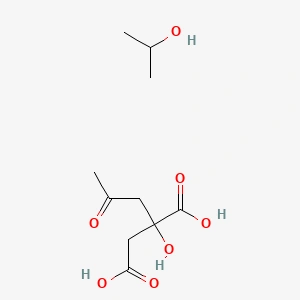
Isopropyl citrate

Isopropyl citrate, identified by CAS 39413-05-3, is a specialized ester derived from the reaction of citric acid with isopropyl alcohol. This compound typically exists as a mixture of mono-, di-, and tri-isopropyl esters, resulting in a versatile chemical profile characterized by its solubility in both aqueous and organic media. Its primary function in industrial settings

Isopropyl citrate Read More »

REQUEST A QUOTE

Product Inquiry — Popup Form