English | 中文 | Español

Chemical Products

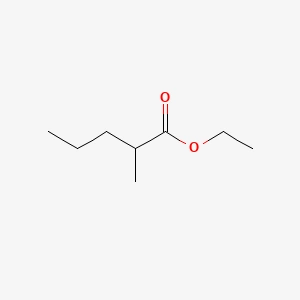
Ethyl 2 Methylpentanoate 39255 32 8 Structure

Ethyl 2-methylpentanoate

Ethyl 2-methylpentanoate, identified by CAS number 39255-32-8, is a versatile organic ester widely recognized for its distinctive and potent olfactory profile. Characterized as a clear, colorless liquid, this compound exhibits a low viscosity and a high degree of solubility in organic solvents. Its chemical structure, featuring a branched pentanoate chain, contributes to its unique sensory

Ethyl 2-methylpentanoate Read More »
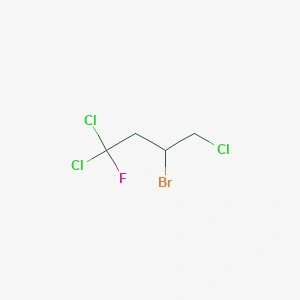
3 Bromo 1 1 4 Trichloro 1 Fluorobutane 406 67 7 Structure

3-Bromo-1,1,4-Trichloro-1-Fluorobutane

3-Bromo-1,1,4-trichloro-1-fluorobutane, identified by CAS number 406-67-7, is a specialized halogenated organic compound characterized by its unique substitution pattern of bromine, chlorine, and fluorine atoms on a butane backbone. As a multi-halogenated alkane, it serves as a versatile building block in complex organic synthesis, particularly where selective functionalization is required. The presence of multiple halogen groups

3-Bromo-1,1,4-Trichloro-1-Fluorobutane Read More »

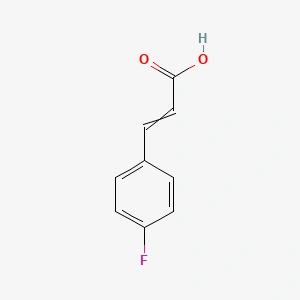
3 4 Fluorophenyl 2 Propenoic Acid 459 32 5 Structure

3-(4-fluorophenyl)-2-propenoic acid

3-(4-fluorophenyl)-2-propenoic acid, also widely recognized as 4-fluorocinnamic acid, is an organic compound characterized by its cinnamic acid backbone with a fluorine substituent at the para position of the benzene ring. This white to off-white crystalline solid serves as a versatile building block in synthetic chemistry, owing to the presence of both an alpha, beta-unsaturated carboxylic

3-(4-fluorophenyl)-2-propenoic acid Read More »

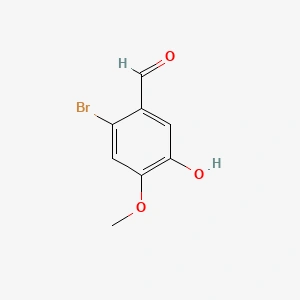
Benzaldehyde 2 Bromo 5 Hydroxy 4 Methoxy 2973 59 3 Structure

Benzaldehyde, 2-bromo-5-hydroxy-4-methoxy-

2-Bromo-5-hydroxy-4-methoxybenzaldehyde, identified by CAS number 2973-59-3, is a highly functionalized aromatic compound belonging to the benzaldehyde family. Often referred to as 6-bromoisovanillin, this crystalline solid serves as a versatile building block in organic chemistry. Its structure combines an aldehyde group with specific halogen and alkoxy substitutions, providing multiple reactive sites for further chemical transformation. In

Benzaldehyde, 2-bromo-5-hydroxy-4-methoxy- Read More »

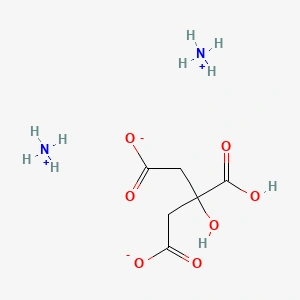
DIAMMONIUM CITRATE 3012 65 5 Structure

DIAMMONIUM CITRATE

Diammonium citrate, identified by CAS number 3012-65-5, is a dibasic salt of citric acid and ammonia. It typically appears as a white, crystalline powder or granular solid that exhibits high solubility in water. This compound serves as a versatile chemical intermediate and additive, valued for its ability to regulate acidity and act as a chelating

DIAMMONIUM CITRATE Read More »

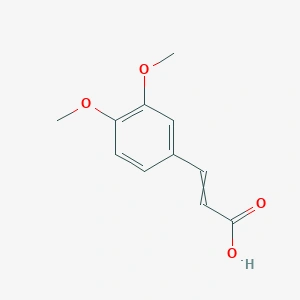
3 4 Dimethoxycinnamic Acid 2316 26 9 Structure

3′,4′-Dimethoxycinnamic acid

3′,4′-Dimethoxycinnamic acid, also identified by CAS number 2316-26-9, is a naturally occurring phenolic acid derivative and a methylated analogue of caffeic acid. It typically appears as a white to pale yellow crystalline powder. As a member of the phenylpropanoid family, this compound features a cinnamic acid backbone with two methoxy groups at the 3 and

3′,4′-Dimethoxycinnamic acid Read More »

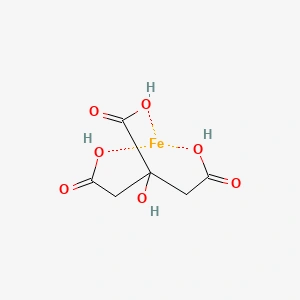
Iron Citrate 2338 05 8 Structure

Iron citrate

Iron citrate, identified by CAS number 2338-05-8, is a coordination complex consisting of iron in the +3 oxidation state paired with citric acid. Often appearing as reddish-brown scales or a yellowish-brown powder, this compound is recognized for its solubility in water and its relative stability under standard conditions. It serves as a vital source of

Iron citrate Read More »

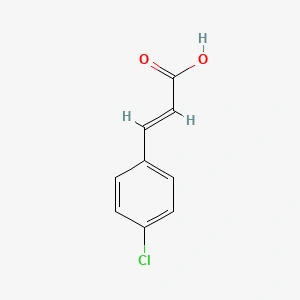
4 CHLOROCINNAMIC ACID 1615 02 7 Structure

4-CHLOROCINNAMIC ACID

4-Chlorocinnamic acid, identified by CAS 1615-02-7, is an organic compound belonging to the cinnamic acid derivative family. Characterized by a chlorine atom at the para position of the benzene ring, this crystalline solid serves as a versatile building block in synthetic chemistry. Its structural features, including the alpha,beta-unsaturated carboxylic acid moiety, make it a valuable

4-CHLOROCINNAMIC ACID Read More »

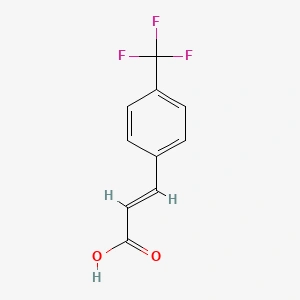
4 Trifluoromethyl Cinnamic Acid 16642 92 5 Structure

4-(Trifluoromethyl)cinnamic acid

4-(Trifluoromethyl)cinnamic acid, identified by CAS number 16642-92-5, is a versatile organic building block characterized by the presence of a strong electron-withdrawing trifluoromethyl group at the para position of the phenyl ring. This structural feature significantly influences the compound’s reactivity and physicochemical properties, making it a valuable intermediate in various synthetic pathways. It typically appears as

4-(Trifluoromethyl)cinnamic acid Read More »

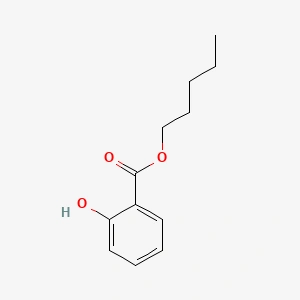
Amyl Salicylate 2050 08 0 Structure

Amyl salicylate

Amyl salicylate, identified by CAS number 2050-08-0, is a clear, colorless to pale yellow liquid ester known for its distinctive and pleasant aromatic profile. Characterized by a sweet, floral, and herbaceous scent reminiscent of clover and orchid, it is a versatile compound widely utilized in the fine fragrance and cosmetic industries. Chemically, it is the

Amyl salicylate Read More »

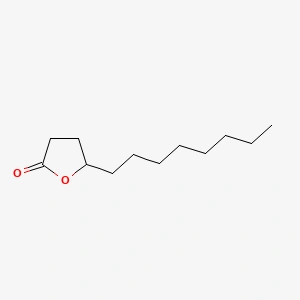
2 3H Furanone Dihydro 5 Octyl 2305 05 7 Structure

2(3H)-Furanone, dihydro-5-octyl-

2(3H)-Furanone, dihydro-5-octyl-, commonly known as gamma-dodecalactone, is a cyclic ester characterized by its distinct fatty and fruity olfactory profile. This colorless to pale yellow liquid possesses a molecular structure that imparts a creamy, peach-like aroma, making it a highly sought-after component in chemical formulations requiring specific sensory attributes. It occurs naturally in various botanical sources

2(3H)-Furanone, dihydro-5-octyl- Read More »

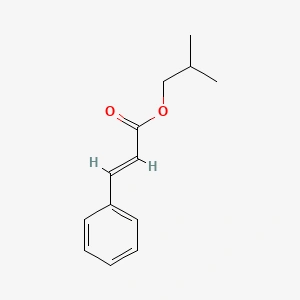
Isobutyl Cinnamate 122 67 8 Structure

Isobutyl cinnamate

Isobutyl cinnamate, identified by CAS number 122-67-8, is a clear, colorless to pale yellow liquid ester derived from the esterification of cinnamic acid with isobutanol. It is recognized for its distinctive aromatic profile, which combines sweet, balsamic, and fruity notes reminiscent of cocoa, amber, and dried fruits. This chemical intermediate is valued for its stability

Isobutyl cinnamate Read More »

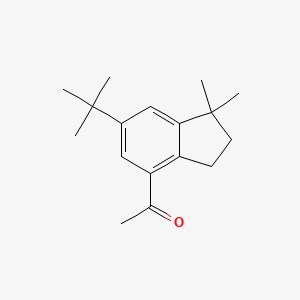
Celestolide 13171 00 1 Structure

Celestolide

Celestolide, identified by CAS 13171-00-1, is a prominent synthetic aromatic compound belonging to the polycyclic musk family. Chemically known as 4-acetyl-6-t-butyl-1,1-dimethylindane, it is valued for its clean, sweet, and tenacious musky scent profile. This crystalline substance exhibits excellent stability across various formulations, making it a reliable choice for perfumers seeking a sophisticated base note that

Celestolide Read More »

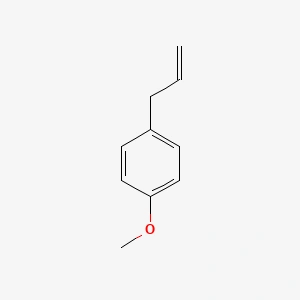
Estragole 140 67 0 Structure

Estragole

Estragole, identified by CAS number 140-67-0, is a naturally occurring organic compound classified as a phenylpropene. It is a primary constituent of various essential oils, most notably those derived from basil, tarragon, and fennel. Physically, it presents as a colorless to pale yellow liquid characterized by a distinct, sweet, and herbal aroma reminiscent of anise.

Estragole Read More »

REQUEST A QUOTE

Product Inquiry — Popup Form