English | 中文 | Español

Chemical Products

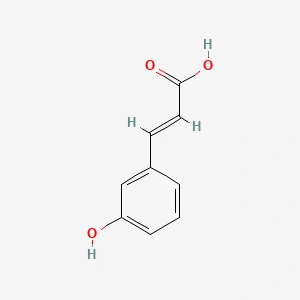
3 Coumaric Acid E 14755 02 3 Structure

3-coumaric acid, (E)-

3-coumaric acid, specifically the (E)- isomer (CAS 14755-02-3), is a phenolic acid belonging to the hydroxycinnamic acid family. As a structural isomer of the more common p-coumaric acid, it features a hydroxyl group at the meta-position of the phenyl ring. This compound typically appears as a crystalline solid and is recognized for its role as

3-coumaric acid, (E)- Read More »
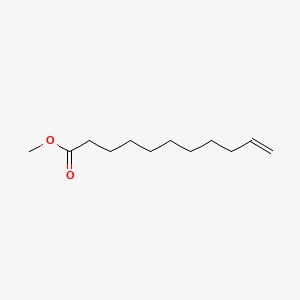
10 Undecenoic Acid Methyl Ester 111 81 9 Structure

10-Undecenoic acid, methyl ester

10-Undecenoic acid, methyl ester, also known as methyl undecylenate (CAS 111-81-9), is a clear, colorless to pale yellow liquid fatty acid ester derived primarily from the pyrolysis of castor oil derivatives. It is characterized by its linear twelve-carbon chain featuring a terminal double bond, which provides a reactive site for various chemical transformations. This compound

10-Undecenoic acid, methyl ester Read More »

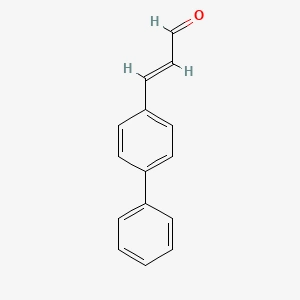
P Phenyl Cinnamaldehyde 113538 22 0 Structure

p-phenyl-cinnamaldehyde

p-phenyl-cinnamaldehyde, identified by CAS 113538-22-0, is a specialized aromatic aldehyde characterized by its biphenyl-substituted propenal structure. This compound serves as a sophisticated building block in organic chemistry, offering a conjugated pi-system that extends through the biphenyl and unsaturated aldehyde moieties. Its unique structural configuration provides distinct reactivity patterns, making it a valuable reagent for researchers

p-phenyl-cinnamaldehyde Read More »

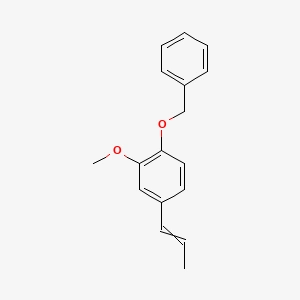
Benzyl Isoeugenol 120 11 6 Structure

Benzyl isoeugenol

Benzyl isoeugenol, identified by CAS number 120-11-6, is a high-purity aromatic ether frequently utilized in the fine fragrance and flavor industries. Chemically known as isoeugenyl benzyl ether, it typically presents as a white to pale yellow crystalline solid or powder. It is valued for its distinct olfactory profile, which combines sweet, balsamic, and spicy notes

Benzyl isoeugenol Read More »

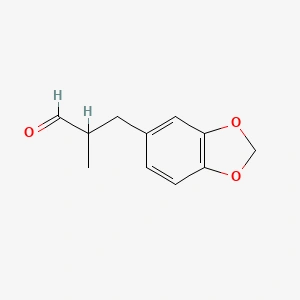
Alpha Methyl 3 4 Methylene Dioxyhydrocinnamic Aldehyde 1205 17 0 Structure

alpha-Methyl-3,4-methylene-dioxyhydrocinnamic aldehyde

alpha-Methyl-3,4-methylene-dioxyhydrocinnamic aldehyde, commonly recognized in the fragrance industry as Helional, is an organic compound belonging to the class of aromatic aldehydes. It is characterized by its distinct, fresh, and watery scent profile, often described as having ozonic, floral, and green melon-like nuances. Physically, it typically appears as a colorless to pale yellow liquid that is

alpha-Methyl-3,4-methylene-dioxyhydrocinnamic aldehyde Read More »

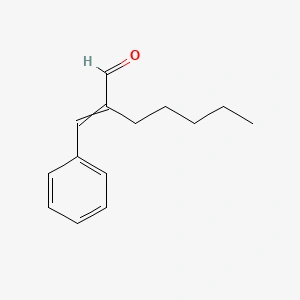
Alpha Amylcinnamic Aldehyde 122 40 7 Structure

alpha-Amylcinnamic aldehyde

alpha-Amylcinnamic aldehyde, identified by CAS number 122-40-7, is a prominent organic compound widely recognized for its distinct floral aroma, closely resembling natural jasmine. Chemically, it is an alpha,beta-unsaturated aldehyde characterized by a pale yellow to yellow oily liquid appearance. It is insoluble in water but exhibits excellent solubility in alcohol and most fixed oils, making

alpha-Amylcinnamic aldehyde Read More »

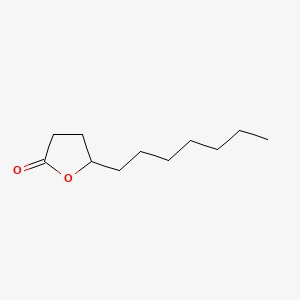
2 3H Furanone 5 Heptyldihydro 104 67 6 Structure

2(3H)-Furanone, 5-heptyldihydro-

2(3H)-Furanone, 5-heptyldihydro-, commonly known as Gamma-Undecalactone or Aldehyde C-14, is a prominent lactone widely recognized for its intense, sweet, and fruity aroma. This colorless to pale yellow liquid is characterized by a distinctive scent profile that closely mimics the fragrance of ripe peaches and apricots. Chemically, it is a cyclic ester that exhibits excellent stability

2(3H)-Furanone, 5-heptyldihydro- Read More »

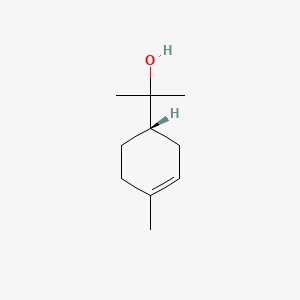
L Alpha Terpineol 10482 56 1 Structure

(L)-alpha-terpineol

(L)-alpha-terpineol, identified by CAS number 10482-56-1, is a naturally occurring monoterpene alcohol and a specific optical isomer of alpha-terpineol. It is characterized by a pleasant, floral aroma reminiscent of lilacs and lily of the valley. This colorless liquid or crystalline solid is a major constituent of various essential oils, including petitgrain and pine oils, and

(L)-alpha-terpineol Read More »

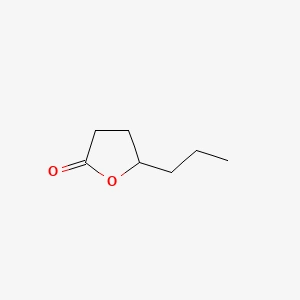
2 3H Furanone Dihydro 5 Propyl 105 21 5 Structure

2(3H)-Furanone, dihydro-5-propyl-

2(3H)-Furanone, dihydro-5-propyl-, commonly known as gamma-octalactone, is a cyclic ester belonging to the lactone family. This organic compound is characterized by its distinctively sweet, creamy, and coconut-like aroma, often accompanied by subtle fruity and nutty undertones. It typically appears as a clear, colorless to pale yellow liquid at room temperature and is valued for its

2(3H)-Furanone, dihydro-5-propyl- Read More »

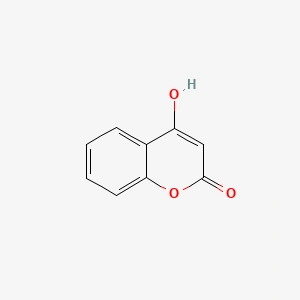
Benzotetronic Acid 1076 38 6 Structure

Benzotetronic acid

Benzotetronic acid, also widely known as 4-hydroxycoumarin, is a significant organic compound characterized by its bicyclic structure consisting of a benzene ring fused to a lactone ring with a hydroxyl group at the 4-position. It typically appears as a white to pale yellow crystalline powder. This compound serves as a vital building block in organic

Benzotetronic acid Read More »

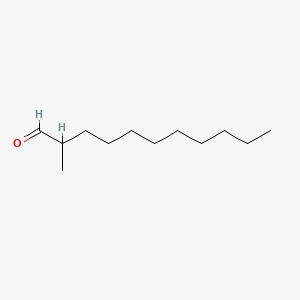
Aldehyde M N A 110 41 8 Structure

Aldehyde M.N.A.

Aldehyde M.N.A., chemically known as 2-Methylundecanal or C-12 MNA, is a high-impact synthetic aliphatic aldehyde widely recognized in the fragrance industry. This colorless to pale yellow liquid is characterized by its intense, fresh, and slightly waxy aroma, which carries distinct citrus and floral undertones reminiscent of orange peel and rose. Its chemical structure provides a

Aldehyde M.N.A. Read More »

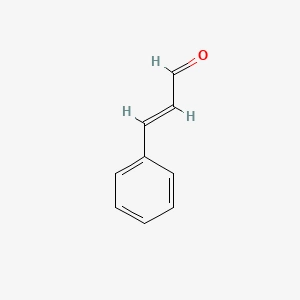
Cinnamaldehyde 104 55 2 Structure

cinnamaldehyde

Cinnamaldehyde, identified by CAS number 104-55-2, is a naturally occurring organic compound primarily responsible for the characteristic flavor and aroma of cinnamon. Chemically classified as a phenylpropanoid, it typically appears as a pale yellow, viscous liquid. It is the major constituent of cinnamon bark oil and is widely recognized for its distinct, spicy-sweet olfactory profile.

cinnamaldehyde Read More »

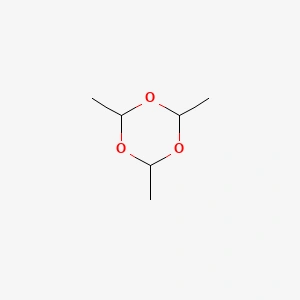
Aldehyde Para 123 63 7 Structure

Aldehyde (para)

Paraldehyde, identified by CAS 123-63-7, is a cyclic trimer of acetaldehyde characterized as a colorless to yellowish liquid with a distinct, pungent odor. It is formed through the acid-catalyzed polymerization of acetaldehyde and exhibits unique solubility properties, being miscible with most organic solvents while showing moderate solubility in water. As a stable form of acetaldehyde,

Aldehyde (para) Read More »

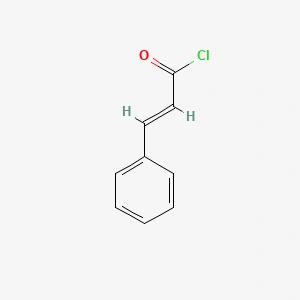
Cinnamoyl Chloride 102 92 1 Structure

Cinnamoyl chloride

Cinnamoyl chloride, identified by CAS number 102-92-1, is a versatile organic compound characterized as the acid chloride derivative of cinnamic acid. It typically appears as a yellow liquid or a low-melting crystalline solid with a pungent odor. As an acyl halide, it exhibits significant reactivity, particularly towards nucleophiles like alcohols, amines, and water. Due to

Cinnamoyl chloride Read More »

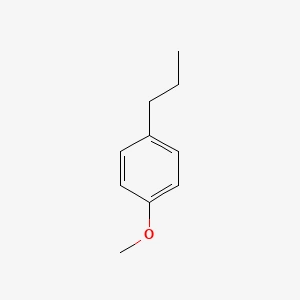
4 Propylanisole 104 45 0 Structure

4-Propylanisole

4-Propylanisole, identified by CAS number 104-45-0, is an organic ether derivative characterized by a benzene ring substituted with a methoxy group and a propyl chain at the para position. This compound typically presents as a clear, colorless to pale yellow liquid and is widely recognized for its distinct sweet, spicy, and balsamic aroma, which closely

4-Propylanisole Read More »

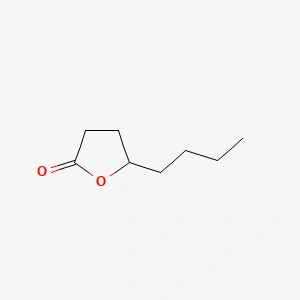
4 Hydroxyoctanoic Acid Lactone 104 50 7 Structure

4-Hydroxyoctanoic acid lactone

4-Hydroxyoctanoic acid lactone, also recognized by the common name gamma-octalactone, is a cyclic ester belonging to the lactone family. Identified by CAS 104-50-7, this compound is characterized by its distinctively sweet, creamy, and coconut-like aroma profile, often accompanied by subtle fruity undertones reminiscent of apricot or peach. Physically, it presents as a colorless to pale

4-Hydroxyoctanoic acid lactone Read More »

REQUEST A QUOTE

Product Inquiry — Popup Form