English | 中文 | Español

Chemical Products

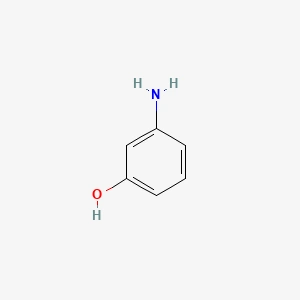
3 Aminophenol 591 27 5 Structure

3-Aminophenol

3-Aminophenol (CAS: 591-27-5) is an aromatic compound carrying both amino and hydroxyl groups, supplied as a white to off-white crystalline powder. The dual functionality makes it a valuable coupling component and intermediate for oxidative hair dyes, azo dyes, and pigments, and a building block for pharmaceutical and agrochemical actives. The electron-rich ring supports further acylation,
3-Aminophenol Read More »

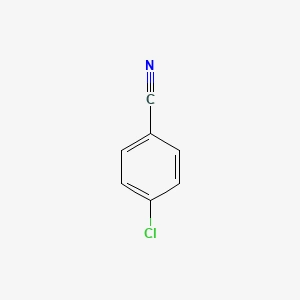
4 Chlorobenzonitrile 623 03 0 Structure

4-Chlorobenzonitrile

4-Chlorobenzonitrile (CAS: 623-03-0) is an aromatic nitrile combining a para-chloro substituent with a cyano group, supplied as a white to off-white crystalline solid. The two reactive positions enable both nucleophilic aromatic substitution at the halide and nitrile transformation to acids, amides, and amines, making it a versatile building block for pharmaceutical, agrochemical, and dye intermediates.

4-Chlorobenzonitrile Read More »

Dimethyl Adipate 627 93 0 Structure

Dimethyl Adipate

Dimethyl Adipate (CAS: 627-93-0) is a colorless aliphatic diester used mainly as a slow-evaporating solvent, coalescing aid, and plasticizer. It improves flow and film formation in coatings, inks, and adhesives, and serves as a low-odor alternative to traditional glycol ether solvents in industrial and consumer formulations. It is also an intermediate for polyesters, polyamides, and

Dimethyl Adipate Read More »

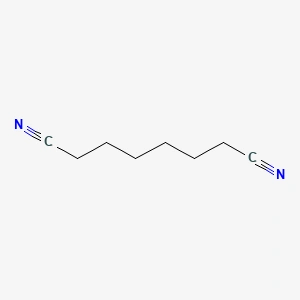
Suberonitrile 629 40 3 Structure

Suberonitrile

Suberonitrile (CAS: 629-40-3), also known as 1,6-dicyanohexane or octanedinitrile, is a linear aliphatic dinitrile supplied as a colorless to pale yellow liquid. The two terminal cyano groups can be hydrolyzed to suberic acid or hydrogenated to 1,8-octanediamine, making it a useful C8 building block for polyamide and specialty polymer synthesis. It also serves as an

Suberonitrile Read More »

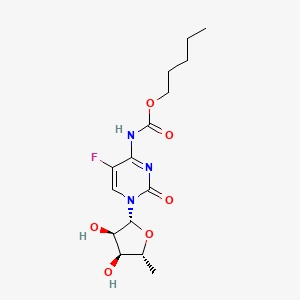
Capecitabine 154361 50 9 Structure

Capecitabine

Capecitabine (CAS: 154361-50-9) is a white to off-white crystalline antineoplastic active ingredient, an oral fluoropyrimidine carbamate prodrug of 5-fluorouracil. It is used in the treatment of breast, colorectal, and gastric cancers, where it is converted selectively in tumor tissue to active 5-FU. As a bulk API it is formulated into film-coated tablets for oral chemotherapy

Capecitabine Read More »

N Methoxycarbonyl L Tert Leucine 162537 11 3 Structure

N-(Methoxycarbonyl)-L-tert-leucine

N-(Methoxycarbonyl)-L-tert-leucine (CAS: 162537-11-3) is a white crystalline chiral amino acid derivative combining an L-tert-leucine core with a methoxycarbonyl-protected amine. It is a key intermediate for the efficient synthesis of HIV protease inhibitors, most notably atazanavir, where the bulky tert-butyl side chain and protected amine are built into the active structure. The compound also serves as

N-(Methoxycarbonyl)-L-tert-leucine Read More »

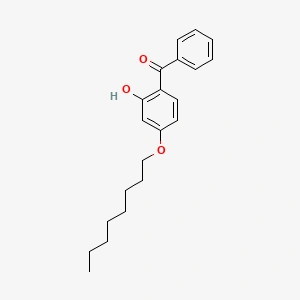
Octabenzone 1843 05 6 Structure

Octabenzone

Octabenzone (CAS: 1843-05-6), widely known as UV-531 or benzophenone-12, is a light yellow crystalline benzophenone ultraviolet absorber. It absorbs broad UV radiation and dissipates it harmlessly, protecting polymers and coatings from photo-degradation, yellowing, and loss of physical properties. It is used in polyethylene, polypropylene, polystyrene, ABS, polycarbonate, PVC, polyester, and polyamide systems, and in coatings

Octabenzone Read More »

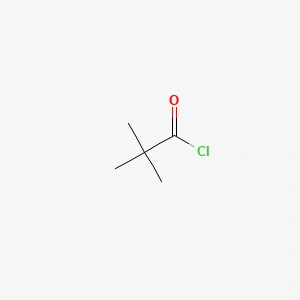
Pivaloyl Chloride 3282 30 2 Structure

Pivaloyl Chloride

Pivaloyl Chloride (CAS: 3282-30-2) is a colorless, moisture-sensitive acyl chloride liquid used to introduce the sterically bulky pivaloyl group into alcohols, phenols, and amines. It is a versatile acylation reagent for pharmaceutical and agrochemical synthesis, including pivaloyloxymethyl prodrug intermediates for antibiotics, and serves as a protecting-group reagent in complex molecule assembly. The trimethylacetyl group blocks

Pivaloyl Chloride Read More »

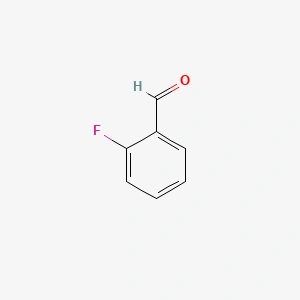
2 Fluorobenzaldehyde 446 52 6 Structure

2-Fluorobenzaldehyde

2-Fluorobenzaldehyde (CAS: 446-52-6) is a fluorinated aromatic aldehyde supplied as a colorless to pale yellow liquid. The aldehyde group and the electron-withdrawing fluorine make it a versatile building block for pharmaceutical, agrochemical, and dye synthesis, supporting condensation, oxidation, and nucleophilic substitution chemistry. It is a widely used starting material for fluoroquinolone-related intermediates and other fluorinated

2-Fluorobenzaldehyde Read More »

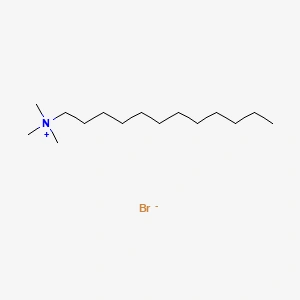
Dodecyltrimethylammonium Bromide 1119 94 4 Structure

Dodecyltrimethylammonium Bromide

Dodecyltrimethylammonium Bromide (CAS: 1119-94-4), commonly called DTAB, is a white crystalline cationic surfactant with a C12 alkyl tail and a quaternary ammonium head group. It lowers surface tension and forms well-defined micelles in water, making it a standard surfactant for emulsification, dispersion, and antimicrobial formulations. It is used as an emulsifier for rubber and asphalt,

Dodecyltrimethylammonium Bromide Read More »

1 Bromohexadecane 112 82 3 Structure

1-Bromohexadecane

1-Bromohexadecane (CAS: 112-82-3), also called cetyl bromide or hexadecyl bromide, is a white to light yellow long-chain alkyl bromide that may appear semi-solid near room temperature. The activated C16 bromide supports nucleophilic substitution to introduce hexadecyl groups, making it a key intermediate for quaternary ammonium surfactants, bactericides, and detergents. It is also used in organic

1-Bromohexadecane Read More »

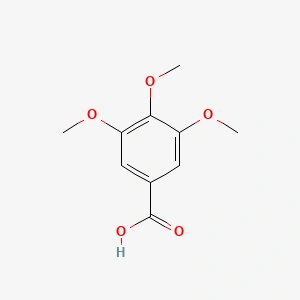
3 4 5 Trimethoxybenzoic Acid 118 41 2 Structure

3,4,5-Trimethoxybenzoic Acid

3,4,5-Trimethoxybenzoic Acid (CAS: 118-41-2), also known as eudesmic acid or trimethylgallic acid, is a white to off-white crystalline aromatic acid bearing three methoxy groups. It is a key intermediate for the synthesis of trimethoprim, the widely used antibacterial synergist, and for other pharmaceutical active ingredients. The carboxylic acid group supports esterification, amidation, and reduction chemistry,

3,4,5-Trimethoxybenzoic Acid Read More »

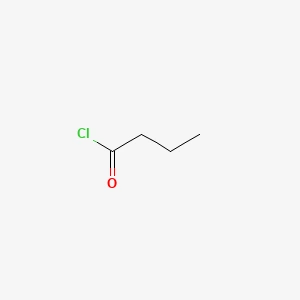
Butyryl Chloride 141 75 3 Structure

Butyryl Chloride

Butyryl Chloride (CAS: 141-75-3) is a colorless, moisture-sensitive acyl chloride liquid used to introduce the butyryl group into alcohols, phenols, and amines. It is a versatile acylation reagent for fine-chemical, pharmaceutical, and agrochemical synthesis, producing butyrate esters and amides under moderate conditions with clean conversion. The compound reacts readily with water and nucleophiles, so material

Butyryl Chloride Read More »

N Methylaniline 100 61 8 Structure

N-Methylaniline

N-Methylaniline (CAS: 100-61-8) is a colorless to light yellow aromatic amine liquid that darkens gradually on storage. It is a versatile organic intermediate used in dye and pigment synthesis, agrochemical production, rubber chemical manufacture, and as a gasoline octane booster additive. The compound contains one N-methyl group and one free N-H bond, enabling further N-alkylation,

N-Methylaniline Read More »

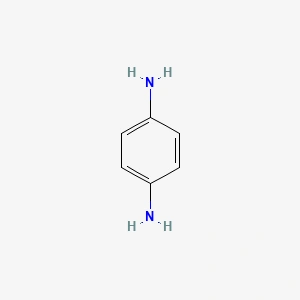
P Phenylenediamine 106 50 3 Structure

p-Phenylenediamine

p-Phenylenediamine (CAS: 106-50-3), also known as PPD or 1,4-diaminobenzene, is a white to pink crystalline aromatic diamine that may darken on storage. It is one of the most important dye intermediates, serving as the primary oxidative colorant in hair dyes and a key building block for azo dyes and pigments. The symmetrical diamine structure also

p-Phenylenediamine Read More »

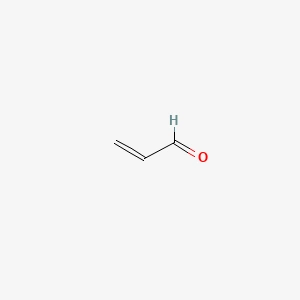
Acrolein 107 02 8 Structure

Acrolein

Acrolein (CAS: 107-02-8) is a colorless, highly reactive aldehyde liquid supplied stabilized with hydroquinone to prevent polymerization. It is a major organic intermediate for methionine production, the starting material for glutaraldehyde and acrylic acid routes, and a biocide for oilfield water injection systems. The compound reacts readily by addition at the aldehyde and vinyl positions,

Acrolein Read More »

REQUEST A QUOTE

Product Inquiry — Popup Form