English | 中文 | Español

Chemical Products

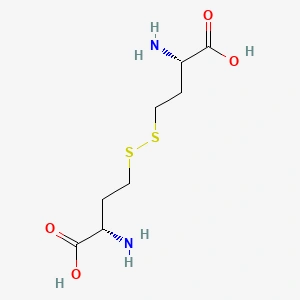
L Homocystine 626 72 2 Structure

L-Homocystine

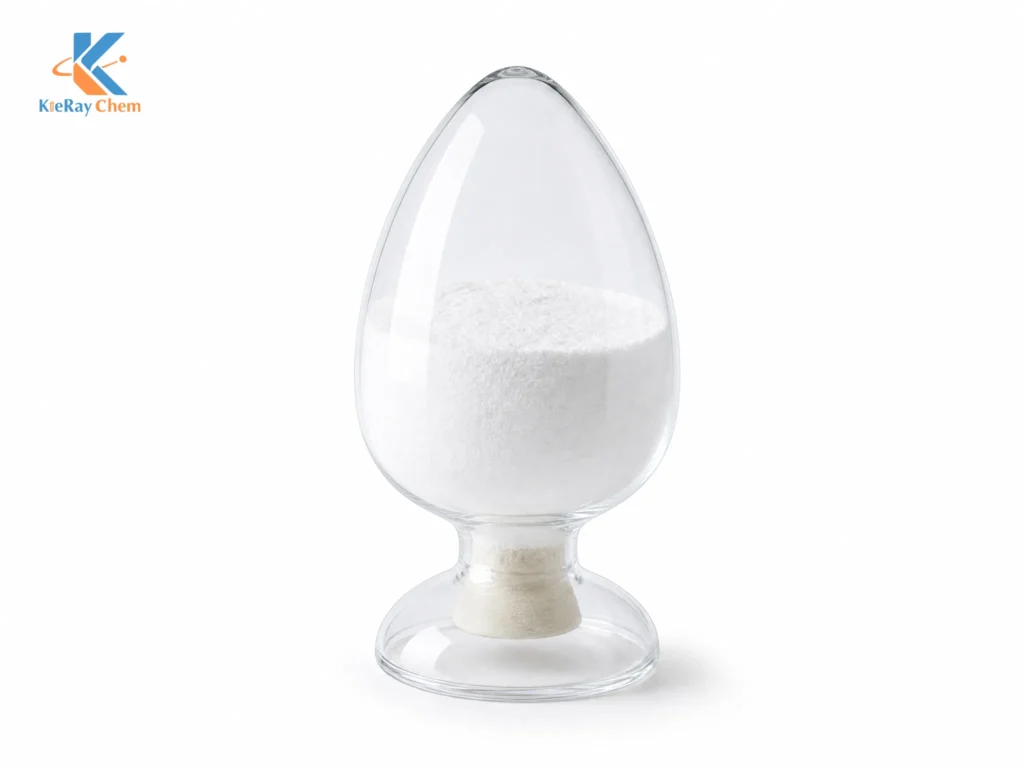
L-Homocystine, identified by CAS number 626-72-2, is a non-proteinogenic sulfur-containing amino acid that functions as the disulfide dimer of L-homocysteine. Structurally, it is characterized by two homocysteine molecules linked by a disulfide bridge, distinguishing it from cystine by the presence of an additional methylene group in each amino acid chain. This compound typically presents as
L-Homocystine Read More »

Aluminum Zirconium Octachlorohydrex Glycine 90604 80 1 Structure 1024x768

Aluminum Zirconium Octachlorohydrex Glycine

Aluminum Zirconium Octachlorohydrex Glycine, identified by CAS 90604-80-1, is a complex coordination compound widely utilized in the personal care and cosmetic industries. This material is characterized by its high efficacy in controlling moisture and its ability to form temporary plugs in sweat ducts. Chemically, it consists of aluminum and zirconium chlorohydrate salts stabilized with glycine,

Aluminum Zirconium Octachlorohydrex Glycine Read More »

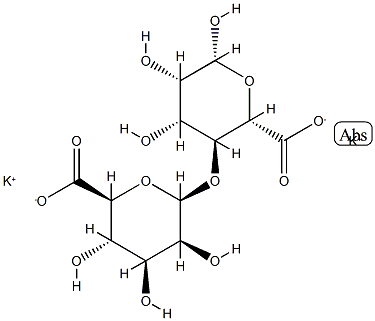
potassium alginate 9005 36 1 structure

Potassium Alginate

Potassium Alginate, identified by CAS number 9005-36-1, is a hydrophilic carbohydrate extracted primarily from the cell walls of brown seaweed. As the potassium salt of alginic acid, it presents as a white to yellowish-brown fibrous or granular powder that is nearly odorless and tasteless. This biopolymer is highly valued in industrial and research settings for

Potassium Alginate Read More »

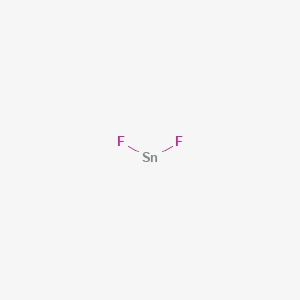
Stannous Fluoride 7783 47 3 Structure

Stannous fluoride

Stannous fluoride, identified by the CAS number 7783-47-3, is an inorganic compound composed of tin and fluorine. It typically appears as a white, crystalline powder or solid that is highly soluble in water. As a tin(II) salt, it exhibits unique chemical reactivity compared to other fluoride sources, particularly due to the presence of the divalent

Stannous fluoride Read More »

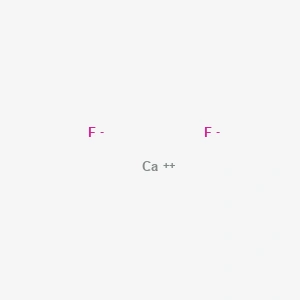
Calcium Fluoride 7789 75 5 Structure

Calcium fluoride

Calcium fluoride, identified by CAS number 7789-75-5, is an inorganic compound occurring naturally as the mineral fluorite. It typically presents as a white or colorless crystalline solid that is relatively insoluble in water. This material is highly valued for its stability and high melting point, making it a versatile component in various industrial processes. Its

Calcium fluoride Read More »

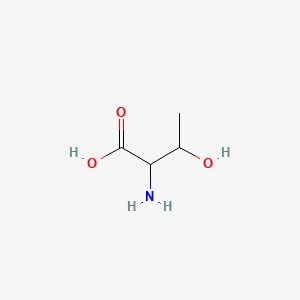
DL Threonine 80 68 2 Structure

DL-Threonine

DL-Threonine, identified by CAS number 80-68-2, is a racemic mixture comprising equal parts of the L- and D-enantiomers of the essential amino acid threonine. This organic compound is characterized by its white crystalline appearance and its status as a polar, uncharged molecule featuring a secondary hydroxyl group. As a fundamental building block in organic chemistry,

DL-Threonine Read More »

Yeast Extract 8013 01 2 Structure 1024x768

Yeast Extract

Yeast Extract, identified by CAS number 8013-01-2, is a complex mixture of water-soluble components derived from the autolysis of yeast cells, typically strains of Saccharomyces cerevisiae. This material is highly valued for its rich concentration of amino acids, peptides, vitamins, and minerals, which are released when the yeast cell walls are broken down. Physically, it

Yeast Extract Read More »

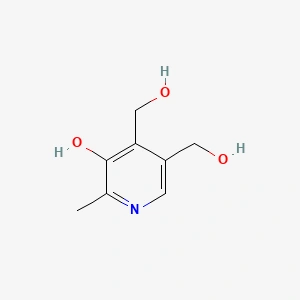
Pyridoxine 65 23 6 Structure

Pyridoxine

Pyridoxine, identified by CAS number 65-23-6, is a vital water-soluble compound belonging to the Vitamin B6 family. Chemically, it is a pyridine derivative characterized by a hydroxyl group and multiple hydroxymethyl substituents. In its pure form, it typically appears as a white to yellowish crystalline powder that is highly soluble in water and alcohol. Its

Pyridoxine Read More »

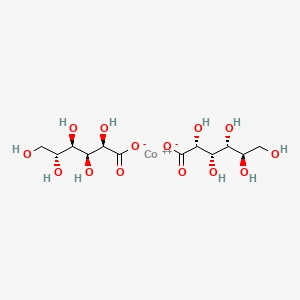
Cobalt Gluconate 71957 08 9 Structure

Cobalt gluconate

Cobalt gluconate, identified by CAS number 71957-08-9, is an organic cobalt salt derived from gluconic acid. It typically appears as a pink to reddish-purple crystalline powder or granular substance. This compound is characterized by its high solubility in water and its relative stability under standard storage conditions. As a source of divalent cobalt, it provides

Cobalt gluconate Read More »

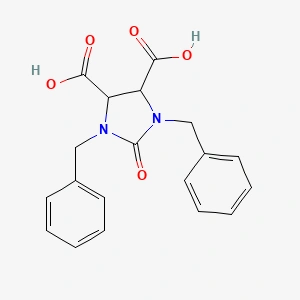
1 3 Dibenzyl 2 Oxoimidazolidine 4 5 Dicarboxylic Acid 59564 78 2 Structure

1,3-Dibenzyl-2-oxoimidazolidine-4,5-dicarboxylic acid

1,3-Dibenzyl-2-oxoimidazolidine-4,5-dicarboxylic acid, identified by CAS number 59564-78-2, is a specialized organic building block characterized by its imidazolidinone core. This compound features two benzyl protective groups and two carboxylic acid functional groups, making it a highly functionalized intermediate in complex organic synthesis. It typically appears as a white to off-white crystalline powder and is valued for

1,3-Dibenzyl-2-oxoimidazolidine-4,5-dicarboxylic acid Read More »

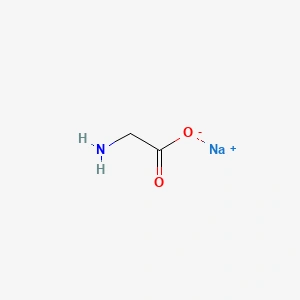
Sodium Glycinate 6000 44 8 Structure

Sodium glycinate

Sodium glycinate, identified by CAS number 6000-44-8, is the sodium salt of glycine, the simplest amino acid. It typically appears as a white, odorless crystalline powder or granules and is highly soluble in water, forming an alkaline solution. Chemically, it serves as a versatile source of the glycinate ion, offering high reactivity and stability in

Sodium glycinate Read More »

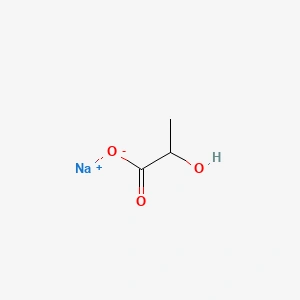
Sodium Lactate 312 85 6 Structure

Sodium Lactate

Sodium Lactate (CAS 312-85-6) is the sodium salt of L-lactic acid, typically produced through the fermentation of carbohydrates. It is highly regarded for its exceptional hygroscopic properties and superior water-holding capacity, which allow it to function effectively in both liquid and solid formulations. The compound is usually encountered as a clear, viscous liquid or a

Sodium Lactate Read More »

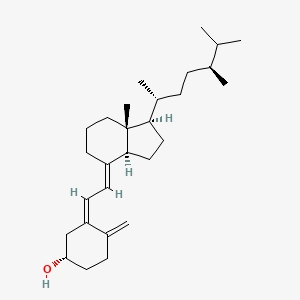
Vitamin D4 511 28 4 Structure

Vitamin D4

Vitamin D4, chemically identified as 22,23-dihydroergocalciferol, is a fat-soluble secosteroid that represents a less common but structurally significant member of the vitamin D family. It is typically produced through the irradiation of 22,23-dihydroergosterol and is found naturally in various fungal species and certain plant materials. Structurally, it differs from ergocalciferol (D2) by the saturation of

Vitamin D4 Read More »

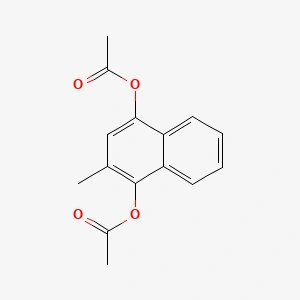
Menadiol Diacetate 573 20 6 Structure

Menadiol diacetate

Menadiol diacetate, identified by CAS number 573-20-6, is a crystalline organic compound belonging to the naphthoquinone derivative family. Chemically, it is the diacetylated form of menadiol, serving as a stable precursor to various Vitamin K analogues. It typically appears as a white to off-white powder and is valued for its relative stability compared to its

Menadiol diacetate Read More »

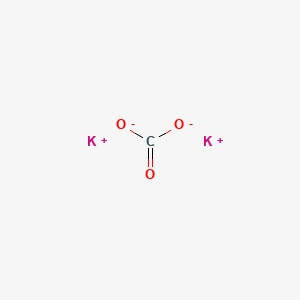
Potassium Carbonate 584 08 7 Structure

Potassium carbonate

Potassium carbonate, identified by CAS 584-08-7, is a prominent inorganic compound that appears as a white, deliquescent salt. As a primary alkali, it is highly soluble in water, forming a strongly alkaline solution, though it remains insoluble in ethanol. Historically derived from wood ashes and known as potash, modern industrial production typically involves the reaction

Potassium carbonate Read More »

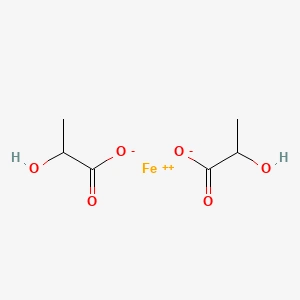
Ferrous Lactate 5905 52 2 Structure

Ferrous lactate

Ferrous lactate, identified by CAS number 5905-52-2, is a chemical compound composed of iron and lactic acid. It typically appears as a greenish-white crystalline powder or small crusts with a slight, characteristic odor. As a divalent iron salt of lactic acid, it is recognized for its solubility in water and its relatively high bioavailability compared

Ferrous lactate Read More »

REQUEST A QUOTE

Product Inquiry — Popup Form