English | 中文 | Español

Chemical Products

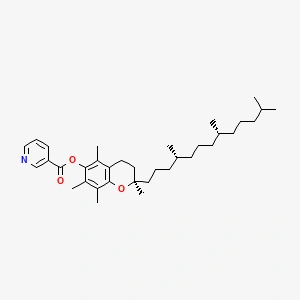
Tocopheryl Nicotinate 16676 75 8 Structure

Tocopheryl Nicotinate

Tocopheryl Nicotinate, identified by CAS 16676-75-8, is a specialized ester formed through the chemical combination of Alpha-Tocopherol and Nicotinic Acid. This compound represents a stable derivative that integrates the functional properties of both Vitamin E and Vitamin B3. As a lipophilic substance, it is typically encountered as a viscous, pale yellow to amber liquid or

Tocopheryl Nicotinate Read More »
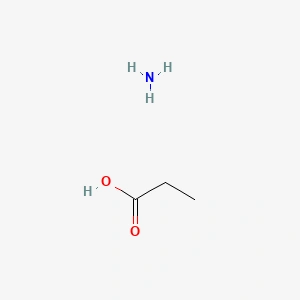
Ammonium Propionate 17496 08 1 Structure

Ammonium Propionate

Ammonium Propionate, identified by CAS number 17496-08-1, is the ammonium salt derived from propionic acid. It typically appears as a white, crystalline powder or granular solid and is known for its hygroscopic nature, meaning it readily absorbs moisture from the surrounding environment. Chemically, it serves as a source of propionate ions in aqueous solutions, providing

Ammonium Propionate Read More »

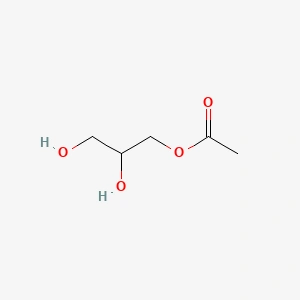
Monoacetin 26446 35 5 Structure

Monoacetin

Monoacetin, identified by CAS number 26446-35-5, is a chemical compound formally known as glycerol monoacetate. It is a clear, colorless, and viscous liquid that is highly hygroscopic in nature. Chemically, it is an ester formed through the partial esterification of glycerol with acetic acid, typically existing as a mixture of 1-monoacetin and 2-monoacetin isomers. This

Monoacetin Read More »

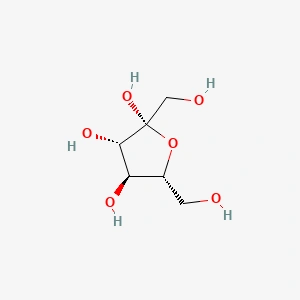
Beta D Fructofuranose 308066 66 2 Structure

Beta-D-Fructofuranose

Beta-D-Fructofuranose, identified by CAS 308066-66-2, represents a specific cyclic isomer of D-fructose, a naturally occurring ketohexose. Unlike the more common pyranose form typically found in crystalline fructose, the furanose configuration features a five-membered ring structure. This molecule is a fundamental component of various glycoconjugates and polysaccharides, playing a vital role in the structural biology of

Beta-D-Fructofuranose Read More »

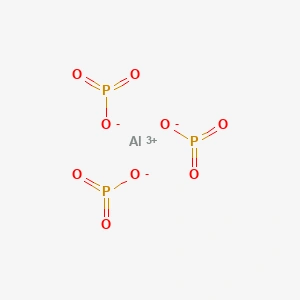
Aluminum Metaphosphate 13776 88 0 Structure

Aluminum Metaphosphate

Aluminum Metaphosphate, identified by CAS number 13776-88-0, is an inorganic compound characterized by its exceptional thermal stability and low coefficient of thermal expansion. It typically appears as a white, crystalline powder or granular solid that remains chemically inert under a wide range of environmental conditions. As a high-performance phosphate material, it serves as a critical

Aluminum Metaphosphate Read More »

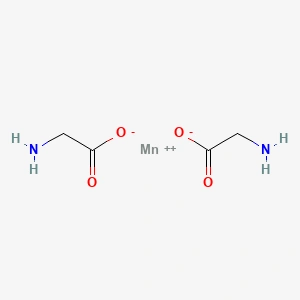
Manganese Glycinate 14281 77 7 Structure

Manganese Glycinate

Manganese Glycinate, identified by CAS 14281-77-7, is a high-quality chelated compound formed by the reaction of manganese salts with the amino acid glycine. This organometallic complex is characterized by its stable ring structure, which protects the manganese ion from unwanted interactions within various chemical environments. Typically appearing as a fine, pale pink to off-white crystalline

Manganese Glycinate Read More »

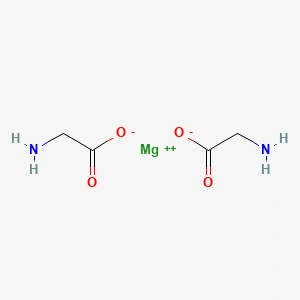
Magnesium Glycinate 14783 68 7 Structure

Magnesium Glycinate

Magnesium Glycinate, identified by CAS number 14783-68-7, is an organometallic compound formed by the chelation of magnesium with two molecules of glycine, the simplest amino acid. This chelated structure distinguishes it from inorganic magnesium salts, as the chemical bonding provides enhanced stability and solubility profiles. In its pure form, it typically appears as a fine

Magnesium Glycinate Read More »

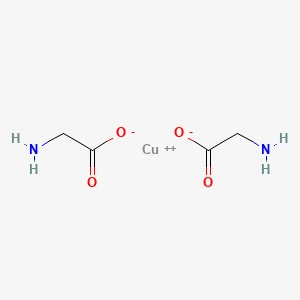
Copper Glycinate 13479 54 4 Structure

Copper glycinate

Copper glycinate, identified by CAS number 13479-54-4, is a coordination complex consisting of copper(II) ions chelated with the amino acid glycine. Typically appearing as a fine blue crystalline powder, this organometallic compound is characterized by its excellent stability and high solubility in water compared to traditional inorganic copper salts. Its chemical structure involves two glycine

Copper glycinate Read More »

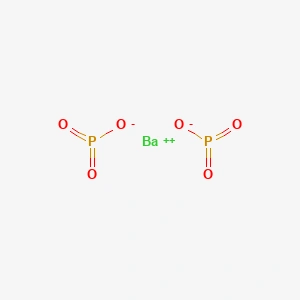
Barium Metaphosphate 13762 83 9 Structure

Barium metaphosphate

Barium metaphosphate, identified by CAS number 13762-83-9, is an inorganic compound typically encountered as a white crystalline powder or colorless solid. It is characterized by its excellent thermal stability and specific refractive properties, making it a valuable component in advanced material science. As a phosphate-based salt, it exhibits low solubility in water and remains stable

Barium metaphosphate Read More »

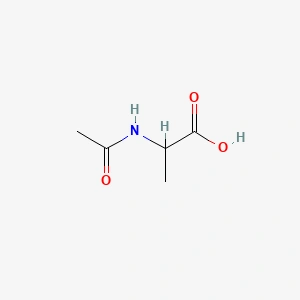
N Acetyl DL Alanine 1115 69 1 Structure

N-Acetyl-DL-alanine

N-Acetyl-DL-alanine, identified by CAS 1115-69-1, is a white crystalline powder that serves as a protected form of the amino acid alanine. Chemically, it is the N-acetyl derivative of DL-alanine, characterized by its solubility in aqueous and polar organic solvents. This compound is valued for its stability and its role as a versatile building block in

N-Acetyl-DL-alanine Read More »

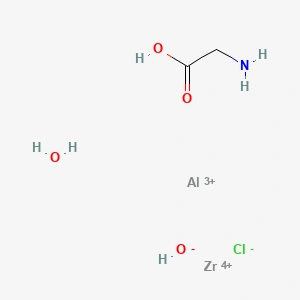
Aluminum Zirconium Octachlorohydrex Gly 125913 22 6 Structure

Aluminum zirconium octachlorohydrex gly

Aluminum zirconium octachlorohydrex gly, identified by CAS number 125913-22-6, is a sophisticated coordination complex that integrates aluminum and zirconium salts with glycine. This chemical entity is characterized by its high metal-to-chloride ratio, which enhances its efficacy compared to standard aluminum salts. It typically appears as a fine, white, hygroscopic powder or as a concentrated aqueous

Aluminum zirconium octachlorohydrex gly Read More »

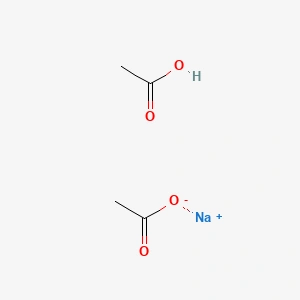
Sodium Diacetate 126 96 5 Structure

Sodium diacetate

Sodium diacetate (CAS 126-96-5) is a molecular compound consisting of equal parts sodium acetate and acetic acid, often represented as a free-flowing, white crystalline powder. It is characterized by its distinct vinegary odor and its ability to provide a concentrated source of acetic acid in a solid, easy-to-handle form. As a dry acidulant, it is

Sodium diacetate Read More »

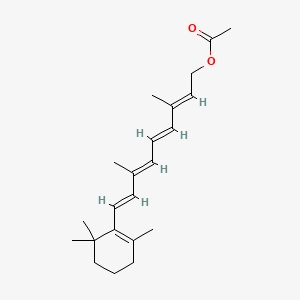
Retinyl Acetate 127 47 9 Structure

Retinyl acetate

Retinyl acetate, identified by CAS number 127-47-9, is a natural form of Vitamin A and the acetate ester of retinol. It typically appears as a pale yellow crystalline solid or a viscous liquid, depending on the temperature and purity. As a fat-soluble retinoid, it exhibits significant stability compared to pure retinol, making it a preferred

Retinyl acetate Read More »

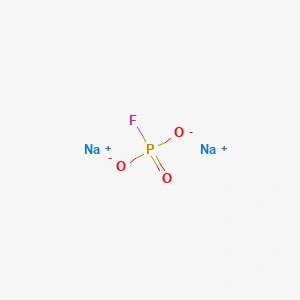
Sodium Monofluorophosphate 10163 15 2 Structure

Sodium monofluorophosphate

Sodium monofluorophosphate, identified by CAS number 10163-15-2, is an odorless, white inorganic salt that serves as a significant source of fluoride in various industrial and consumer formulations. Chemically characterized by the formula Na2PO3F, this compound is highly soluble in water and exhibits excellent stability under standard storage conditions. It is recognized for its ability to

Sodium monofluorophosphate Read More »

xanthan gum 11138 66 2 structure

Xanthan gum

Xanthan gum, identified by CAS number 11138-66-2, is a high-molecular-weight extracellular polysaccharide produced through the aerobic fermentation of carbohydrates by the bacterium Xanthomonas campestris. Chemically, it consists of a cellulose-like backbone with trisaccharide side chains, providing it with unique rheological properties. This white to cream-colored powder is highly soluble in both hot and cold water,

Xanthan gum Read More »

REQUEST A QUOTE

Product Inquiry — Popup Form