English | 中文 | Español

Food Grade

Cholecalciferol Vitamin D3 67 97 0 Structure

Cholecalciferol (Vitamin D3)

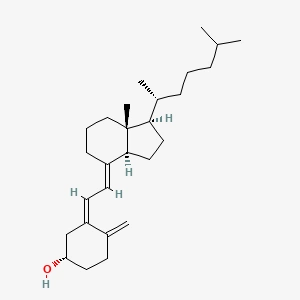
Cholecalciferol, identified by the CAS number 67-97-0, is a fat-soluble secosteroid and a primary form of Vitamin D. Naturally occurring in various animal sources and synthesized in the skin upon exposure to ultraviolet radiation, this compound appears as a white to off-white crystalline solid. It is chemically characterized by its sensitivity to environmental factors such

Cholecalciferol (Vitamin D3) Read More »
Aspartame 22839 47 0 Structure

Aspartame

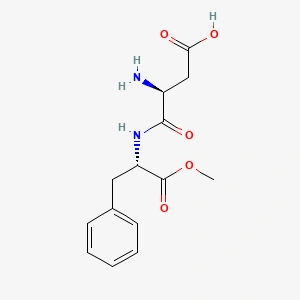
Aspartame, identified by CAS number 22839-47-0, is a prominent non-nutritive sweetener composed of the dipeptide methyl ester of L-aspartic acid and L-phenylalanine. This white, odorless crystalline powder is characterized by its intense sweetness, which is estimated to be approximately two hundred times greater than that of sucrose. Its chemical structure makes it sensitive to prolonged

Aspartame Read More »

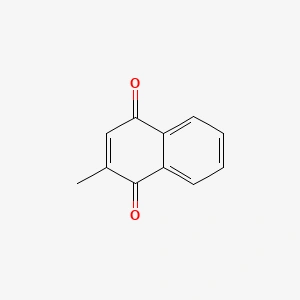
Menadione Vitamin K3 58 27 5 Structure

Menadione (Vitamin K3)

Menadione, identified by CAS number 58-27-5, is a synthetic fat-soluble precursor of Vitamin K, often referred to as Vitamin K3. Chemically known as 2-methyl-1,4-naphthoquinone, it presents as a bright yellow crystalline powder. Unlike naturally occurring Vitamin K variants, menadione lacks the long isoprenoid side chain, which contributes to its distinct chemical reactivity and solubility profile.

Menadione (Vitamin K3) Read More »

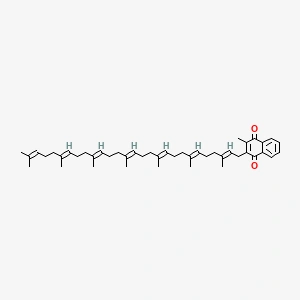
Menaquinone 7 2124 57 4 Structure

Menaquinone‑7

Menaquinone-7, identified by CAS number 2124-57-4, is a highly bioavailable form of Vitamin K2 characterized by its long, unsaturated side chain consisting of seven isoprene units. This fat-soluble compound is primarily produced through bacterial fermentation and is recognized for its superior half-life in the bloodstream compared to other vitamin K analogues. In its pure form,

Menaquinone‑7 Read More »

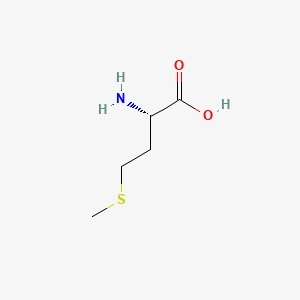
L Methionine 63 68 3 Structure

L-methionine

L-methionine, identified by CAS number 63-68-3, is a naturally occurring, sulfur-containing essential amino acid that plays a fundamental role in biological protein synthesis. As one of the two sulfur-bearing amino acids, it serves as a critical building block for various physiological processes and is characterized by its distinct thioether side chain. In its pure form,

L-methionine Read More »

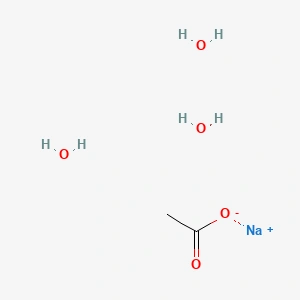
Sodium Acetate Trihydrate 6131 90 4 Structure

Sodium acetate trihydrate

Sodium acetate trihydrate, identified by CAS number 6131-90-4, is the trihydrate form of the sodium salt of acetic acid. It typically appears as colorless, transparent crystals or a white crystalline powder. This compound is highly soluble in water and exhibits a slightly alkaline pH in solution. As a versatile chemical reagent, it is valued for

Sodium acetate trihydrate Read More »

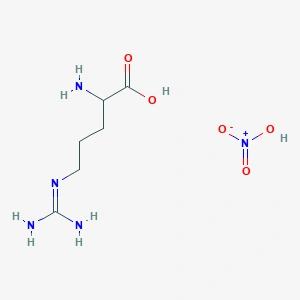
Arginine Nitrate 223253 05 2 Structure

Arginine nitrate

Arginine nitrate, identified by CAS number 223253-05-2, is a specialty salt formed by the combination of the amino acid L-arginine and nitric acid. This compound is typically presented as a white, crystalline powder with high water solubility, making it suitable for various aqueous formulations and dry-mix applications. Its chemical structure integrates the physiological benefits of

Arginine nitrate Read More »

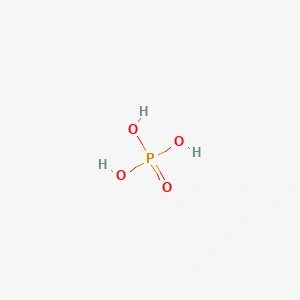
Phosphoric Acid 7664 38 2 Structure

Phosphoric acid

Phosphoric acid, identified by CAS number 7664-38-2, is a fundamental inorganic mineral acid frequently encountered as a clear, colorless, and odorless liquid. In its pure anhydrous form, it exists as a white crystalline solid, though it is most commonly utilized in aqueous solutions of varying concentrations. As a triprotic acid, it exhibits unique chemical characteristics,

Phosphoric acid Read More »

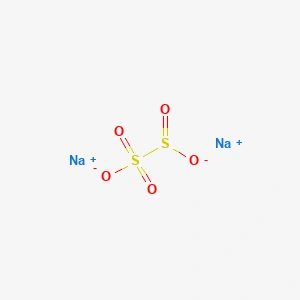
Sodium Metabisulfite 7681 57 4 Structure

Sodium metabisulfite

Sodium metabisulfite, identified by CAS number 7681-57-4, is an inorganic chemical compound consisting of sodium, sulfur, and oxygen. Commonly appearing as a white crystalline powder or granular solid, it possesses a distinct, pungent sulfurous odor. As a potent reducing agent, it is highly valued for its ability to prevent oxidation and inhibit the growth of

Sodium metabisulfite Read More »

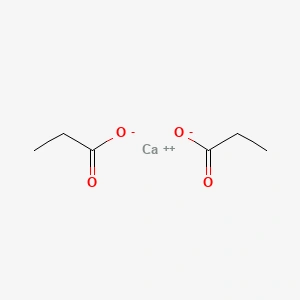
Calcium Propionate 4075 81 4 Structure

Calcium propionate

Calcium propionate, identified by CAS number 4075-81-4, is an organic salt formed by the reaction of calcium hydroxide with propionic acid. Appearing as a white crystalline powder or granulate, this compound is characterized by its distinct, slight odor and high solubility in water. It is chemically stable under standard storage conditions but exhibits hygroscopic properties,

Calcium propionate Read More »

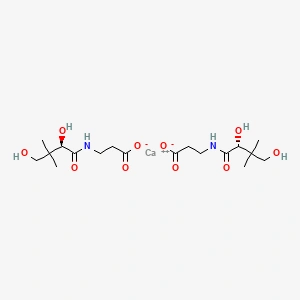
Calcium Pantothenate 137 08 6 Structure

Calcium pantothenate

Calcium pantothenate, identified by CAS 137-08-6, is the calcium salt of the water-soluble vitamin B5, also known as pantothenic acid. It typically appears as a white, odorless, and slightly hygroscopic crystalline powder that exhibits high solubility in water and stability under standard atmospheric conditions. Chemically, it is a vital precursor in the biosynthesis of Coenzyme

Calcium pantothenate Read More »

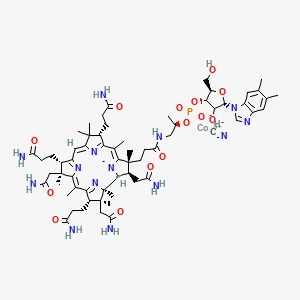
Cyanocobalamin 68 19 9 Structure

Cyanocobalamin

Cyanocobalamin, identified by CAS number 68-19-9, is a highly stable and common form of Vitamin B12, characterized by its distinct deep red crystalline appearance. As a complex coordination compound containing a central cobalt atom, it belongs to the cobalamin family. This material is widely recognized for its critical role in biological processes and is valued

Cyanocobalamin Read More »

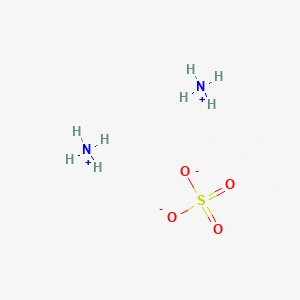
Ammonium Sulfate 7783 20 2 Structure

Ammonium sulfate

Ammonium sulfate, identified by CAS number 7783-20-2, is a versatile inorganic salt widely utilized across various industrial and laboratory sectors. This white, crystalline solid is highly soluble in water and is characterized by its stability under standard conditions. As a primary source of both nitrogen and sulfur, it serves as a critical raw material in

Ammonium sulfate Read More »

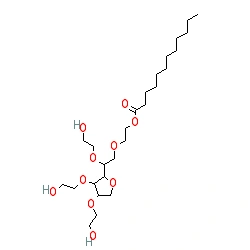
Polysorbate 40 9005 66 7 Structure

Polysorbate 40

Polysorbate 40, identified by CAS number 9005-66-7, is a non-ionic surfactant and emulsifier derived from ethoxylated sorbitan esterified with palmitic acid. Chemically known as polyoxyethylene (20) sorbitan monopalmitate, it typically presents as a viscous, amber-colored liquid at room temperature. This material is characterized by its high hydrophilic-lipophilic balance (HLB) value, making it particularly effective at

Polysorbate 40 Read More »

Ferrous Sulfate 7720 78 7 Structure

Ferrous sulfate

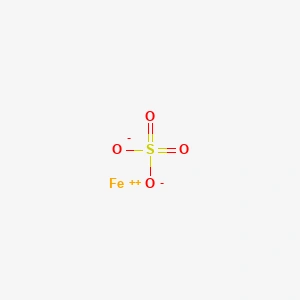
Ferrous sulfate, identified by CAS number 7720-78-7, is a significant inorganic salt also known as iron(II) sulfate. While the anhydrous form is a white crystalline solid, the compound is frequently utilized in its hydrated forms, most notably the heptahydrate. As a chemical raw material, it is valued for providing a soluble source of divalent iron

Ferrous sulfate Read More »

Agmatine Sulfate 2482 00 0 Structure 1024x1024

Agmatine Sulfate

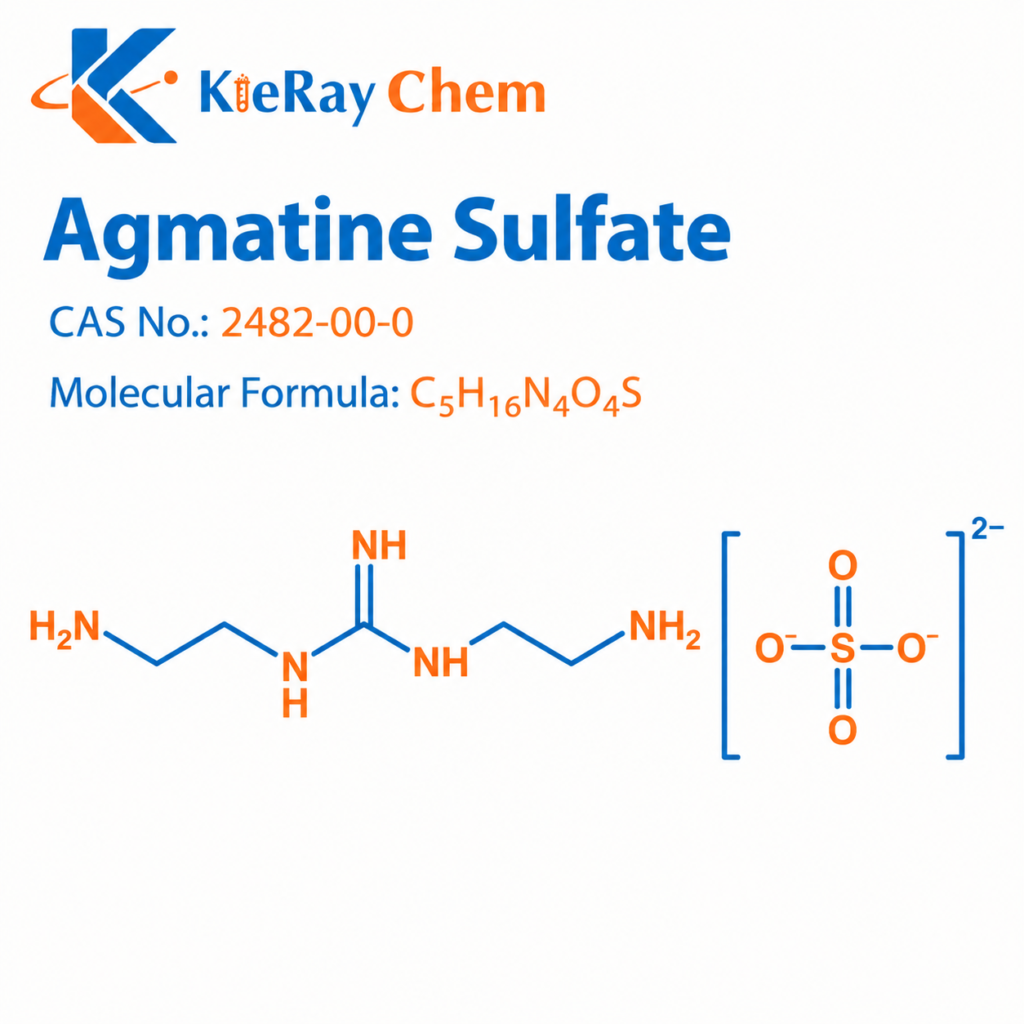
Agmatine Sulfate (CAS: 2482-00-0) is a carefully characterized chemical raw material supplied for professional manufacturing and formulation work. It is identified by its established chemical name, CAS reference and defined quality profile, allowing technical teams to evaluate it within controlled procurement and production systems. The material can contribute to synthesis, formulation, processing, surface treatment or

Agmatine Sulfate Read More »

REQUEST A QUOTE

Product Inquiry — Popup Form