English | 中文 | Español

Food Grade

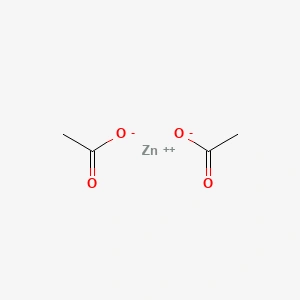
Zinc Acetate 557 34 6 Structure

Zinc acetate

Zinc acetate, identified by CAS number 557-34-6, is the anhydrous zinc salt of acetic acid. It typically appears as a white crystalline solid or powder and is distinguished by its excellent solubility in water and various organic solvents. This solubility profile allows it to act as an effective source of zinc ions in aqueous and
Zinc acetate Read More »

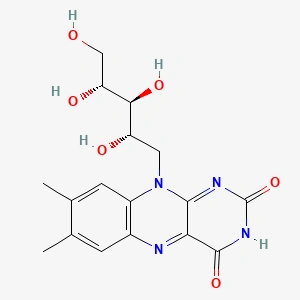
Riboflavin Vitamin B2 83 88 5 Structure

Riboflavin (Vitamin B2)

Riboflavin, also known as Vitamin B2, is a water-soluble micronutrient essential for cellular metabolism. Chemically identified as 7,8-dimethyl-10-(D-ribo-2,3,4,5-tetrahydroxypentyl)isoalloxazine, it typically presents as a yellow to orange-yellow crystalline powder. This compound is characterized by its distinct fluorescence and sensitivity to light, particularly in the ultraviolet spectrum, which necessitates careful handling and storage in opaque containers to

Riboflavin (Vitamin B2) Read More »

25 Hydroxyvitamin D2 21343 40 8 Structure

25-Hydroxyvitamin D2

25-Hydroxyvitamin D2, identified by CAS number 21343-40-8, is a crucial metabolic intermediate of Vitamin D2, also known as ergocalciferol. This compound is synthesized in the liver through the hydroxylation of Vitamin D2 by the enzyme 25-hydroxylase. As a major circulating form of Vitamin D2, it serves as a primary indicator for assessing nutritional status and

25-Hydroxyvitamin D2 Read More »

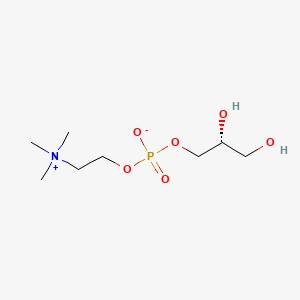
Choline Alfoscerate 28319 77 9 Structure

Choline alfoscerate

Choline alfoscerate, identified by CAS number 28319-77-9, is a naturally occurring choline compound and a critical phospholipid metabolite. Chemically known as L-alpha-glycerylphosphorylcholine, it serves as a highly bioavailable precursor to the neurotransmitter acetylcholine. The substance is characterized by its significant water solubility and hygroscopic properties, requiring stringent storage conditions in cool, dry environments to prevent

Choline alfoscerate Read More »

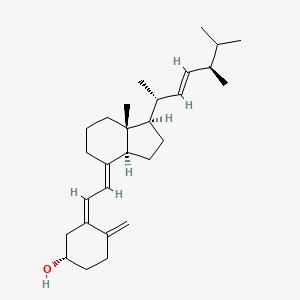
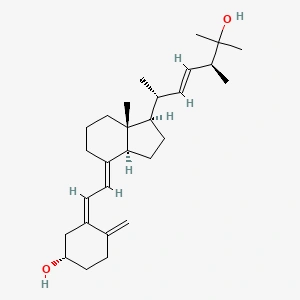
Vitamin D2 Ergocalciferol 50 14 6 Structure

Vitamin D2 (Ergocalciferol)

Vitamin D2, scientifically known as ergocalciferol, is a fat-soluble secosteroid belonging to the vitamin D family. It is synthesized through the photochemical activation of ergosterol, a sterol found in fungi, yeast, and certain plants, when exposed to ultraviolet radiation. Chemically, it is characterized by its crystalline structure and its solubility in organic solvents like ethanol

Vitamin D2 (Ergocalciferol) Read More »

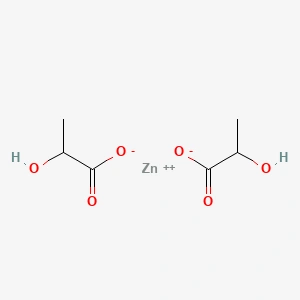
Zinc Lactate 16039 53 5 Structure

Zinc lactate

Zinc lactate, identified by CAS number 16039-53-5, is an organic zinc salt derived from lactic acid. It typically appears as a white to off-white crystalline powder or granular material. As a source of zinc, it is highly valued for its excellent solubility in water and superior bioavailability compared to inorganic zinc salts. This chemical characteristic

Zinc lactate Read More »

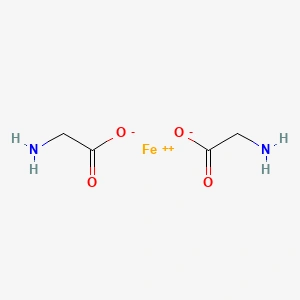
Ferrous Bisglycinate 20150 34 9 Structure

Ferrous bisglycinate

Ferrous bisglycinate, identified by CAS number 20150-34-9, is a high-quality iron chelate consisting of one ferrous ion coordinated with two molecules of the amino acid glycine. This chemical structure forms a stable, electrically neutral complex that protects the iron from reacting with other dietary components or oxidizing prematurely. It typically appears as a fine, free-flowing

Ferrous bisglycinate Read More »

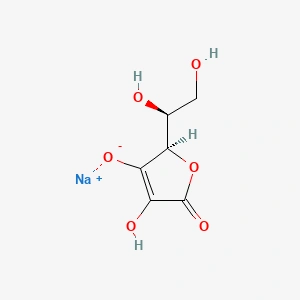
Sodium Ascorbate 134 03 2 Structure

Sodium ascorbate

Sodium ascorbate, identified by CAS number 134-03-2, is the sodium salt of L-ascorbic acid and serves as a highly versatile chemical raw material. It typically appears as a white to pale yellow crystalline powder that is readily soluble in water. Chemically, it functions as a potent reducing agent and antioxidant, providing a more neutral pH

Sodium ascorbate Read More »

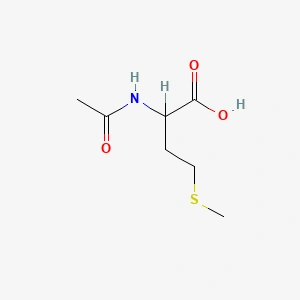
N Acetyl DL Methionine 1115 47 5 Structure

N-Acetyl-DL-Methionine

N-Acetyl-DL-Methionine is an acetylated derivative of the essential amino acid methionine, existing as a racemic mixture of the D and L enantiomers. It typically appears as a white crystalline powder and is characterized by its solubility in water and various organic solvents. This chemical modification enhances the overall stability of the parent amino acid, making

N-Acetyl-DL-Methionine Read More »

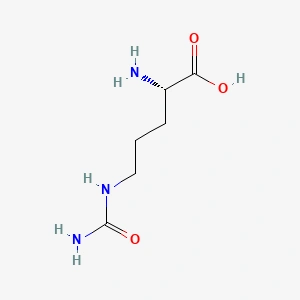
L Citrulline 372 75 8 Structure

L-Citrulline

L-Citrulline, identified by CAS number 372-75-8, is a naturally occurring alpha-amino acid that plays a critical role as an intermediate in the urea cycle. Chemically known as (2S)-2-amino-5-(carbamoylamino)pentanoic acid, it is characterized by its white crystalline appearance and high solubility in water. Unlike many other amino acids, it is not coded for by DNA but

L-Citrulline Read More »

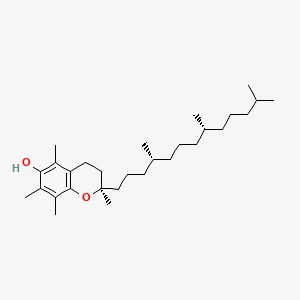
Alpha Tocopherol 59 02 9 Structure

Alpha-Tocopherol

Alpha-Tocopherol, identified by CAS number 59-02-9, is a naturally occurring fat-soluble compound and a primary form of Vitamin E. Characterized as a viscous, pale yellow to amber oil, it possesses a high degree of lipophilicity, making it readily miscible with organic solvents and oils. This chemical is renowned for its exceptional antioxidant capacity, which allows

Alpha-Tocopherol Read More »

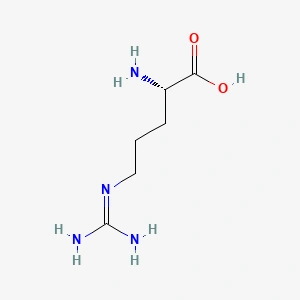
L Arginine 74 79 3 Structure

L-Arginine

L-Arginine, identified by CAS 74-79-3, is a naturally occurring basic alpha-amino acid that plays a fundamental role in various biological processes. Chemically, it is characterized by the presence of a complex guanidino side chain, which imparts a high degree of alkalinity and polarity to the molecule. In its pure form, L-Arginine typically appears as a

L-Arginine Read More »

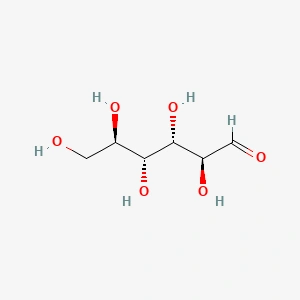
D Mannose 3458 28 4 Structure

D-Mannose

D-Mannose, identified by CAS number 3458-28-4, is a naturally occurring monosaccharide and a C-2 epimer of D-glucose. It is a vital hexose sugar that plays a significant role in human metabolism, particularly in the glycosylation of proteins. Physically, it typically appears as a white crystalline powder or colorless crystals, exhibiting high solubility in aqueous environments

D-Mannose Read More »

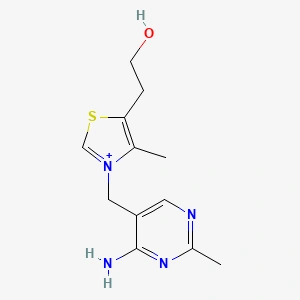
Thiamine 59 43 8 Structure

Thiamine

Thiamine, identified by CAS number 59-43-8, is a vital water-soluble compound belonging to the B-vitamin complex. Chemically characterized by its substituted pyrimidine and thiazole rings linked by a methylene bridge, it typically appears as a white to off-white crystalline powder. In industrial and laboratory settings, thiamine is recognized for its stability profile, which is highly

Thiamine Read More »

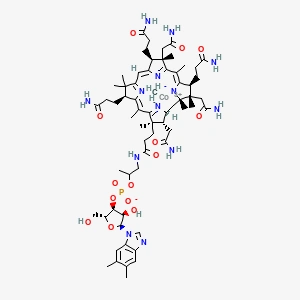
Methylcobalamin 13422 55 4 Structure

Methylcobalamin

Methylcobalamin, identified by CAS number 13422-55-4, is a naturally occurring and physiologically active form of Vitamin B12. Chemically, it is a cobalamin featuring a unique cobalt-methyl bond, distinguishing it from other B12 analogs like cyanocobalamin. This deep red, crystalline substance is highly valued in biochemical research and industrial applications due to its role as a

Methylcobalamin Read More »

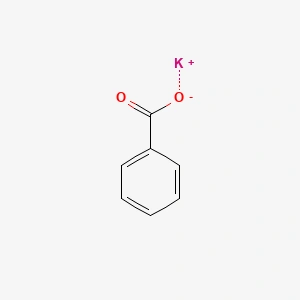
Potassium Benzoate 582 25 2 Structure

Potassium Benzoate

Potassium Benzoate, identified by CAS number 582-25-2, is the potassium salt of benzoic acid, commonly appearing as a white, odorless, crystalline powder or granular solid. Known for its excellent solubility in water, this compound serves as a critical antimicrobial agent, particularly effective against the growth of yeasts, molds, and certain bacteria. It is chemically stable

Potassium Benzoate Read More »

REQUEST A QUOTE

Product Inquiry — Popup Form