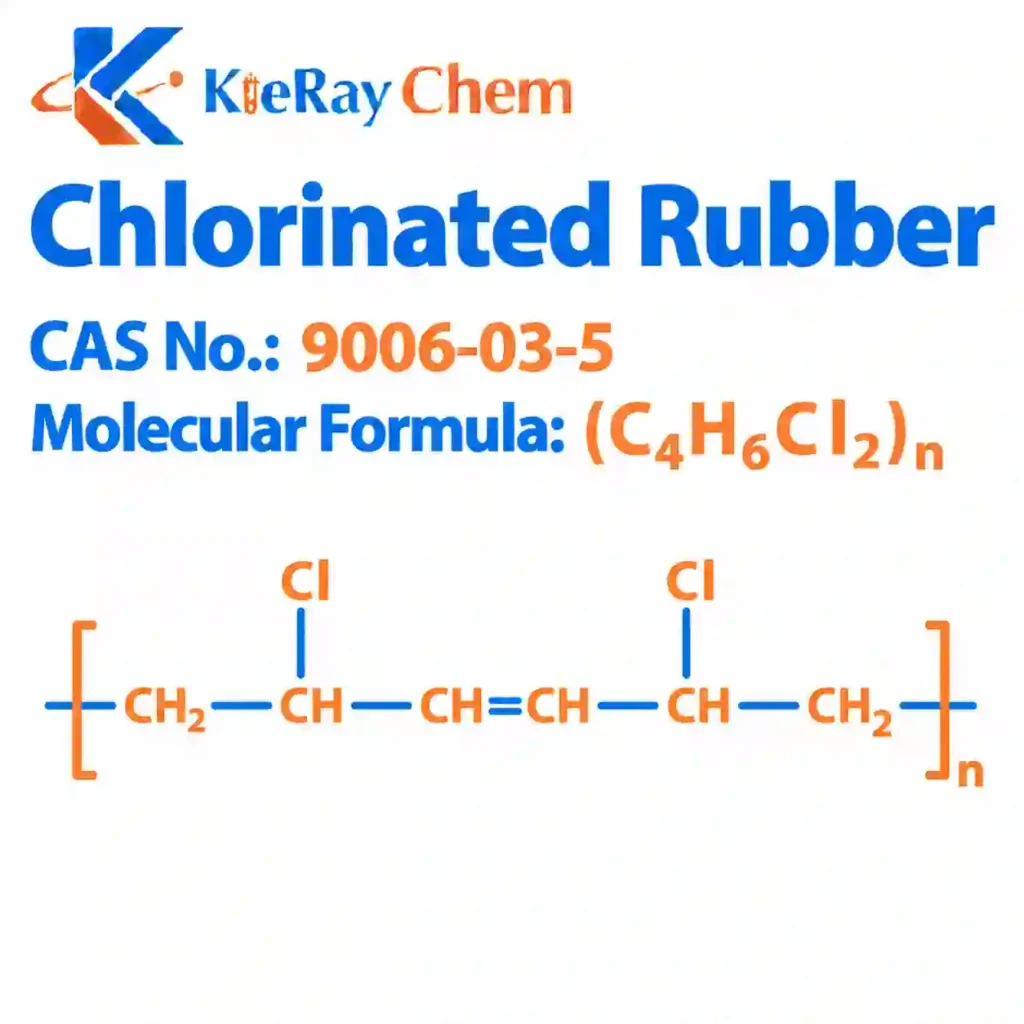
Chlorinated Rubber
Chlorinated Rubber Read More »

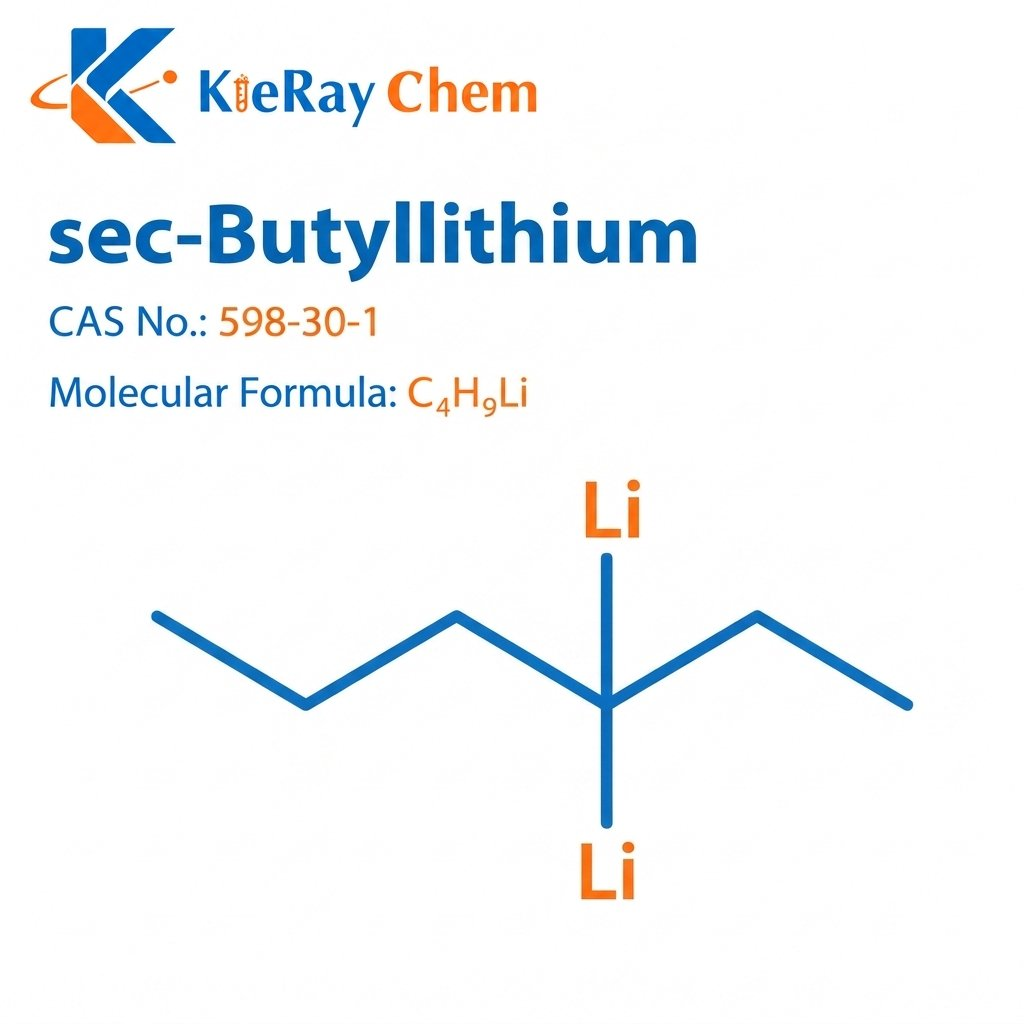
sec-Butyllithium (CAS:598-30-1) is a secondary alkyl lithium reagent with reactivity between the n-butyl and tert-butyl analogs. It provides excellent selectivity for metalation and lithiation reactions and is a key initiator in anionic polymerization of dienes and styrenics, offering controlled molecular weight and narrow dispersity. As a Industrial Grade product, this material is manufactured with defined
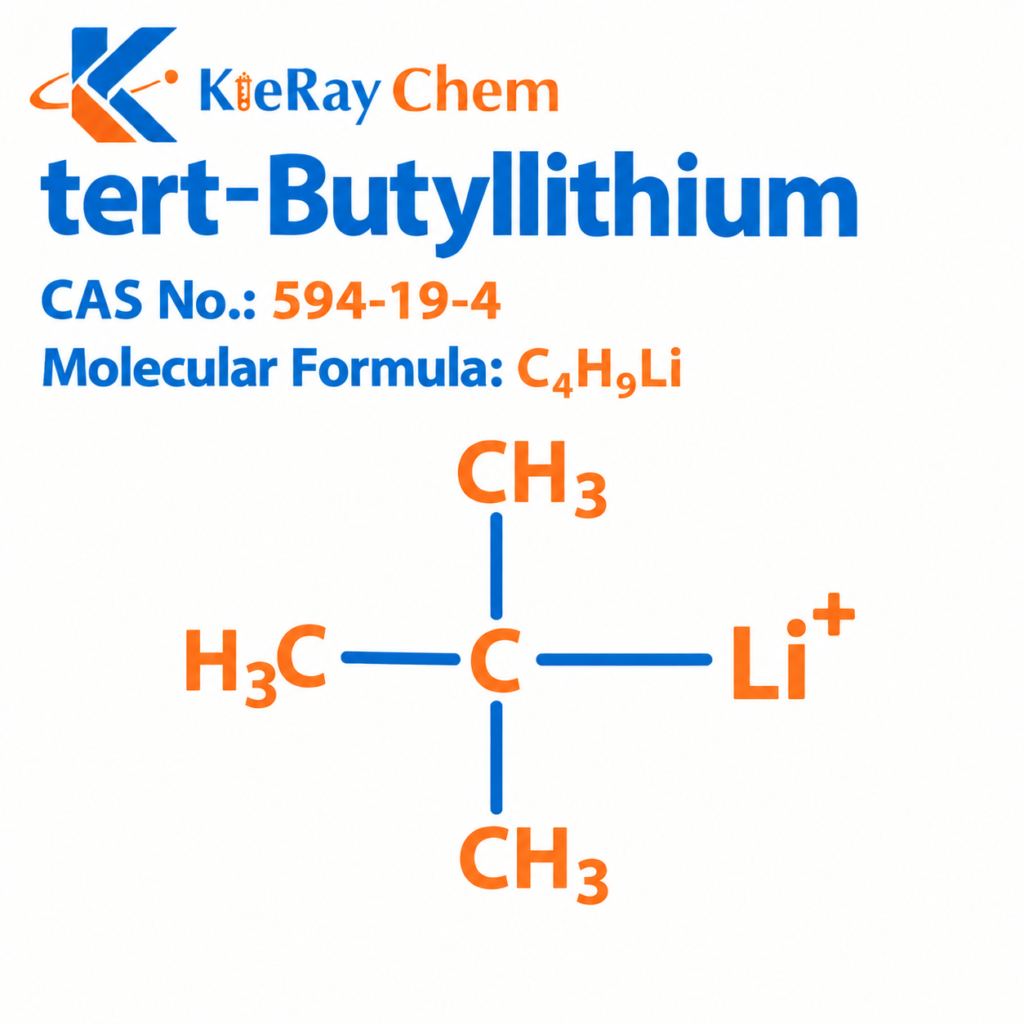
tert-Butyllithium (CAS:594-19-4) is one of the strongest commercially available organolithium bases. Its bulky tert-butyl group enables extremely fast lithium-halogen exchange and complete deprotonation of weakly acidic substrates, making it indispensable in high-demand organic synthesis and pharmaceutical intermediate manufacturing. The Industrial Grade specification is maintained by disciplined manufacturing and full analytical release, with COA, technical and
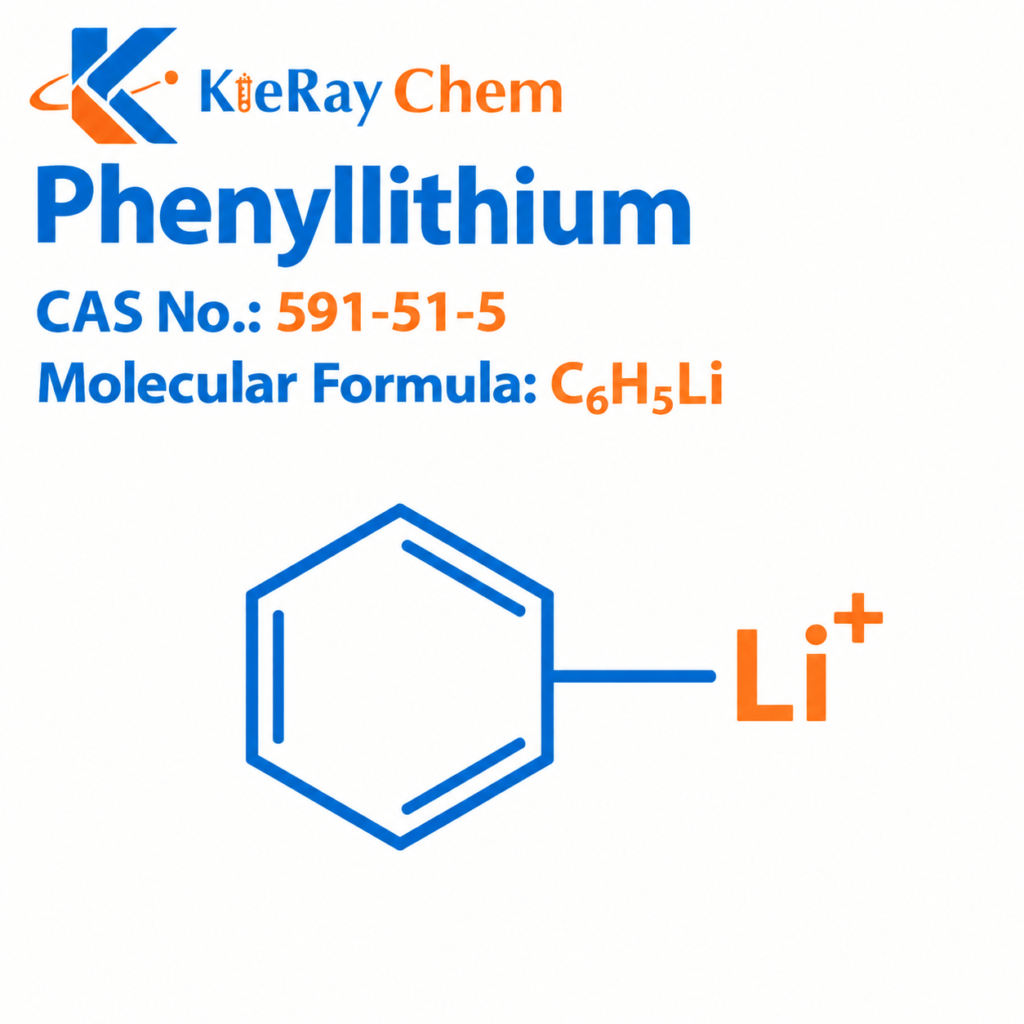
Phenyllithium (CAS:591-51-5) is the parent aromatic organolithium reagent, supplied as a solution in dibutyl ether. It is used for arylation, metal-halogen exchange and deprotonation in pharmaceutical and materials synthesis, combining strong nucleophilicity with predictable selectivity and convenient handling in standardized solution form. With its Industrial Grade designation, every lot carries a complete certificate of analysis
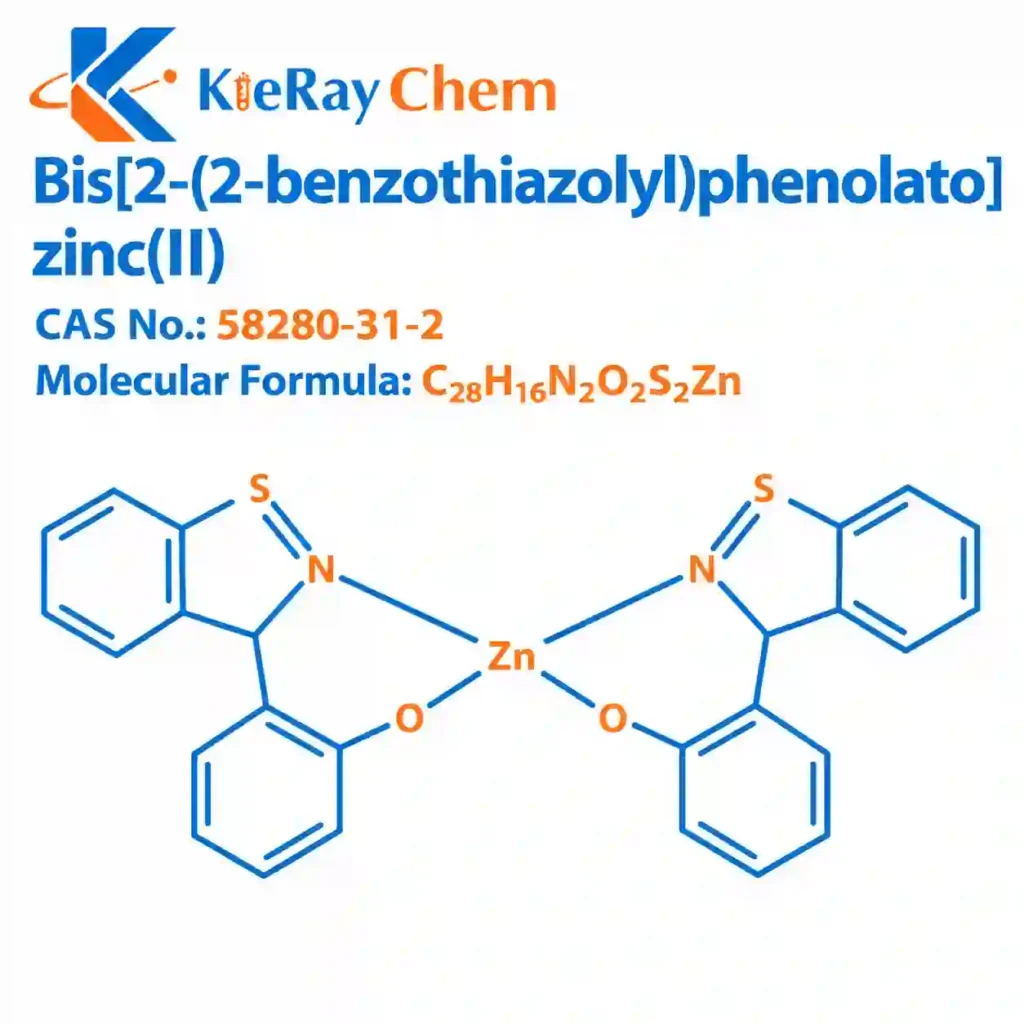
Bis[2-(2-benzothiazolyl)phenolato]zinc(II) (CAS:58280-31-2) is a zinc coordination complex with two benzothiazole-phenolate ligands. It is a classic fluorescent brightening agent and UV-absorbing light stabilizer for plastics and coatings, and a luminescent material in optoelectronic research, offering strong blue emission, excellent photostability and low migration in polymer matrices. Quality is locked down at every stage: production follows standardized
Bis[2-(2-benzothiazolyl)phenolato]zinc(II) Read More »
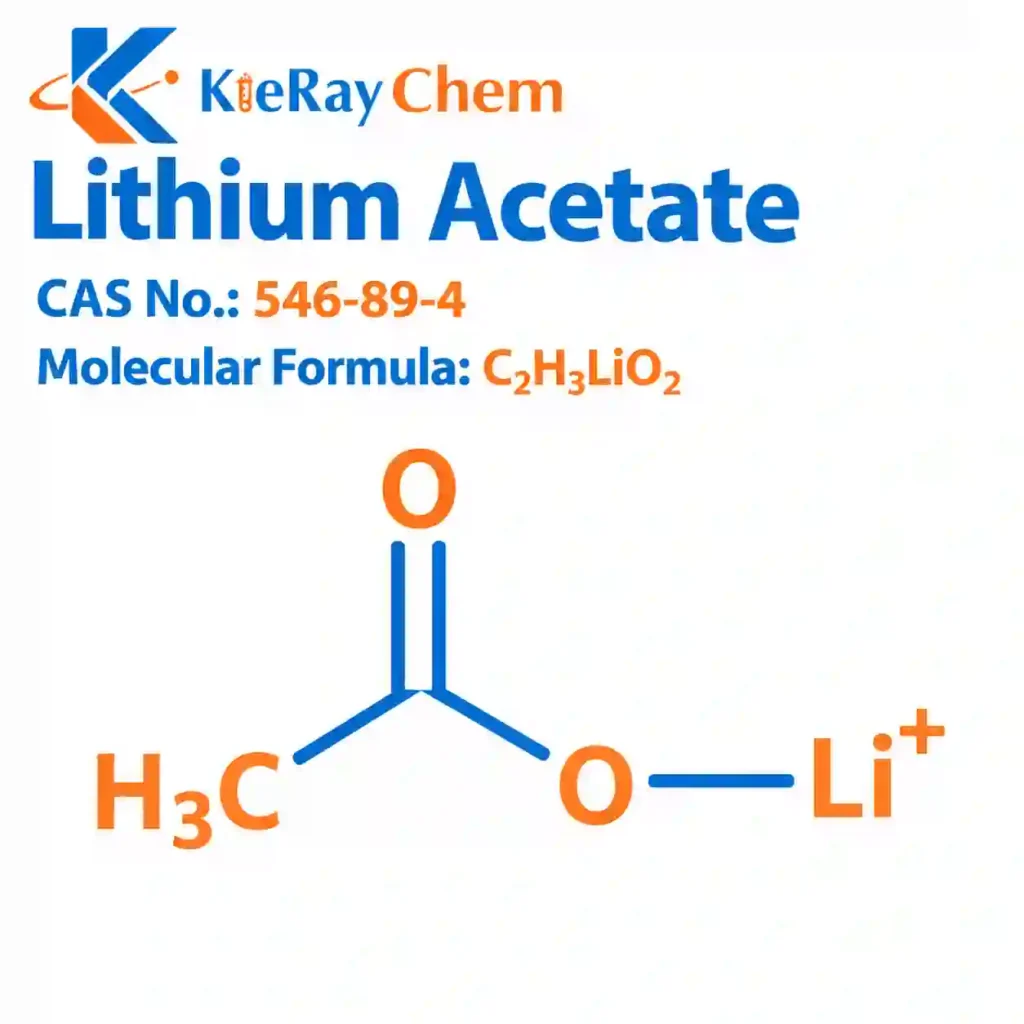
Lithium Acetate (CAS:546-89-4) is the lithium salt of acetic acid, a white crystalline powder with broad utility. It is used as a buffer in DNA and RNA gel electrophoresis, a yeast transformation reagent, and a lithium source for perovskite thin-film and ceramic applications, valued for high purity and consistent anhydrous quality. As a Industrial Grade
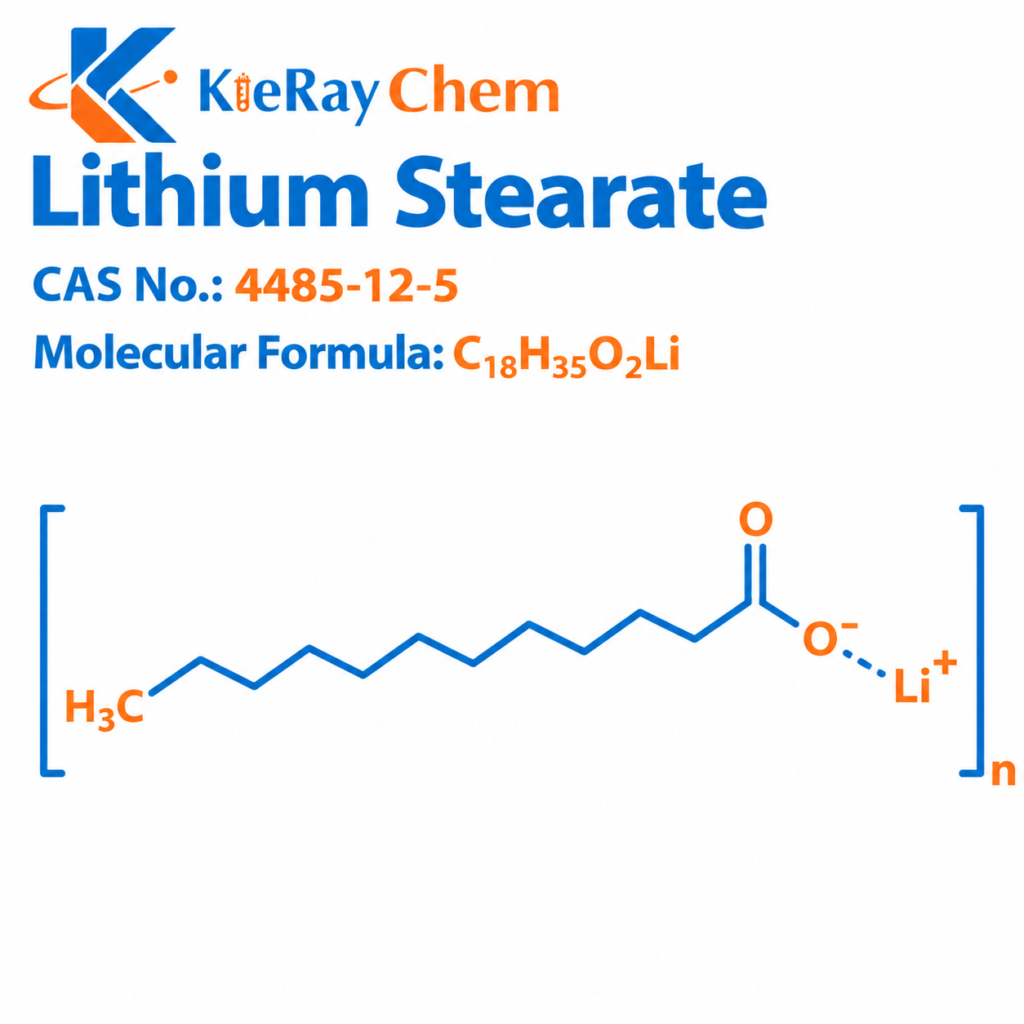
Lithium Stearate (CAS:4485-12-5) is the lithium salt of stearic acid, a fine white powder with a high melting point and excellent thermal stability. It is the classic thickener for multi-purpose lithium greases and a valued lubricant and heat stabilizer in plastics, coatings and cosmetics, combining thickening efficiency with shear stability. The Industrial Grade specification is
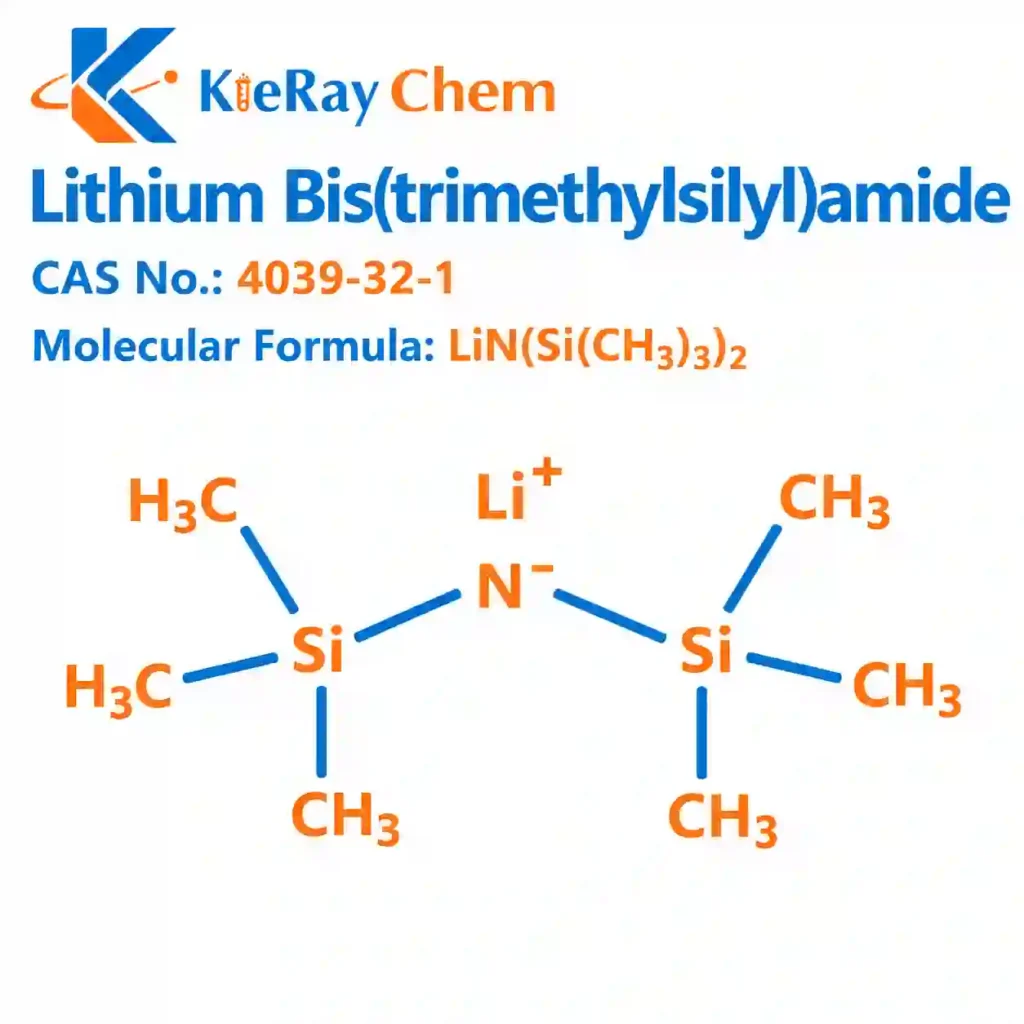
Lithium Bis(trimethylsilyl)amide (CAS:4039-32-1), commonly known as LiHMDS, is a strong, non-nucleophilic Brønsted base widely soluble in nonpolar organic solvents. It is the reagent of choice for enolate formation, regioselective deprotonations and the synthesis of complex natural products and pharmaceutical intermediates, delivered as solids or standardized THF solutions. With its Industrial Grade designation, every lot carries
Lithium Bis(trimethylsilyl)amide Read More »
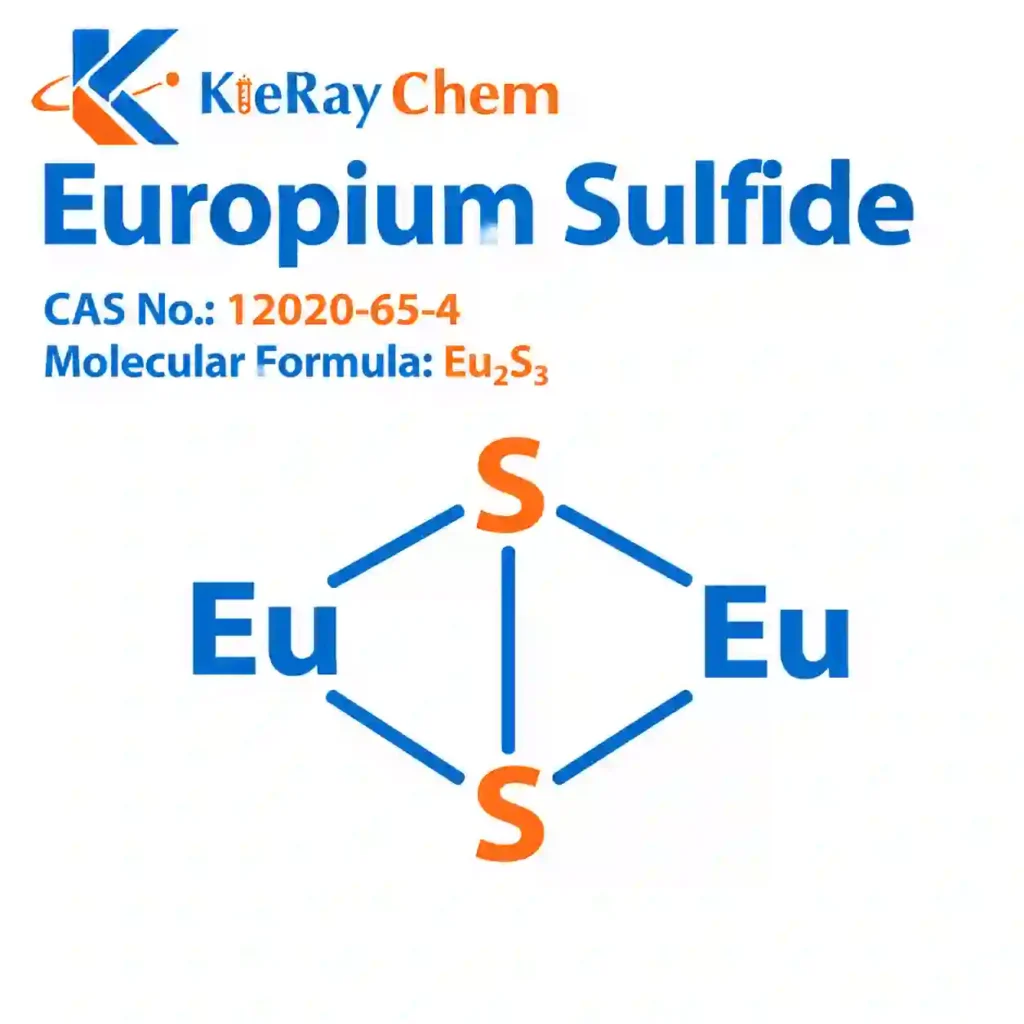
Europium Sulfide (CAS:12020-65-4) is a rare-earth chalcogenide with strong magnetic and optical responses. It finds application in phosphors, magneto-optical materials, spintronic research and optoelectronic devices, where its unique 4f electronic structure and magnetic ordering enable advanced photonic and electronic functionality. Quality is locked down at every stage: production follows standardized parameters, and each Industrial Grade
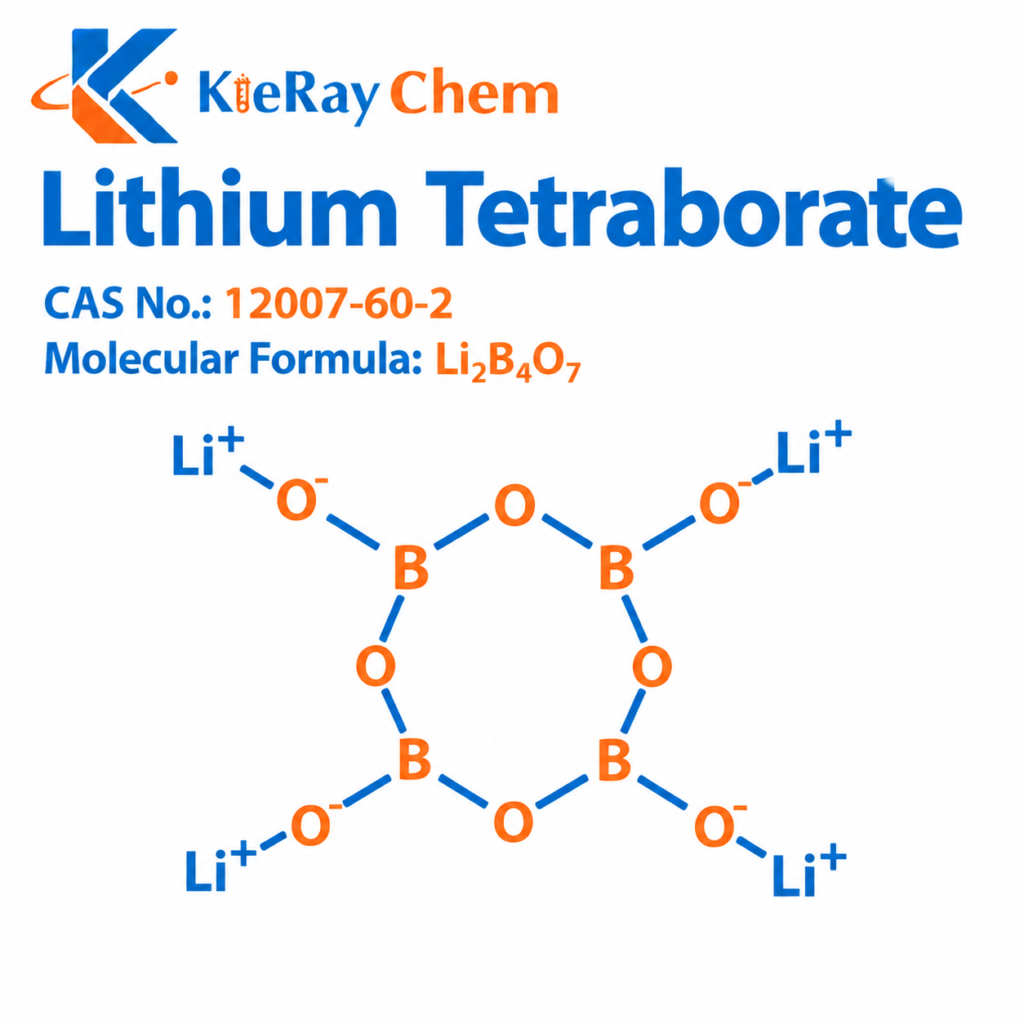
Lithium Tetraborate (CAS:12007-60-2) is a lithium borate salt with strong fluxing and fusion properties. It is the standard fusion flux for X-ray fluorescence and ICP sample preparation, and a key raw material for borosilicate glass, ceramics, glazes, optical crystals and lithium borate-based materials, appreciated for its purity and consistent melting behavior. As a Industrial Grade
Lithium Tetraborate Read More »
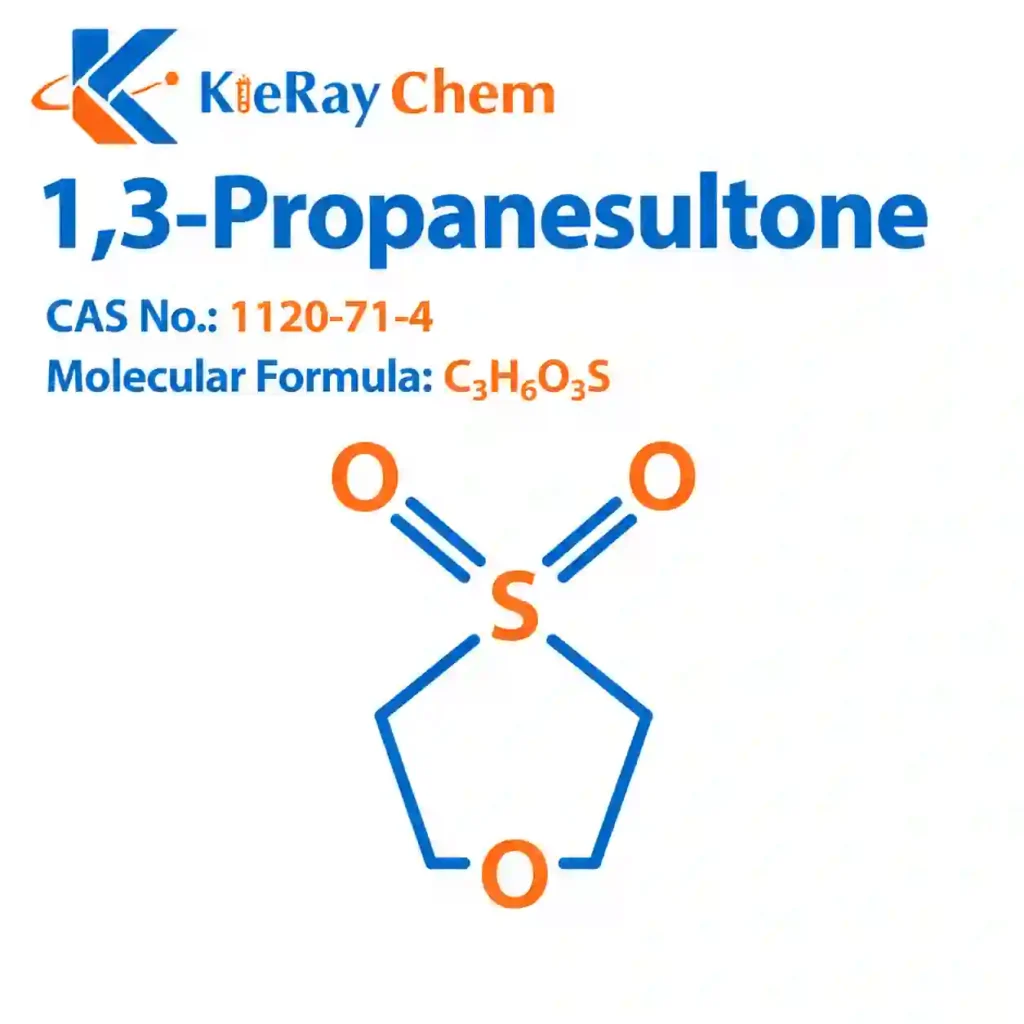
1,3-Propanesultone (CAS:1120-71-4) is a cyclic sulfonate ester that introduces sulfonate functionality into organic molecules. It is a proven film-forming additive for lithium-ion battery electrolytes, improving SEI stability, low-temperature performance and cycle life, and is also used in the synthesis of sulfonate surfactants, dyes and pharmaceutical intermediates. With its Industrial Grade designation, every lot carries a
1,3-Propanesultone Read More »
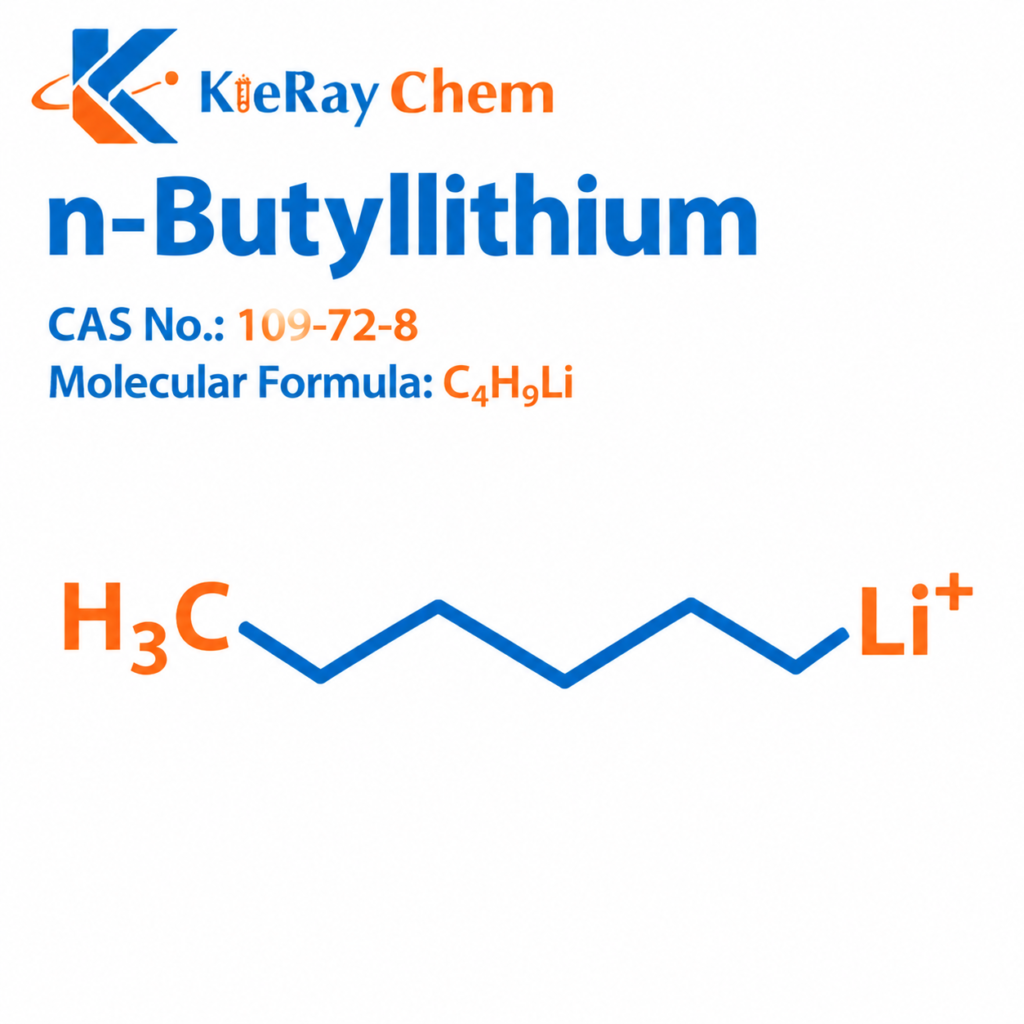
n-Butyllithium (CAS:109-72-8) is the most widely used organolithium reagent in modern organic and polymer chemistry. As a strong base and powerful nucleophile it enables metal-halogen exchange, deprotonation and anionic polymerization, and remains the standard tool for pharmaceutical, agrochemical and polymer synthesis, supplied as stable solutions in hexane or heptane at defined molarity. Quality is locked
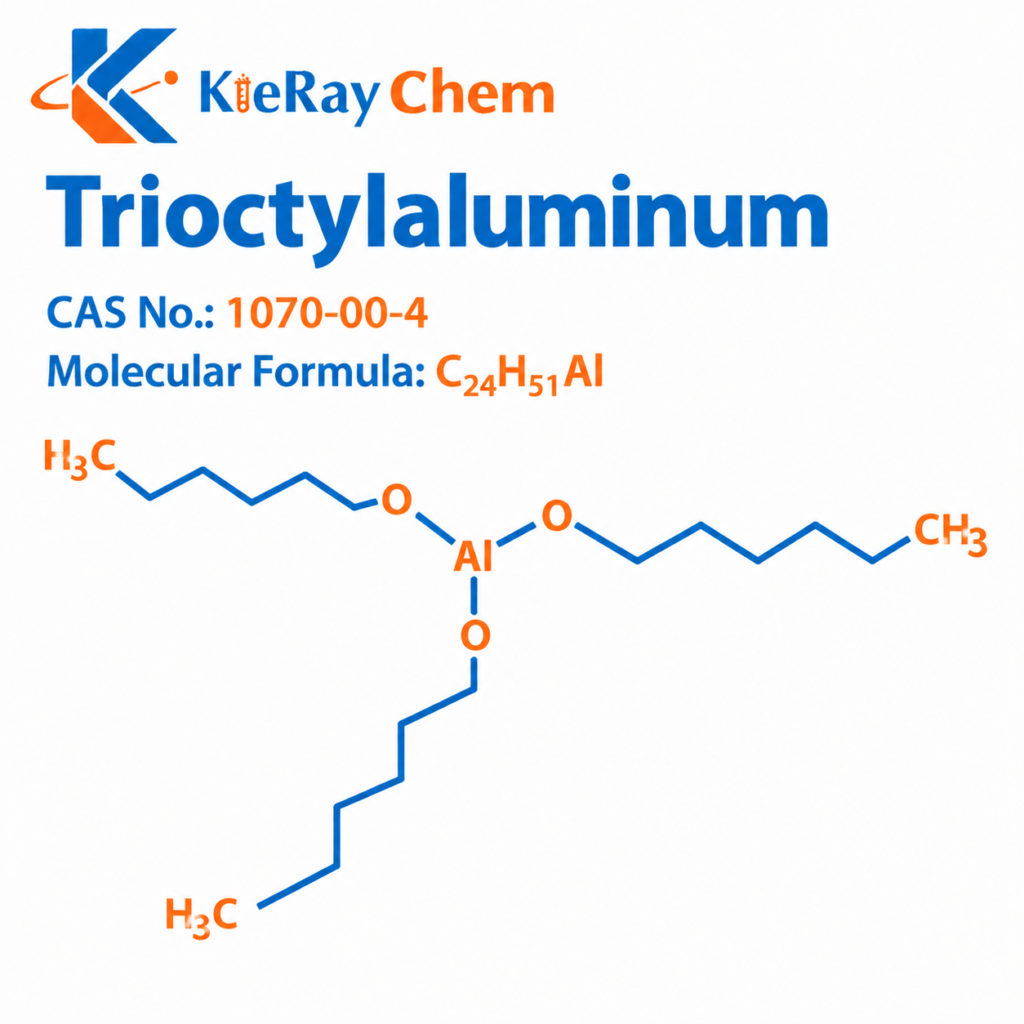
Trioctylaluminum (CAS:1070-00-4) is an organoaluminum compound used as a high-performance cocatalyst in Ziegler-Natta olefin polymerization and as a reagent in organic synthesis. The colorless, air- and moisture-sensitive solution delivers the precise aluminum-alkyl activity needed for catalyst activation, chain-transfer control and the manufacture of specialty polymers and fine chemicals. As a Industrial Grade product, this material
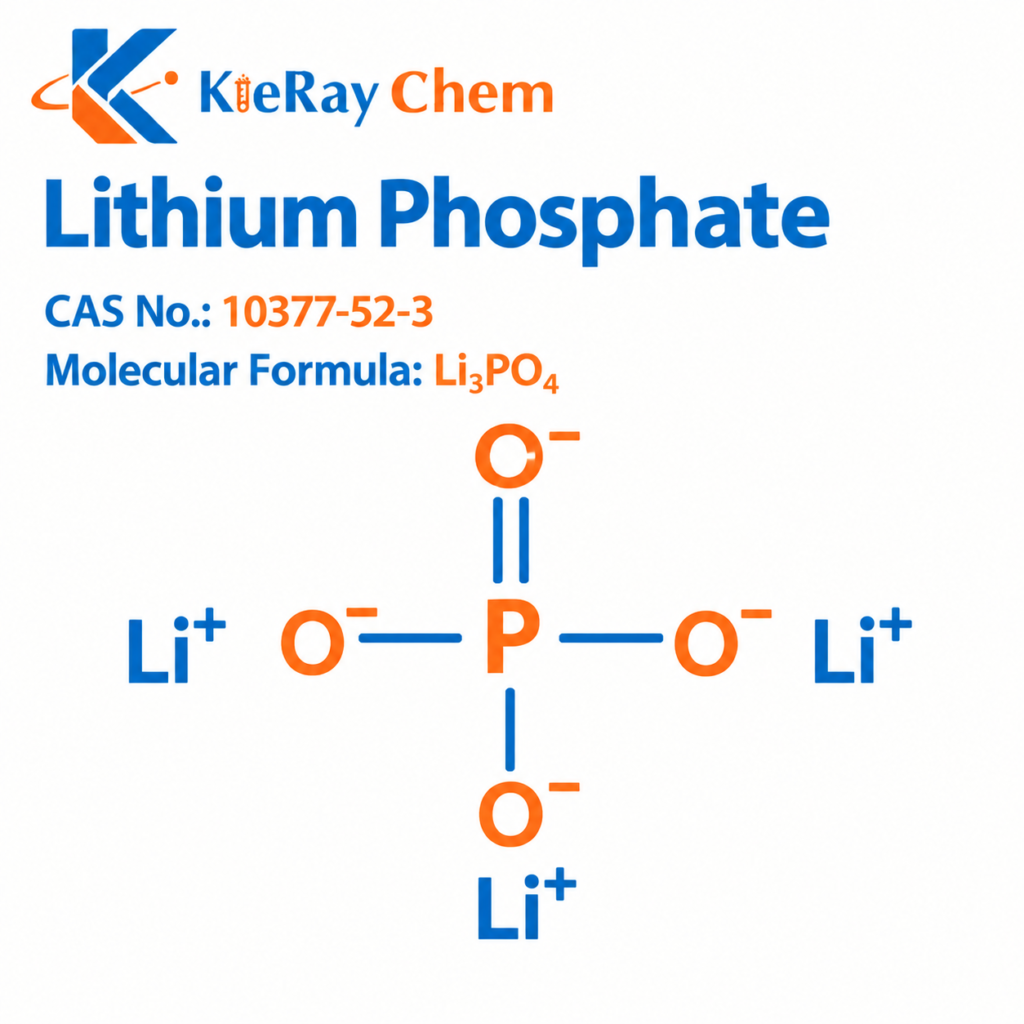
Lithium Phosphate (CAS:10377-52-3) is a white inorganic lithium salt used as a high-purity lithium source. It is applied in lithium-ion battery cathode materials, solid electrolytes, ceramic and glass manufacturing, and as a precursor for lithium-containing functional materials, with controlled particle size and trace-metal profile. The Industrial Grade specification is maintained by disciplined manufacturing and full
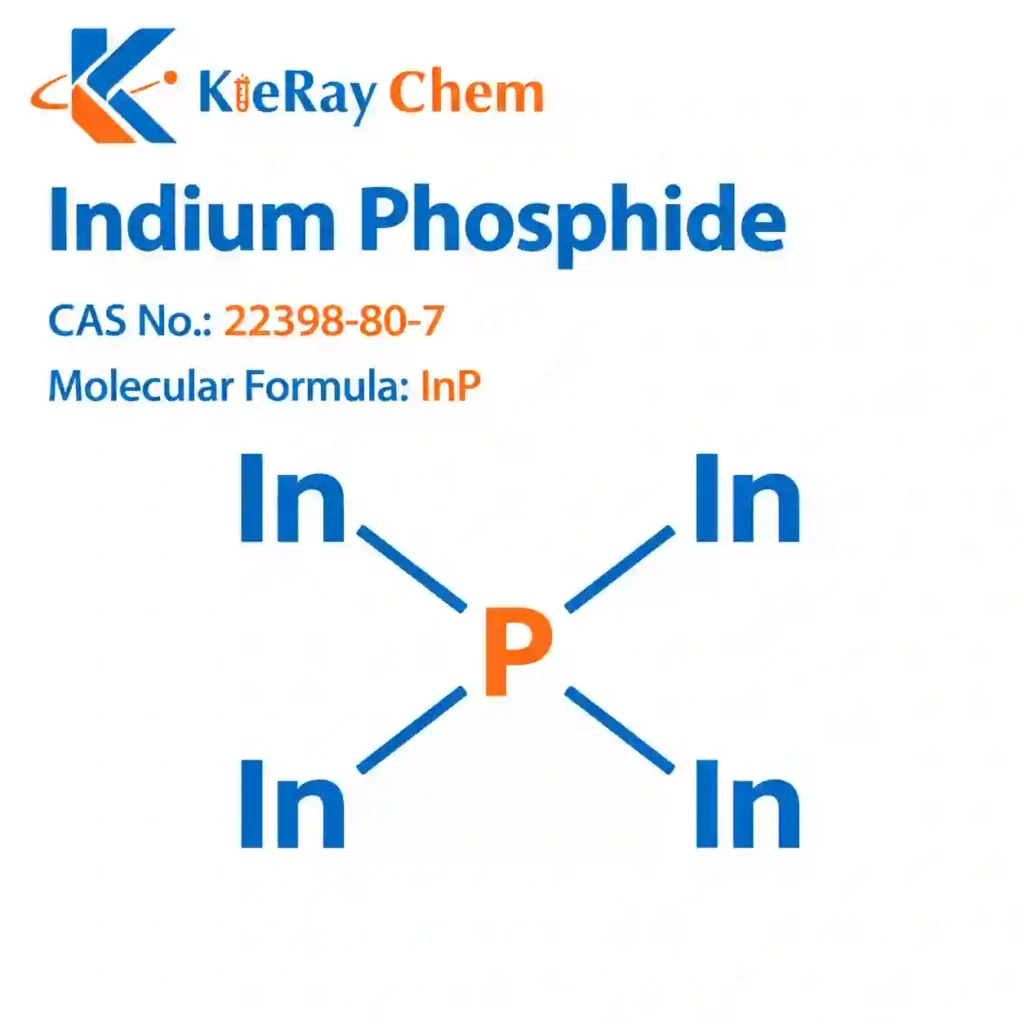
Indium Phosphide (CAS:22398-80-7) is a direct bandgap III-V semiconductor compound supplied as high-purity crystalline pieces or powder. It is the substrate and active material of choice for high-speed optoelectronic devices, optical communications, lasers, photodetectors and high-frequency electronics, where its exceptional electron mobility and light-emission efficiency drive performance. As a Industrial Grade product, this material is

1,1′-Dimethylferrocene (CAS:1291-47-0) is a methyl-substituted ferrocene derivative with a stable sandwich structure. It is used as a combustion-modifying additive in solid propellants and fuels, a redox mediator in electrochemical systems, and a ligand precursor in catalysis and materials chemistry, offering tunable redox potential and high thermal stability. With its Industrial Grade designation, every lot carries
1,1′-Dimethylferrocene Read More »