English | 中文 | Español

Industrial Grade

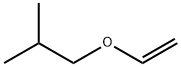
poly isobutyl vinyl ether 9003 44 5 structure

Poly(isobutyl vinyl ether)

Poly(isobutyl vinyl ether), identified by CAS number 9003-44-5, is a versatile synthetic polymer characterized by its soft, resinous consistency and excellent chemical stability. This polyvinyl ether derivative is recognized for its high degree of flexibility, low glass transition temperature, and inherent tackiness. Depending on the degree of polymerization, the material can range from a viscous

Poly(isobutyl vinyl ether) Read More »
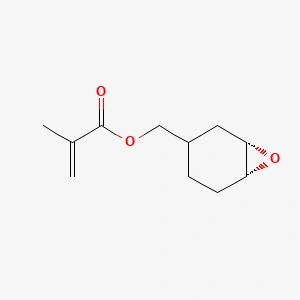
3 4 Epoxycyclohexylmethyl Methacrylate 82428 30 6 Structure

3,4‑Epoxycyclohexylmethyl methacrylate

3,4-Epoxycyclohexylmethyl methacrylate, identified by CAS 82428-30-6, is a versatile bifunctional monomer that uniquely bridges the gap between epoxy and acrylic chemistries. This molecule features a highly reactive cycloaliphatic epoxy ring alongside a polymerizable methacrylate ester. Its chemical structure allows for dual-curing mechanisms, enabling it to participate in both free-radical and cationic polymerization processes. This flexibility

3,4‑Epoxycyclohexylmethyl methacrylate Read More »

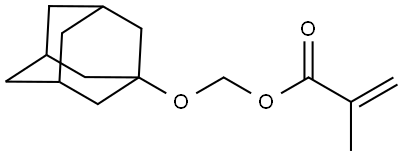
adamantan 1 yloxy methyl methacrylate 863198 25 8 structure

(Adamantan-1-yloxy)methyl methacrylate

(Adamantan-1-yloxy)methyl methacrylate, identified by CAS 863198-25-8, is a specialized functional monomer characterized by the incorporation of a bulky adamantyl cage into a methacrylate framework. This unique molecular architecture combines the reactive polymerizable nature of the methacrylate group with the rigid, hydrophobic properties of the adamantane moiety. The resulting monomer is typically utilized in the synthesis

(Adamantan-1-yloxy)methyl methacrylate Read More »

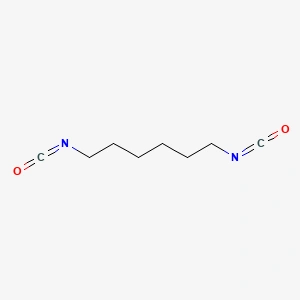
Hexamethylene Diisocyanate 822 06 0 Structure

Hexamethylene diisocyanate

Hexamethylene diisocyanate (HDI), identified by CAS 822-06-0, is a prominent aliphatic diisocyanate characterized as a colorless to slightly yellowish liquid with a sharp, pungent odor. As a low-viscosity monomer, it serves as a critical building block in the synthesis of high-performance polyurethane systems. Unlike its aromatic counterparts, HDI is valued for its linear structure, which

Hexamethylene diisocyanate Read More »

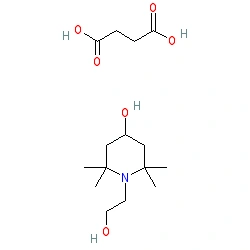
Light Stabilizer UV 622 70198 29 7 Structure

Light Stabilizer UV-622

Light Stabilizer UV-622, identified by CAS 70198-29-7, is a high molecular weight hindered amine light stabilizer (HALS) that serves as a critical additive in the polymer industry. This oligomeric compound is characterized by its exceptional thermal stability and low volatility, making it particularly effective for applications requiring long-term durability under harsh environmental conditions. Its chemical

Light Stabilizer UV-622 Read More »

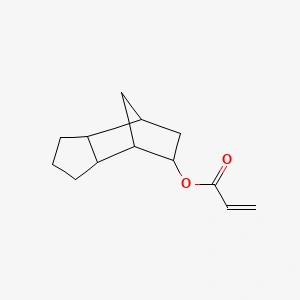
Dicyclopentanyl Acrylate 7398 56 3 Structure

Dicyclopentanyl Acrylate

Dicyclopentanyl Acrylate, identified by CAS number 7398-56-3, is a specialized monofunctional monomer characterized by its unique alicyclic structure. This clear, colorless liquid possesses a high glass transition temperature and relatively low viscosity, making it a versatile component in advanced polymer formulations. Its chemical architecture, featuring a bulky dicyclopentanyl group, imparts excellent thermal stability and chemical

Dicyclopentanyl Acrylate Read More »

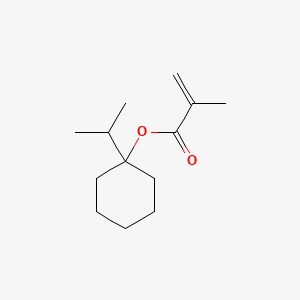
1 Isopropylcyclohexyl Methacrylate 811440 77 4 Structure

1‑isopropylcyclohexyl methacrylate

1-isopropylcyclohexyl methacrylate, identified by CAS 811440-77-4, is a specialized methacrylate monomer characterized by its bulky cycloaliphatic side chain. This chemical structure features an isopropyl group and a cyclohexane ring attached at the alpha position of the ester, providing significant steric hindrance. As a liquid monomer, it is valued for its ability to impart unique physical

1‑isopropylcyclohexyl methacrylate Read More »

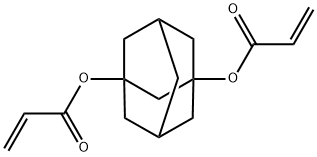
1,3 adamantanediol diacrylate 81665 82 9 structure

1,3-Adamantanediol diacrylate

1,3-Adamantanediol diacrylate, identified by CAS number 81665-82-9, is a specialized bifunctional monomer characterized by its rigid, cage-like adamantane core substituted with two reactive acrylate groups. This unique molecular architecture imparts exceptional thermal stability and mechanical strength to the resulting polymers. As a high-performance cross-linking agent, it is valued for its ability to enhance the physical

1,3-Adamantanediol diacrylate Read More »

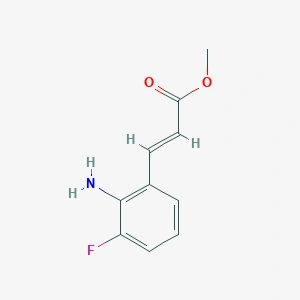
Methyl E 3 2 Amino 3 Fluorophenyl Acrylate 690664 20 1 Structure

Methyl (E)-3-(2-amino-3-fluorophenyl)acrylate

Methyl (E)-3-(2-amino-3-fluorophenyl)acrylate, identified by CAS number 690664-20-1, is a specialized organic building block characterized by its cinnamate backbone, an ortho-amino group, and a fluorine substituent on the aromatic ring. This compound serves as a versatile intermediate in complex molecular assembly, offering multiple reactive sites for further chemical transformation. Its structural configuration, particularly the (E)-stereochemistry of

Methyl (E)-3-(2-amino-3-fluorophenyl)acrylate Read More »

Methylhydrosiloxane Dimethylsiloxane%20copolymer 69013 23 6 Structure 1024x768

Methylhydrosiloxane-dimethylsiloxane copolymer, hydride terminated

Methylhydrosiloxane-dimethylsiloxane copolymer, hydride terminated (CAS 69013-23-6), is a versatile reactive silicone fluid characterized by the presence of active silicon-hydrogen (Si-H) bonds both along the polymer backbone and at the chain ends. This specific molecular architecture combines the stability and flexibility of dimethylsiloxane units with the high reactivity of methylhydrosiloxane units. As a clear, low-to-medium viscosity

Methylhydrosiloxane-dimethylsiloxane copolymer, hydride terminated Read More »

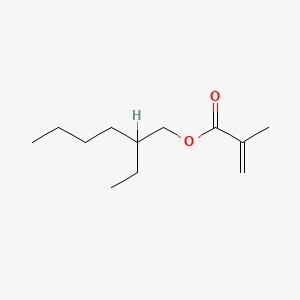
2 Ethylhexyl Methacrylate 688 84 6 Structure

2-Ethylhexyl Methacrylate

2-Ethylhexyl Methacrylate, identified by CAS number 688-84-6, is a versatile methacrylate monomer characterized by its long-chain alkyl group. As a clear, colorless liquid with a characteristic odor, it serves as a critical building block in the synthesis of various acrylic polymers and copolymers. Its primary chemical advantage lies in its ability to impart internal plasticization

2-Ethylhexyl Methacrylate Read More »

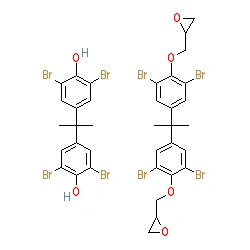
Tetrabromobisphenol A Epoxy Resin Intermediate 68928 70 1 Structure

Tetrabromobisphenol A Epoxy Resin Intermediate

Tetrabromobisphenol A Epoxy Resin Intermediate, identified by CAS 68928-70-1, is a specialized brominated oligomeric compound primarily utilized in the synthesis of high-performance flame-retardant materials. This chemical intermediate is characterized by its significant bromine content and reactive epoxy groups, which allow it to integrate seamlessly into various polymer matrices. Its chemical structure provides a robust foundation

Tetrabromobisphenol A Epoxy Resin Intermediate Read More »

Polyether Modified Silicone Oil 68937 54 2 Structure 1024x768

polyether-modified silicone oil

Polyether-modified silicone oil, identified by CAS 68937-54-2, is a versatile non-ionic surfactant belonging to the class of organosilicon compounds. It is synthesized by grafting polyether chains, typically ethylene oxide or propylene oxide, onto a polydimethylsiloxane backbone. This unique molecular architecture combines the low surface tension and lubricity of silicone with the hydrophilicity and solubility of

polyether-modified silicone oil Read More »

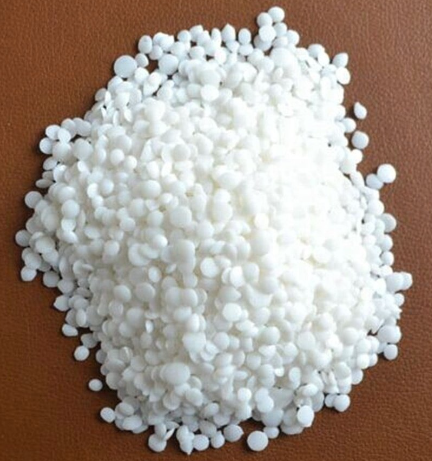
oxidized polyethylene 68441 17 8 structure

Oxidized Polyethylene

Oxidized Polyethylene (OPE), identified by CAS 68441-17-8, is a functionalized polymer produced through the controlled oxidation of polyethylene. This chemical modification introduces polar functional groups, including carboxylic acids and esters, onto the hydrocarbon chain. These groups significantly improve the polymer’s emulsifiability and its compatibility with polar materials, distinguishing it from traditional non-polar polyethylene waxes. Technically,

Oxidized Polyethylene Read More »

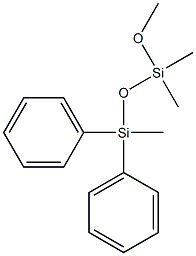
diphenylsiloxane dimethylsiloxane copolymer 68083 14 7 structure

diphenylsiloxane-dimethylsiloxane copolymer

Diphenylsiloxane-dimethylsiloxane copolymer, identified by CAS 68083-14-7, is a versatile phenyl-modified silicone fluid characterized by the incorporation of phenyl groups into a polydimethylsiloxane backbone. This chemical modification significantly enhances the polymer’s thermal stability and oxidative resistance compared to standard dimethyl silicone oils. It exhibits a high refractive index and remains stable across a wide temperature range,

diphenylsiloxane-dimethylsiloxane copolymer Read More »

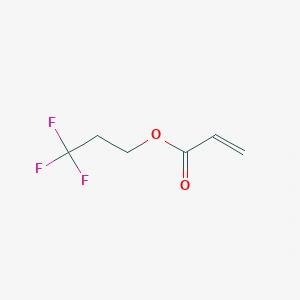
3 3 3 Trifluoropropyl Acrylate 65605 70 1 Structure

3,3,3-Trifluoropropyl acrylate

3,3,3-Trifluoropropyl acrylate (CAS 65605-70-1) is a specialized fluorinated monomer characterized by the presence of a trifluoromethyl group attached to a propyl chain, which is further esterified with acrylic acid. This chemical structure imparts unique physicochemical properties to the resulting polymers, including enhanced thermal stability, low surface energy, and improved resistance to chemical degradation. As a

3,3,3-Trifluoropropyl acrylate Read More »

REQUEST A QUOTE

Product Inquiry — Popup Form