English | 中文 | Español

Chemical Products

Strontium Fluoride 7783 48 4 Structure

Strontium fluoride

Strontium fluoride (CAS 7783-48-4) is a stable inorganic compound appearing as a white crystalline solid or fine powder. As a member of the alkaline earth halide family, it exhibits a high melting point and possesses a cubic crystal structure analogous to that of fluorite. It is characterized by its low solubility in water and exceptional

Strontium fluoride Read More »
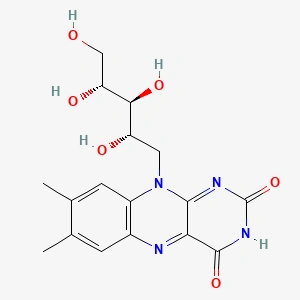
Riboflavin Vitamin B2 83 88 5 Structure

Riboflavin (Vitamin B2)

Riboflavin, also known as Vitamin B2, is a water-soluble micronutrient essential for cellular metabolism. Chemically identified as 7,8-dimethyl-10-(D-ribo-2,3,4,5-tetrahydroxypentyl)isoalloxazine, it typically presents as a yellow to orange-yellow crystalline powder. This compound is characterized by its distinct fluorescence and sensitivity to light, particularly in the ultraviolet spectrum, which necessitates careful handling and storage in opaque containers to

Riboflavin (Vitamin B2) Read More »

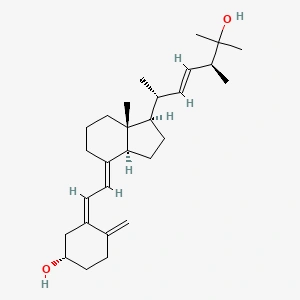
25 Hydroxyvitamin D2 21343 40 8 Structure

25-Hydroxyvitamin D2

25-Hydroxyvitamin D2, identified by CAS number 21343-40-8, is a crucial metabolic intermediate of Vitamin D2, also known as ergocalciferol. This compound is synthesized in the liver through the hydroxylation of Vitamin D2 by the enzyme 25-hydroxylase. As a major circulating form of Vitamin D2, it serves as a primary indicator for assessing nutritional status and

25-Hydroxyvitamin D2 Read More »

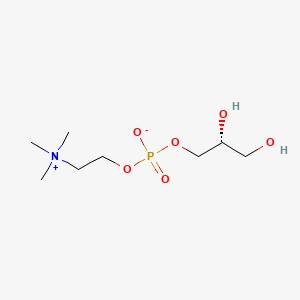
Choline Alfoscerate 28319 77 9 Structure

Choline alfoscerate

Choline alfoscerate, identified by CAS number 28319-77-9, is a naturally occurring choline compound and a critical phospholipid metabolite. Chemically known as L-alpha-glycerylphosphorylcholine, it serves as a highly bioavailable precursor to the neurotransmitter acetylcholine. The substance is characterized by its significant water solubility and hygroscopic properties, requiring stringent storage conditions in cool, dry environments to prevent

Choline alfoscerate Read More »

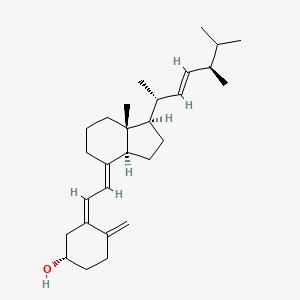
Vitamin D2 Ergocalciferol 50 14 6 Structure

Vitamin D2 (Ergocalciferol)

Vitamin D2, scientifically known as ergocalciferol, is a fat-soluble secosteroid belonging to the vitamin D family. It is synthesized through the photochemical activation of ergosterol, a sterol found in fungi, yeast, and certain plants, when exposed to ultraviolet radiation. Chemically, it is characterized by its crystalline structure and its solubility in organic solvents like ethanol

Vitamin D2 (Ergocalciferol) Read More »

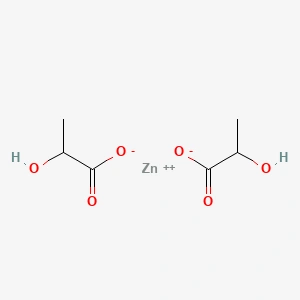
Zinc Lactate 16039 53 5 Structure

Zinc lactate

Zinc lactate, identified by CAS number 16039-53-5, is an organic zinc salt derived from lactic acid. It typically appears as a white to off-white crystalline powder or granular material. As a source of zinc, it is highly valued for its excellent solubility in water and superior bioavailability compared to inorganic zinc salts. This chemical characteristic

Zinc lactate Read More »

Ferrous Bisglycinate 20150 34 9 Structure

Ferrous bisglycinate

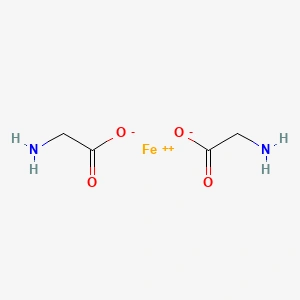
Ferrous bisglycinate, identified by CAS number 20150-34-9, is a high-quality iron chelate consisting of one ferrous ion coordinated with two molecules of the amino acid glycine. This chemical structure forms a stable, electrically neutral complex that protects the iron from reacting with other dietary components or oxidizing prematurely. It typically appears as a fine, free-flowing

Ferrous bisglycinate Read More »

Acetic Acid 64 19 7 Structure

Acetic Acid

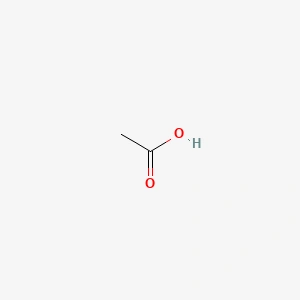
Acetic acid, identified by CAS 64-19-7, is a fundamental organic carboxylic acid characterized by its distinctive pungent odor and clear, colorless liquid state. In its concentrated form, often referred to as glacial acetic acid, it exhibits significant corrosive properties and requires stringent safety protocols during handling and storage. As a versatile chemical reagent, it serves

Acetic Acid Read More »

Isobutyl Acetate 110 19 0 Structure

Isobutyl Acetate

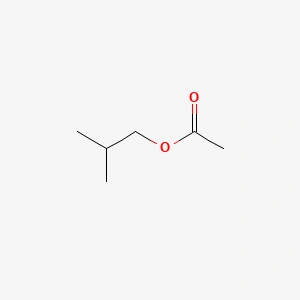
Isobutyl acetate, identified by CAS 110-19-0, is a clear, colorless liquid ester characterized by its distinct fruity, floral aroma, often compared to the scent of bananas or pears. As a structural isomer of n-butyl acetate, it offers a medium evaporation rate and excellent solvency for a wide range of resins, polymers, and oils. Its chemical

Isobutyl Acetate Read More »

Ammonium Fluoride 12125 01 8 Structure

Ammonium fluoride

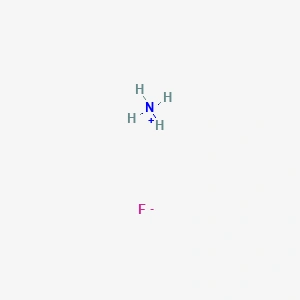
Ammonium fluoride, identified by CAS 12125-01-8, is an inorganic compound appearing as a white, deliquescent crystalline solid with a sharp, pungent odor. As the ammonium salt of hydrofluoric acid, it exhibits high solubility in water and forms slightly acidic solutions. This chemical is characterized by its reactivity and its tendency to decompose into ammonia and

Ammonium fluoride Read More »

Hydroxyapatite 1306 06 5 Structure

Hydroxyapatite

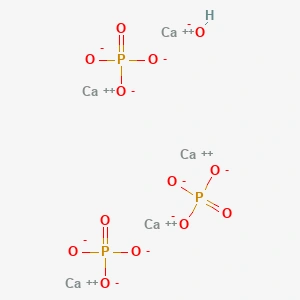
Hydroxyapatite, identified by CAS number 1306-06-5, is a naturally occurring mineral form of calcium apatite that serves as the primary inorganic component of vertebrate bone and tooth enamel. Chemically characterized by its crystalline structure and high calcium-to-phosphorus ratio, this material is highly valued for its exceptional biocompatibility and bioactivity. In its synthetic form, it typically

Hydroxyapatite Read More »

Sodium Ascorbate 134 03 2 Structure

Sodium ascorbate

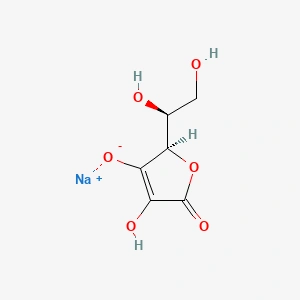
Sodium ascorbate, identified by CAS number 134-03-2, is the sodium salt of L-ascorbic acid and serves as a highly versatile chemical raw material. It typically appears as a white to pale yellow crystalline powder that is readily soluble in water. Chemically, it functions as a potent reducing agent and antioxidant, providing a more neutral pH

Sodium ascorbate Read More »

Carboxymethylcellulose Sodium 9004 32 4 Structure

Carboxymethylcellulose Sodium

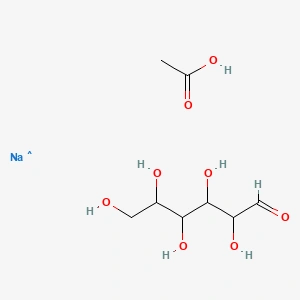
Carboxymethylcellulose Sodium (CMC-Na), identified by CAS 9004-32-4, is a prominent anionic cellulose ether derived from natural cellulose through a chemical modification process involving chloroacetic acid. This water-soluble polymer is characterized by its ability to form highly viscous solutions even at low concentrations, making it an essential rheology modifier in various industrial formulations. It typically presents

Carboxymethylcellulose Sodium Read More »

N Acetyl DL Methionine 1115 47 5 Structure

N-Acetyl-DL-Methionine

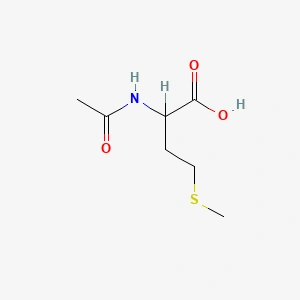
N-Acetyl-DL-Methionine is an acetylated derivative of the essential amino acid methionine, existing as a racemic mixture of the D and L enantiomers. It typically appears as a white crystalline powder and is characterized by its solubility in water and various organic solvents. This chemical modification enhances the overall stability of the parent amino acid, making

N-Acetyl-DL-Methionine Read More »

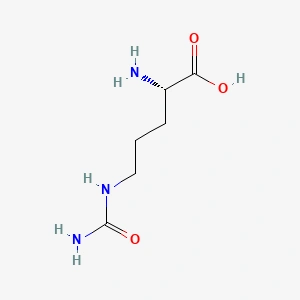
L Citrulline 372 75 8 Structure

L-Citrulline

L-Citrulline, identified by CAS number 372-75-8, is a naturally occurring alpha-amino acid that plays a critical role as an intermediate in the urea cycle. Chemically known as (2S)-2-amino-5-(carbamoylamino)pentanoic acid, it is characterized by its white crystalline appearance and high solubility in water. Unlike many other amino acids, it is not coded for by DNA but

L-Citrulline Read More »

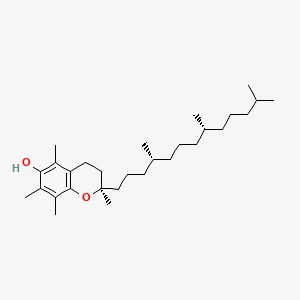
Alpha Tocopherol 59 02 9 Structure

Alpha-Tocopherol

Alpha-Tocopherol, identified by CAS number 59-02-9, is a naturally occurring fat-soluble compound and a primary form of Vitamin E. Characterized as a viscous, pale yellow to amber oil, it possesses a high degree of lipophilicity, making it readily miscible with organic solvents and oils. This chemical is renowned for its exceptional antioxidant capacity, which allows

Alpha-Tocopherol Read More »

REQUEST A QUOTE

Product Inquiry — Popup Form