Chapter 1: Technological Blueprint and Dermatological Efficacy of 3-O-Ethyl Ascorbic Acid
1.1 Summary
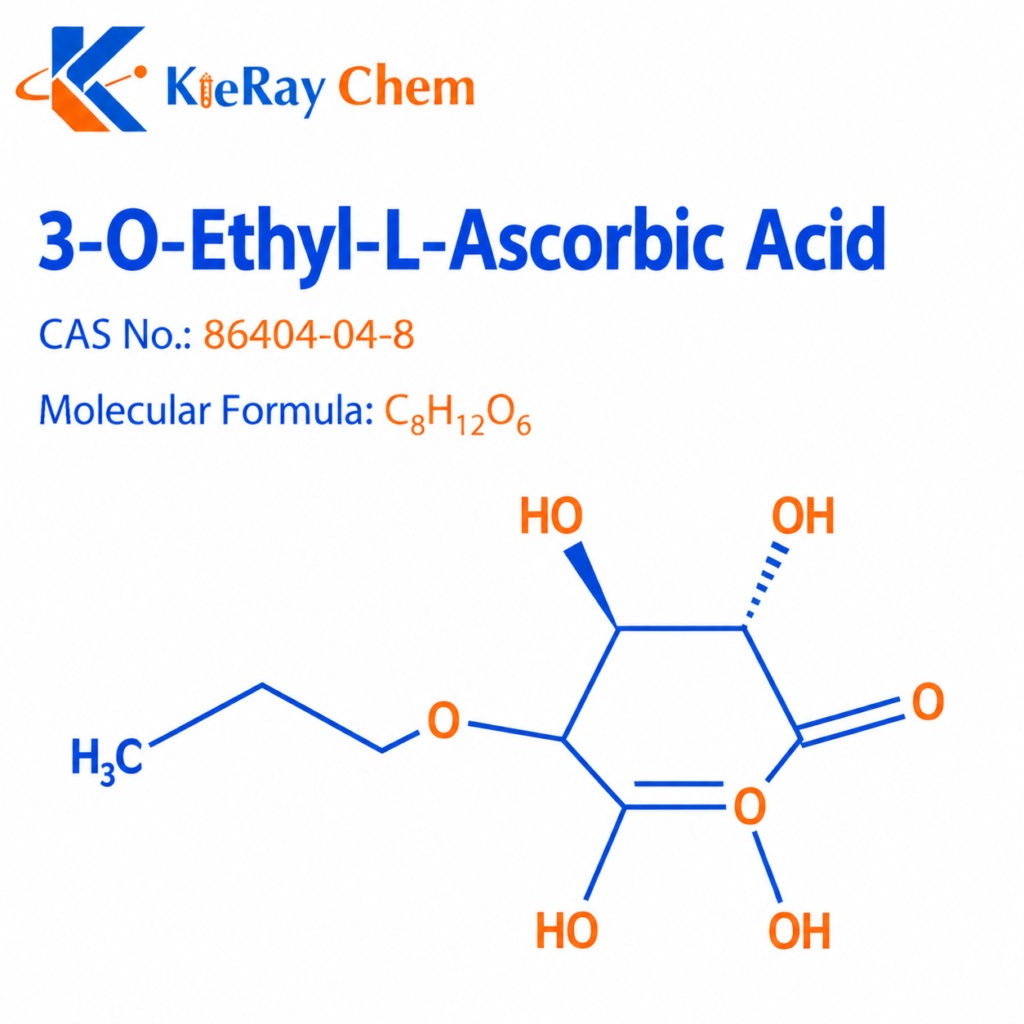
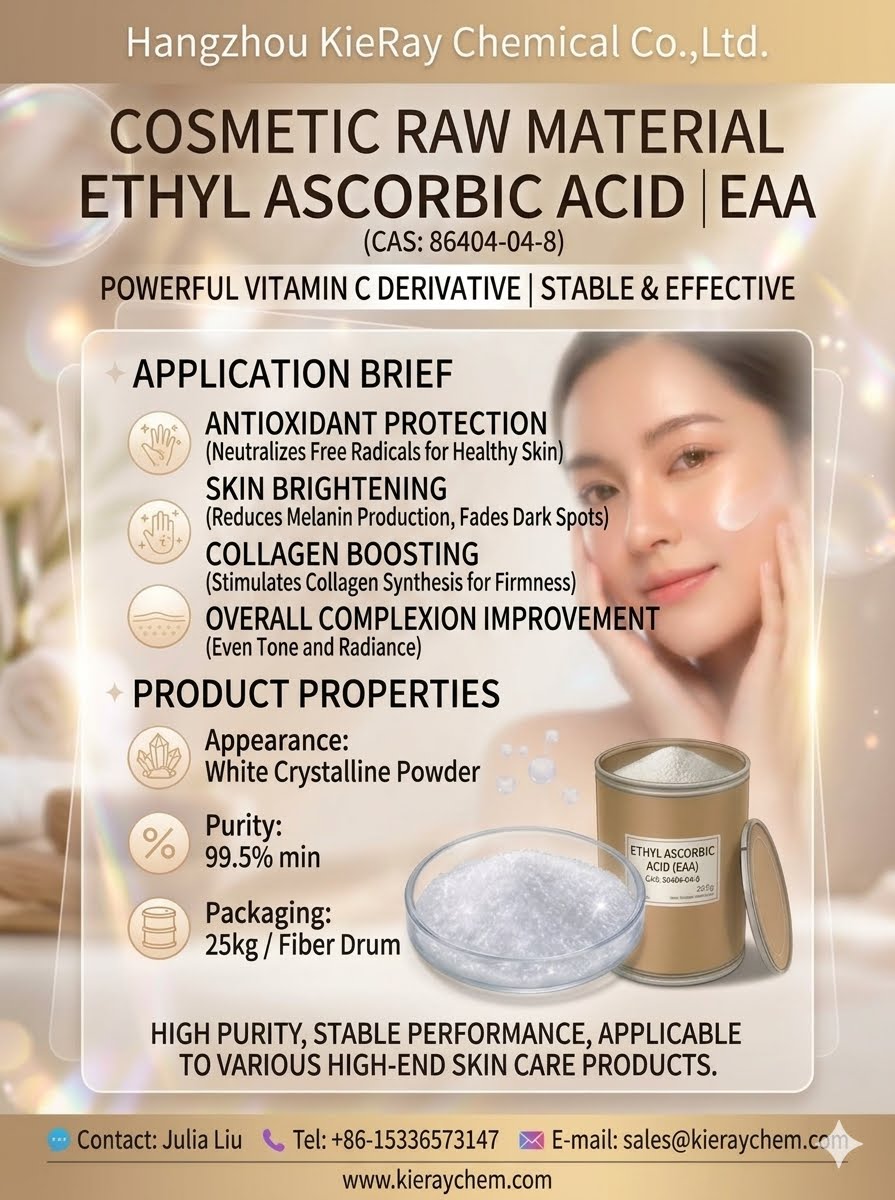
3-O-Ethyl Ascorbic Acid (CAS No. 86404-04-8), a highly stable, water-soluble ether derivative of L-ascorbic acid, serves as a primary active ingredient in modern cosmetic brightening formulations. Compared to native L-ascorbic acid, which is prone to rapid oxidative degradation and requires a strict low-pH environment (PH<=3.5)) that often induces cutaneous irritation, 3-O-ethyl ascorbic acid functions efficiently across a broader, biocompatible pH range. This formulation versatility bypasses the need for extreme acidity, ensuring excellent skin biocompatibility and compatibility with oily, dry, and mild sensitive skin typologies. Delivering robust efficacy in melanogenesis inhibition, hyperpigmentation reduction, free radical scavenging, and photoaging repair, it represents the foundational active ingredient in brightening serums, toners, and whitening emulsions.
1.2 Raw Material Specifications & Core Formulation Advantages
Molecular Mechanism & Physicochemical Stability
- Ether Modification: The introduction of an ethyl group at the C-3 position of the L-ascorbic acid skeleton structurally shields the enolic hydroxyl group from oxidation while preserving the core antioxidant bioactivity.
- pH Independence: Unlike native L-ascorbic acid, which degrades rapidly outside of highly acidic parameters, 3-O-ethyl ascorbic acid remains structurally stable in neutral to weakly acidic aqueous systems.
- Transdermal Kinetics: Its amphiphilic molecular properties allow it to efficiently penetrate the stratum corneum barrier to reach the melanocytes in the basal layer of the epidermis.
- Optimized Tolerability: The molecule significantly reduces the risks of erythema, dryness, and neurosensory stinging commonly associated with native L-ascorbic acid, facilitating high industrial process tolerance and long-term product shelf-life.
Core Formulation Matrix
- Aqueous Compatibility: Its highly water-soluble nature makes it ideal for transparent water-based vehicles, including toners, serums, and sheet-mask essences, providing a lightweight skin feel.
- Broad Formulation Latitude: The elimination of low-pH requirements allows for seamless compounding with a wide variety of pH-sensitive functional actives.
- Color Stability: It exhibits superior resistance to thermal and oxidative discoloration, preventing the yellowing of cosmetic finished products.
- Barrier Preservation: The bio-friendly profile ensures that long-term application does not disrupt the integrity of the epidermal permeability barrier.
1.3 Eightfold Dermatological Mechanism of Action
1. Tyrosinase Inhibition & Melanogenesis Blockade
- Downregulates tyrosinase catalytic activity to inhibit dopaquinone synthesis.
- Disrupts the melanogenesis cascade at the source to correct ultraviolet (UV)-induced tanning and uneven skin tone.
2. Resolution of Post-Inflammatory Hyperpigmentation (PIH)
- Accelerates the metabolic clearance of residual epidermal pigment deposits.
- Targets post-acne and post-dermatitis erythema and hyperpigmentation, making it highly suitable for acne-prone skin.
3. Free Radical Scavenging & Anti-Carbonylation
- Neutralizes reactive oxygen species (ROS) induced by UV radiation, blue light, and atmospheric pollutants.
- Mitigates lipid peroxidation and skin dullness caused by sleep deprivation.
4. Collagen Synthesis Regulation & Anti-Chronological Aging
- Acts as an essential cofactor for prolyl and lysyl hydroxylases, driving neocollagenesis within the dermal matrix.
- Improves dermal density to alleviate fine lines induced by xerosis and structural laxity.
5. Photoprotection & Photo-Injury Repair
- Alleviates post-sun exposure erythema, inflammation, and cellular stress.
- Counters long-term photoaging, including deep hyperpigmentation and structural degradation.
6. Desquamation Kinetics & Micro-Relief Refinement
- Supports organized keratinocyte differentiation and orderly desquamation of the stratum corneum.
- Eliminates superficial rough texture to improve skin optical translucency.
7. Mitigation of Micro-Inflammation
- Attenuates low-grade inflammatory cascades triggered by acne lesions or environmental stressors.
- Reduces localized cutaneous heat sensations and transient erythema.
8. Synergistic Formulations
- Integrates seamlessly into multi-target pathways, working alongside diverse active networks to build comprehensive skin-lightening systems.
1.4 Skin Typology Application Matrix & Synergistic Systems
| Target Skin Typology | Recommended Vehicle & Indications | Operational Concentration | Synergistic Active Ingredients | Clinical Administration Protocol |
|---|---|---|---|---|
| Oily / Combination & Acne-Prone | Brightening Serums, Sebum-Regulating Toners, Post-Acne Repair Essences | 2.0% – 5.0% | Niacinamide (CAS No. c) Quaternium-73 (CAS No. 15763-48-1) | Diurnal and nocturnal application; prioritize lightweight aqueous vehicles to prevent pore occlusion; target PIH areas to resolve post-inflammatory hyperpigmentation. |
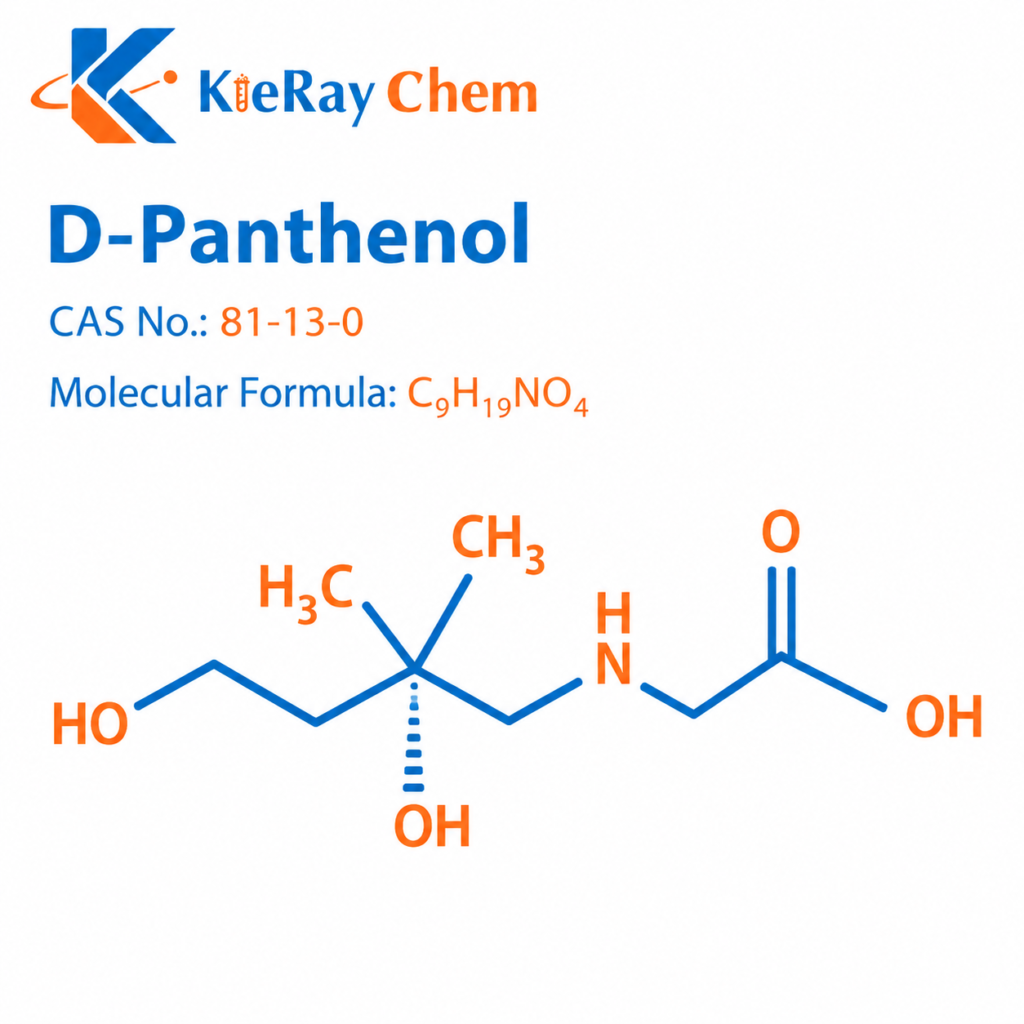
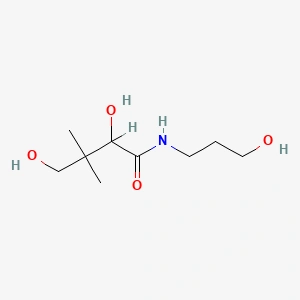
| Dry / Combination Dry & Photoaged | Hydrating Brightening Serums, Nourishing Emulsions | 1.5% – 4.0% | Panthenol (CAS No. 81-13-0) Phytosteryl Isostearate (CAS No. 138350-93-1) | Nocturnal application; combine with lipid-replenishing agents to optimize epidermal moisture retention and mitigate potential retinoid-like dryness. |
| Mild Sensitive & Compromised Barrier | High-Tolerability Brightening & Repairing Serums | 0.5% – 2.0% | Bisabolol (CAS No. 515-69-5) Ectoin (CAS No. 96702-61-1) | Micro-dose initiation; apply on alternating nights while avoiding acute inflammatory phases; scale to daily application only after confirming skin tolerability. |
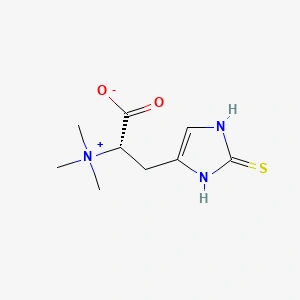
| Fatigued & Digitally Stressed | Diurnal Antioxidant Serums, Protective Primers / Base Liquids | 1.0% – 4.0% | Ergothioneine (CAS No. 497-30-3) Ethyl Ferulate (CAS No. 4046-03-3) | Diurnal application under sunscreen; designed to neutralize atmospheric oxidative stress and eliminate sleep-deprivation dullness. |
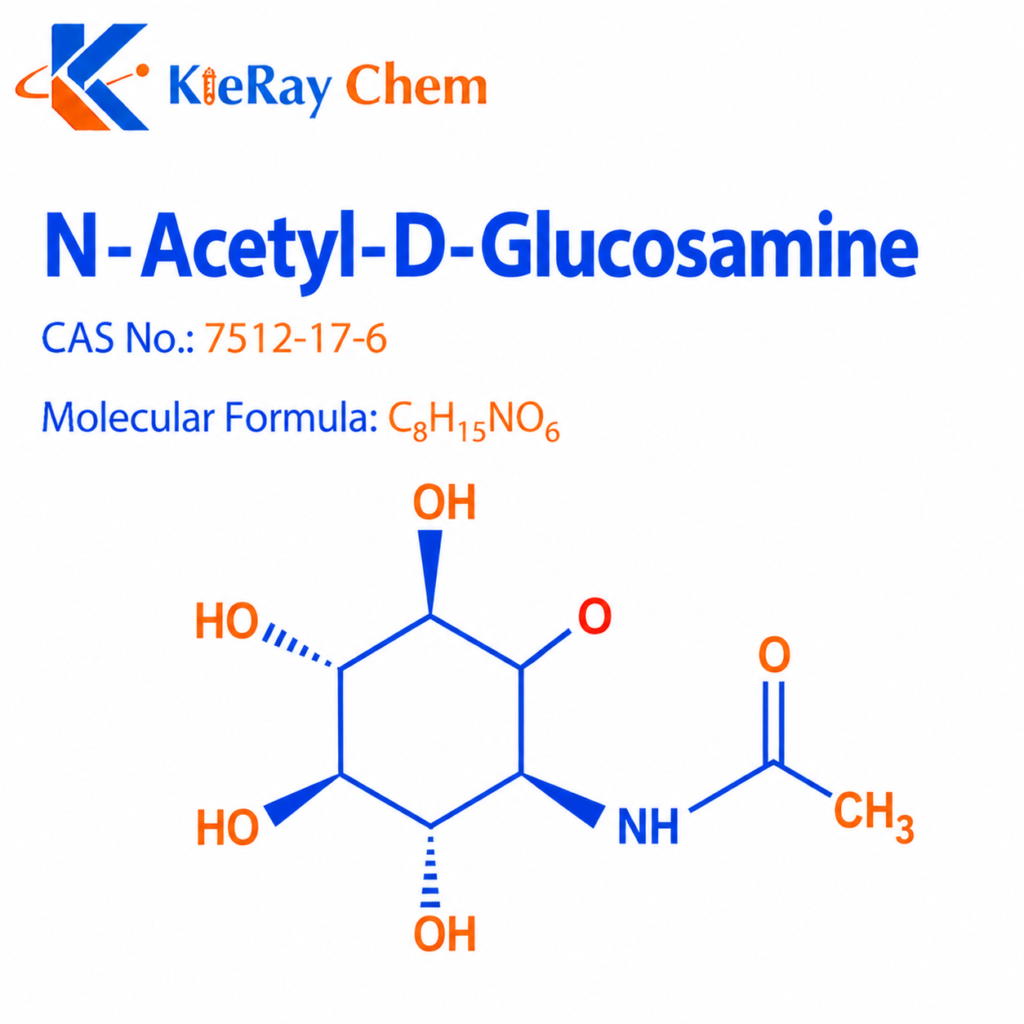
| Normal / Balanced & Maintenance | Daily Radiance Serums, Conditioning Toners | 1.0% – 3.0% | Trehalose (CAS No. 99-20-7) Acetyl Glucosamine (CAS No. 7512-17-6) | Continuous daily maintenance to suppress baseline melanogenesis and delay the onset of chronological and photo-induced skin aging. |
1.5 Transdermal Penetration Kinetics & Comparative Efficacy Matrix
To optimize modern cosmetic engineering, 3-O-Ethyl Ascorbic Acid (CAS No. 86404-04-8) can be integrated directly into a comparative analysis with traditional L-ascorbic acid derivatives.
Transdermal Absorption Kinetics
The transdermal efficiency of Vitamin C derivatives is strictly dictated by their molecular weight, structural modifications, and amphiphilic balance). While native L-ascorbic acid possesses an optimal molecular weight, its extreme hydro-affinity and low stability limit structural bioavailability unless formulated at a highly damaging low pH (PH<=3.5)).
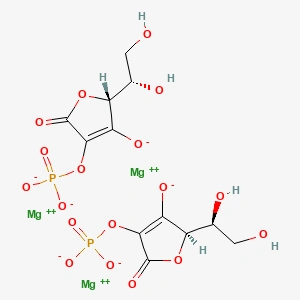
3-O-Ethyl Ascorbic Acid (EAA) features a strategic ether modification at the C-3 position. This structural design strikes a balance between hydrophilicity and lipophilicity (log P 0.5 – 1.5)), allowing it to directly bypass the lipid-rich stratum corneum barrier without mandatory prior enzymatic cleavage. Experimental in vitro skin permeation studies utilizing Franz diffusion cells indicate that EAA demonstrates an exceptional cumulative transdermal flux. It retains more than 10–12% of the applied dose within the viable epidermis and dermis within 24 hours. In contrast, highly hydrophilic salts like Magnesium Ascorbyl Phosphate rely on active transport or skin barrier disruption to cross intact skin matrices.
Comparative Technical Matrix: EAA vs. Common Vitamin C Derivatives
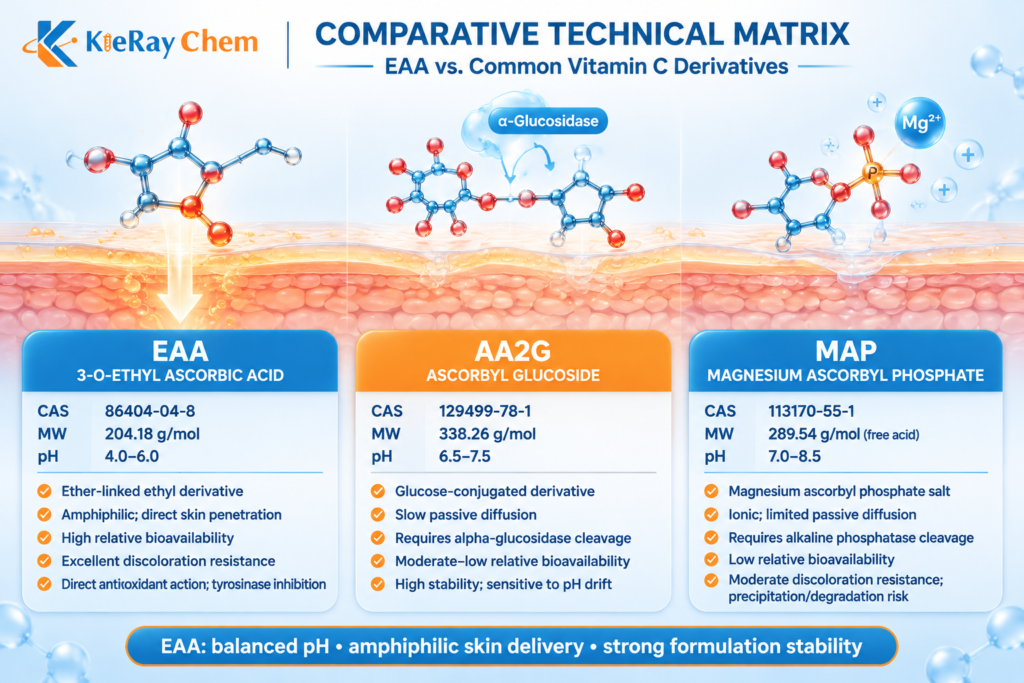
The table below provides a direct structural and functional comparison of 3-O-Ethyl Ascorbic Acid against Ascorbyl Glucoside (AA2G) and Magnesium Ascorbyl Phosphate (MAP):
| Technical Parameter | 3-O-Ethyl Ascorbic Acid (EAA) | Ascorbyl 2-Glucoside (AA2G) | Magnesium Ascorbyl Phosphate (MAP) |
|---|---|---|---|
| CAS Registry Number | CAS No. 86404-04-8 | CAS No. 129499-78-1 | CAS No. 113170-55-1 |
| Molecular Structure | Ether-linked alkyl derivative | Ester-linked glucose conjugate | Magnesium salt of ascorbyl phosphate ester |
| Molecular Weight | 204.18 g/mol | 338.26 g/mol | 289.54 g/mol (free acid) |
| Optimal Formulation pH | 4.0 – 6.0 (Broad compatibility) | 6.5 – 7.5 (Requires neutrality) | 7.0 – 8.5 (Requires alkaline/neutrality) |
| Transdermal Mechanism | Direct penetration via amphiphilic paths; no mandatory cleavage needed for basic antioxidant action. | Slow passive diffusion; requires epidermal alpha -glucosidase cleavage to release free VC. | Poor passive diffusion due to ionic charge; requires skin alkaline phosphatase cleavage. |
| Relative Bioavailability | High; rapid onset due to direct cellular utilization and lipophilic balance. | Moderate-Low; limited by the rate of enzymatic hydrolysis in skin layers. | Low; constrained by high molecular hydrophilicity and poor stratum corneum flux. |
| Discoloration Resistance | Excellent; highly stable against thermal and oxidative yellowing. | High; stable in solution but highly sensitive to pH drifts outside neutral zones. | Moderate; prone to precipitation and gradual degradation in aqueous systems. |
| Primary Target Efficacy | In-situ tyrosinase inhibition, deep-tissue collagen synthesis, rapid ROS scavenging. | Sustained-release brightening, radical scavenging over extended timelines. | Mild melanin inhibition, suited for low-activity sensitive skin stabilization. |
Chapter 2: Molecular Mechanisms of Action and Intracellular Signaling Pathways
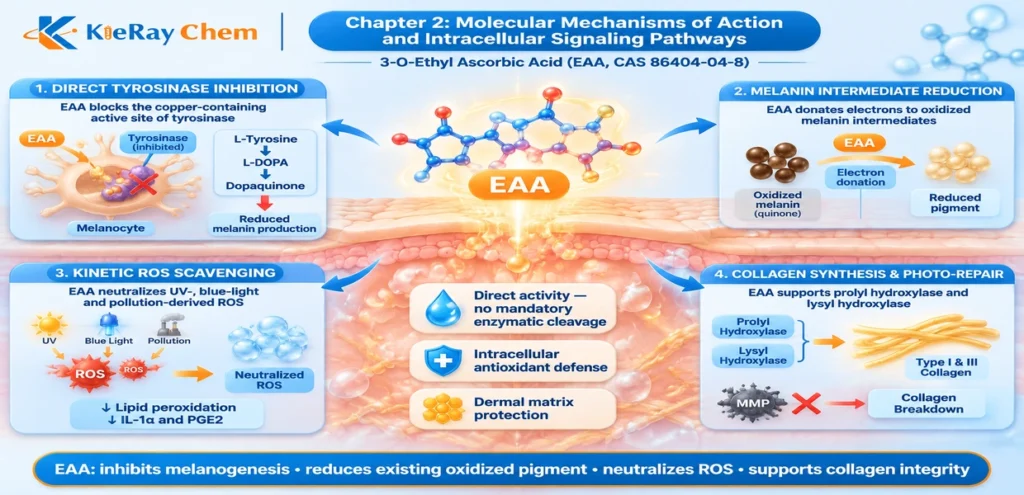
2.1 Direct In-Situ Inhibition of Tyrosinase Catalytic Activity
The primary depigmenting efficacy of 3-O-Ethyl Ascorbic Acid (CAS No. 86404-04-8) relies on its exceptional capacity to target tyrosinase, the rate-limiting enzyme in melanogenesis. Unlike traditional derivatives that function as pro-drugs requiring initial metabolic cleavage, the chemical structure of 3-O-Ethyl Ascorbic Acid allows it to act directly in its native form. Within the melanocytes, it competitively binds to the active copper-containing catalytic site of tyrosinase, blocking the oxidation of L-tyrosine to L-DOPA and the subsequent conversion of L-DOPA to dopaquinone, thereby suppressing synthesis pathways from the baseline.
2.2 Reduction Kinetics of Melanin Intermediates
Beyond upstream enzyme inhibition, 3-O-Ethyl Ascorbic Acid exhibits highly efficient chemical reducing capacity within the epidermal matrix. It interacts directly with pre-existing, deeply colored oxidized melanin polymers and intermediate quinone compounds. By transferring electrons to these chromophores, it reverses their oxidative state, converting dark eumelanin back into light-colored reduced forms or colorless precursors, providing a rapid clinical resolution for visible post-inflammatory hyperpigmentation (PIH) and localized skin darkening.
2.3 Kinetic Scavenging of Reactive Oxygen Species (ROS)
3-O-Ethyl Ascorbic Acid serves as a potent, amphiphilic antioxidant within the cutaneous environment. It efficiently neutralizes intracellular singlet oxygen, superoxide anions, and hydroxyl radicals induced by ultraviolet (UV) radiation, high-energy visible blue light, and atmospheric xenobiotics. By terminating lipid peroxidation cascades in cell membranes, it protects keratinocytes from oxidative stress and downregulates the downstream secretion of inflammatory cytokines, including interleukin-1 alpha (IL-1a) and prostaglandin E2 (PGE2), which are known to trigger secondary melanocyte proliferation.
2.4 Regulation of Dermal Neocollagenesis and Photo-Injury Repair
At the dermal level, 3-O-Ethyl Ascorbic Acid acts as an indispensable conformational cofactor for prolyl hydroxylase and lysyl hydroxylase enzymes. This enzymatic activation is mandatory for the stabilization and triple-helix assembly of procollagen fibers. By upregulating collagen Type I and Type III transcription while simultaneously suppressing matrix metalloproteinases (MMPs) induced by chronic photo-injury, the molecule preserves the structural integrity of the extracellular matrix, successfully counteracting chronological wrinkles, solar elastosis, and structural laxity.
Chapter 3: Synergistic Formulations, Concentration Constraints, and Stability Guidelines
3.1 Comprehensive Synergistic Formulation Matrix
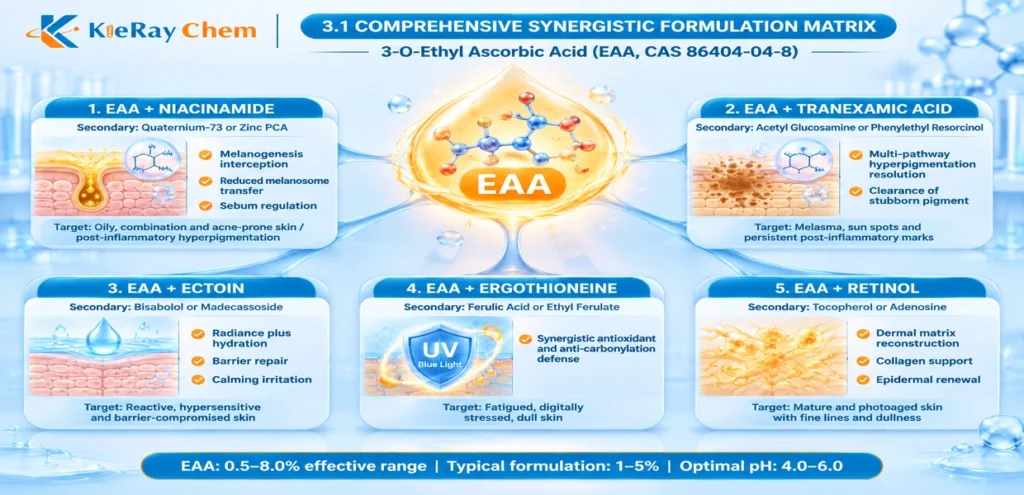
To optimize modern cosmetic engineering and address diverse skin concerns, 3-O-Ethyl Ascorbic Acid (CAS No. 86404-04-8) can be compounded into various advanced multi-target synergistic networks. The table below outlines the expanded primary active combinations, their underlying biological mechanisms, and target skin indications.
| Core Active Pairings | Secondary Active Additions | Primary Biological Mechanism | Target Skin Typology & Clinical Indications |
|---|---|---|---|
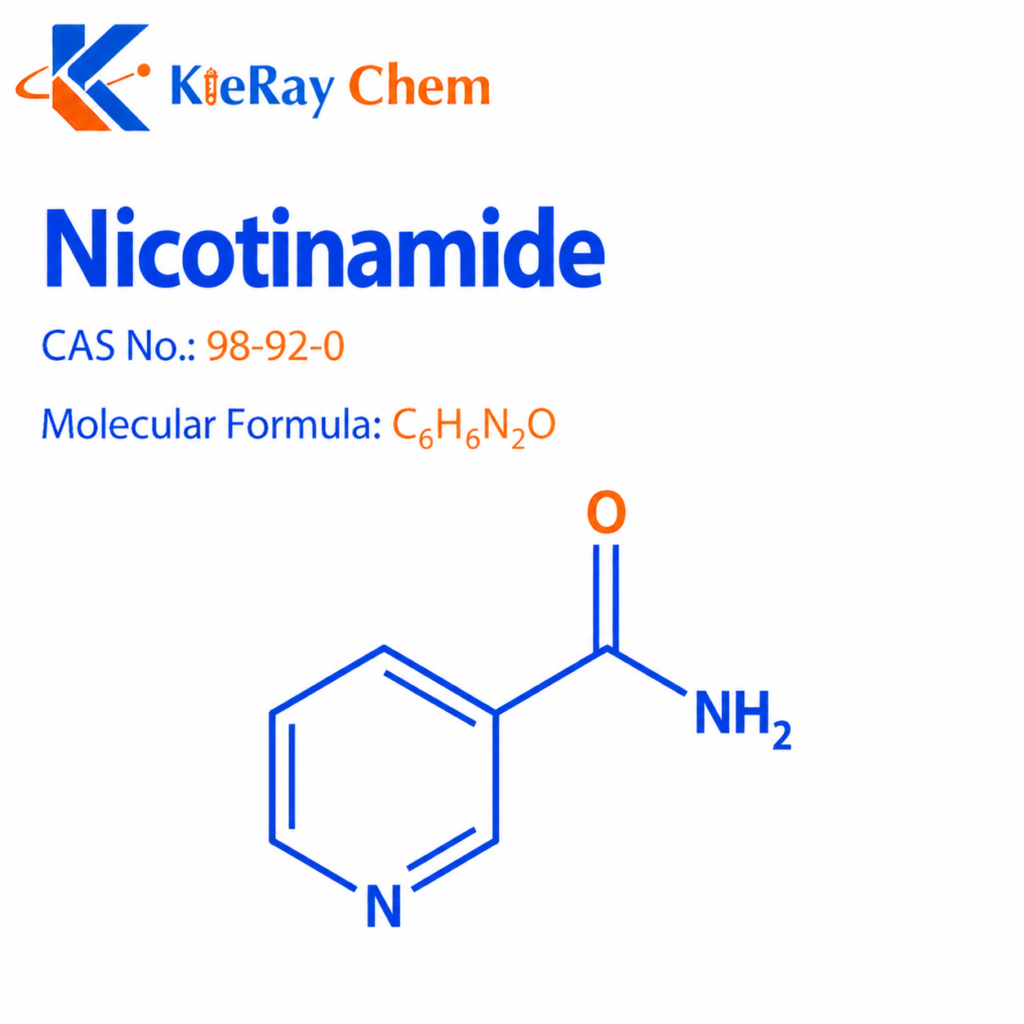
| 3-O-Ethyl Ascorbic Acid + Niacinamide (CAS No. 98-92-0) | Quaternium-73 (CAS No. 15763-48-1) or Zinc PCA (CAS No. 15454-75-8) | Melanogenesis Interception & Sebum Regulation Matrix: Downregulates tyrosinase catalytic activity at the source while blocking melanosome transfer to keratinocytes and suppressing sebaceous lipid synthesis. | Oily, combination, and acne-prone skin; targeted resolution of post-inflammatory hyperpigmentation (PIH) and oxidative sebum dullness. |
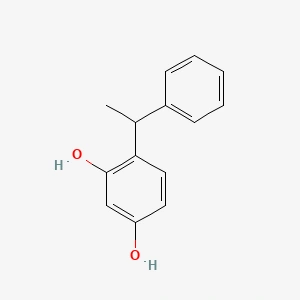
| 3-O-Ethyl Ascorbic Acid + Tranexamic Acid (CAS No. 1197-18-9) | Acetyl Glucosamine (CAS No. 7512-17-6) or Phenylethyl Resorcinol (CAS No. 85-27-8) | Multi-Pathway Hyperpigmentation Resolution: Mitigates ultraviolet (UV) and inflammatory mediators that trigger melanocyte activation, accelerating the metabolic clearance of stubborn epidermal pigment deposits. | Melasma, UV-induced solar lentigines, and persistent post-inflammatory dark marks. |
| 3-O-Ethyl Ascorbic Acid + Ectoin (CAS No. 96702-61-1) | Bisabolol (CAS No. 515-69-5) or Madecassoside (CAS No. 345909-34-4) | Radiance Induction & Barrier Repair Complex: Forms a stabilizing hydro-complex around epidermal cell membranes to lower neurosensory irritation while delivering non-acid-dependent brightening. | Reactive, hyper-sensitive, and barrier-compromised skin typologies. |
| 3-O-Ethyl Ascorbic Acid + Ergothioneine (CAS No. 497-30-3) | Ferulic Acid (CAS No. 1135-24-6) or Ethyl Ferulate (CAS No. 4046-03-3) | Diurnal Anti-Oxidative & Anti-Carbonylation Network: Establishes a high-capacity kinetic scavenger system against reactive oxygen species (ROS) induced by blue light, UV radiation, and atmospheric pollution. | Fatigued, digitally stressed skin, and sleep-deprivation dullness (sallow/yellow skin tone). |
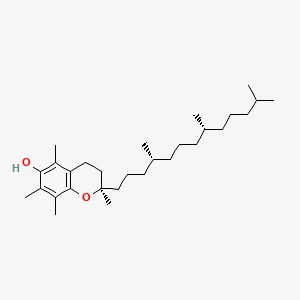
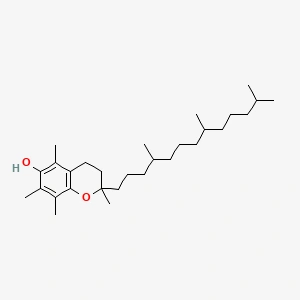
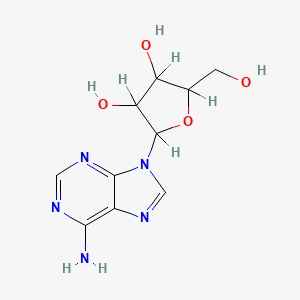
| 3-O-Ethyl Ascorbic Acid + Retinol (CAS No. 68-26-8) | Tocopherol (CAS No. 59-02-9) or Adenosine (CAS No. 58-61-7) | Dermal Matrix Reconstruction & Anti-Aging Synergy: Stimulates neocollagenesis within the dermal matrix through prolyl hydroxylase activation while accelerating epidermal cell turnover to shed hyperpigmented keratinocytes. | Chronologically aged and photoaged skin exhibiting structural laxity, fine lines, and deep-seated dullness. |
3.2 Dose Optimization, Storage Parameters, and Incompatibility Protocols
3.2.1 Operational Concentration Thresholds
The clinically effective concentration range spans from 0.5% to 8.0%, with standard commercial cosmetic formulations optimizing at a 1.0% to 5.0% threshold. Exceeding an 8.0% concentration threshold yields diminishing dermatological benefits while significantly elevating the risk of neurosensory stinging, erythema, and transient skin irritation.
3.2.2 Storage Protocols and Stability Maintenance
Although 3-O-Ethyl Ascorbic Acid exhibits superior thermodynamic and oxidative stability compared to native L-ascorbic acid, it remains susceptible to gradual kinetic degradation when exposed to prolonged thermal stress. Finished formulations should be housed in opaque or actinic light-blocking packaging. Products must be stored away from elevated temperatures to ensure long-term chemical stability and maximize shelf-life.
3.2.3 Formulation pH and Incompatibility Boundaries
The ingredient requires a stable formulation environment maintained within a weakly acidic to neutral parameter (pH 4.0 to 6.0). Incorporating high-concentration, highly alkaline raw materials must be avoided, as basic environments accelerate structural degradation and destabilize the ether linkage.
3.2.4 Clinical Administration and Layering Restrictions
- Photoprotection Requirements: Diurnal application of this active must be accompanied by a broad-spectrum sunscreen. Unprotected ultraviolet (UV) radiation triggers continuous melanogenesis, which compromises the clinical efficacy of the brightening agent.
- Layering Constraints: Compounding or concurrently layering multiple aggressive active systems is discouraged. Formulations containing 3-O-Ethyl Ascorbic Acid should not be applied frequently alongside high-concentration Alpha Hydroxy Acids (AHAs) or low-pH native L-ascorbic acid to avoid cumulative skin barrier disruption and localized cutaneous inflammation.
Chapter 4: Critical Technical Clarifications and Corrective Formulation Adjustments
4.1 Clinical Efficacy Versus Native L-Ascorbic Acid
- Myth: 3-O-Ethyl Ascorbic Acid (CAS No. 86404-04-8) yields inferior clinical efficacy compared to native L-ascorbic acid.
- Scientific Clarification: Native L-ascorbic acid exhibits rapid kinetic potency at high clinical concentrations. However, its low stability leads to rapid oxidative discoloration, and its reliance on a low-pH matrix (pH less than or equal to 3.5) causes significant cutaneous barrier disruption, neurosensory stinging, and erythema. 3-O-Ethyl Ascorbic Acid balances sustained thermodynamic stability with excellent bio-tolerability. It functions efficiently within a biocompatible pH range (pH 4.0 to 6.0), making it an optimal choice for long-term daily brightening regimes.
- Corrective Adjustment Measures: In advanced cosmetic design, formulate 3-O-Ethyl Ascorbic Acid within its optimal range of 2.0% to 5.0%. To achieve a fast-acting clinical profile comparable to native Vitamin C without the associated irritation, couple it with biomimetic barrier-repair lipids, such as Ceramide NP (CAS No. 100403-19-8), or mild desquamation accelerators like Acetyl Glucosamine (CAS No. 7512-17-6).
4.2 Transdermal Permeation Pathways and Bioavailability - Myth: Being a water-soluble derivative, 3-O-Ethyl Ascorbic Acid is restricted to superficial stratum corneum layers.
- Scientific Clarification: The structural insertion of an ethyl group at the C-3 position modifies the intrinsic polar surface area of the core L-ascorbic acid molecule. This structural modification creates an amphiphilic balance (log P approximately 0.5 to 1.5). This allows the molecule to partition efficiently into the lipophilic intercellular lipid matrices of the stratum corneum and diffuse into the deeper viable epidermis to reach active melanocytes.
- Corrective Adjustment Measures: To maximize transdermal flux and target deep-seated basal-layer melanogenesis, incorporate chemical permeation enhancers into the vehicle matrix. Suitable options include Ethoxydiglycol (CAS No. 111-90-0) or Isosorbide Dimethyl Ether (CAS No. 5306-85-4), which optimize partition coefficients without disrupting epidermal barrier integrity.
4.3 Photostability and Diurnal Administration Guidelines - Myth: Formulations containing 3-O-Ethyl Ascorbic Acid cannot be applied during daylight hours due to phototoxicity concerns.
- Scientific Clarification: The molecule is non-phototoxic and non-photoallergic. It does not undergo UV-induced photochemical degradation into reactive toxic intermediates. Applying it diurnally is beneficial because its antioxidant properties neutralize reactive oxygen species (ROS) induced by ultraviolet radiation. However, unprotected UV exposure triggers secondary melanogenesis, which compromises the ingredient’s clinical efficacy.
- Corrective Adjustment Measures: Instruct end-users to combine daytime applications with a broad-spectrum, high-SPF sunscreen. In the formulation phase, stabilize the active network against extreme solar stress by co-formulating with oil-soluble lipophilic antioxidants, such as Tocopheryl Acetate (CAS No. 7695-91-2), to establish a comprehensive dual-phase antioxidant defense system.
4.4 Functional Differentiation Among Vitamin C Derivatives - Myth: All Vitamin C derivatives exhibit uniform physicochemical properties and identical biological pathways.
- Scientific Clarification: Vitamin C derivatives differ significantly in their solubility profiles, molecular weights, transdermal kinetics, and conversion mechanisms. For instance, Ascorbyl Glucoside (AA2G, CAS No. 129499-78-1) relies on enzymatic cleavage by alpha-glucosidase, whereas Magnesium Ascorbyl Phosphate (MAP, CAS No. 113170-55-1) requires alkaline phosphatase hydrolysis. 3-O-Ethyl Ascorbic Acid operates primarily as a water-soluble active that can directly inhibit tyrosinase in its native form. This distinguishes it from highly lipophilic alternatives like Tetrahexyldecyl Ascorbate (CAS No. 183476-82-6), which target cell membrane lipid peroxidation and sebum oxidation.
- Corrective Adjustment Measures: Formulators should design specific vehicle bases based on the chosen derivative’s properties. For a lightweight skin feel and fast-acting epidermal radiance, select water-soluble 3-O-Ethyl Ascorbic Acid for aqueous toners or hydro-serums. For deep dermal anti-aging or rich emollient formulations, combine it with or pivot toward oil-soluble Tetrahexyldecyl Ascorbate to create a multi-depth, broad-spectrum skin-lightening matrix.