English | 中文 | Español

Chemical Products

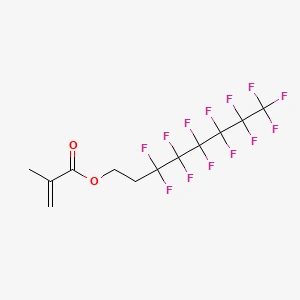
Tridecafluorooctyl methacrylate

Tridecafluorooctyl methacrylate, identified by CAS 2144-53-8, is a high-performance fluorinated monomer characterized by its unique perfluorinated side chain. This clear, colorless liquid serves as a critical building block in the synthesis of specialized polymers and copolymers. Its molecular structure incorporates a methacrylate group that facilitates radical polymerization, while the tridecafluorooctyl moiety imparts exceptional low surface

Tridecafluorooctyl methacrylate Read More »
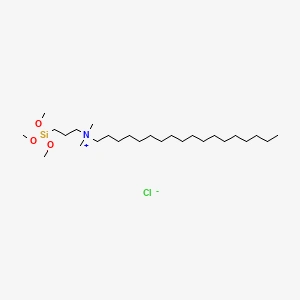
DMOAP

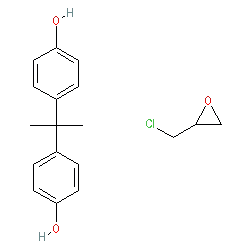
DMOAP, chemically identified by CAS 27668-52-6, is a functionalized organosilicon compound featuring a long-chain alkyl group and a quaternary ammonium moiety. It typically exists as a clear to slightly amber liquid, often stabilized in a solvent like methanol. This molecule is characterized by its dual functionality: the trimethoxysilyl group allows for covalent bonding to various

DMOAP Read More »

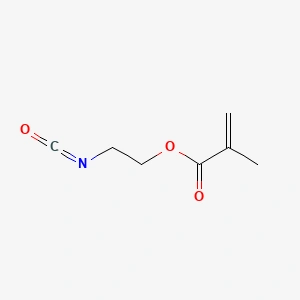
2-Isocyanatoethyl Methacrylate

2-Isocyanatoethyl Methacrylate, identified by CAS number 30674-80-7, is a sophisticated heterobifunctional monomer that integrates both a reactive isocyanate group and a polymerizable methacrylate group within a single molecule. This dual functionality makes it an invaluable tool for chemical synthesis, allowing for the precise modification of polymers and the creation of hybrid materials that combine the

2-Isocyanatoethyl Methacrylate Read More »

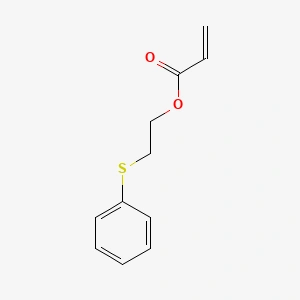
Phenylthioethyl acrylate

Phenylthioethyl acrylate, identified by CAS number 95175-38-5, is a specialized monofunctional monomer characterized by the presence of a thioether linkage and a phenyl group. This unique molecular architecture imparts specific physical properties, most notably a high refractive index and excellent compatibility with various resin systems. As a liquid monomer, it exhibits relatively low viscosity, making

Phenylthioethyl acrylate Read More »

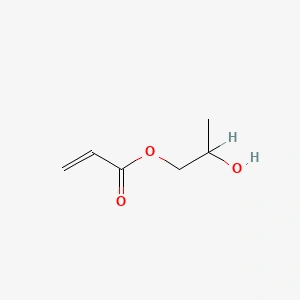
2-Hydroxypropyl acrylate

2-Hydroxypropyl acrylate (HPA), identified by CAS 999-61-1, is a versatile monofunctional monomer characterized by the presence of both a reactive acrylate group and a hydroxyl group. This clear, colorless liquid is highly valued in polymer chemistry for its ability to impart specific functional properties to synthetic resins. Its dual-functional nature allows it to participate in

2-Hydroxypropyl acrylate Read More »

2-Ethylhexyl acrylate

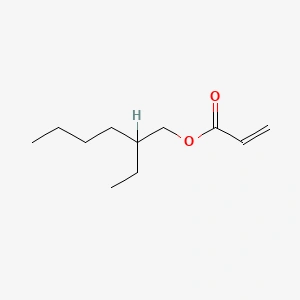
2-Ethylhexyl acrylate, identified by CAS number 103-11-7, is a versatile acrylate monomer characterized as a clear, colorless liquid with a distinctive, sharp odor. This hydrophobic ester is widely utilized in the production of homopolymers and copolymers, where it imparts essential properties such as internal plasticization, low-temperature flexibility, and excellent water resistance. Due to its low

2-Ethylhexyl acrylate Read More »

Glycidyl methacrylate

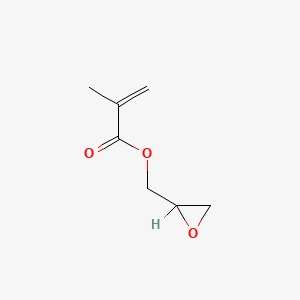
Glycidyl methacrylate, identified by CAS 106-91-2, is a versatile and highly reactive bifunctional monomer characterized by the presence of both an epoxy group and a polymerizable vinyl group. This unique chemical structure allows it to undergo a wide range of chemical reactions, including free-radical polymerization through the methacrylate double bond and ring-opening reactions via the

Glycidyl methacrylate Read More »
Secoisolariciresinol diglucoside

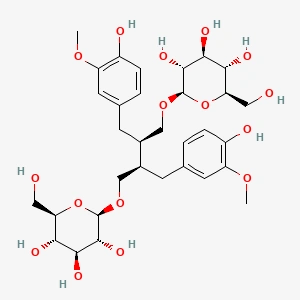
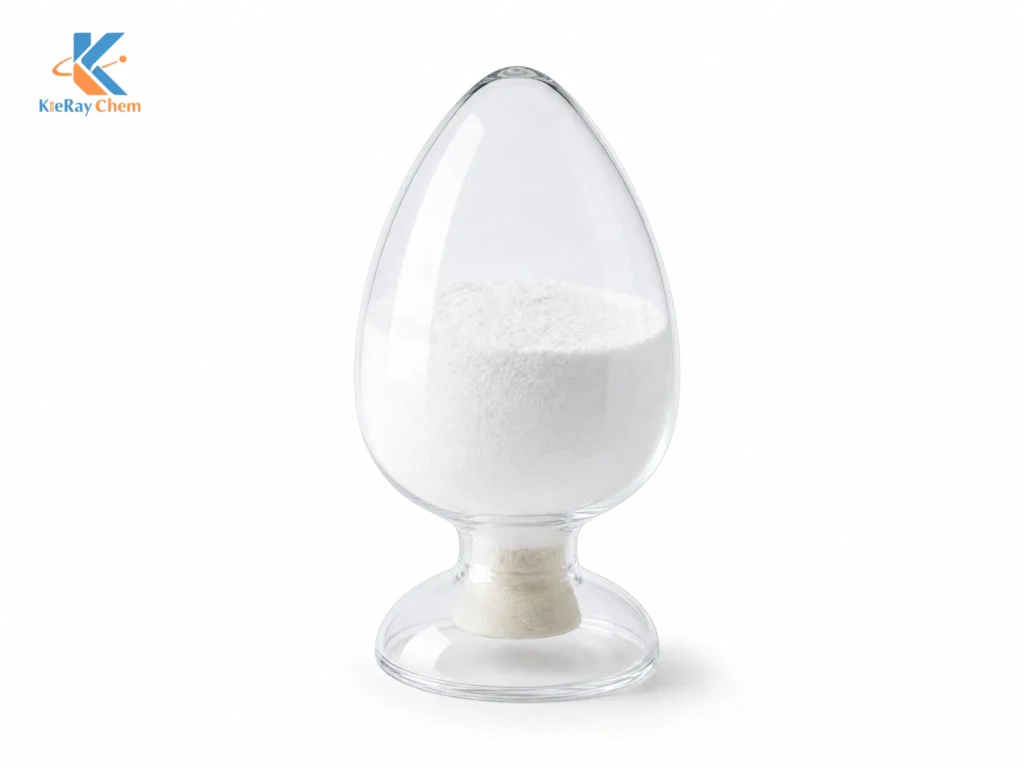
Secoisolariciresinol diglucoside, commonly identified by CAS 148244-82-0, is a prominent plant-derived lignan most notably concentrated in flaxseeds. As a glycosylated phenolic compound, it serves as a primary precursor to mammalian lignans enterodiol and enterolactone upon ingestion. In its purified form, it typically appears as a light-colored powder and is recognized for its significant antioxidant potential

Secoisolariciresinol diglucoside Read More »

Ethyl dimethylaminoacrylate

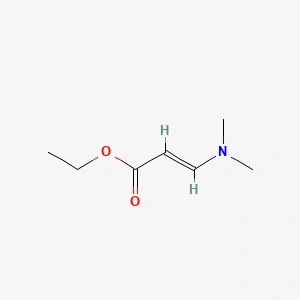
Ethyl dimethylaminoacrylate, identified by CAS number 924-99-2, is a versatile organic building block characterized by its acrylate backbone substituted with a dimethylamino group. This clear to pale yellow liquid serves as a reactive intermediate in various chemical syntheses due to its dual functionality. The presence of both an ester group and an enamine-like structure allows

Ethyl dimethylaminoacrylate Read More »

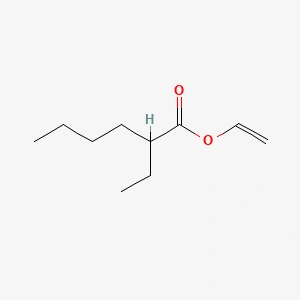
Vinyl 2-ethylhexanoate

Vinyl 2-ethylhexanoate, identified by CAS number 94-04-2, is a versatile vinyl ester monomer characterized by its clear, liquid appearance and distinct chemical structure. As a branched-chain vinyl ester, it serves as a crucial building block in the synthesis of various polymers and copolymers. Its unique molecular configuration, featuring a 2-ethylhexyl group, imparts specific physical properties

Vinyl 2-ethylhexanoate Read More »

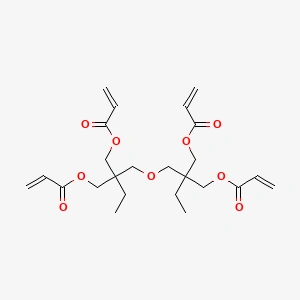
Ditrimethylolpropane tetraacrylate

Ditrimethylolpropane tetraacrylate, commonly identified by CAS number 94108-97-1, is a high-functionality monomer widely utilized in the specialty chemicals industry. As a tetrafunctional acrylate ester, it features a unique molecular structure derived from ditrimethylolpropane, which provides four reactive sites for polymerization. This chemical is characterized by its relatively low volatility and high reactivity, making it an

Ditrimethylolpropane tetraacrylate Read More »

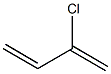
polychloroprene 9010 98 4 structure

Polychloroprene

Polychloroprene, identified by CAS number 9010-98-4 and commonly known by the trade name Neoprene, is a versatile synthetic rubber produced through the polymerization of chloroprene. This elastomer is characterized by its excellent chemical stability and its ability to maintain flexibility across a broad temperature range. Unlike natural rubber, it exhibits superior resistance to degradation from

Polychloroprene Read More »

Cellulose Acetate

Cellulose Acetate, identified by CAS number 9004-35-7, is a versatile thermoplastic polymer produced through the acetylation of natural cellulose, typically derived from wood pulp or cotton linters. This chemical modification enhances the solubility and processability of the base cellulose while retaining its inherent biodegradability and structural integrity. As a semi-synthetic material, it exhibits excellent clarity,

Cellulose Acetate Read More »

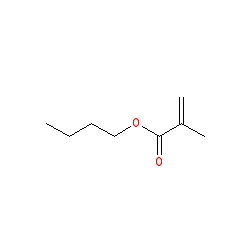
Poly(n-butyl methacrylate)

Poly(n-butyl methacrylate), identified by CAS number 9003-63-8, is a versatile thermoplastic acrylic resin synthesized from the polymerization of n-butyl methacrylate monomers. Characterized by its excellent clarity, flexibility, and inherent resistance to ultraviolet degradation, this polymer serves as a critical component in various industrial formulations. Unlike its more rigid counterpart, poly(methyl methacrylate), this material exhibits a

Poly(n-butyl methacrylate) Read More »

Polyethylene

Polyethylene, identified by CAS number 9002-88-4, is one of the most widely utilized thermoplastic polymers globally. It is characterized by its linear or branched hydrocarbon structure, resulting from the polymerization of ethylene monomers. This material is renowned for its exceptional chemical stability, high impact resistance, and low moisture permeability. Its physical properties can be tailored

Polyethylene Read More »

REQUEST A QUOTE

Product Inquiry — Popup Form