English | 中文 | Español

Chemical Products

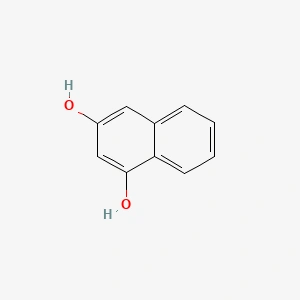
13 Dihydroxynaphthalene 132 86 5 Structure

1,3-Dihydroxynaphthalene

1,3-Dihydroxynaphthalene (CAS: 132-86-5), also called naphthoresorcinol, is a white to off-white crystalline dihydroxy naphthalene with two phenolic groups positioned on the same ring. The diol is readily oxidised and coupled, so it is a valuable intermediate for dyes, pigments, photographic chemicals and antioxidants, and it works as a chromogenic reagent that gives coloured products with

1,3-Dihydroxynaphthalene Read More »
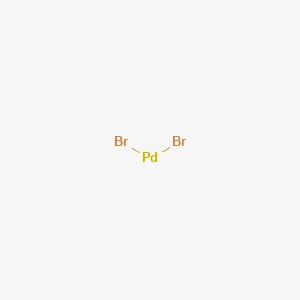
PalladiumII Bromide 13444 94 5 Structure

Palladium(II) Bromide

Palladium(II) Bromide (CAS: 13444-94-5) is a brown, crystalline palladium halide that is practically insoluble in water and only sparingly soluble in common organic solvents. It is a defined, high-purity palladium source used when a bromide route is required, for example in the preparation of palladium catalysts where residual chloride must be avoided, in bromide-mediated coupling

Palladium(II) Bromide Read More »

PlatinumIV Chloride 13454 96 1 Structure

Platinum(IV) Chloride

Platinum(IV) Chloride (CAS: 13454-96-1) is a red-brown to dark brown crystalline platinum salt that is soluble in water and in some polar organic solvents, forming acidic solutions. As a platinum(IV) compound it is easy to reduce to platinum metal or to platinum(II) species, so it serves as a flexible precursor for catalysts, platinum complexes and

Platinum(IV) Chloride Read More »

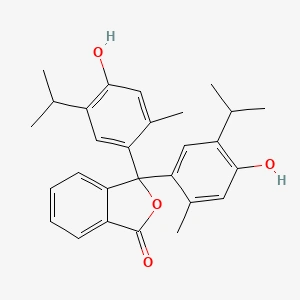
Thymolphthalein 125 20 2 Structure

Thymolphthalein

Thymolphthalein (CAS: 125-20-2) is a white to off-white crystalline phthalein dye that behaves as a pH indicator, changing from colourless in acidic and neutral media to blue in alkaline solution over the pH 9.3–10.5 range. Because the transition sits above the range of most common indicators, it is particularly useful for titrations of weak bases,

Thymolphthalein Read More »

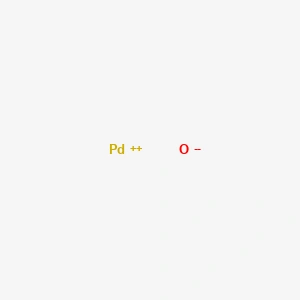
PalladiumII Oxide 1314 08 5 Structure

Palladium(II) Oxide

Palladium(II) Oxide (CAS: 1314-08-5) is a black to dark green palladium oxide powder supplied at ≥99% purity with a high, reproducible palladium content. It is a well-defined source of palladium for catalyst manufacture and can be reduced to finely divided palladium metal, which makes it valuable where a specific metal dispersion or a controlled reduction

Palladium(II) Oxide Read More »

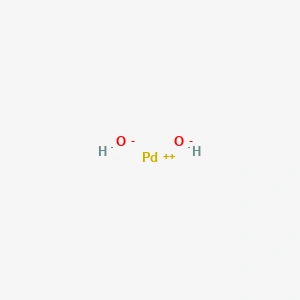
Palladium Hydroxide 12135 22 7 Structure

Palladium Hydroxide

Palladium Hydroxide (CAS: 12135-22-7) is a black palladium(II) compound supplied as a high-purity powder with a well-defined metal content. When deposited on carbon it forms the classic Pearlman’s catalyst, which is prized for debenzylation, hydrogenolysis of protecting groups and selective hydrogenation because the hydroxide phase is less aggressive than metallic palladium and gives cleaner selectivity.

Palladium Hydroxide Read More »

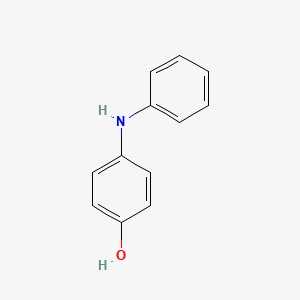
4 Hydroxydiphenylamine 122 37 2 Structure

4-Hydroxydiphenylamine

4-Hydroxydiphenylamine (CAS: 122-37-2) is a white to greyish crystalline aromatic amine that combines a phenolic hydroxyl with a secondary diaryl amine. Both groups can be oxidised or coupled, so the compound is an effective antioxidant and polymerisation inhibitor, and it is a widely used intermediate for rubber antioxidants, dyes and photographic chemicals. It also serves

4-Hydroxydiphenylamine Read More »

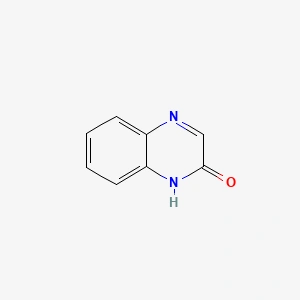
2 Quinoxalinol 1196 57 2 Structure

2-Quinoxalinol

2-Quinoxalinol (CAS: 1196-57-2) is a white to off-white crystalline nitrogen heterocycle that exists mainly in its lactam tautomeric form and behaves as a weak acid. The quinoxalinone core is a privileged scaffold in medicinal chemistry, appearing in antimicrobial, antiviral, anticancer and CNS-active compounds, so the compound is produced as a defined intermediate for drug and

2-Quinoxalinol Read More »

IridiumIV Oxide 12030 49 8 Structure

Iridium(IV) Oxide

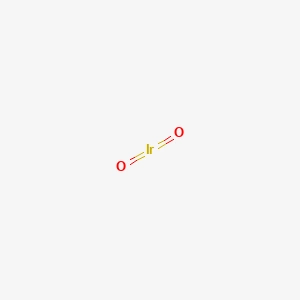
Iridium(IV) Oxide (CAS: 12030-49-8) is a black, high-purity iridium dioxide powder that combines excellent electrical conductivity with outstanding chemical and electrochemical stability. These properties make it a benchmark material for oxygen-evolution and chlorine-evolution electrodes, where it resists corrosion in aggressive acidic media far better than most alternatives. It is also used as a catalyst, as

Iridium(IV) Oxide Read More »

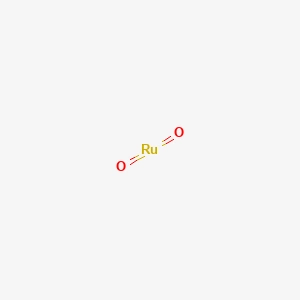
Ruthenium Dioxide 12036 10 1 Structure

Ruthenium Dioxide

Ruthenium Dioxide (CAS: 12036-10-1) is a black, anhydrous ruthenium oxide powder with metallic-type conductivity and very good chemical resistance. It is used as the conductive and catalytic phase in resistor pastes, thick-film electronic components and electrode coatings, and as a chlorine- or oxygen-evolution catalyst in electrochemical cells. Its high specific capacitance also makes it a

Ruthenium Dioxide Read More »

RhodiumIII Oxide 12036 35 0 Structure

Rhodium(III) Oxide

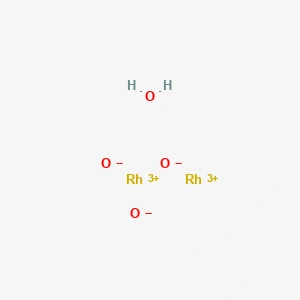
Rhodium(III) Oxide (CAS: 12036-35-0) is an anhydrous, grey to black rhodium oxide powder supplied at high purity with a consistent rhodium content. It is insoluble in ordinary solvents but is readily reduced or dissolved for further processing, which makes it a practical intermediate for catalyst manufacture and for preparing rhodium metal and rhodium salts. In

Rhodium(III) Oxide Read More »

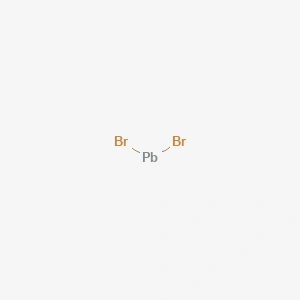
LeadII Bromide 10031 22 8 Structure

Lead(II) Bromide

Lead(II) Bromide (CAS: 10031-22-8) is a white crystalline lead halide that is only sparingly soluble in cold water but dissolves well in hot water and in bromide solutions. This solubility behaviour makes it easy to recrystallise and to obtain as a high-purity, well-defined salt. Its main commercial role today is as a lead and bromide

Lead(II) Bromide Read More »

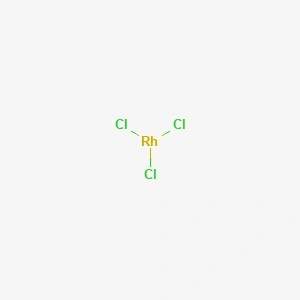
RhodiumIII Chloride 10049 07 7 Structure

Rhodium(III) Chloride

Rhodium(III) Chloride (CAS: 10049-07-7) is the anhydrous form of rhodium trichloride, a red-brown crystalline powder with a high and consistent rhodium content. It is the standard precursor for making rhodium catalysts and rhodium complexes, including Wilkinson-type catalysts, phosphine complexes and supported hydrogenation catalysts, and it is also used to prepare rhodium plating baths and rhodium-containing

Rhodium(III) Chloride Read More »

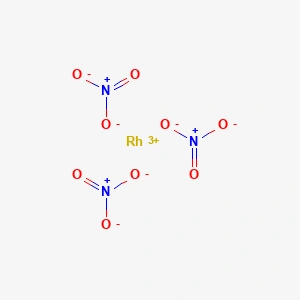
RhodiumIII Nitrate 10139 58 9 Structure

Rhodium(III) Nitrate

Rhodium(III) Nitrate (CAS: 10139-58-9) is supplied as a dark red-brown aqueous solution, most commonly standardised at 10% rhodium, containing a small amount of free nitric acid for stability. The nitrate route is valued because it leaves no chloride behind, which matters in catalysts and electronic materials where residual halide can poison performance or corrode substrates.

Rhodium(III) Nitrate Read More »

REQUEST A QUOTE

Product Inquiry — Popup Form