English | 中文 | Español

Food Grade

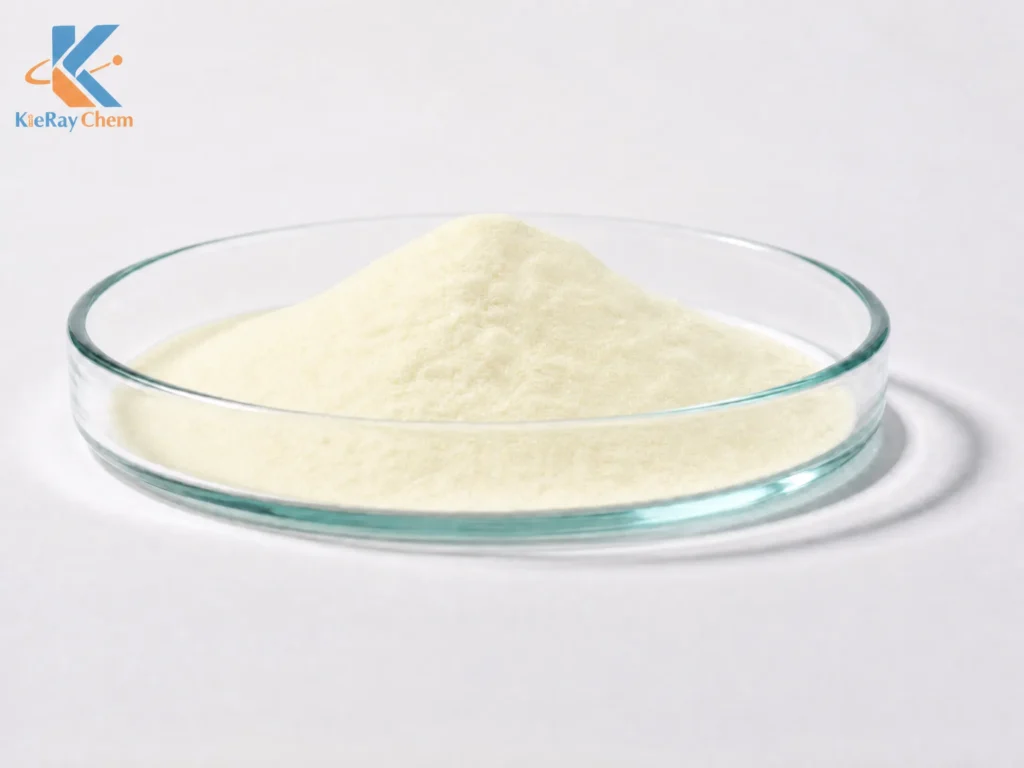
potassium alginate 9005 36 1 structure

Potassium Alginate

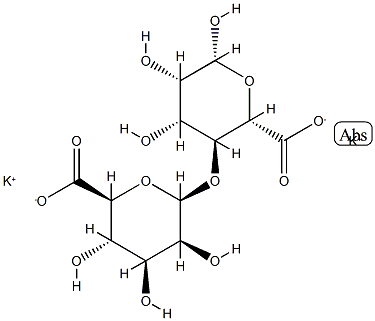
Potassium Alginate, identified by CAS number 9005-36-1, is a hydrophilic carbohydrate extracted primarily from the cell walls of brown seaweed. As the potassium salt of alginic acid, it presents as a white to yellowish-brown fibrous or granular powder that is nearly odorless and tasteless. This biopolymer is highly valued in industrial and research settings for

Potassium Alginate Read More »
DL Threonine 80 68 2 Structure

DL-Threonine

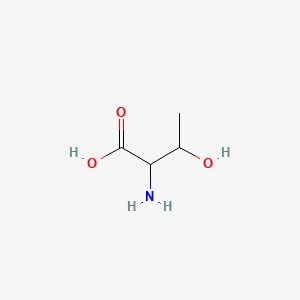
DL-Threonine, identified by CAS number 80-68-2, is a racemic mixture comprising equal parts of the L- and D-enantiomers of the essential amino acid threonine. This organic compound is characterized by its white crystalline appearance and its status as a polar, uncharged molecule featuring a secondary hydroxyl group. As a fundamental building block in organic chemistry,

DL-Threonine Read More »

Yeast Extract 8013 01 2 Structure 1024x768

Yeast Extract

Yeast Extract, identified by CAS number 8013-01-2, is a complex mixture of water-soluble components derived from the autolysis of yeast cells, typically strains of Saccharomyces cerevisiae. This material is highly valued for its rich concentration of amino acids, peptides, vitamins, and minerals, which are released when the yeast cell walls are broken down. Physically, it

Yeast Extract Read More »

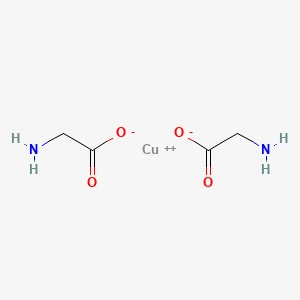
Copper Glycinate 13479 54 4 Structure

Copper glycinate

Copper glycinate, identified by CAS number 13479-54-4, is a coordination complex consisting of copper(II) ions chelated with the amino acid glycine. Typically appearing as a fine blue crystalline powder, this organometallic compound is characterized by its excellent stability and high solubility in water compared to traditional inorganic copper salts. Its chemical structure involves two glycine

Copper glycinate Read More »

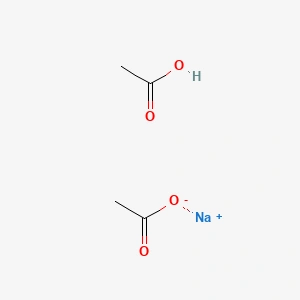
Sodium Diacetate 126 96 5 Structure

Sodium diacetate

Sodium diacetate (CAS 126-96-5) is a molecular compound consisting of equal parts sodium acetate and acetic acid, often represented as a free-flowing, white crystalline powder. It is characterized by its distinct vinegary odor and its ability to provide a concentrated source of acetic acid in a solid, easy-to-handle form. As a dry acidulant, it is

Sodium diacetate Read More »

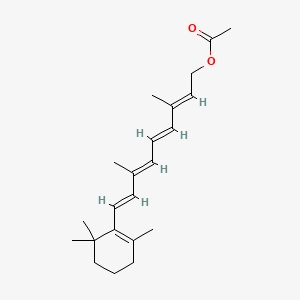
Retinyl Acetate 127 47 9 Structure

Retinyl acetate

Retinyl acetate, identified by CAS number 127-47-9, is a natural form of Vitamin A and the acetate ester of retinol. It typically appears as a pale yellow crystalline solid or a viscous liquid, depending on the temperature and purity. As a fat-soluble retinoid, it exhibits significant stability compared to pure retinol, making it a preferred

Retinyl acetate Read More »

xanthan gum 11138 66 2 structure

Xanthan gum

Xanthan gum, identified by CAS number 11138-66-2, is a high-molecular-weight extracellular polysaccharide produced through the aerobic fermentation of carbohydrates by the bacterium Xanthomonas campestris. Chemically, it consists of a cellulose-like backbone with trisaccharide side chains, providing it with unique rheological properties. This white to cream-colored powder is highly soluble in both hot and cold water,

Xanthan gum Read More »

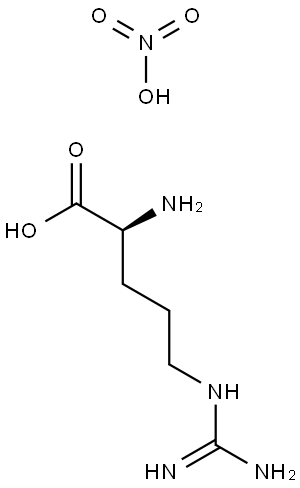
l arginine nitrate 749 79 3 structure

L-Arginine nitrate

L-Arginine nitrate, identified by CAS number 749-79-3, is a specialized salt compound formed through the stoichiometric reaction of the essential amino acid L-arginine with nitric acid. This white, crystalline powder is highly regarded for its dual-action profile, combining the physiological properties of a proteinogenic amino acid with the oxidative potential of a nitrate group. Its

L-Arginine nitrate Read More »

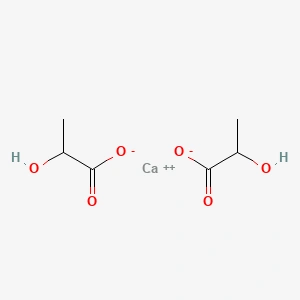
Calcium Lactate 814 80 2 Structure

Calcium lactate

Calcium lactate, identified by CAS number 814-80-2, is a white, odorless crystalline salt produced by the neutralization of lactic acid with a calcium source. It is highly valued for its excellent solubility and bioavailability compared to other calcium salts, making it a preferred choice in various formulations. As a stable compound, it typically appears as

Calcium lactate Read More »

Maltose 69 79 4 Structure

Maltose

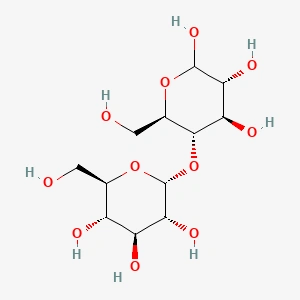
Maltose, identified by CAS number 69-79-4, is a fundamental disaccharide composed of two alpha-D-glucose units linked by an alpha-1,4-glycosidic bond. Often referred to as malt sugar, it is a key intermediate in the enzymatic breakdown of starch by amylase. This white, crystalline powder is highly soluble in water and exhibits a mild sweetness, approximately one-third

Maltose Read More »

Biotin 58 85 5 Structure

Biotin

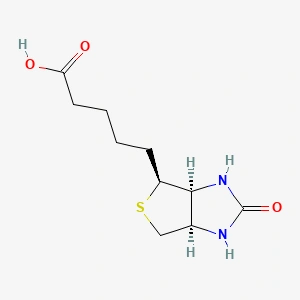
Biotin, identified by CAS number 58-85-5, is a water-soluble B-complex vitamin essential for various metabolic processes across diverse biological systems. Chemically, it is a heterocyclic, sulfur-containing monocarboxylic acid that typically appears as a white to off-white crystalline powder. It is recognized for its high stability under standard storage conditions, though it remains sensitive to extreme

Biotin Read More »

DL Aspartic Acid 617 45 8 Structure

DL-Aspartic acid

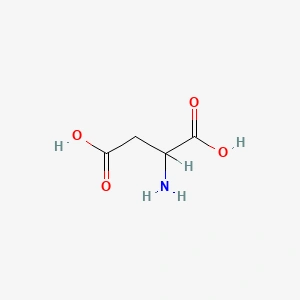
DL-Aspartic acid, identified by CAS number 617-45-8, is a racemic mixture comprising equal parts of the D- and L-enantiomers of aspartic acid. This non-essential amino acid typically presents as a white crystalline powder or colorless crystals. It is characterized by its dual carboxylic acid functional groups and a primary amine group, which contribute to its

DL-Aspartic acid Read More »

Sodium Ferrocyanide 13601 19 9 Structure

Sodium ferrocyanide

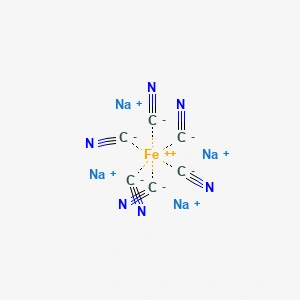
Sodium ferrocyanide, identified by CAS 13601-19-9 and often referred to as yellow prussiate of soda, is a coordination compound of iron and sodium. It typically appears as yellow monoclinic crystals or powder and is highly soluble in water but insoluble in alcohol. While it contains cyanide groups, these are strongly bonded to the central iron

Sodium ferrocyanide Read More »

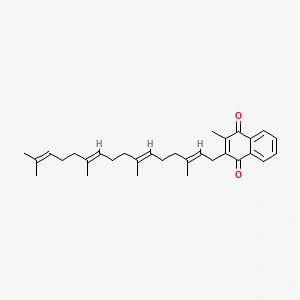
Phylloquinone Vitamin K1 84 80 0 Structure

Phylloquinone (Vitamin K1)

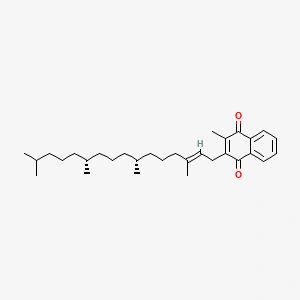
Phylloquinone, widely recognized as Vitamin K1, is a naturally occurring fat-soluble compound belonging to the naphthoquinone family. Chemically identified by its 2-methyl-1,4-naphthoquinone structure with a long isoprenoid side chain, it typically presents as a viscous, amber-colored oil. This substance is sensitive to ultraviolet light and oxidation, necessitating careful handling and storage in light-protected, airtight environments

Phylloquinone (Vitamin K1) Read More »

D Tagatose 87 81 0 Structure

D-Tagatose

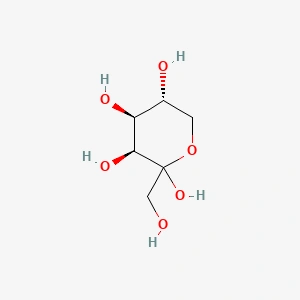
D-Tagatose, identified by CAS 87-81-0, is a naturally occurring monosaccharide and a functional ketohexose that serves as a rare sugar isomer of D-galactose. It is typically found in small quantities in dairy products and is produced industrially through the enzymatic isomerization of galactose. As a white, odorless crystalline powder, it exhibits high solubility in water

D-Tagatose Read More »

REQUEST A QUOTE

Product Inquiry — Popup Form